The Unnamed Super Mutant Is Marcus
THE THEORY
The unnamed Super Mutant in Episode 6 is Marcus, and his name is being withheld across every credit and metadata source because confirming it forces the show to honor two games of established lore it has not yet chosen to lock in. His location in the Mojave, his philosophical stance toward ghoul coexistence, and his comprehensive credit erasure are not independent curiosities but a single coordinated delay. The reveal, when it comes, will not be a fan-service moment but a structural commitment.
How This Theory Works
The deliberate erasure of Ron Perlman's Super Mutant character from every credit and metadata source is a production-level concealment, and the name being concealed is Marcus, the 200-year-old Super Mutant whose canonical territory is the Mojave Wasteland. When that name is finally spoken on screen, it will retroactively bind the show's wasteland politics to two games' worth of lore the writers have been careful not to trigger prematurely.
The game lore provides the candidate and the reason for the secrecy. Marcus appeared in Fallout 2 and again in Fallout: New Vegas, where he was established in the Mojave and defined by his advocacy for coexistence between Super Mutants and ghouls. Perlman's character engages Cooper the Ghoul without hostility and with philosophical openness, which is not how Super Mutants are written elsewhere in the show's wasteland. That specific ideological posture is not generic character color. It is a fingerprint.
The geographic placement closes the argument. The show's action is set in and around Las Vegas, which is Marcus's established territory. A Super Mutant in the Mojave with a centuries-old perspective on ghoul coexistence, voiced by the actor whose voice opens every mainline Fallout game, is absent from every credit source not because the production forgot but because the moment his name is confirmed, the show has committed to a continuity it is not yet ready to be held to.
Is this theory convincing?
Key Evidence
Character absent from all credits
Perlman's Super Mutant character has no name listed in the episode itself, the closing credits, Amazon Prime's X-Ray feature, or IMDb, a comprehensive omission that signals intentional concealment rather than oversight.
Marcus's Mojave Wasteland location
Marcus is canonically established in the Mojave Wasteland through his appearance in Fallout: New Vegas, and Perlman's character appears in the same region in Episode 6, making geographic placement consistent with the identification.
Ghoul-Super Mutant cooperation stance
Perlman's character engages Cooper the Ghoul without hostility and with apparent philosophical openness toward coexistence, mirroring Marcus's known outlook from his game appearances.
Ron Perlman franchise connection
Ron Perlman is the voice of the Fallout franchise's iconic opening narration, making his casting as a significant unnamed character a strong signal that the role carries narrative weight beyond a one-off appearance.
Other Theories for S2E06
Hank Built the Conditions Under Which Lucy Would Deliver Herself
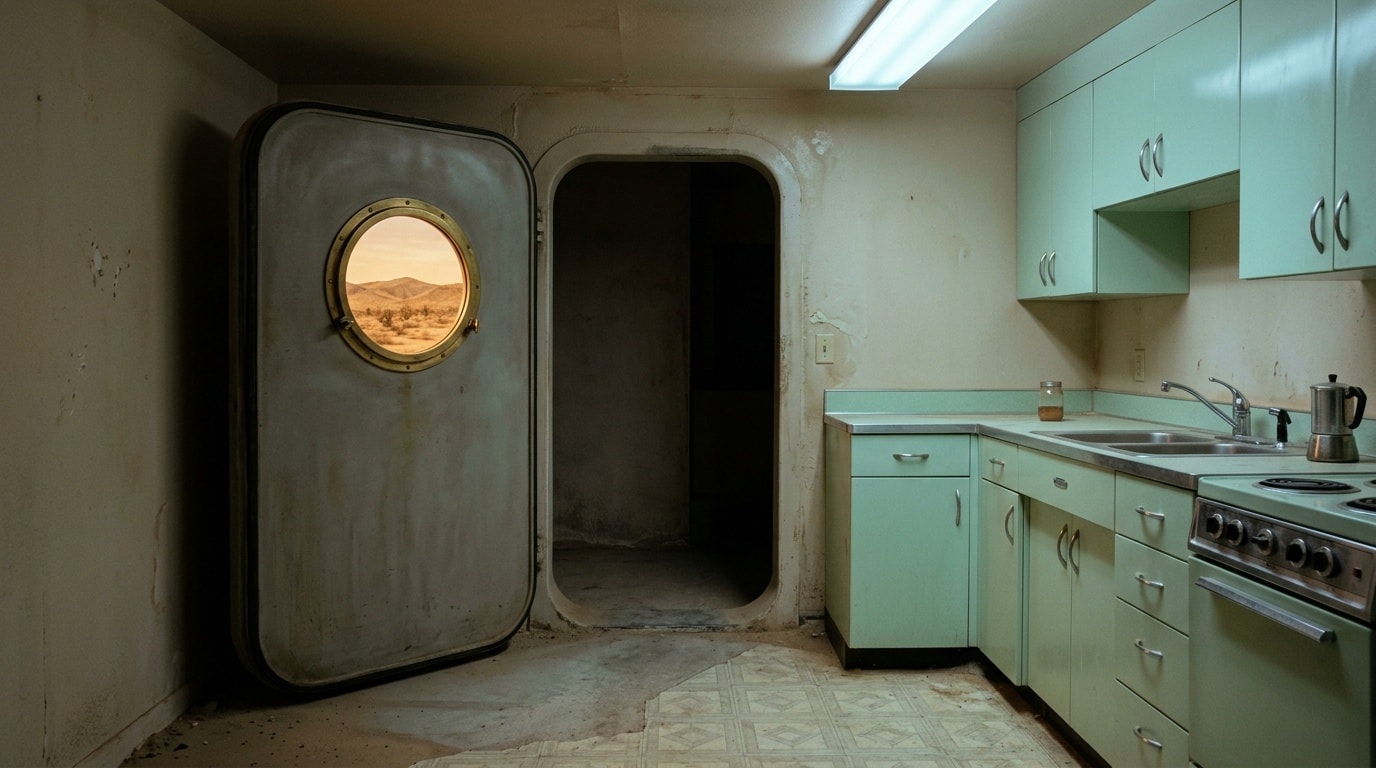
The simulation room in the Las Vegas management vault is not a generic Vault-Tec facility but a targeted psychological instrument Hank commissioned using his oversight authority — a faithful replica of Vault 33's residential interior built specifically to re-anchor Lucy's identity before she could act on her leverage.
Hank Built the Philosophy Before He Needed the Alibi
Hank's staged surrender is not a man improvising a defense under pressure — it is a man deploying an ideological architecture he constructed in advance of any action that would require justifying.
House's Vault-Tec Deal Was a Single System: Cold Fusion as the Key to a Human Control Infrastructure He Left Running
The Vault-Tec meeting was not a negotiation — it was the transfer of two inseparable components of one pre-architected system.
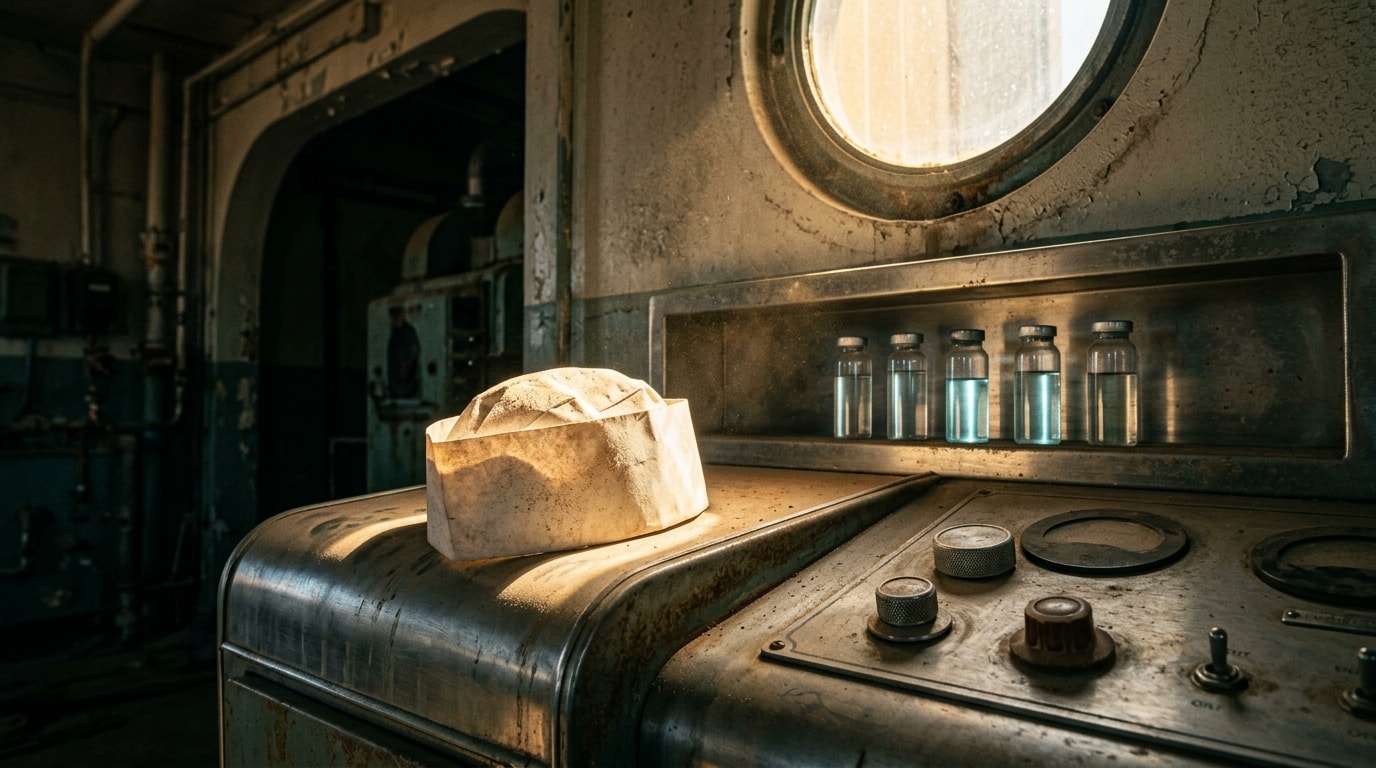
Dogmeat Knows Exactly What She Is Doing
Dogmeat's refusal to retrieve the Ghoul's vials is a strategic substitution: she selected the hat because it would function as a recognition signal to humans capable of solving the larger problem, accepting the Ghoul's feral deterioration as the cost of a longer play.
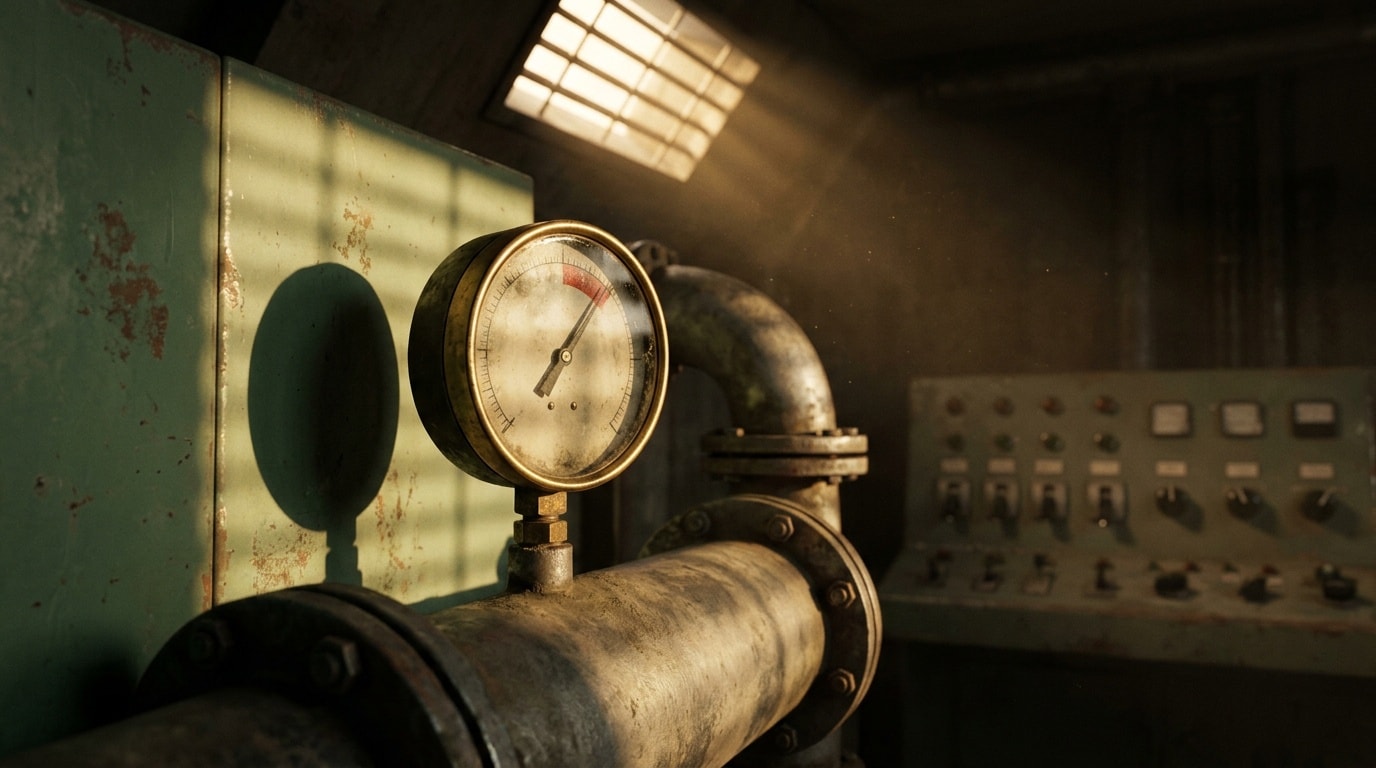
Vault-Tec Chose Which Vaults Would Die of Thirst
The show confirms that Vault-Tec knew which water chips would fail before installation.
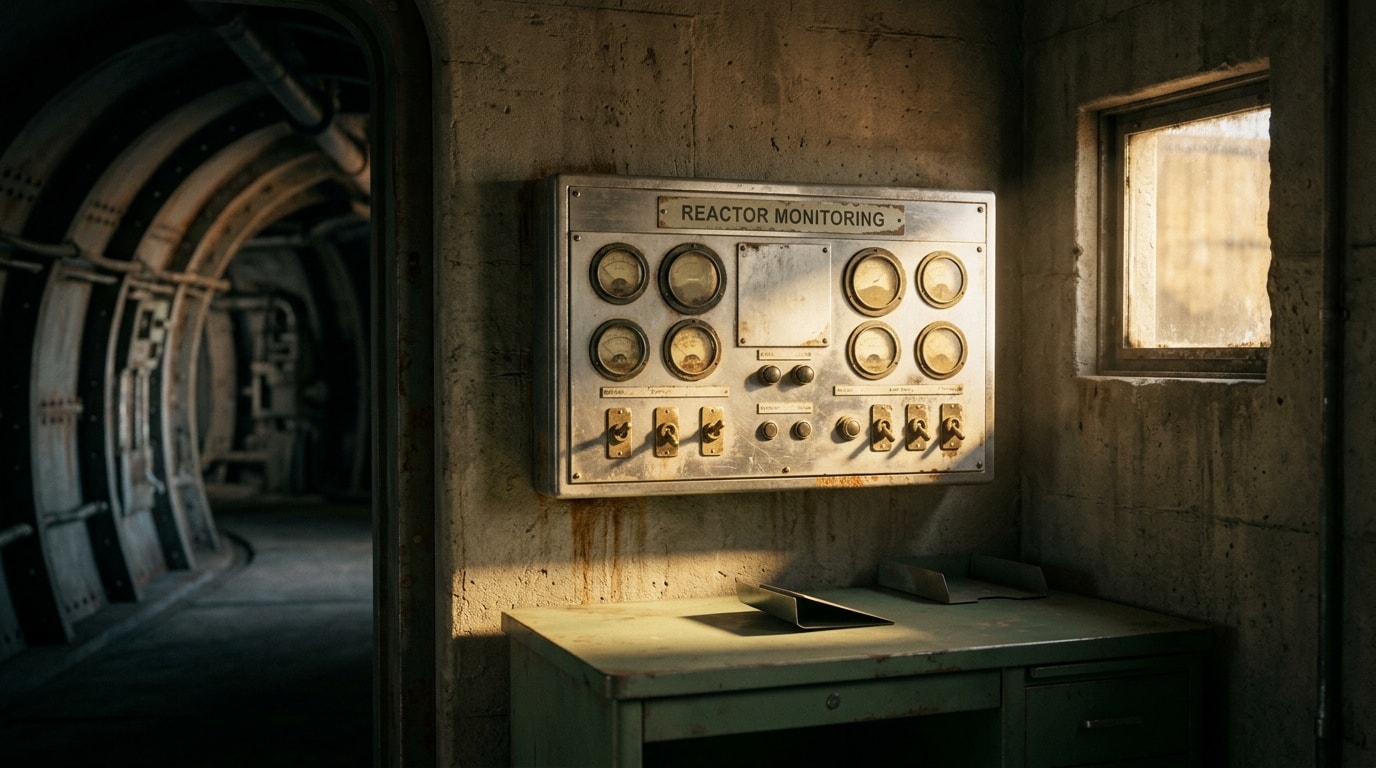
Hank Built a Mind-Control Empire Before the War
Hank MacLean's substitution into the RobCo meeting was not an act of corporate espionage but the first operational step in a project he has been running continuously ever since, with Vault 33 serving as a decades-long laboratory for solving the signal-tolerance failures that limited the technology's original deployment.
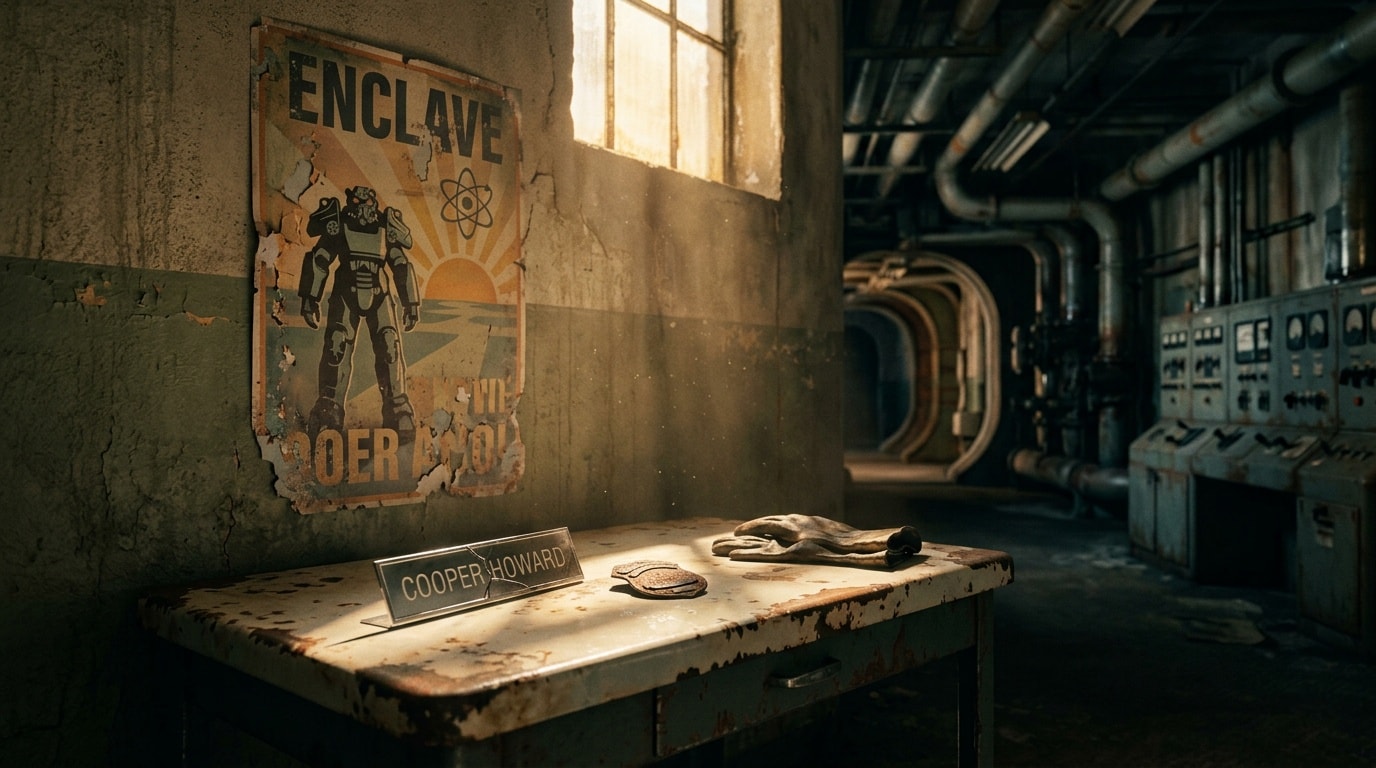
Super Mutants Claim Ghouls as Kindred Enemies
The Super Mutant who pulls the Ghoul from the pole in Freeside is extending a political recruitment: that ghouls and mutants, as shared products of human engineering, constitute a natural alliance with the Enclave as their common enemy.
Woody Was Silenced for What He Heard
Woody was removed from Vault 33 not for defiance but for asking a single question, which means the vault's suppression mechanism is calibrated to eliminate awareness before it can spread rather than revolt after it forms.