Hank Built the Philosophy Before He Needed the Alibi
THE THEORY
Hank's staged surrender is not a man improvising a defense under pressure — it is a man deploying an ideological architecture he constructed in advance of any action that would require justifying. The nihilism came first. The handcuffs, the calibrated nostalgia, and the redemptive framing are all downstream of a worldview built specifically to make Vault-Tec's decisions register as something other than crimes. The surrender scene is not where Hank begins managing the story. It is where we watch a completed machine run.
How This Theory Works
The All Quiet on the Western Front argument is not a literary observation Hank reaches for in the moment. It is load-bearing infrastructure. By equating both sides of every conflict — collapsing the distinction between an institution that erased a civilization and the civilization it erased — he constructs a moral framework in which cause is structurally irrelevant and only carnage is real. That framework does not emerge in response to Lucy's accusation. It predates it. The specific equivalence he draws between World War One and surface people fighting over bottle caps is too precise, too rehearsed, to be improvisation. It is the capstone of a worldview built in advance of any action that would need exempting. You cannot reach that argument in a single conversation. You have to live inside it for years before it becomes available to you as a reflex.
The bottle caps dismissal is where the philosophy does its most precise work. Mocking caps as currency is not incidental color or condescension born of frustration — it is the rhetorical move that makes Shady Sands structurally impossible to mourn. If surface currency is absurd, surface civilization is trivial. If surface civilization is trivial, its destruction carries no moral weight that Hank's framework is obligated to process. Lucy's knowledge that Shady Sands was thriving before Vault-Tec ended it is the specific rebuttal that should stop the argument cold. Hank does not engage it. He redirects to condescension, treating her demand for justice as admirable but naive — which is exactly what his framework requires him to do when the evidence becomes concrete. He has not suppressed guilt and papered over it. He has built a worldview in which the harm never registered as real in the first place. The philosophy is not a wound healing over. It is the anesthetic that made the cut possible.
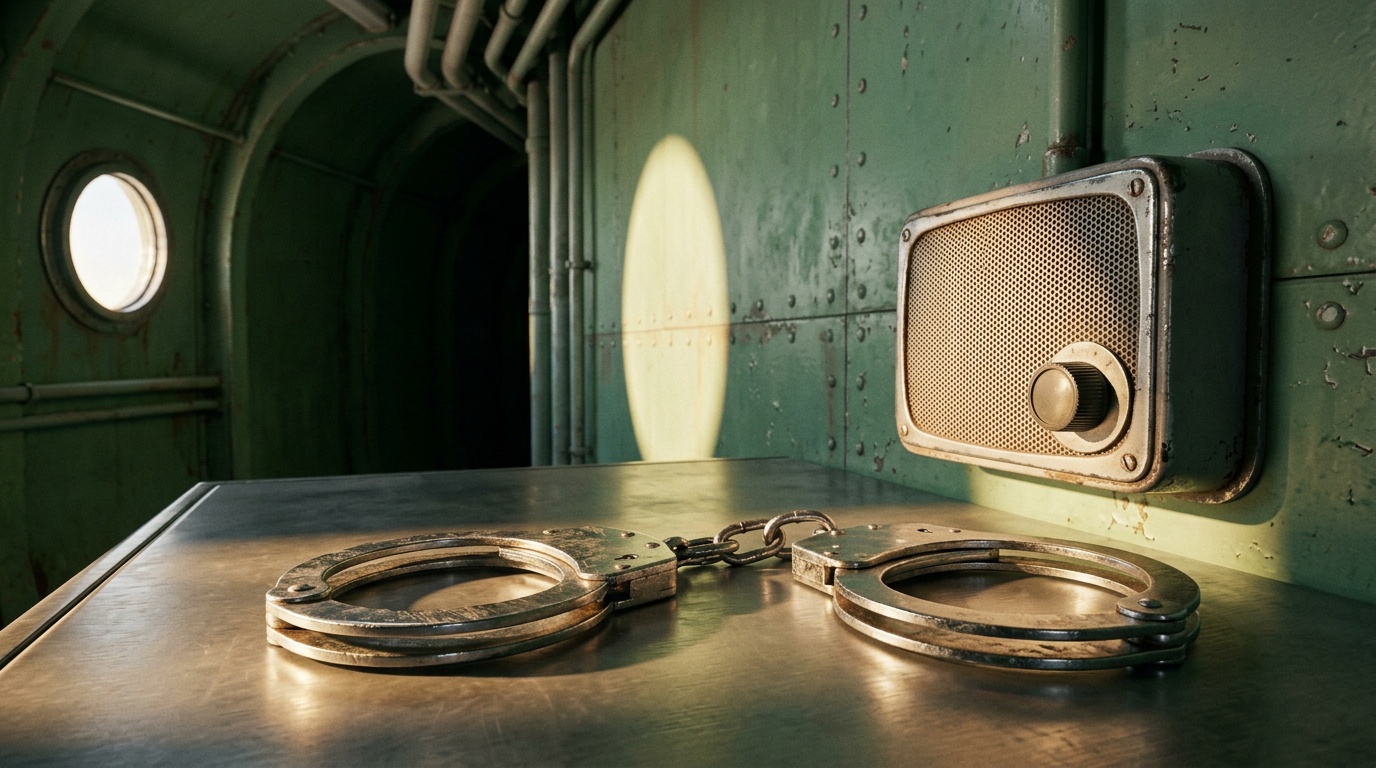
The handcuffing scene is where this architecture becomes most visible and most uncomfortable. Hank offers the restraints himself, places them on his own wrists, and frames the act as accountability — all without visible anguish. That performance is coherent only if he genuinely believes the accounting will come out even, that what Vault-Tec chose to do and what the wasteland did to itself occupy the same moral register. A man carrying guilt and managing it would show the seams. Hank shows none. The voluntary handcuffing is not the gesture of a defendant calculating how to seem cooperative. It is the gesture of a man who has already run the moral ledger and found himself solvent. He can afford to go willingly because, in his own accounting, he has nothing to answer for.
But the surrender is also a trap, and the nihilism is what makes the trap possible. By placing the cuffs on himself, Hank ensures that every future witness — every tribunal, every account Lucy gives — will begin with the image of a man who surrendered voluntarily. He has pre-authored the opening of his own story. The childhood science experiment comparison is the second instrument deployed in the same operation, and its timing exposes its function: he does not invoke Lucy's memory of loving him early, when it might read as desperation, but waits until she has him moving toward the exit, until her resolve is at its peak, and then reaches for the most disarming register available. Framing mass mind-control as the same category of curious tinkering as a potato flashlight is not a defense of the program. It is a request that Lucy locate herself inside his logic, which would make prosecuting it feel like prosecuting her own childhood. Her visible conflict — she keeps moving, but the conflict lands — confirms the tactic is operational. The nihilism made the trap available; the nostalgia is the mechanism that springs it.
What the combined evidence insists on is a distinction the show is careful not to make explicit: the difference between a man who did terrible things and then constructed a justification, and a man who constructed the justification first and then found the terrible things waiting on the other side of it. Hank is the second kind. The redemptive progress framing, the protective father appeal, the both-sides war claim — none of these read as post-hoc rationalization when you place them in sequence. They read as ideology that preceded action, a closed system built to render certain choices invisible as choices. The surrender scene is not where the architecture is improvised. It is where we watch it operate in real time, under load, against someone who has every reason to resist it — and very nearly does.
Is this theory convincing?
Key Evidence
Hank Volunteers His Own Handcuffs
Rather than waiting to be restrained, Hank offers the handcuffs himself and puts them on his own wrists, framing the act as voluntary surrender while retaining control of the gesture's meaning.
Potato Battery Comparison
Hank invokes a specific childhood memory of Lucy running around with a homemade flashlight to frame his black box mind-control experiments as merely another 'little project,' directly minimizing their scale and moral weight.
Lucy's Conflicted Reaction
Despite maintaining her grip on Hank and continuing toward the exit, Lucy is visibly conflicted by his comparison, confirming that his manipulation is landing even as she resists it.
Redemptive Progress Framing
Hank explicitly describes the black box technology as 'redemptive progress' and asks Lucy to reserve judgment until she understands it, deploying the language of rehabilitation to reframe brainwashing as a public good.
Timed Nostalgia Deployment
Hank introduces the childhood science experiment memory only after Lucy has him moving toward the exit, targeting the moment when her resolve is highest rather than deploying the appeal earlier in conversation.
Protective Father Justification
Hank tells Lucy that everything he did was done to protect her, using the language of parental sacrifice to pre-emptively reframe crimes against strangers as acts of love toward family.
Other Theories for S2E06

Hank Built the Conditions Under Which Lucy Would Deliver Herself
The simulation room in the Las Vegas management vault is not a generic Vault-Tec facility but a targeted psychological instrument Hank commissioned using his oversight authority — a faithful replica of Vault 33's residential interior built specifically to re-anchor Lucy's identity before she could act on her leverage.
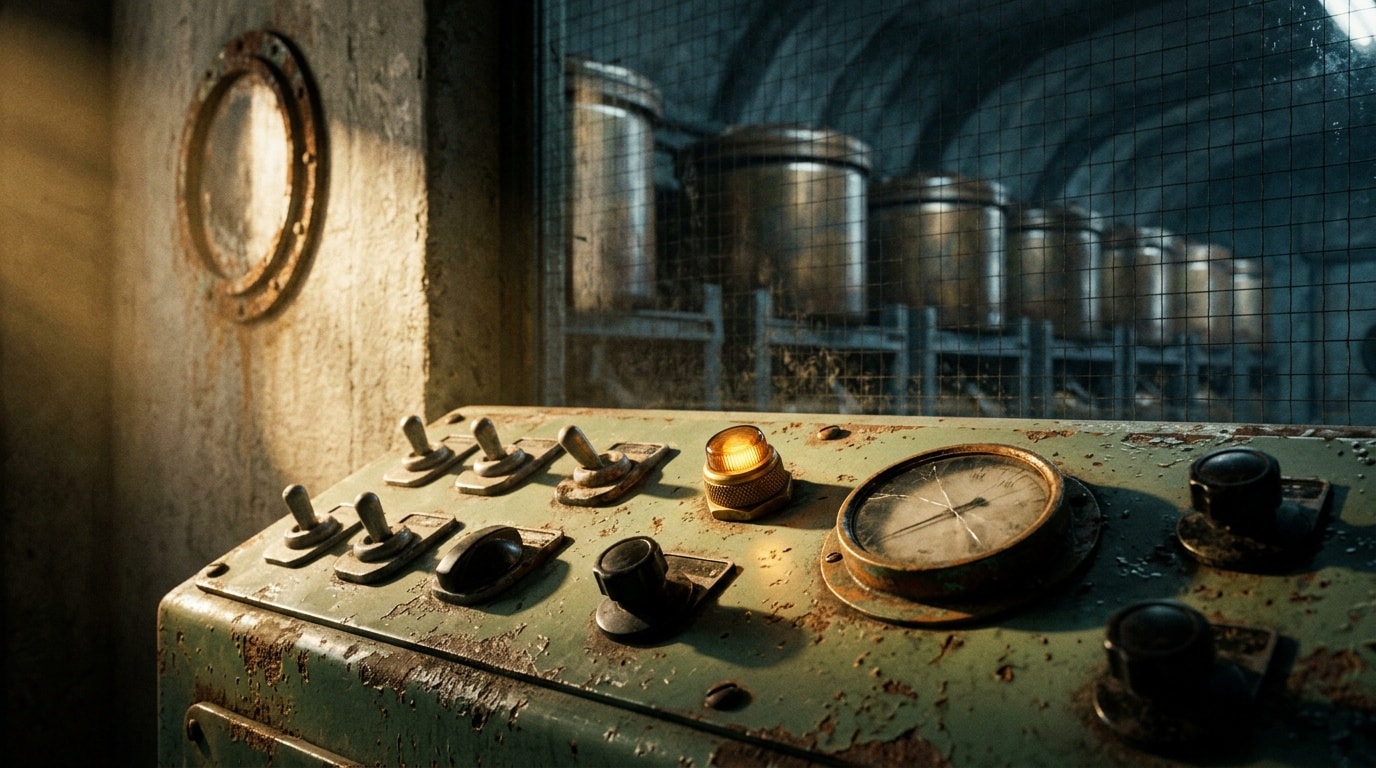
House's Vault-Tec Deal Was a Single System: Cold Fusion as the Key to a Human Control Infrastructure He Left Running
The Vault-Tec meeting was not a negotiation — it was the transfer of two inseparable components of one pre-architected system.

Dogmeat Knows Exactly What She Is Doing
Dogmeat's refusal to retrieve the Ghoul's vials is a strategic substitution: she selected the hat because it would function as a recognition signal to humans capable of solving the larger problem, accepting the Ghoul's feral deterioration as the cost of a longer play.
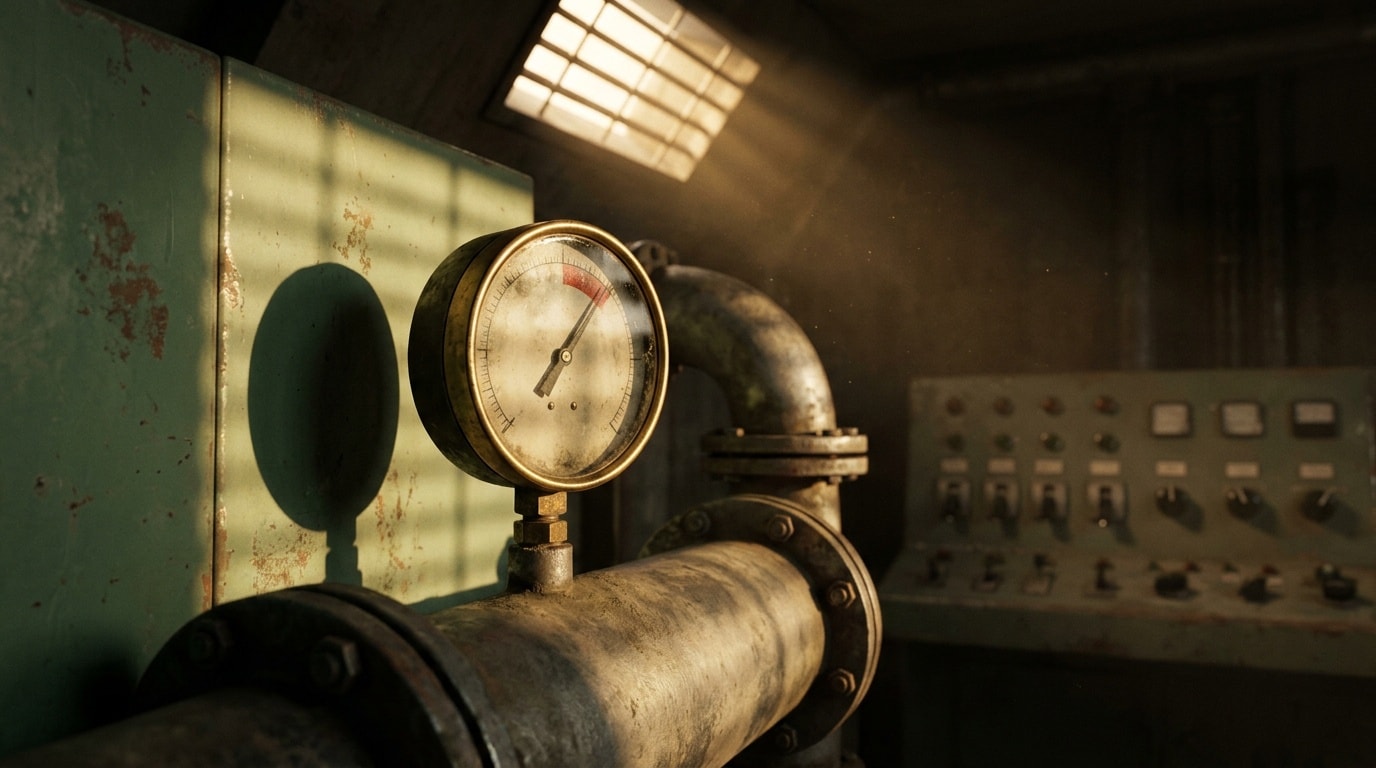
Vault-Tec Chose Which Vaults Would Die of Thirst
The show confirms that Vault-Tec knew which water chips would fail before installation.
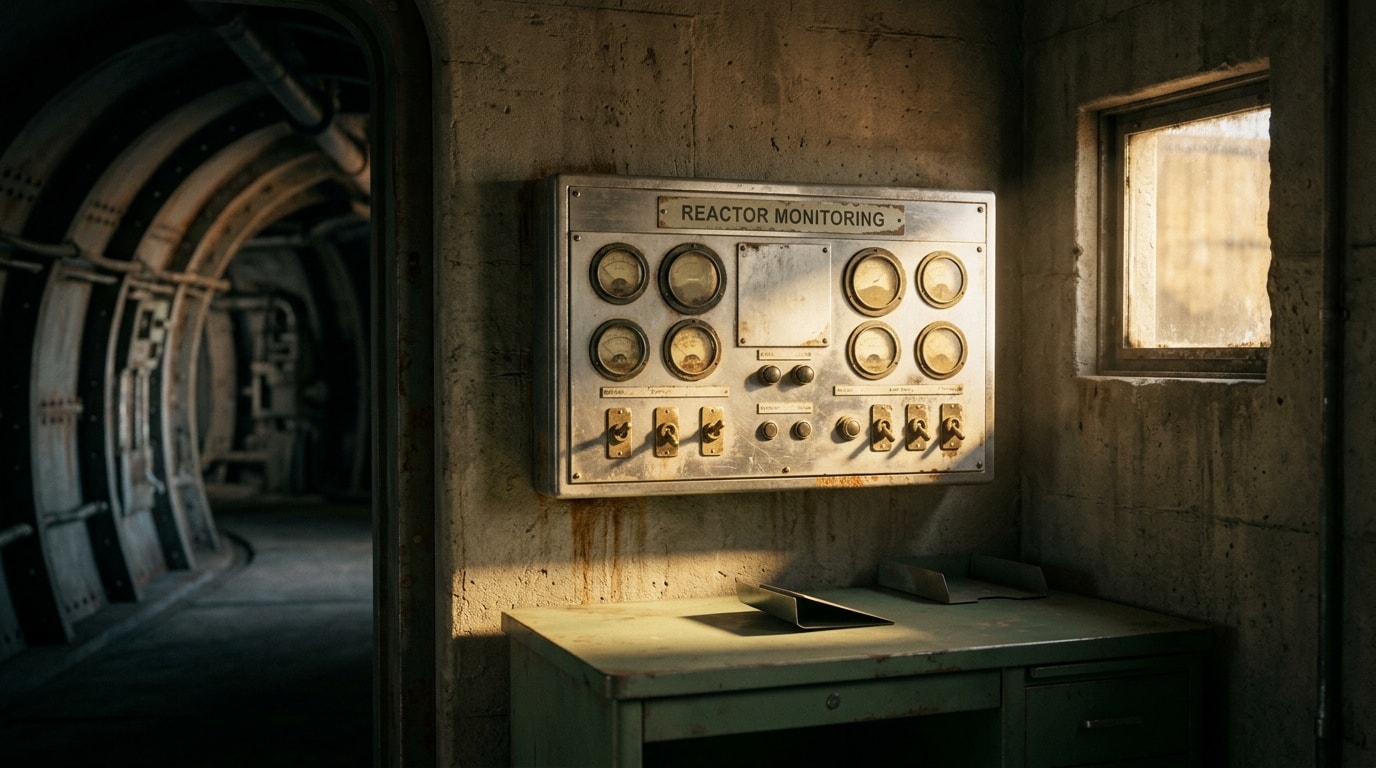
Hank Built a Mind-Control Empire Before the War
Hank MacLean's substitution into the RobCo meeting was not an act of corporate espionage but the first operational step in a project he has been running continuously ever since, with Vault 33 serving as a decades-long laboratory for solving the signal-tolerance failures that limited the technology's original deployment.
Super Mutants Claim Ghouls as Kindred Enemies
The Super Mutant who pulls the Ghoul from the pole in Freeside is extending a political recruitment: that ghouls and mutants, as shared products of human engineering, constitute a natural alliance with the Enclave as their common enemy.

The Unnamed Super Mutant Is Marcus
The unnamed Super Mutant in Episode 6 is Marcus, and his name is being withheld across every credit and metadata source because confirming it forces the show to honor two games of established lore it has not yet chosen to lock in.

Woody Was Silenced for What He Heard
Woody was removed from Vault 33 not for defiance but for asking a single question, which means the vault's suppression mechanism is calibrated to eliminate awareness before it can spread rather than revolt after it forms.