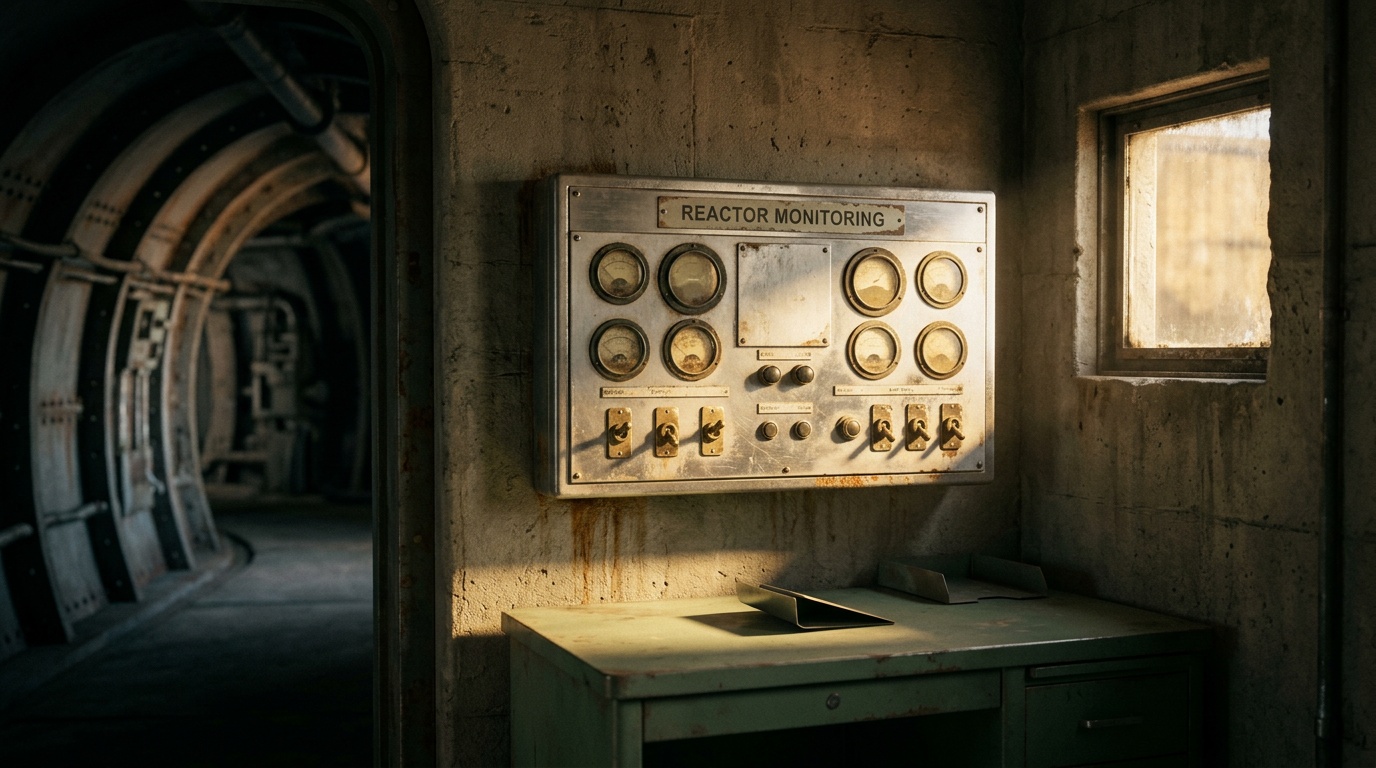
Hank Built a Mind-Control Empire Before the War
THE THEORY
Hank MacLean's substitution into the RobCo meeting was not an act of corporate espionage but the first operational step in a project he has been running continuously ever since, with Vault 33 serving as a decades-long laboratory for solving the signal-tolerance failures that limited the technology's original deployment. The chips on Caesar's Legion soldiers and the compliant factory workforce are not proof of recent ambition but of a program that survived the war intact and has been scaling toward exactly this output. His defense of the technology as redemptive, offered without denial of its function, is the position statement of the project's ideological author.
How This Theory Works
Hank MacLean's substitution into the RobCo meeting was the opening move of a decades-long acquisition. He did not attend to observe. He attended to claim. The black box technology was not a Vault-Tec product he inherited or a House innovation he borrowed. It was the object he had been waiting to find, and what followed was not coincidence but construction.
The technology carried a known limitation: Bill's brain failed under amplified signal. That failure was documented before the war. The Vault system gave Hank something no surface operation could provide -- a controlled civilian population, stable over decades, from which to study signal tolerance and refine delivery. The workers manufacturing chips at scale in 2296 are not the beginning of the program. They are evidence it graduated. The Shady Sands detonation in 2283, executed through a neural-implanted caravan driver, is the intermediate proof: by that point Hank had already solved enough of the technical problem to deploy a chip operationally at distance, on a single target, with a timed outcome. The factory workforce and the legionaries represent the jump from single-target deployment to population-scale pacification.
The Caesar's Legion presence is the sharpest evidence of deliberate architecture. Legion soldiers carry no loyalty to Vault-Tec and no institutional reason to accept implantation. Their compliance is not incidental. Deploying behavioral control hardware on soldiers from an independent military force requires deliberate negotiation, deliberate logistics, and deliberate intent. Someone pursued the Legion as a target population. The infrastructure already running in that factory names the architect.
When Lucy decries the technology as brainwashing, Hank does not deny the function. He defends it as redemptive progress. That word choice is not a deflection. It is a position statement from someone who has spent decades building a moral framework around what he has done. His voluntary submission to Lucy's handcuffs in the same sequence is not passivity. A man commanding chip-implanted legionaries in the adjacent hallway does not need to win a physical confrontation. His cooperation is a demonstration. The infrastructure is already running. He can afford to look reasonable.
The structural implication the evidence forces is this: the Vault system, at least as Hank extended it, was never designed to preserve humanity. It was designed to incubate the technology long enough to solve its failure modes, then deploy at scale to produce a manageable population for whoever controls the chips. The compliant workers, the pacified legionaries, the mass production already underway -- these are not the outputs of a survival program. They are the outputs of a system built to manufacture obedience, and Hank has been its architect from the moment he walked into that RobCo meeting in Betty Pearson's place.
Is this theory convincing?
Key Evidence
Hank Substitutes Into House Meeting
Hank MacLean specifically asked Betty Pearson to let him substitute for her at the RobCo meeting where House's representative introduced the 'automated man' black box technology, suggesting deliberate intent to learn about this mind-control device from the start.
Docile Legionaries With Neck Chips
Lucy observes two Caesar's Legion soldiers in the Las Vegas management Vault who respond to her with polite greetings rather than hostility, and both have black box chips visibly attached to their necks.
Factory Workers Contentedly Manufacturing Chips
The assembly room Lucy walks through is staffed by numerous neatly dressed workers who are described as happily manufacturing more black box devices, indicating the technology is already in mass production under Hank's operation.
Hank Defends Chips as Redemptive Progress
When Lucy decries the black box technology as brainwashing, Hank does not deny its function but instead defends it as 'redemptive' progress, directly linking himself to the technology's purpose and deployment.
Legion Adoption Implies Widespread Deployment
The presence of black box chips on Caesar's Legion soldiers — an independent military force — implies the technology has been deployed far beyond a single controlled population, pointing to a large-scale behavioral control operation.
Other Theories for S2E06
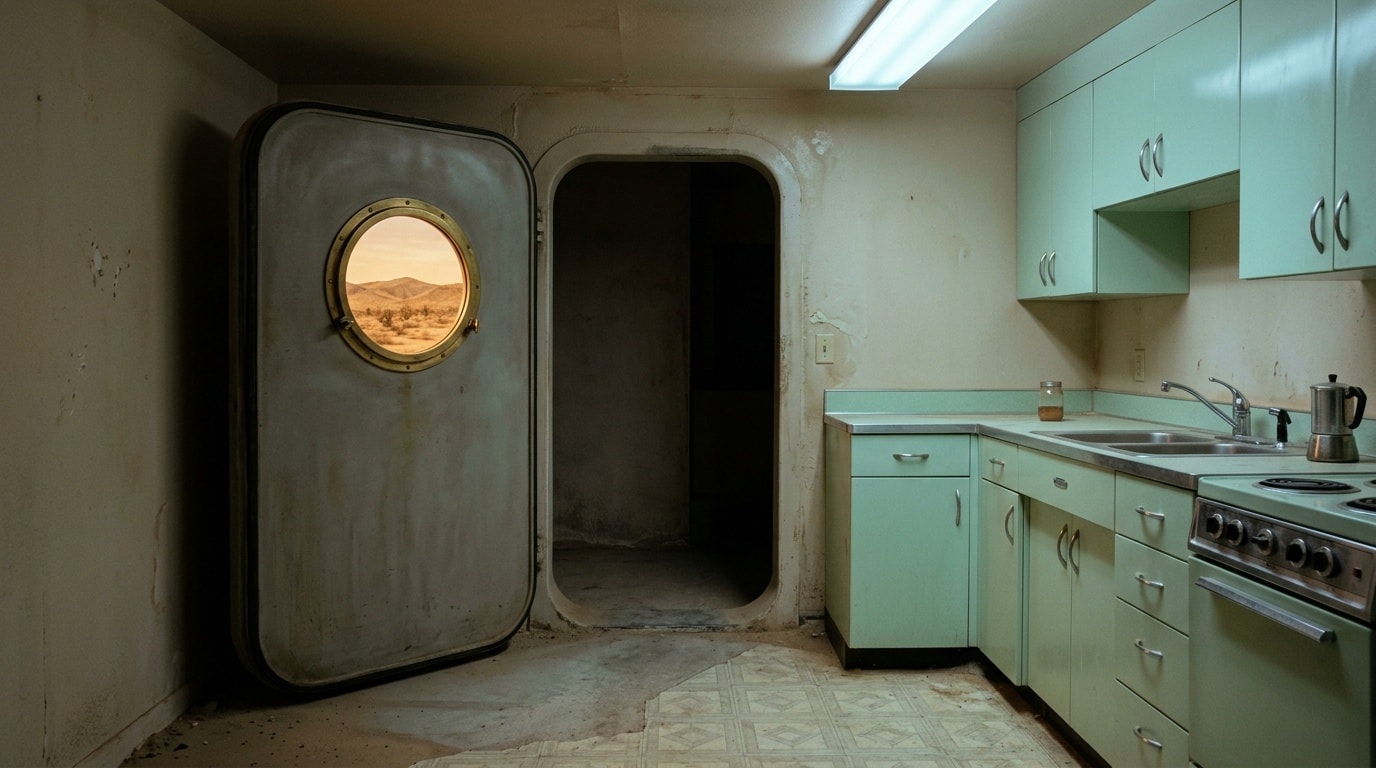
Hank Built the Conditions Under Which Lucy Would Deliver Herself
The simulation room in the Las Vegas management vault is not a generic Vault-Tec facility but a targeted psychological instrument Hank commissioned using his oversight authority — a faithful replica of Vault 33's residential interior built specifically to re-anchor Lucy's identity before she could act on her leverage.
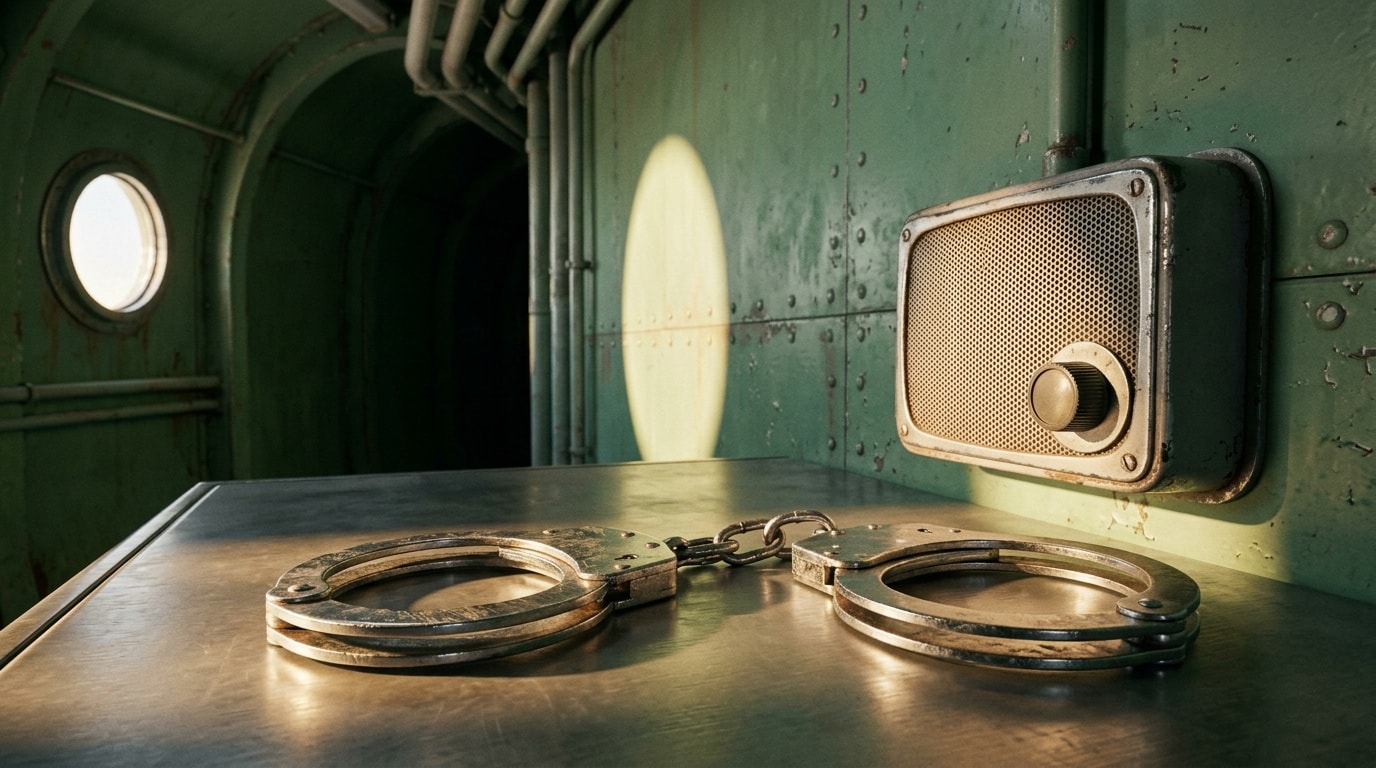
Hank Built the Philosophy Before He Needed the Alibi
Hank's staged surrender is not a man improvising a defense under pressure — it is a man deploying an ideological architecture he constructed in advance of any action that would require justifying.
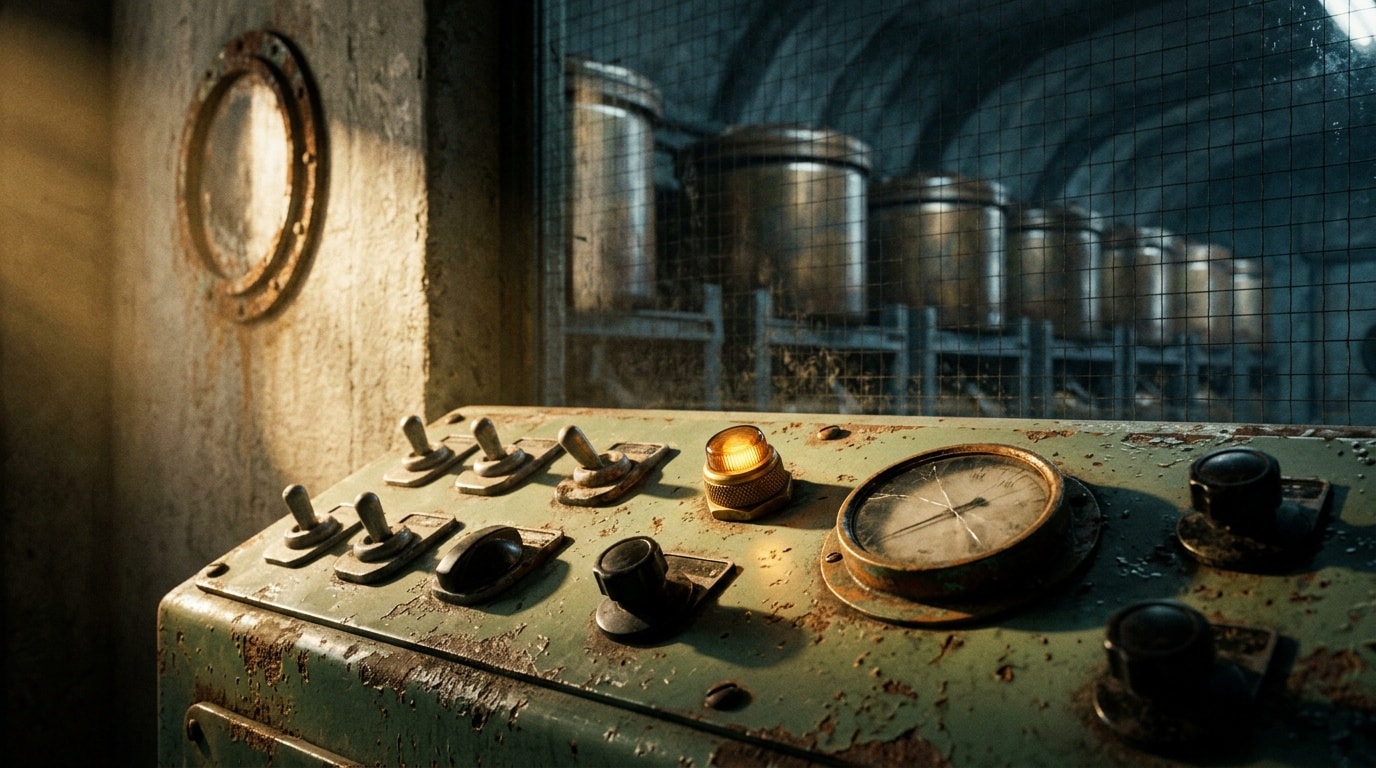
House's Vault-Tec Deal Was a Single System: Cold Fusion as the Key to a Human Control Infrastructure He Left Running
The Vault-Tec meeting was not a negotiation — it was the transfer of two inseparable components of one pre-architected system.
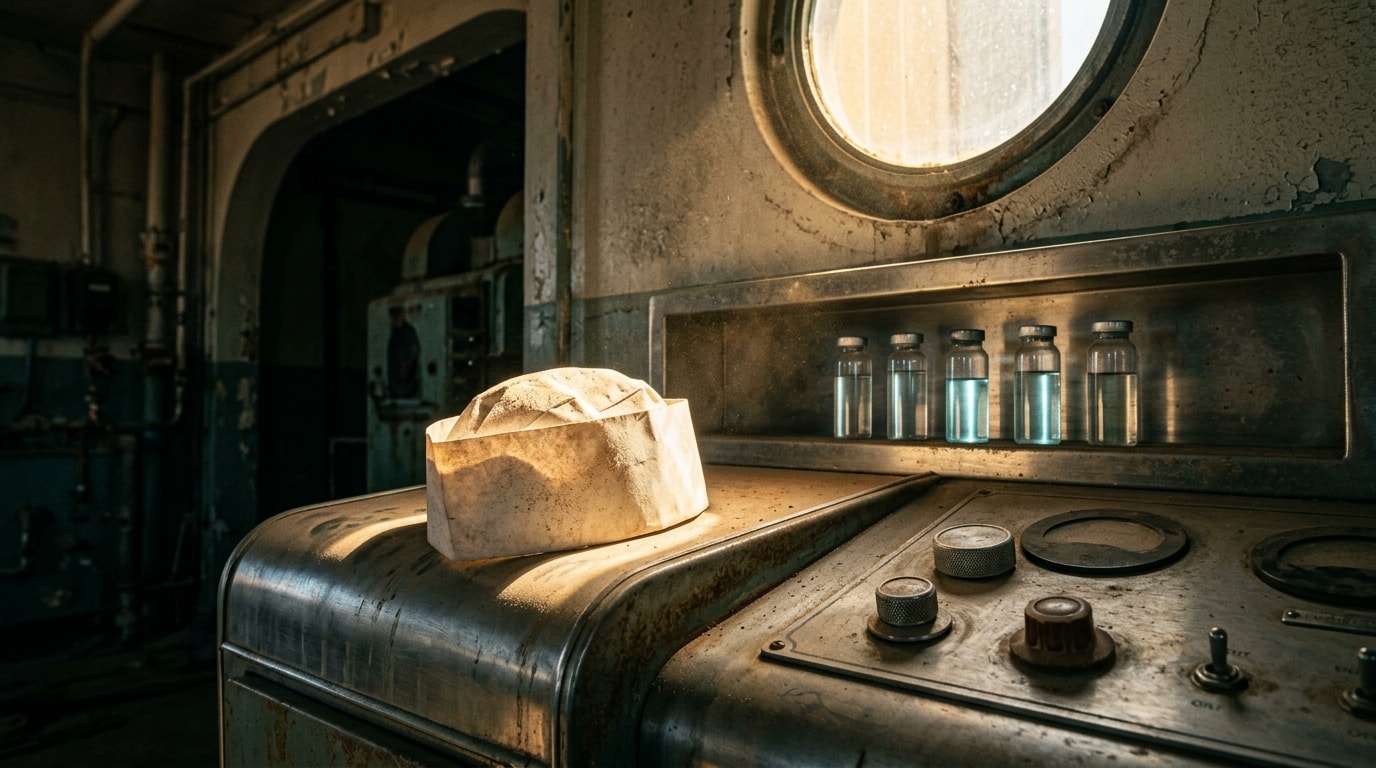
Dogmeat Knows Exactly What She Is Doing
Dogmeat's refusal to retrieve the Ghoul's vials is a strategic substitution: she selected the hat because it would function as a recognition signal to humans capable of solving the larger problem, accepting the Ghoul's feral deterioration as the cost of a longer play.
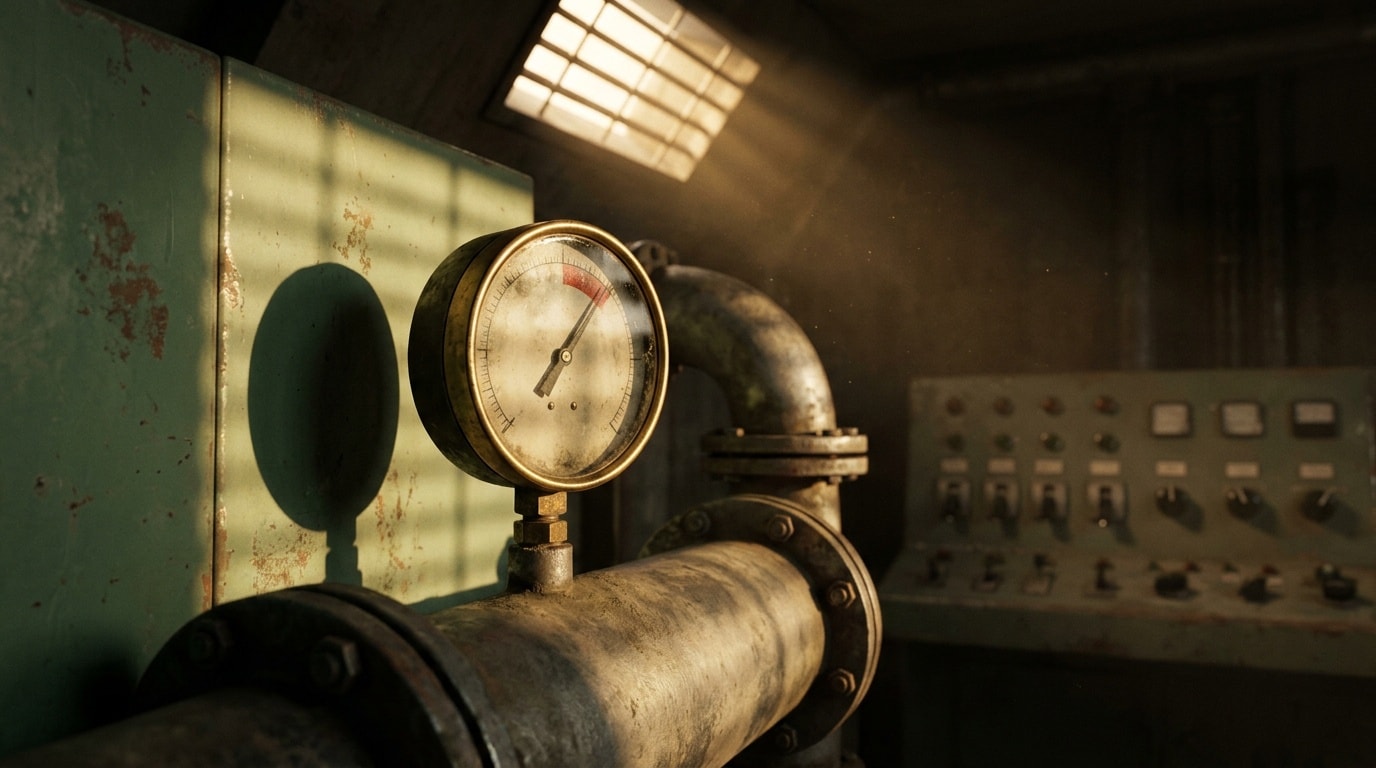
Vault-Tec Chose Which Vaults Would Die of Thirst
The show confirms that Vault-Tec knew which water chips would fail before installation.
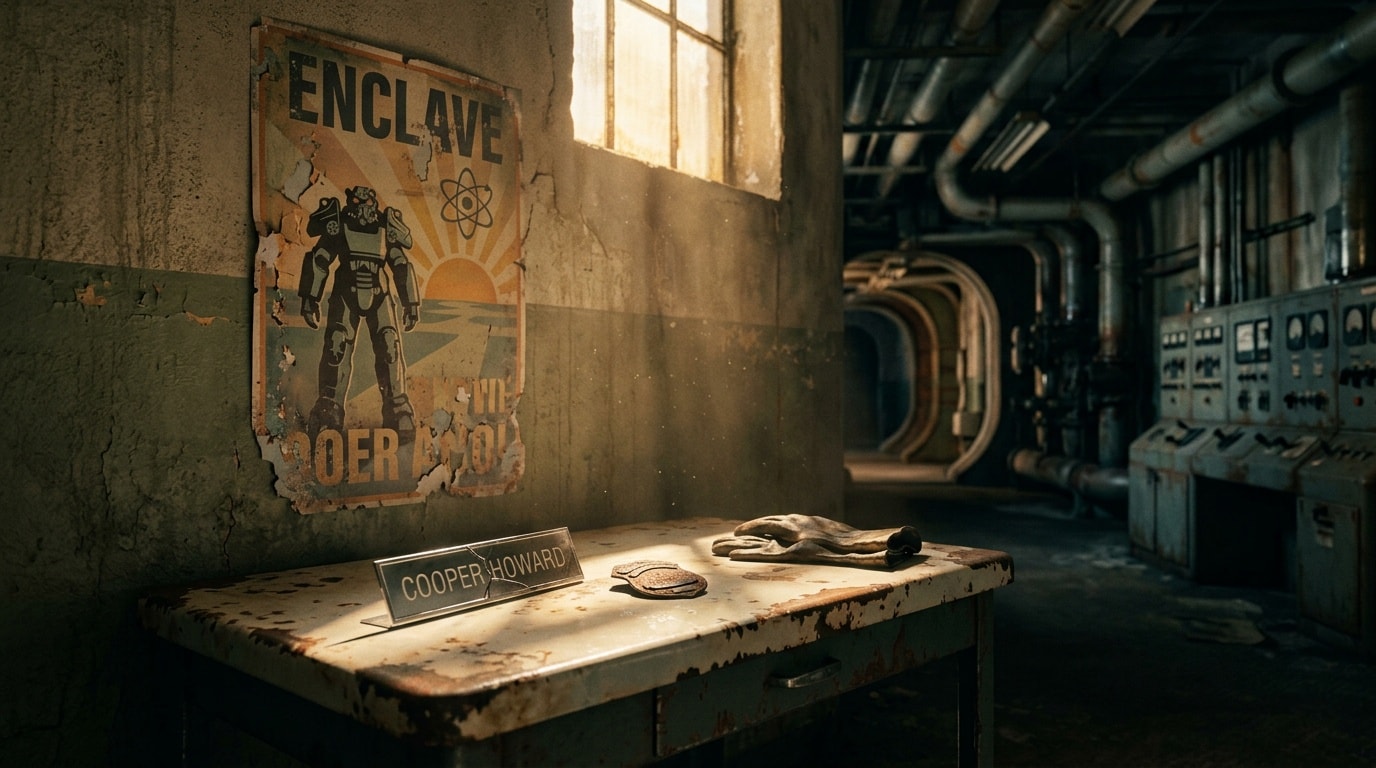
Super Mutants Claim Ghouls as Kindred Enemies
The Super Mutant who pulls the Ghoul from the pole in Freeside is extending a political recruitment: that ghouls and mutants, as shared products of human engineering, constitute a natural alliance with the Enclave as their common enemy.
The Unnamed Super Mutant Is Marcus
The unnamed Super Mutant in Episode 6 is Marcus, and his name is being withheld across every credit and metadata source because confirming it forces the show to honor two games of established lore it has not yet chosen to lock in.
Woody Was Silenced for What He Heard
Woody was removed from Vault 33 not for defiance but for asking a single question, which means the vault's suppression mechanism is calibrated to eliminate awareness before it can spread rather than revolt after it forms.