Two Breaking Points, One Missing Balance
THE THEORY
Carol and Manus have each developed survival strategies that are precise inversions of the other's failure: Carol has started treating collapse as permission while Manus cannot stop honoring obligations the collapsed world has made meaningless, and the show positions their separation as the condition that makes both traps fatal. Their breaking points take opposite forms, their maternal wounds are structurally identical, and the episode frames their failed convergence as the source of their individual crises rather than a consequence. The hardest claim the evidence supports is that Carol's possessiveness over Zosia is not a personality quirk but a private hive logic, and it may be more resistant to Manus's influence than the show's symmetrical framing implies.
How This Theory Works
Carol and Manus are not simply two characters who need each other. They are two characters who have each adopted a survival strategy that is a precise inversion of the other's failure, and the show is arguing that neither strategy is survivable. Carol has begun treating the collapsed world as permission. Manus cannot stop performing obligations the collapsed world has made meaningless. Each posture is a trap, and the episode makes this legible through small choices that carry structural weight.
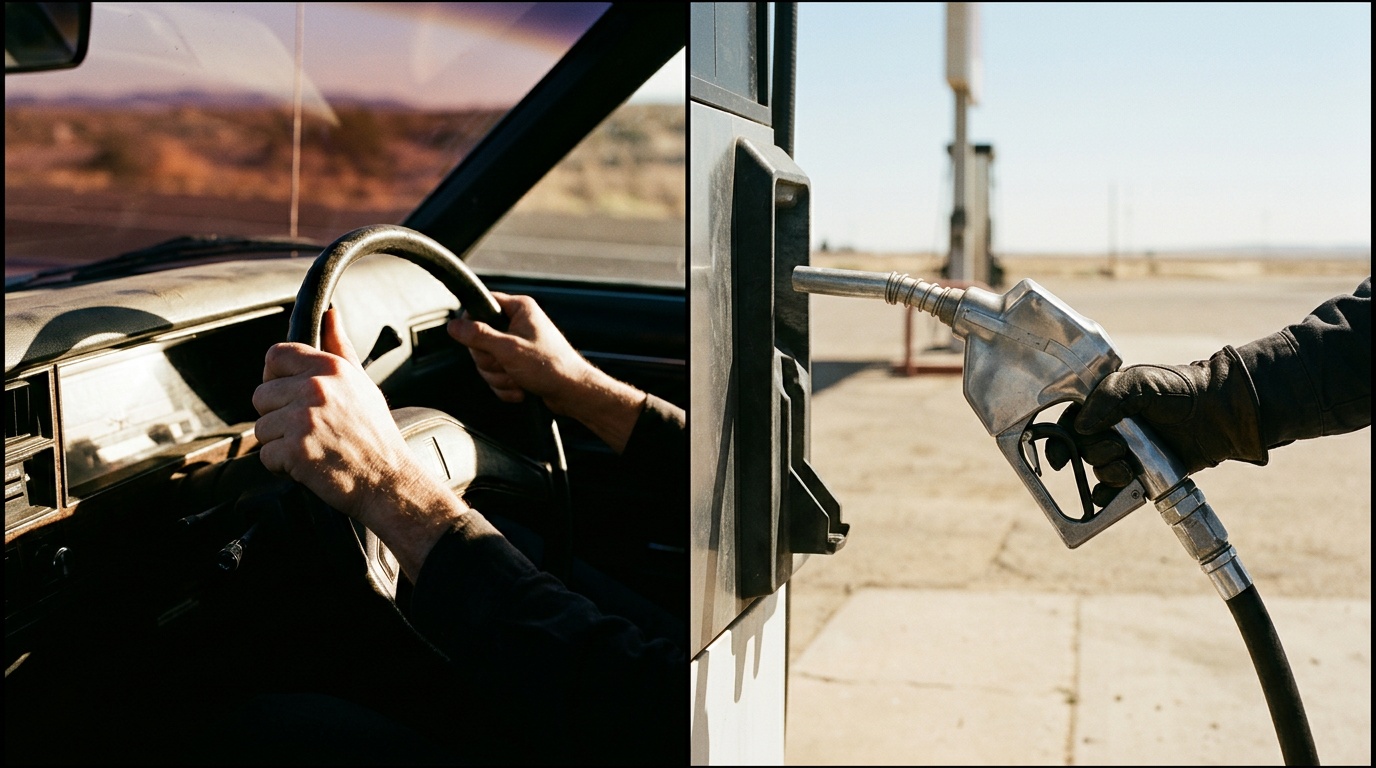
Their moral divergence is most visible in how they handle resources. Carol swaps cars at the golf course without hesitation. Manus leaves money on the cars whose gas he takes while crossing the country. In a world where currency no longer holds meaning, both characters are still enacting a relationship to ownership and obligation. Carol's behavior signals she has started enjoying the perks of a collapsed social order. Manus's signals he cannot stop performing the moral codes of the world that collapsed. Carol risks losing the principled selfhood that originally motivated her. Manus risks paralysis inside a rigid absolutism with no purchase on the actual world.
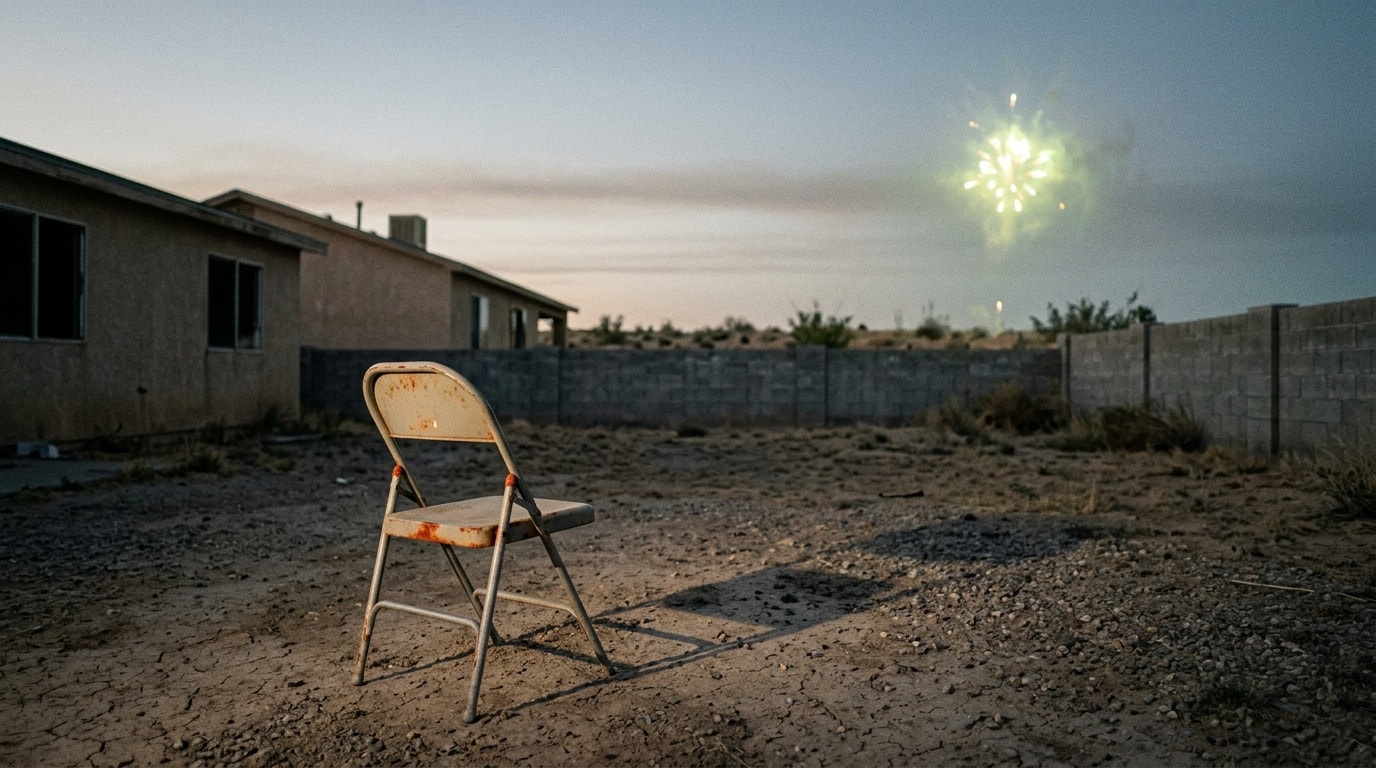
Their breaking points confirm the opposition in form as well as content. Carol's collapse is psychological and quiet, a moment of indifference at the firework that signals something has gone numb. Manus's is physical and brutal, embodied in the Chunga Palm spike. The form of each breaking point reveals what each character has been suppressing. Carol has been absorbing too much emotionally and has hit a wall of exhaustion. Manus has been refusing to absorb anything and has finally been forced into raw physical reality. These are not the same crisis wearing different clothes. They are genuine opposites, which is exactly what makes them structurally complementary.
Their shared maternal trauma deepens this reading and suggests the complementarity is not circumstantial. Carol's mother tried to erase who she was through conversion therapy. Manus carries a deep resentment toward his own mother, a wound the hive tried to exploit by approaching him through her body. Neither character has been allowed to be fully themselves by the people who were supposed to protect them. That shared wound is the ground on which a genuine connection between them might actually hold, because it is the one place where their experiences are not opposites but identical.
The complication the episode introduces but does not resolve is whether Carol's possessiveness over Zosia would allow that connection to form at all. Carol's rage at Manus for speaking to Zosia without her present is not a small character note. It suggests her emotional survival has become organized around controlling access to Zosia, which is its own version of the hive logic she is supposedly resisting: not erasure of self, but consolidation of another person into a closed system. If Manus represents the counterweight Carol needs, he would have to breach exactly that possessive boundary to reach her. The show may be arguing that the real obstacle to their mutual rescue is not the distance between them or the Joined or the collapsed world. It is that Carol has already built a private hive of two, and Manus, with his absolutist moral framework, may be the one person constitutionally incapable of tolerating the compromise that breaching it would require.
Is this theory convincing?
Key Evidence
Car Swap Versus Gas Payment
Carol changes cars at the golf course without hesitation while Manus, traveling across the country, leaves money on the vehicles whose gas he takes, illustrating their diverging moral frameworks in a world where currency no longer holds meaning.
Firework Versus Chunga Palm
Carol's breaking point is psychological and silent, expressed as indifference at the firework, while Manus's is physical and brutal, embodied in the Chunga Palm spike, making their collapses mirror opposites in form.
Parallel Failed Connection Attempts
The episode shows a montage of Manus traveling to reach Carol and failing, while simultaneously Carol attempts to go it alone and also fails, structuring their separation as a shared wound rather than individual circumstance.
Three Poisons, No Safe Path
The episode presents Carol's isolation and loneliness, Manus's rigid moral absolutism, and the Joined's erasure of individuality as three equally dangerous options, positioning Carol and Manus as each other's only viable counterweight.
Shared Maternal Trauma
Carol's mother sent her to conversion therapy at sixteen to erase who she was, while Manus deeply resents his own mother and rejected the hive when it approached him using her body, linking both characters through a refusal to be remade by those who claimed authority over them.
Carol's Possessiveness Over Zosia
Carol becomes enraged when Manus speaks to Zosia without her present, demanding to know what he told her and forcing Zosia to leave the house, suggesting her emotional dependence on Zosia may make genuine collaboration with Manus difficult.
Carol's Shifting Moral Calculus
Carol's willingness to enjoy the perks of a collapsed world, even while still committed to saving it, introduces a gap in her moral consistency that could undermine the trust Manus would need to place in her as a partner.
Other Theories for S1E07
Principled Defiance That Defeats Itself
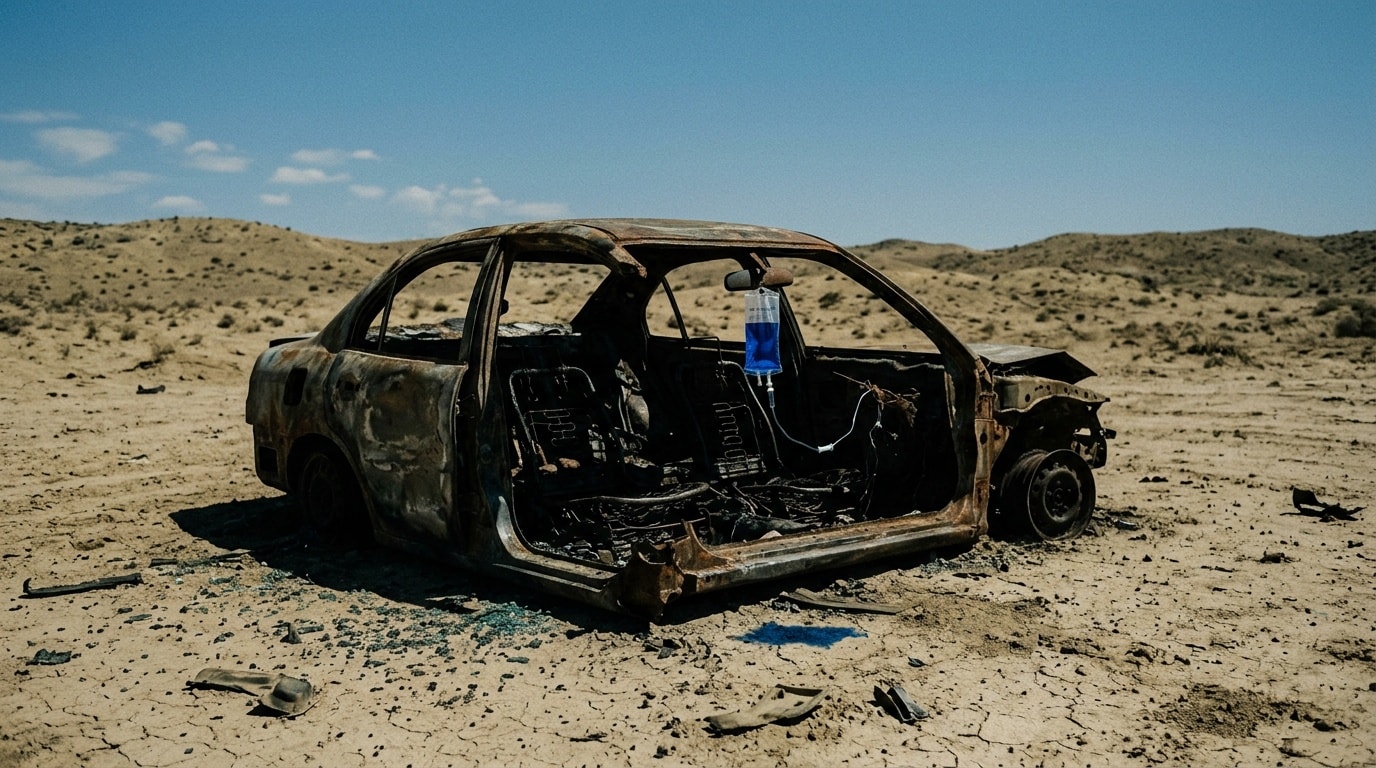
Manousos refuses every form of hive assistance on ideological grounds, insisting that nothing the hive possesses on Earth is rightfully theirs.
The Hive's Most Elegant Trap Is Carol's Own Need
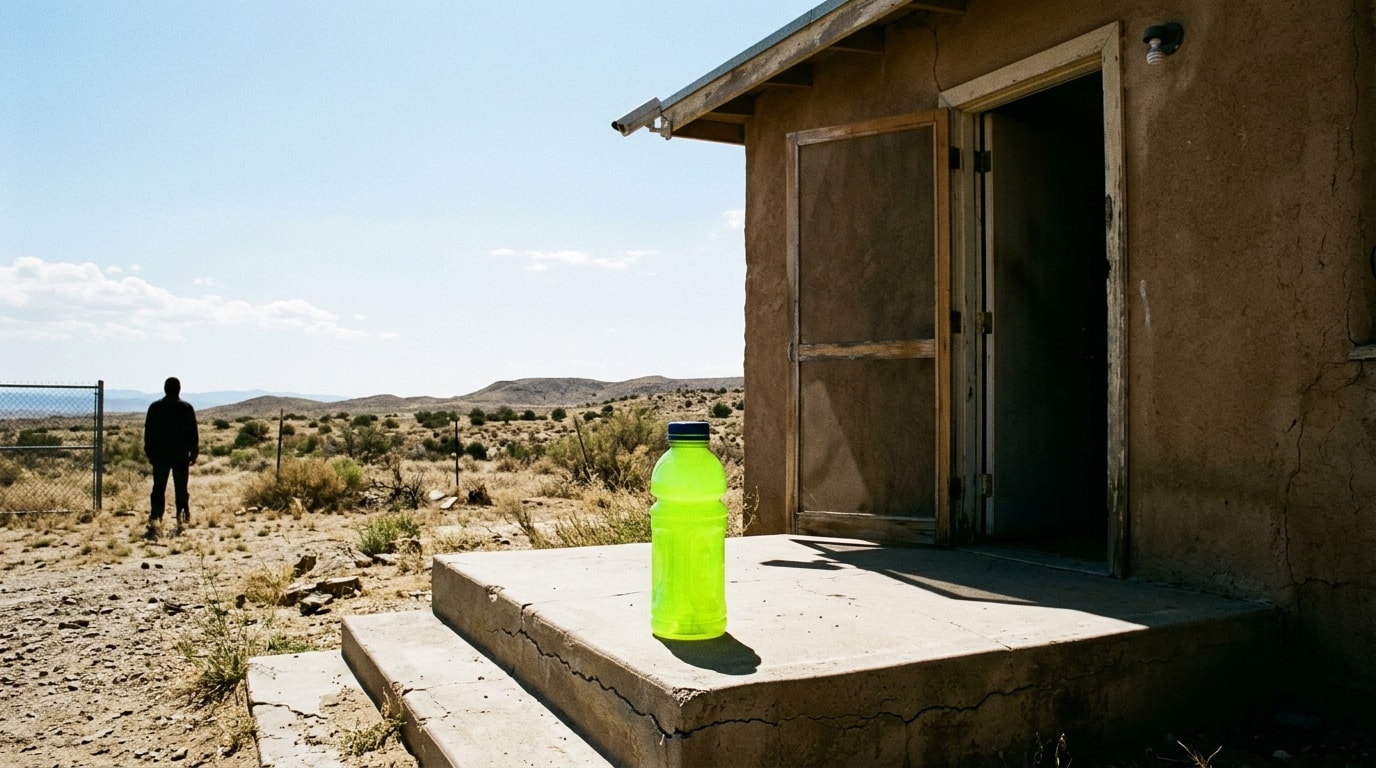
Carol's resistance to the hive was never undermined from outside.
Manus Burns Everything to Commit Forward
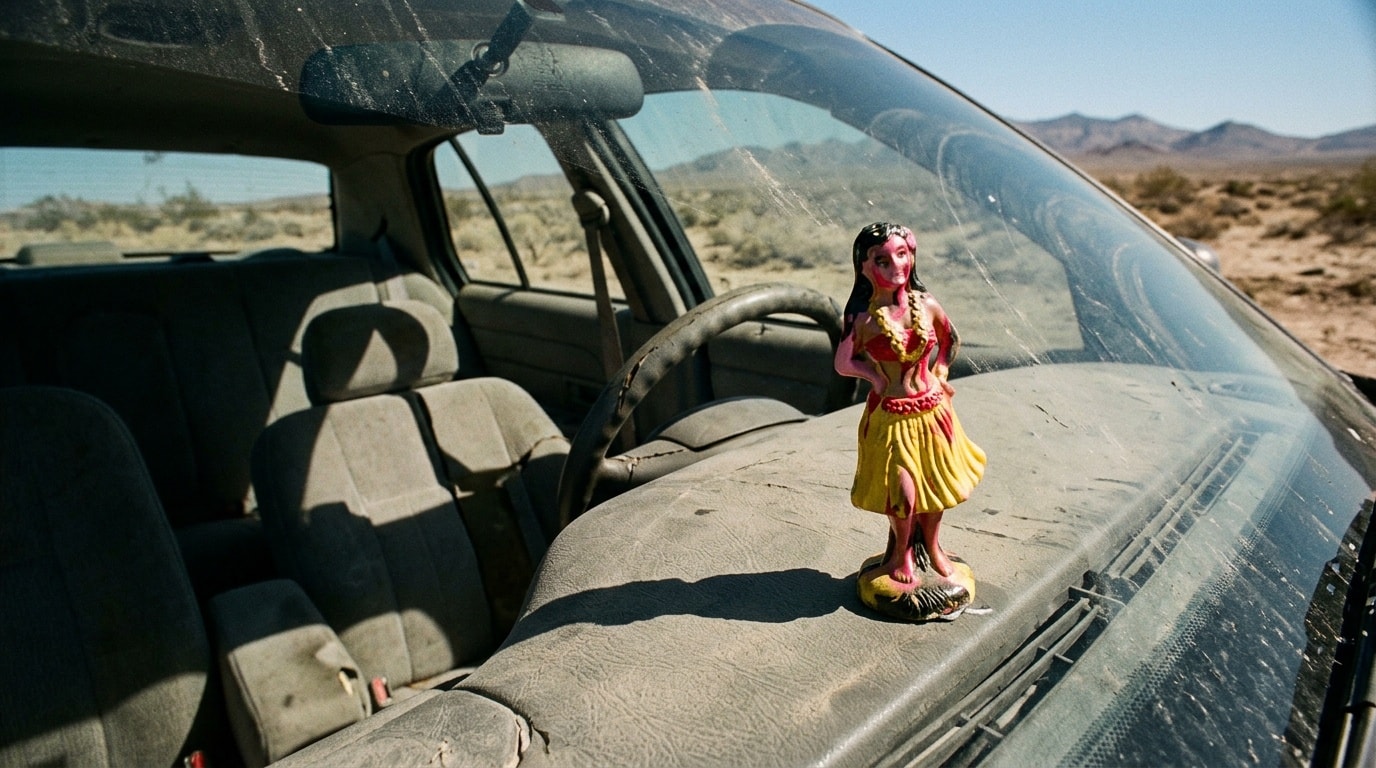
The burning at the Darien Gap is not renunciation Manus stumbles into.
Carol's Resistance Is the System's Most Elegant Product
Every act of defiance Carol performs is conducted inside the infrastructure she performs contempt for, making her resistance not an exception to the system's logic but its most sophisticated expression.
Carol's Frozen Eggs as a Consent Loophole
The Joined have already circumvented Carol's refusal to consent to conversion by identifying her frozen eggs as a source of stem cells that requires no extraction from a living person, rendering the consent framework the show treats as a moral boundary structurally inapplicable to their actual method.
Carol Joins the Pack, Leaves Civilization
Carol's animal encounters across these episodes are the show's argument that civilization can be consciously and methodically abandoned, not simply lost.