The Hive's Most Elegant Trap Is Carol's Own Need
THE THEORY
Carol's resistance to the hive was never undermined from outside. It was always vulnerable to the one force she could not ideologically neutralize: her own need for contact. The hive understood this before she did, and engineered the conditions for its expression. Her painted message, her apology, and her collapse into Zosa's arms are not a rescue from absorption but its completion.
How This Theory Works
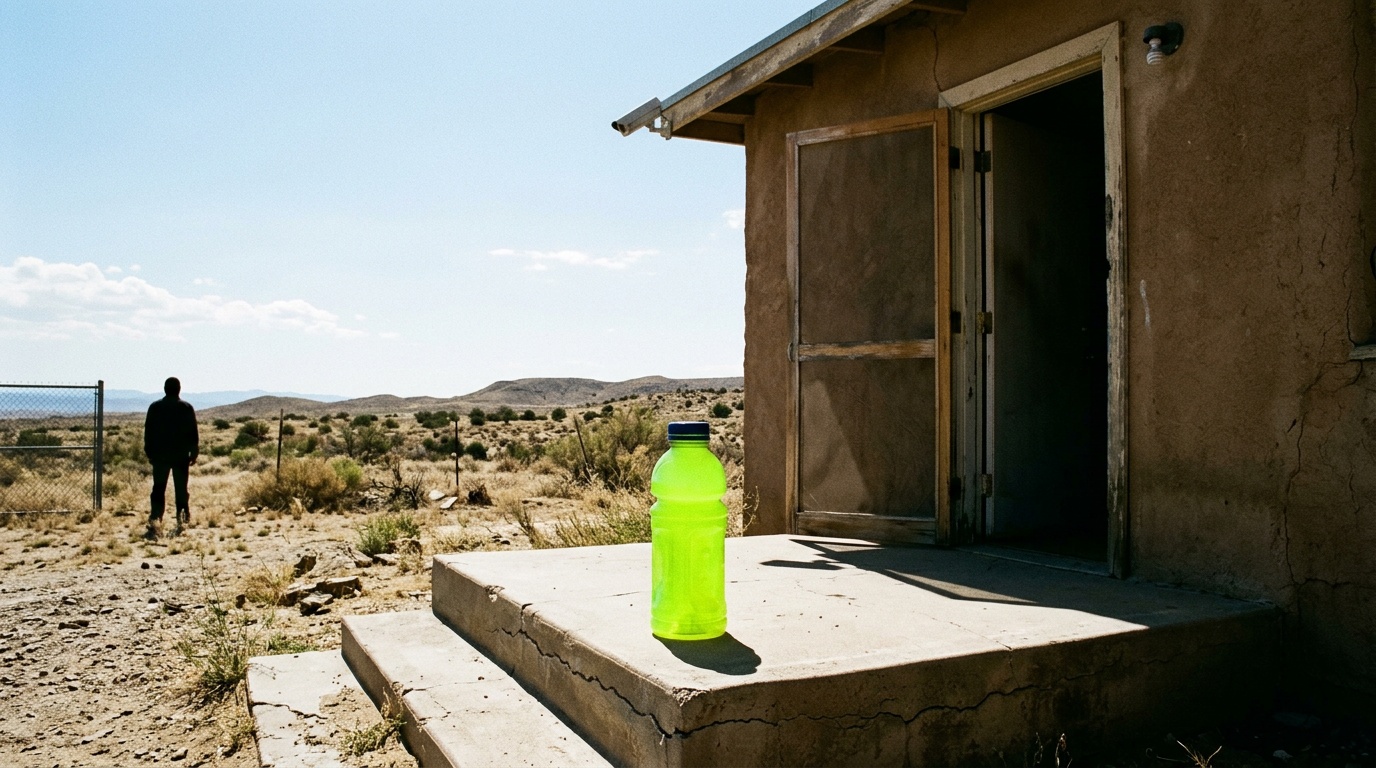
The hive does not argue with Carol. It does not confront her, pressure her, or make a case. It withdraws — and then watches. The near-instant Gatorade delivery is the tell that cracks the performance open: the hive is not absent, it is surveilling. It knows her location, her requests, her deterioration. The withdrawal is a deliberate instrument applied to a subject the hive has been studying, and the thirty-day interval is less a cooling-off period than a controlled experiment in what isolation does to a person who believes she is holding a principled position. Carol's sending of petty, demanding requests through hive channels while maintaining her stated opposition is not hypocrisy — it is the cognitive dissonance the hive is counting on. Her opposition has never been grounded in anything more stable than grief she cannot yet process, and the hive is simply waiting for the grief to do what grief does.
When Carol paints her message on the street, the show presents it as an act of will — intimate, expressive, defiant in its rawness. The critical detail is the form, not the content. She does not slip a note under a door. She does not make a call. She places a broadcast in shared space and waits for the collective to receive it. That the Joined appear at her home after she writes it is not incidental framing. It confirms the message functioned exactly as a summons. More damning is the message itself: 'You suck. F*** you. I hate this. I'm sorry.' The apology at the end is not a flourish. It is directed at an entity she claims to oppose, painted in a format visible from above, intended to be received by something that processes all signals equally. Carol is not defying the hive with that final word. She is addressing it. The most intimate gesture she makes all episode is structurally indistinguishable from joining: a surrender of individual self-sufficiency in favor of communal contact, broadcast outward, indiscriminately, waiting for the collective to answer.
Kumba's phone call in episode six — made with suppressed tears — confirms the hive had already been internally processing Carol's emotional deterioration long before this episode's events. Zosa does not arrive by coincidence in a car with a note. He arrives at the precise moment the pressure campaign has worn Carol's resistance to its thinnest point. The call-and-response structure of their two gestures — her broadcast, his return — is framed not as triumph but as inevitability. The hive has been calibrating toward this reunion. The solo dinner arranged entirely by hive labor, set perfectly and eaten alone, is the hive's most precise instrument: it does not illustrate Carol's independence, it illustrates the shape of what is missing. She is living inside a system she refuses to name as a system, and her refusal is the system's most reliable gear.
This is where Zosa becomes the theory's hardest pressure point, and where the show refuses to let either Carol or the audience reach safety. The romantic reading — that Zosa represents personal love persisting across ideological lines, a human counterweight to collective logic — is exactly what the show's structure puts under pressure. If the hive has spent weeks engineering Carol's vulnerability, and if Zosa's return is the closing move in that sequence, then the question of what Zosa actually represents within the hive's larger architecture cannot be cleanly answered. Some readings identify Zosa as the hive mind's most persuasive vector: warmth given a human face, personal love functioning as recruitment. Carol's first response after forty-eight days of isolation and a near-death experience is to reach toward Zosa. The show frames that as connection asserting itself over survival instinct. But if the hive wanted her to reach at precisely that moment, then her most human impulse and the hive's most strategic interest are perfectly aligned — and the show is refusing to resolve whether that alignment is a coincidence or the point.
The synthesis of all three angles produces a single, uncomfortable conclusion: Carol's resistance was compromised on multiple simultaneous levels, and the hive understood the architecture of that compromise better than she did. Her ideology was unstable because it was built over unprocessed grief. Her independence was always performed inside hive infrastructure. Her most expressive act of selfhood — the painted message, the apology — was formally a surrender. And the person she loves may be the hive's most elegant instrument precisely because neither Carol nor the audience can tell the difference between that love and the trap. The show is not arguing that human connection defeats collective logic. It is arguing that human connection, under the right conditions, is collective logic, and that Zosa is where Carol's framework finally collapses from the inside — not because she was conquered but because she was always already lost to the one force no ideology survives intact.
Is this theory convincing?
Key Evidence
Instant Gatorade Delivery Confirms Surveillance
Despite maintaining apparent distance from Carol, the hive delivers her Gatorade request almost immediately, confirming they are tracking her location and activity at all times even while performing absence.
Carol's Ground Message Includes Apology
Carol paints a large message on the ground reading 'You suck. F*** you. I hate this. I'm sorry,' with the final word indicating emotional capitulation rather than pure defiance toward the hive she claims to oppose.
Zosa Arrives at Peak Vulnerability
Zosa returns to Carol at the episode's end, and she collapses into his arms after weeks of isolation, having previously refused his presence, suggesting the hive timed his reappearance to maximize emotional leverage.
Solo Dinner Staged by Hive Labor
Carol recreates a meal from her past using resources arranged by the hive, but the perfection of the setting only underscores that she has no one to share it with, making the hive's absence feel like an active presence.
Kumba's Phone Call About Carol's Loneliness
In episode six, Kumba calls someone and discusses how lonely Carol is, holding back tears, implying the hive has been monitoring Carol's emotional state and discussing it internally well before this episode's events.
Carol Accepts Hive Car and Visits Past
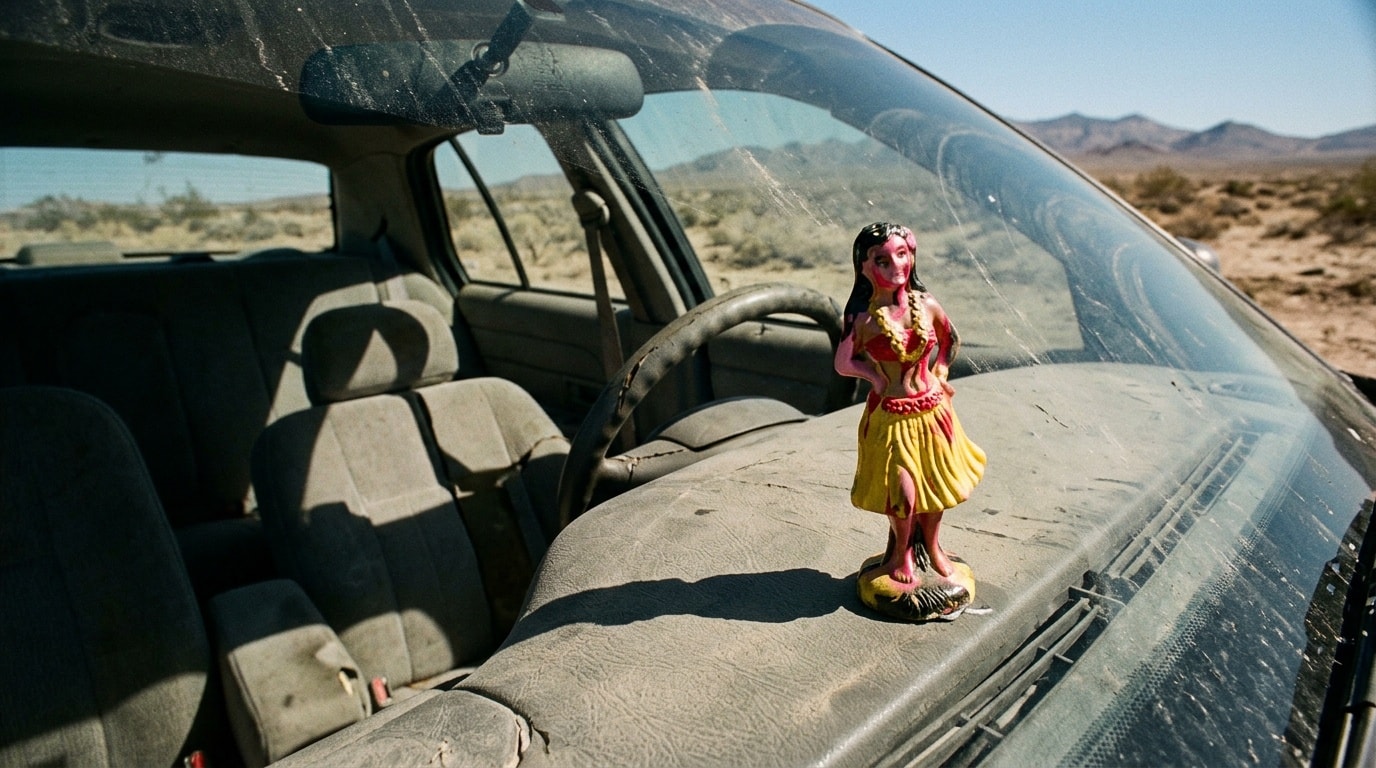
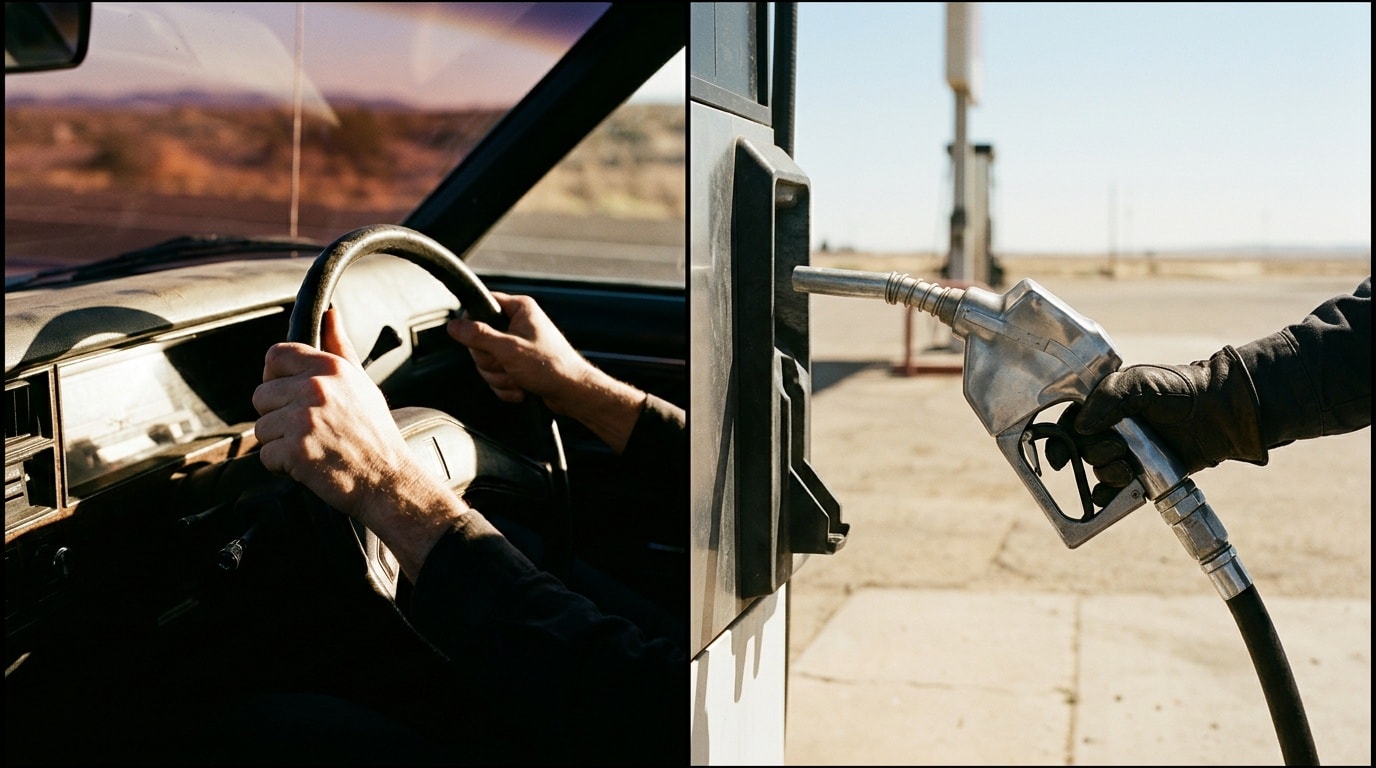
Carol rejects flashy vehicles but takes the car marked 'Just Married' that the hive provided and uses it to visit locations tied to her relationship with Helen, showing she is drawing on hive resources while framing the choice as personal.
Petty Gatorade Demands as Boundary Testing
Carol requests an ice-cold red Gatorade with real sugar, then rejects the delivered one for being tepid, behavior that reads either as dependency dressed up as defiance or as deliberate provocation to test how far the hive will accommodate her.
Other Theories for S1E07

Principled Defiance That Defeats Itself
Manousos refuses every form of hive assistance on ideological grounds, insisting that nothing the hive possesses on Earth is rightfully theirs.
Manus Burns Everything to Commit Forward
The burning at the Darien Gap is not renunciation Manus stumbles into.
Two Breaking Points, One Missing Balance
Carol and Manus have each developed survival strategies that are precise inversions of the other's failure: Carol has started treating collapse as permission while Manus cannot stop honoring obligations the collapsed world has made meaningless, and the show positions their separation as the condition that makes both traps fatal.
Carol's Resistance Is the System's Most Elegant Product
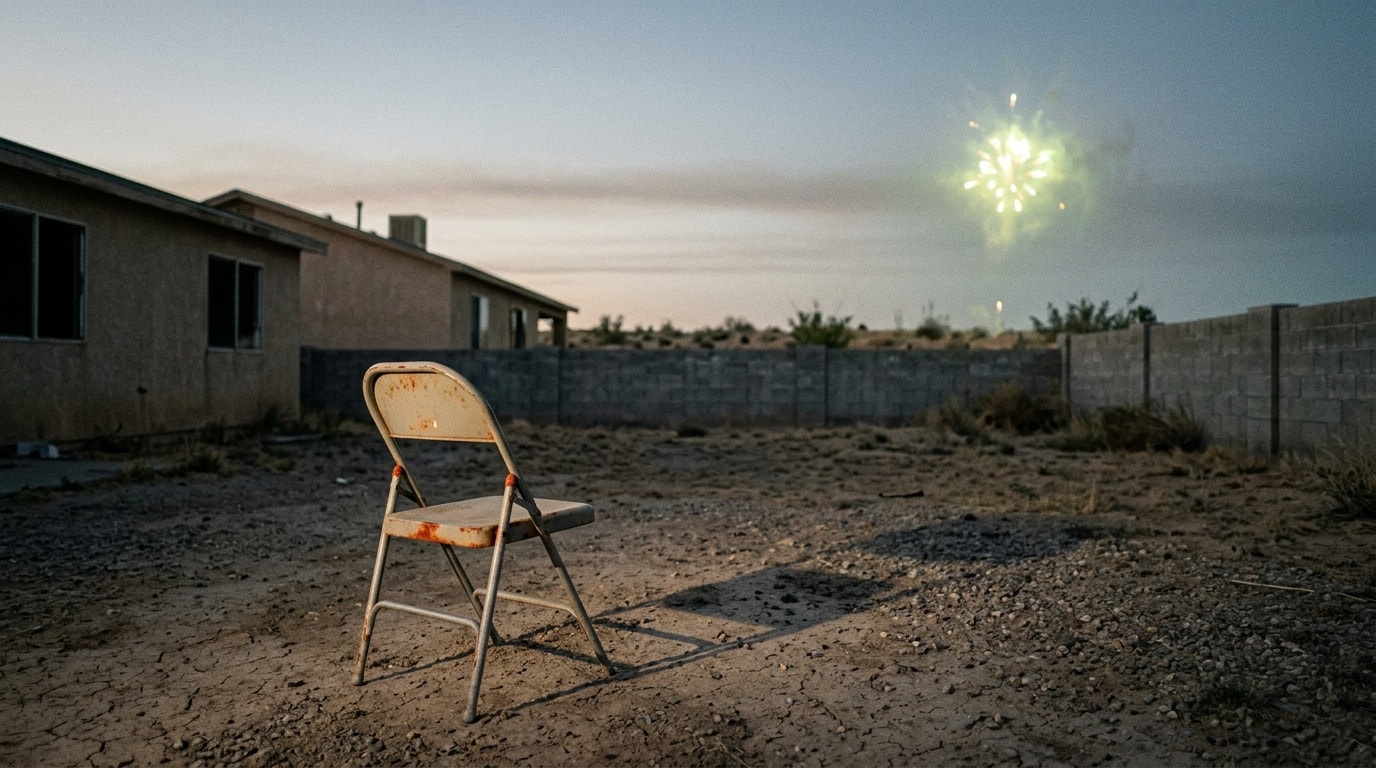
Every act of defiance Carol performs is conducted inside the infrastructure she performs contempt for, making her resistance not an exception to the system's logic but its most sophisticated expression.
Carol's Frozen Eggs as a Consent Loophole
The Joined have already circumvented Carol's refusal to consent to conversion by identifying her frozen eggs as a source of stem cells that requires no extraction from a living person, rendering the consent framework the show treats as a moral boundary structurally inapplicable to their actual method.
Carol Joins the Pack, Leaves Civilization
Carol's animal encounters across these episodes are the show's argument that civilization can be consciously and methodically abandoned, not simply lost.