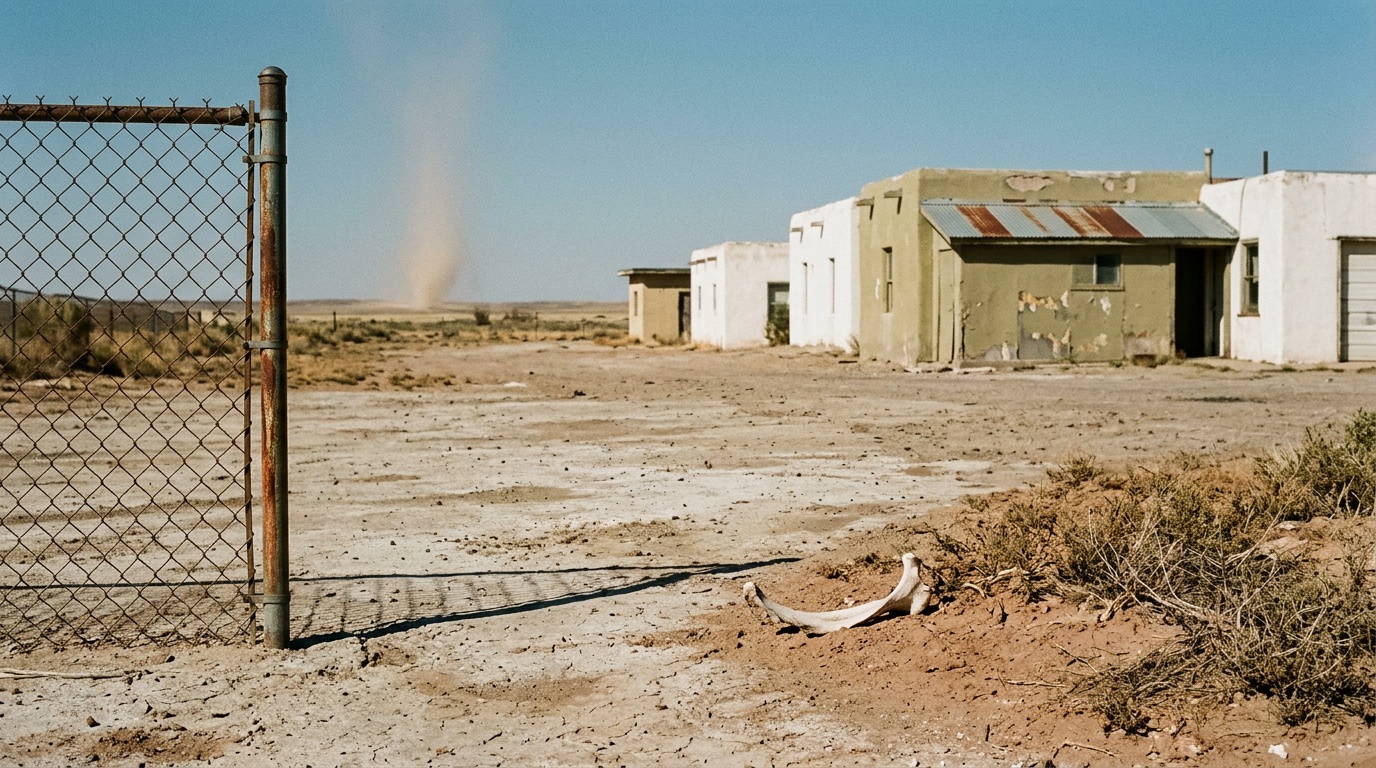
Carol Joins the Pack, Leaves Civilization
THE THEORY
Carol's animal encounters across these episodes are the show's argument that civilization can be consciously and methodically abandoned, not simply lost. Her progression from fear to kinship with coyotes, and from dread to contempt for wolves already associated with death, traces not a collapse but a deliberate defection. The fireworks-to-howl sequence is the ritual by which she completes it, using civilization's symbols one final time before stepping past them.
How This Theory Works
Carol is not unraveling. She is defecting. The show's use of predatory animal imagery across these episodes constructs an argument about civilization as something a person can consciously exit, and Carol is the demonstration case.
The coyote howl is the theory's load-bearing moment, but the weight it carries is not simply that Carol has changed. The behavioral reversal from fear to identification is the show's way of marking a threshold crossing as a completed act. Fear once indicated that Carol recognized the boundary between herself and the wild as something worth defending. Joining the howl means she no longer does. The show is not depicting grief transforming into madness. It is depicting a person who has evaluated civilization's offer and declined it.
The wolves carry a different weight. Their prior association with Helen's corpse binds them to death and to the erosion of boundaries between order and rot. Carol's shift toward mockery rather than dread in their presence does not read as numbness or trauma response. It reads as familiarity. She no longer respects the threat they represent because she has internalized the logic they embody. The wolves are not a danger to her anymore because she has already moved to their side of the line.
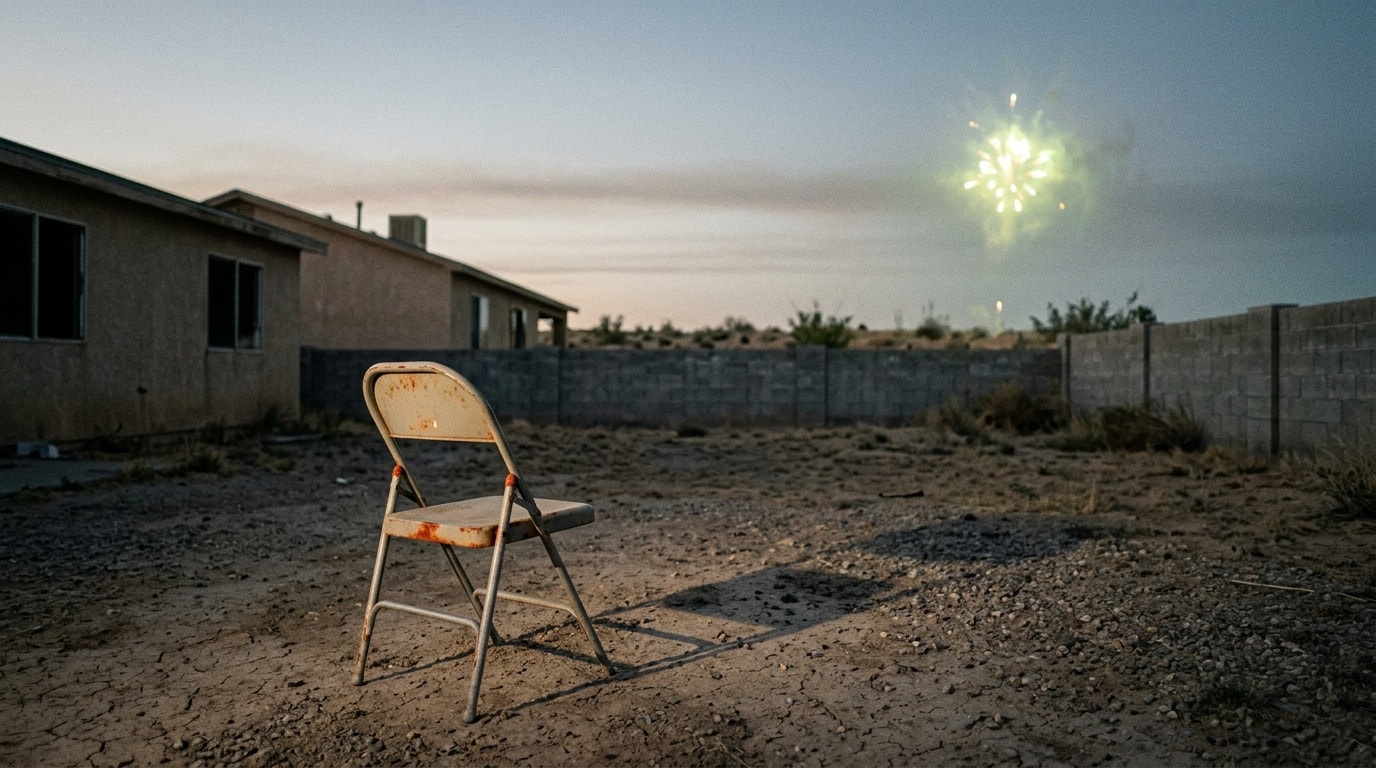
The fireworks-to-howl sequence is where the show's argument becomes most uncomfortable. Carol uses a human artifact designed for communal celebration as a ritual launchpad, then discards the human response entirely. The howl that follows is not a loss of control. It is the correct next step in a sequence she is running. That framing makes her arc more disturbing than decline would be, because it insists on her agency. The show is arguing that leaving civilization is not something that happens to a person through suffering. It is something a person can choose, execute methodically, and complete.
Is this theory convincing?
Key Evidence
Carol Howls With the Coyotes
After setting off fireworks, Carol hears coyotes howling and joins in rather than retreating in fear as she had in a previous episode, a direct behavioral reversal the theory reads as symbolic alignment with the wild.
Fear Replaced by Identification
The contrast between Carol's fearful reaction to coyotes in an earlier episode and her willingness to join their howl here is treated as a measurable psychological shift rather than a casual detail.
Wolves Linked to Helen's Corpse
The wolves were previously seen digging up Helen's body, associating them with death and decay before they re-enter Carol's story as objects of her mockery.
Mocking the Wolves
Rather than showing fear or revulsion toward the wolves tied to death imagery, Carol's attitude has shifted to something dismissive, which the theory reads as her having internalized rather than resisted the primal logic they represent.
Wolves as Isolation Metaphor
The wolves function as a recurring symbol for Carol's growing isolation and loss, their association with Helen's corpse reinforcing the connection between Carol's solitude and death.
Civilization Rejected Through Ritual
The fireworks followed by the howl construct a small ritual sequence in which Carol uses a human artifact and then abandons human response entirely, framing her arc as an active surrender rather than a passive decline.
Other Theories for S1E07
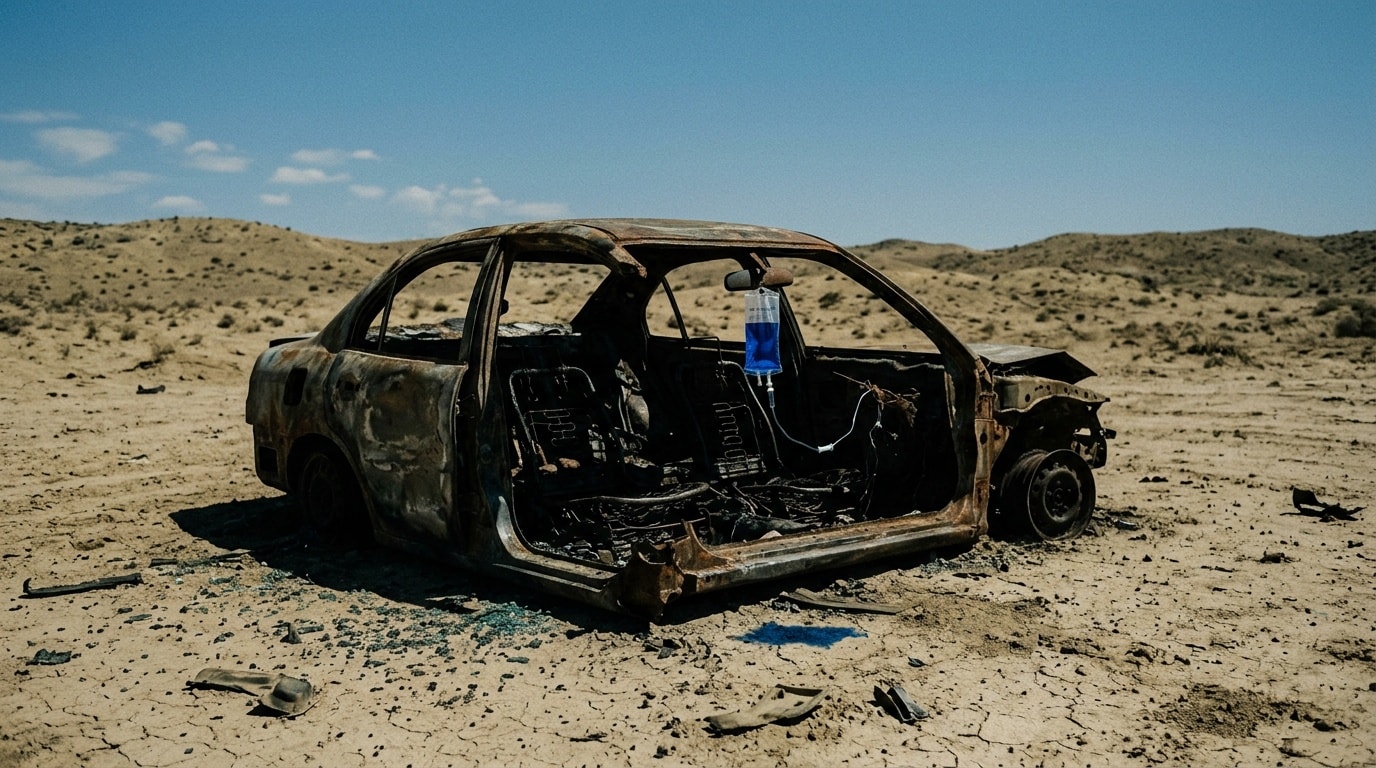
Principled Defiance That Defeats Itself
Manousos refuses every form of hive assistance on ideological grounds, insisting that nothing the hive possesses on Earth is rightfully theirs.
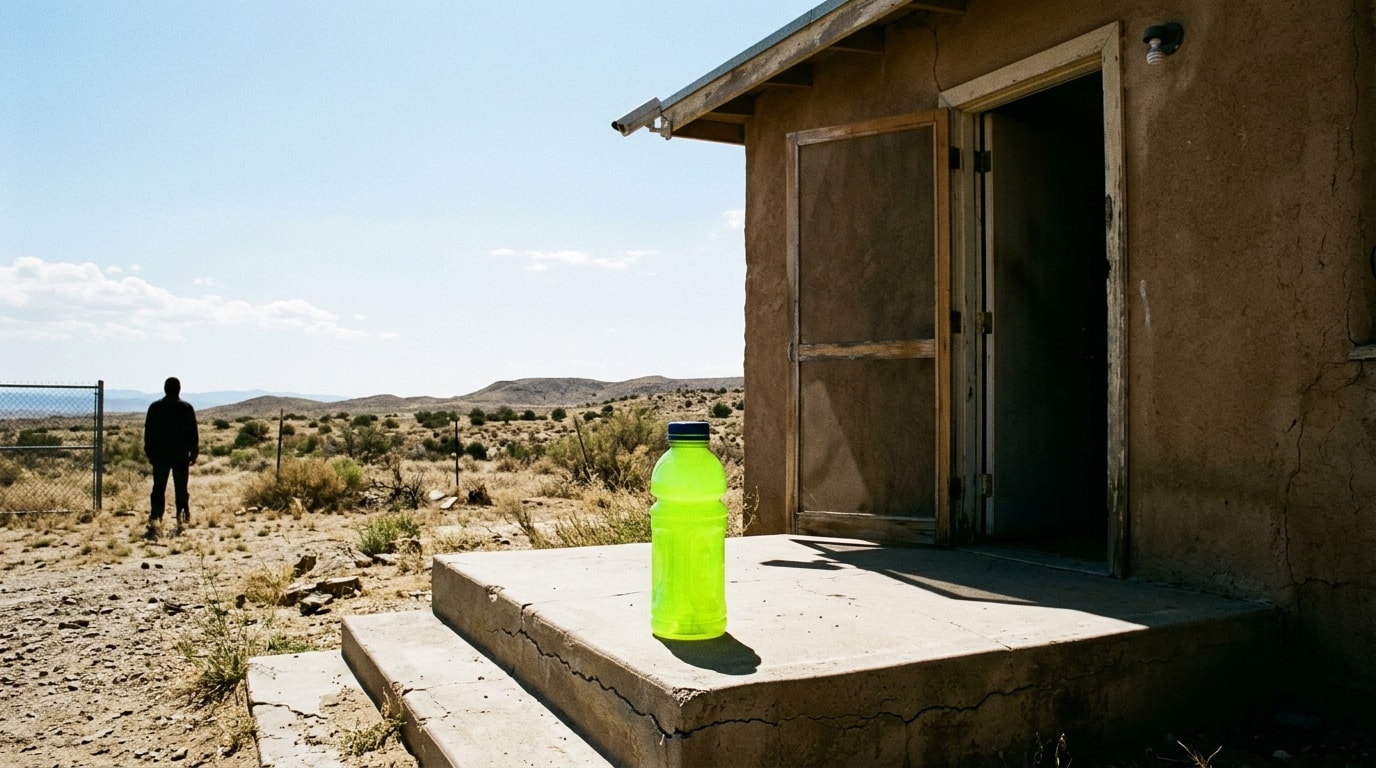
The Hive's Most Elegant Trap Is Carol's Own Need
Carol's resistance to the hive was never undermined from outside.
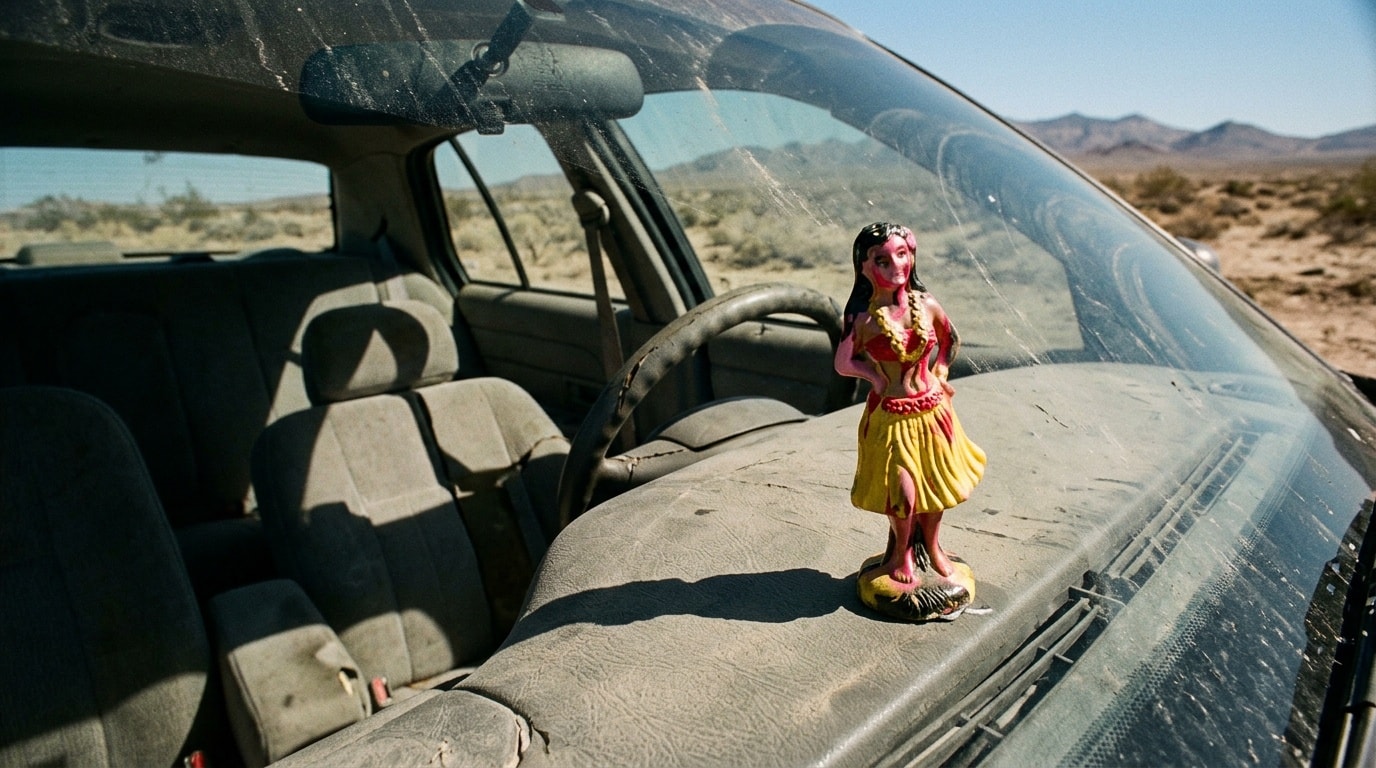
Manus Burns Everything to Commit Forward
The burning at the Darien Gap is not renunciation Manus stumbles into.
Two Breaking Points, One Missing Balance
Carol and Manus have each developed survival strategies that are precise inversions of the other's failure: Carol has started treating collapse as permission while Manus cannot stop honoring obligations the collapsed world has made meaningless, and the show positions their separation as the condition that makes both traps fatal.
Carol's Resistance Is the System's Most Elegant Product
Every act of defiance Carol performs is conducted inside the infrastructure she performs contempt for, making her resistance not an exception to the system's logic but its most sophisticated expression.
Carol's Frozen Eggs as a Consent Loophole
The Joined have already circumvented Carol's refusal to consent to conversion by identifying her frozen eggs as a source of stem cells that requires no extraction from a living person, rendering the consent framework the show treats as a moral boundary structurally inapplicable to their actual method.