Tabitha's Fate Is Worse Than Murder
THE THEORY
Tabitha's fate across cycles is worse than Jade's because it may deny her the release that even repeated murder provides. Young Jade confirms the distinction explicitly but refuses to elaborate, and the show's framing of Tabitha's recovered memories and doll connections suggests her continuity across cycles is greater than Jade's. The implication is not that she suffers more at death but that she may not be permitted to die.
How This Theory Works
Tabitha's fate across cycles is worse than Jade's not because she suffers more at the moment of death, but because she may never reach death at all. Young Jade states this distinction plainly and then withholds the specifics, and that withholding is itself informative. If Tabitha were simply killed in the same way, the show would have no reason to distinguish her fate.
Jade's cycle follows a recognizable arc: discovery, blame, hatred, murder. What could exceed that? The most direct interpretation is not a more violent death but the absence of one. If Tabitha's entanglement with the Township is deeper and more structural than Jade's, her fate may be that she is kept rather than killed. Her involuntary flashes of the dolls' faces and her access to suppressed memories others cannot reach suggest she retains something across cycles that Jade does not. That retention is not an advantage. It is the wound.
If her continuity of memory across resets is the mechanism of her worse fate, then she does not simply die and forget. She accumulates. Each cycle adds to what she carries rather than erasing it. That is not a fate that exceeds murder in degree. It exceeds it in kind. Jade is destroyed repeatedly by people who once loved him. Tabitha may be preserved by the same process, which is the more unbearable architecture.
Is this theory convincing?
Key Evidence
Young Jade's warning about Tabitha
Young Jade tells adult Jade that once the townspeople realize what Jade is, they blame, hate, and kill him, and then adds that it is even worse for Tabitha, without elaborating.
Jade's cycle confirmed as murder
Young Jade helps Jade realize that none of his past lives were killed by the Creatures but were instead murdered by the people in Town, establishing the baseline that Tabitha's fate supposedly exceeds.
Tabitha's unbidden childhood memory flashes
Tabitha begins experiencing involuntary flashes of the dolls' faces during this episode, suggesting she has a deeper or more persistent connection to the Township's history than other characters.
Young Jade's refusal to explain
When Jade asks Young Jade how he can stop the cycle, Young Jade only looks back at him sadly, suggesting the answer to Tabitha's worse fate is known but deliberately withheld from Jade.
Baseline of repeated murder framed as insufficient
The rhetorical weight of Young Jade's statement implies that being killed over and over by people who love you is not the worst thing that can happen inside this cycle, leaving Tabitha's specific fate undefined and worse.
Other Theories for S4E05
Townspeople, Not Creatures, Are the Killers
The townspeople, not the creatures, are the killers in every cycle, and the Township's controlling force has structured this outcome deliberately, using community fear as the mechanism that eliminates Jade each time he approaches understanding the system.
The Township Assigns Its Victims Roles, Not Deaths
Jade and Tabitha are not simply trapped in a repeating loop; they are assigned specific, distinct failure points the Township returns them to across cycles.

Sophia Weaponizes Touch to Inflict Visions
Sophia deliberately weaponizes physical contact to force targeted individuals into escalating dungeon visions, and she is selecting her moments with the precision of someone who understands exactly what the ability does and wants maximum psychological damage.
The Lake Holds Nightmares Until Their Owner Dies
The Township does not produce its own monsters.
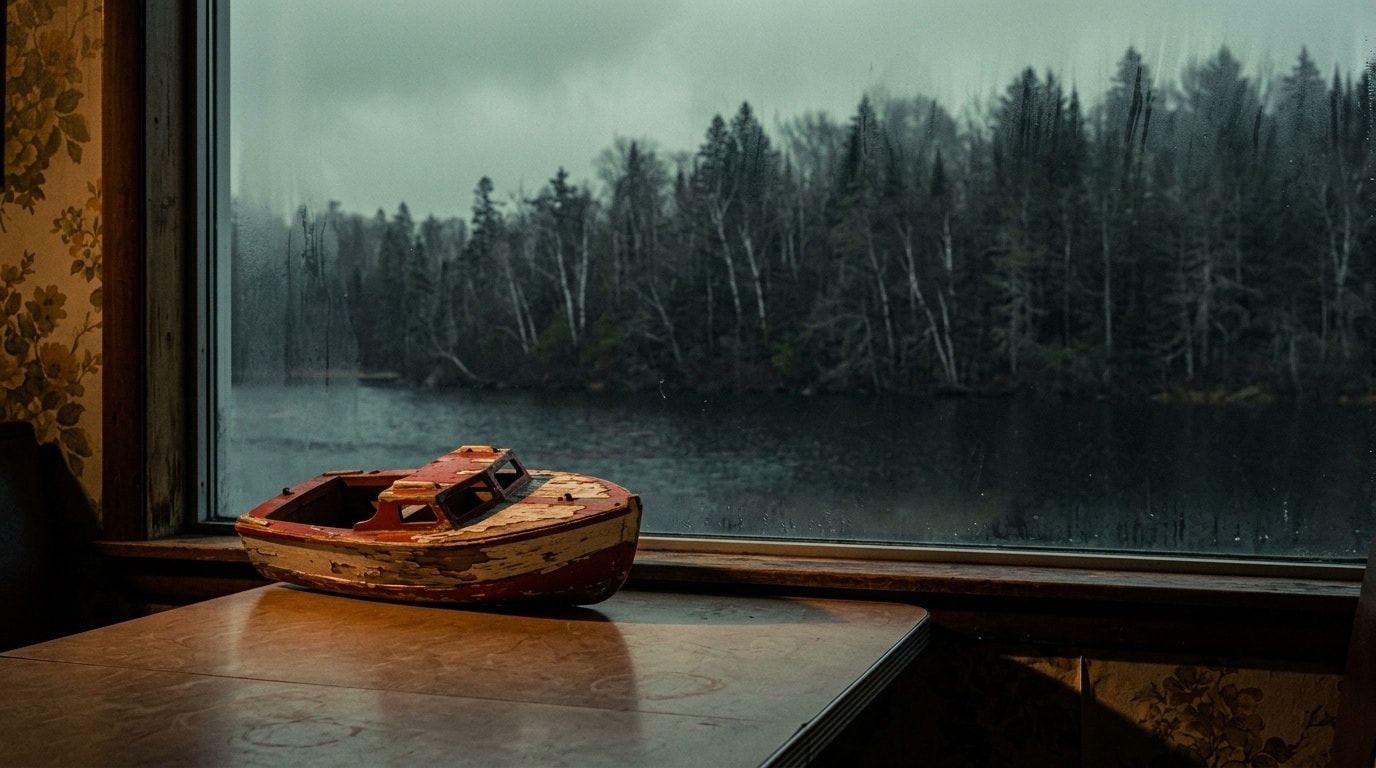
Tabitha's Childhood Grief Birthed the Lake Dolls
The lake dolls are not native Township creatures but manifestations of a specific human grief: a childhood memory tied to Tabitha's father, whose nightmares escaped the lake only after his death.
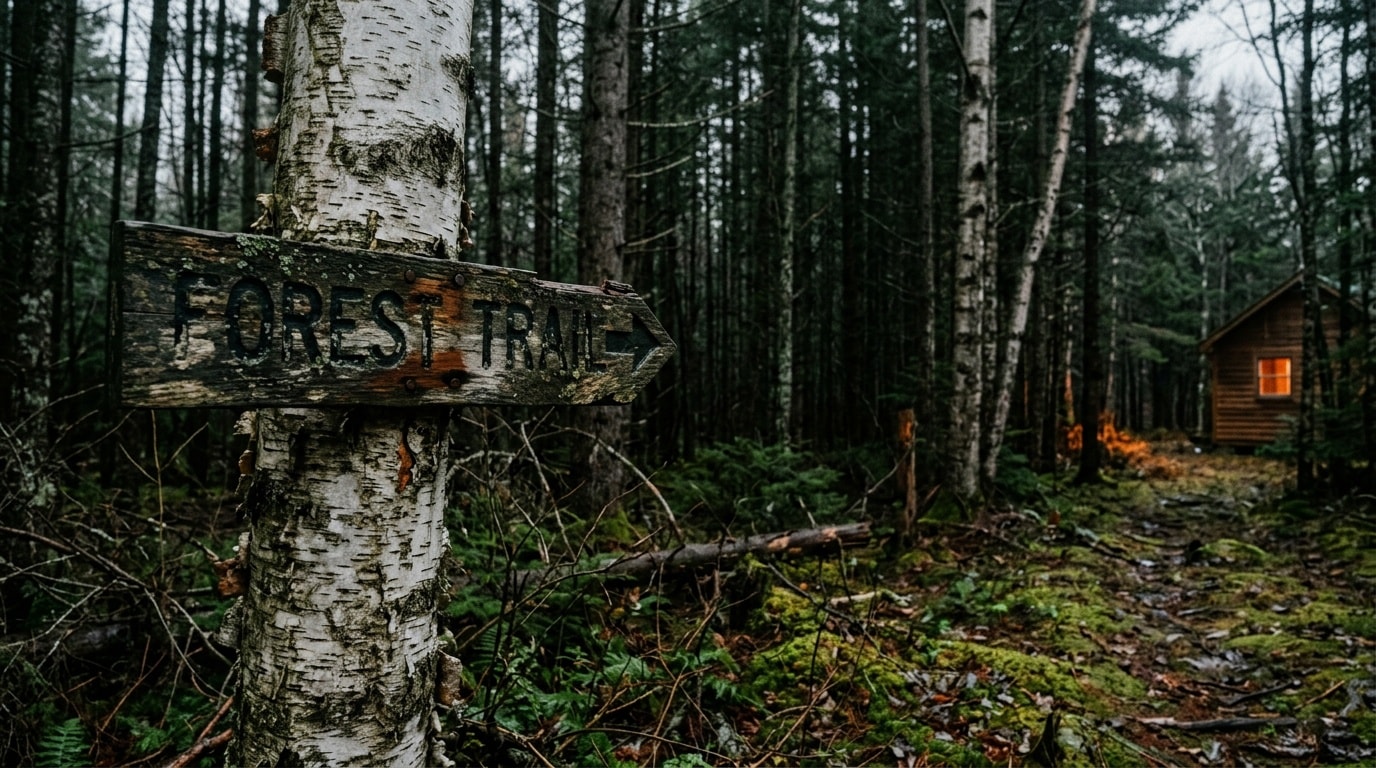
The Mushrooms Route Jade to Real Answers
The township's information architecture is only accessible through an altered state, making the mushrooms a deliberate navigational key rather than an accidental psychedelic.
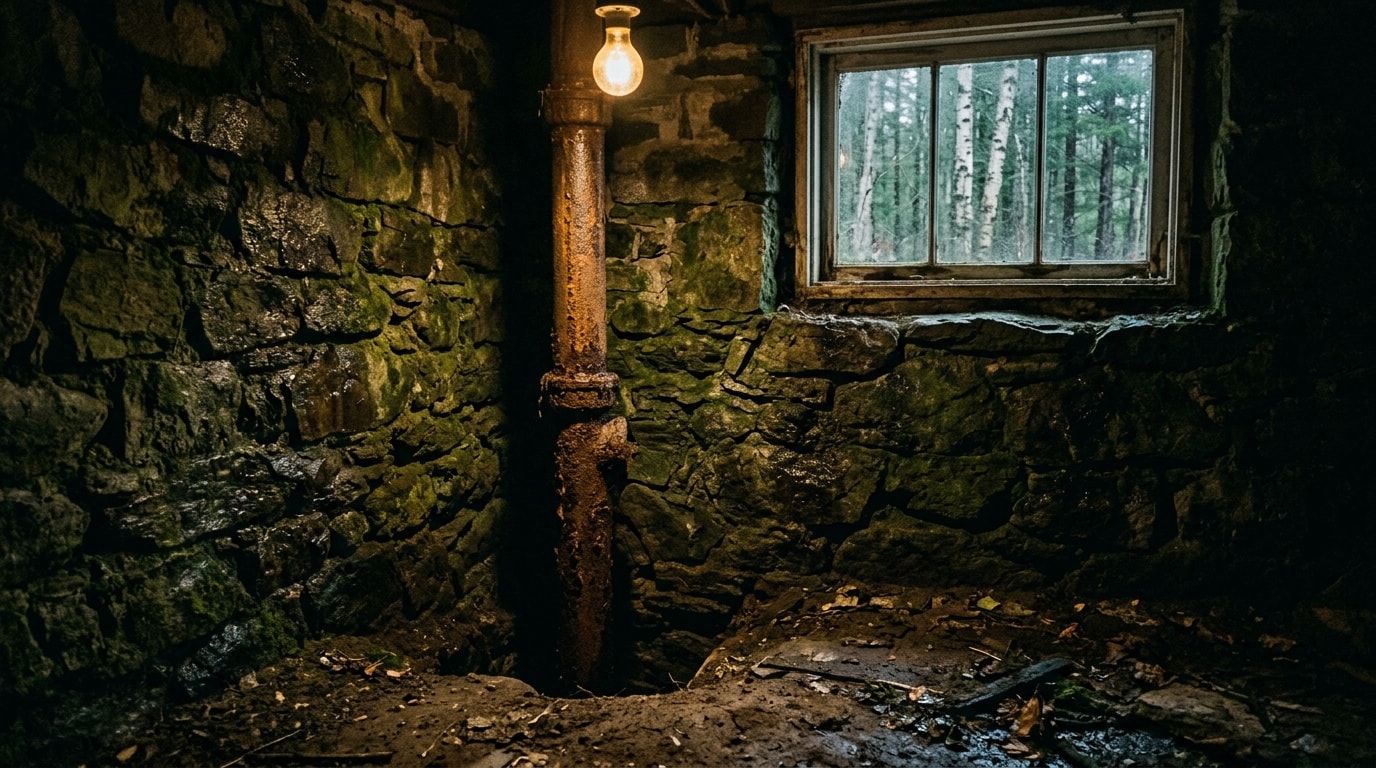
Jade's Basement Door Hides Murdered Children's Bones
The bones beneath Colony House are the physical remains of Jade's murdered past lives, deposited there by the Township as part of an active ritual circuit that sustains whatever haunts this place.
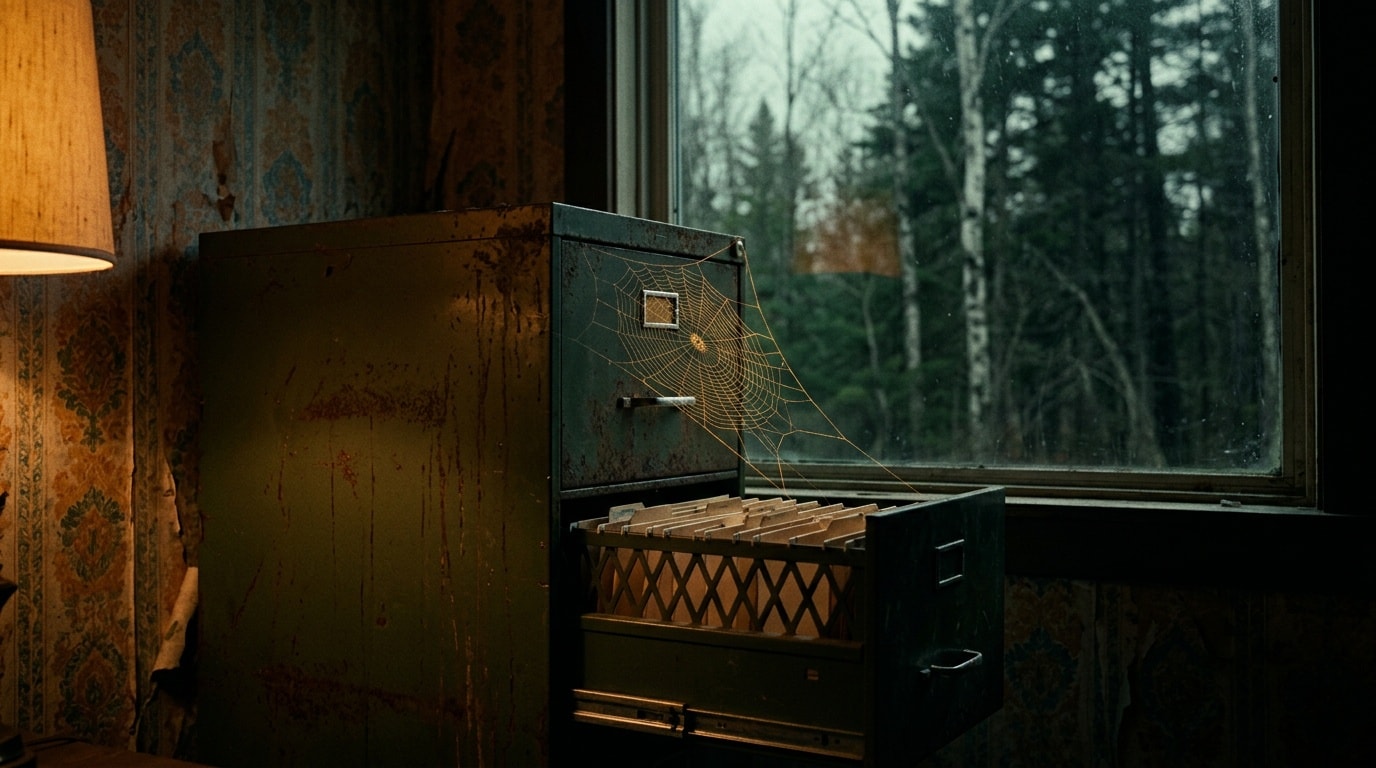
Spiders Mark the Price of Forbidden Knowledge
The spiders in Jade's visions are not supernatural atmosphere.