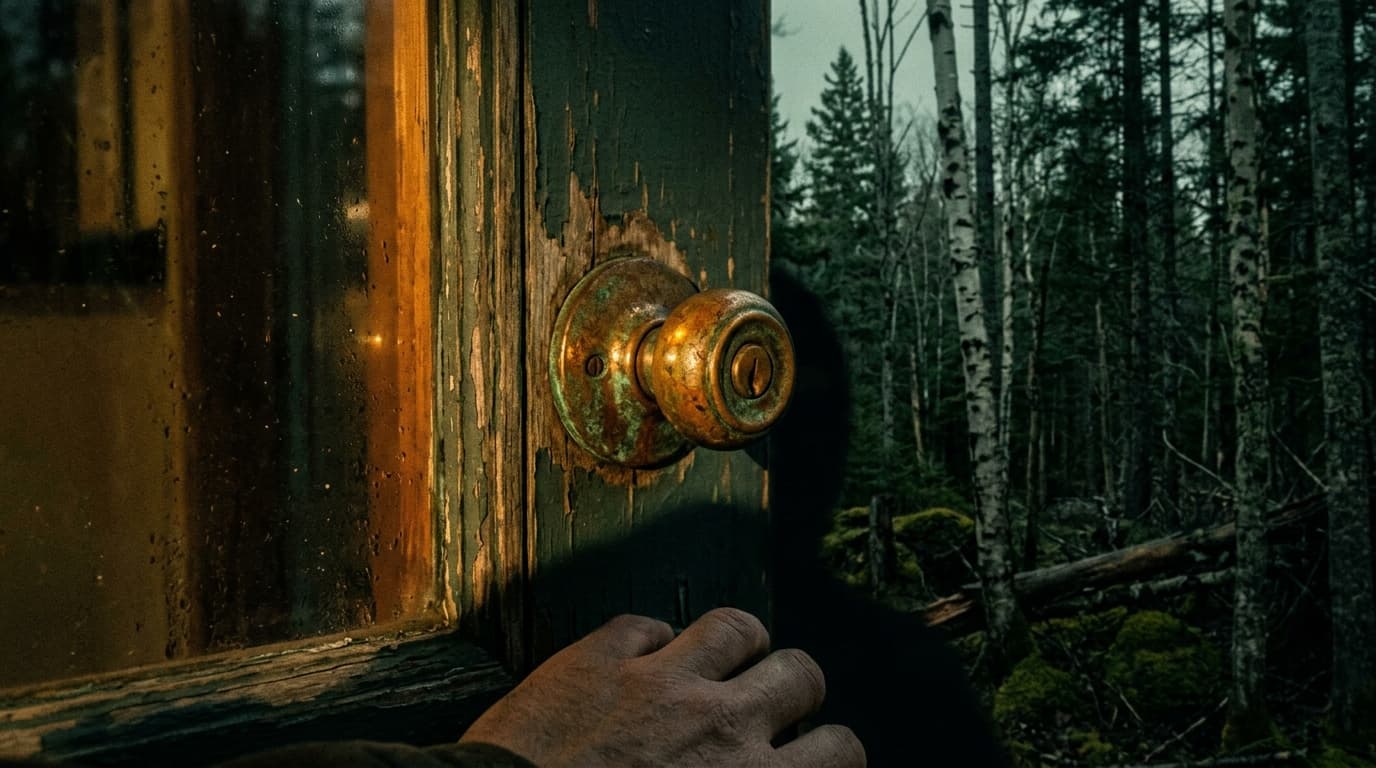
Elgin Knows This Place Already
Plausibility Score
(?)Convinced
(?)#530
of 705 theories
Theory Ranking
(?)READER VERDICT
Is this theory convincing?
Trend builds after 10 votes.
Be among the first to weigh in.
THEORY ASSESSMENT
The episode confirms every behavioral detail the theory relies on, but the ground truth stops short of any narrative signal that separates Elgin's reaction from ordinary fear, keeping the theory in the plausible range rather than the strongly implied one.
STORY CONTEXT
The town doesn't take people at random, or does it? This thread collects theories on what connects the chosen, from shared trauma to bloodlines to pure cosmic bad luck.
ACTIVE SIGNALS
This theory ranks among the most-contested in the Theory Atlas catalog — a grounded competing reading meaningfully challenges the dominant interpretation.
WHY THIS MATTERS
If Elgin can perceive Town's danger in ways others cannot, he becomes a potential key to understanding what the place actually is and how it operates. His arrival reframes the question of who gets trapped here and whether some people are drawn to Town for reasons that go beyond ordinary bad luck.
ALTERNATE INTERPRETATION
A minority reading in the contributing claims holds that Elgin's reaction is best explained as extreme traumatic recognition, specifically that he is a former resident who escaped and has been returned, and that the 'bad dream' is a suppressed memory of his first captivity rather than a premonition. This reading locates his sensitivity in personal history rather than innate ability, and treats the physical revulsion as a trauma response to a place he was once unable to leave.
Adjacent Reading — Not a Competing Theory
Other Theories for S2E01
The Town Reacts: A Conscious, Punishing Force
The town does not simply trap its residents.
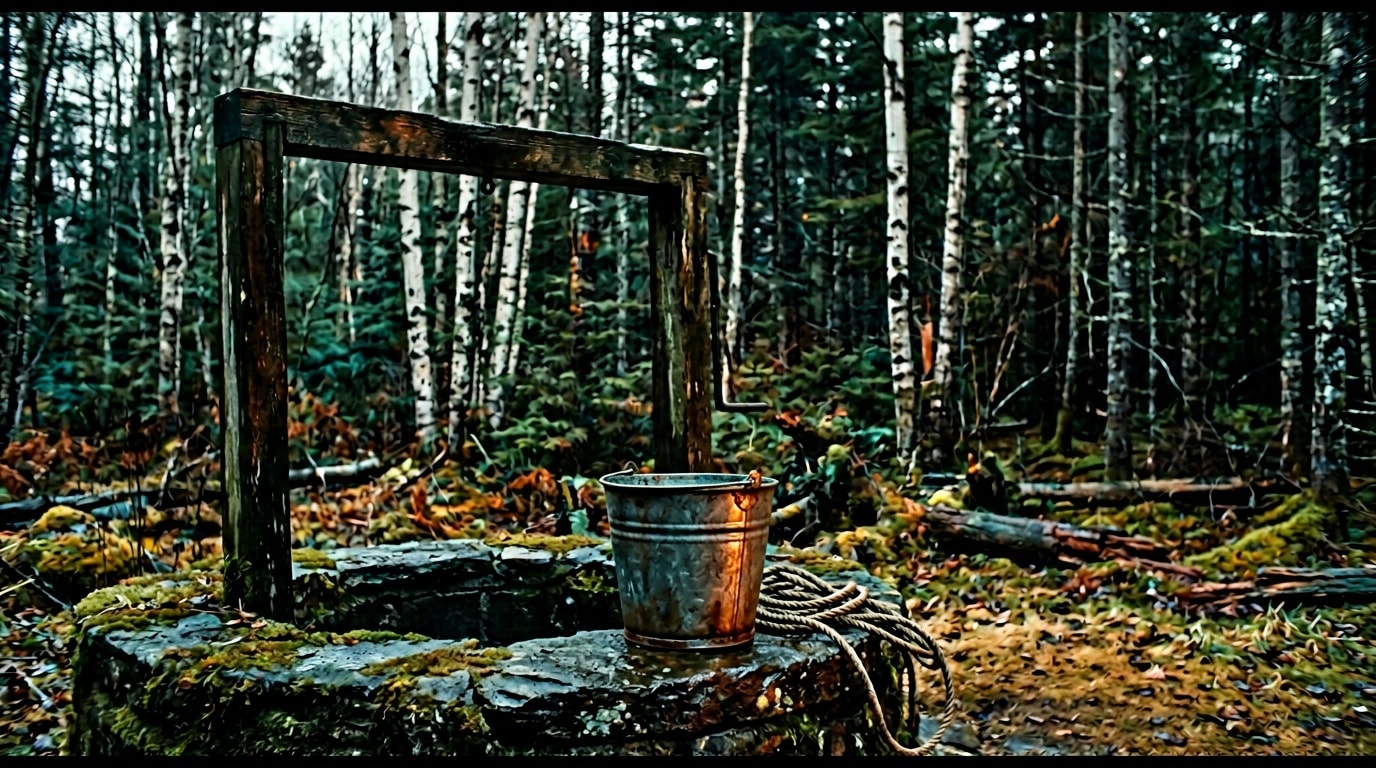
The Well's Unknown Rescuer Knows the Creatures
The unknown figure at the well is not a survivor operating outside the town's logic but an actor already embedded within it, using Boyd's desperation to secure something the town's governing force requires from a new arrival.

The Town Sorts, Not Just Traps: A Population System with a Targeting Layer
The town operates as self-sustaining infrastructure with two interlocking functions: a macro-level population cycle that recruits new arrivals on its own schedule to maintain occupancy, and a micro-level targeting apparatus that identifies and grooms specific individuals for a deeper role within that system.
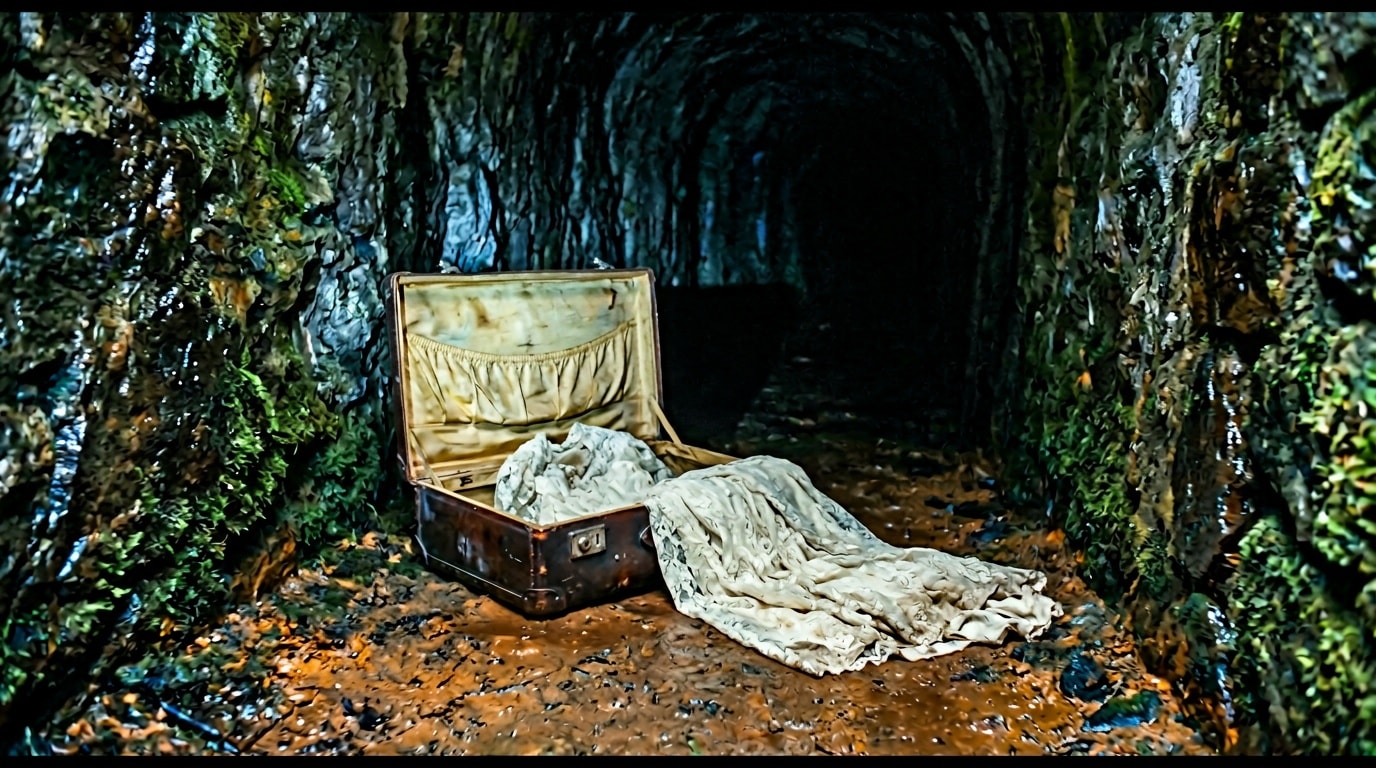
The Tunnels Are a Ledger, and Victor Is Already in It
The objects accumulating in the underground tunnels (a wedding dress, a wheelchair, a bicycle, a ventriloquist dummy) form a systematically curated record of human intake organized by vulnerability type and life stage, not incidental debris.

The Town Runs a Closed Cycle: Containment Above, Reconstitution Below
Every structural limit the town imposes on its residents (the asymmetric floor collapse, the directionally filled hole, the shaking that arrives precisely when excavation resumes) is automatic maintenance of dormancy conditions in the caverns below, not punishment for rule-breaking.

Visions, Not Dreams, Shape Season Two
The town in FROM delivers intrusions calibrated to each recipient regardless of their familiarity with its dangers, using Boyd's corrupted bell-ringing vision and Elgin's pre-conscious arrival panic as parallel evidence that the mechanism operates independent of knowledge or consent.

Something Is Being Kept in the Dark
The creatures beneath the town are running a staged process with the caged figures in their tunnels, not simply holding captives.