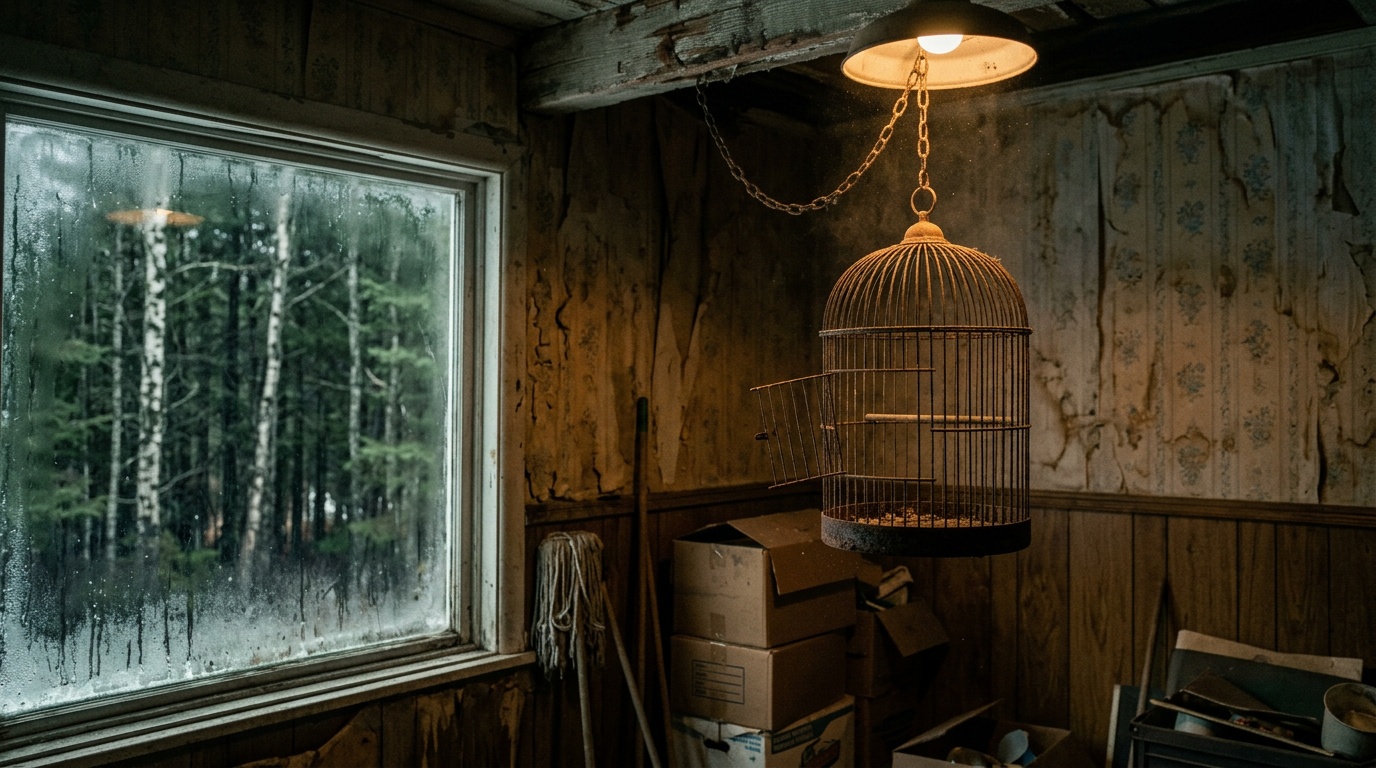
Something Is Being Kept in the Dark
THE THEORY
The creatures beneath the town are running a staged process with the caged figures in their tunnels, not simply holding captives. The behavioral asymmetry between the mobile child-figure and the stationary girl implies these figures occupy different positions within an internal progression the creatures are managing. The tunnels are not a lair but a system, which means the town above is not a hunting ground but a source.
How This Theory Works
The creatures are not just hunters. They are running a process underground, and the caged figures Tabitha encounters are the evidence of that process that the show has not yet explained.
The physical difference between the caged figures and the known adult monsters is the load-bearing observation. The adult creatures have a recognizable form and behavior: predatory, mobile, organized around hunting the town's inhabitants at night. The caged figures share none of that profile. They are smaller, contained, passive, and separated from the sleeping creatures by constructed architecture. One is child-sized and dirty, emerging from a caged hole. Another is a girl, stationary behind a cage before the monsters begin to stir. Neither behaves like the things that hunt above ground. That distinction is what drives the central claim: these figures belong to a different category, whether human captives, something pre-transition, or an entity type the show has not named.
The pressure point the evidence creates is the behavioral asymmetry between the two figures. One emerges and startles Tabitha. The other remains stationary and is simply observed. If these were uniform captives held for the same purpose, the show would give them uniform behavior. Instead, one has brief agency and the other does not. The specific unanswered question this raises is not what the figures are in general, but what determines which caged figures are mobile and which are fixed in place. That distinction implies a staging mechanism: some figures are held and some are being held differently, which means the tunnels are not a storage space but a progression with internal logic. The collected objects surrounding the sleeping monsters confirm that the underground space is curated. Curation does not happen by accident. Someone or something decided what goes where, and the asymmetry between the two caged figures suggests the same organizing principle applies to the figures themselves.
The show has so far declined to answer what the creatures are waiting for. That refusal is the most structurally significant choice the writers are making. The tunnels contain cages, caged figures at different behavioral stages, and sleeping creatures surrounded by arranged objects. A lair does not require all of that. A system does. If the creatures are running a process with stages, then the town above is not just a hunting ground. It is a source. And the people the monsters have been collecting, terrifying, and killing may not be endpoints. They may be inputs.
Is this theory convincing?
Key Evidence
Child Figure Emerging from Caged Hole
A small, dirty, ball-headed child-like figure pops out of a caged hole in the tunnel wall, startling Tabitha and appearing visually unlike the adult monsters.
Girl Observed Behind Tunnel Cage
A girl is visible behind a cage in the tunnels before any of the adult monsters wake up, and her appearance does not resemble the known creatures.
Cages Suggest Deliberate Captivity
The presence of constructed cages in the creature tunnels implies the monsters are actively capturing and holding beings rather than simply coexisting with them.
Creatures Sleeping Among Collected Objects
The sleeping monsters are surrounded by a collection of random objects in the tunnels, establishing that the underground space is organized and curated rather than incidental.
Other Theories for S2E01
The Town Reacts: A Conscious, Punishing Force
The town does not simply trap its residents.
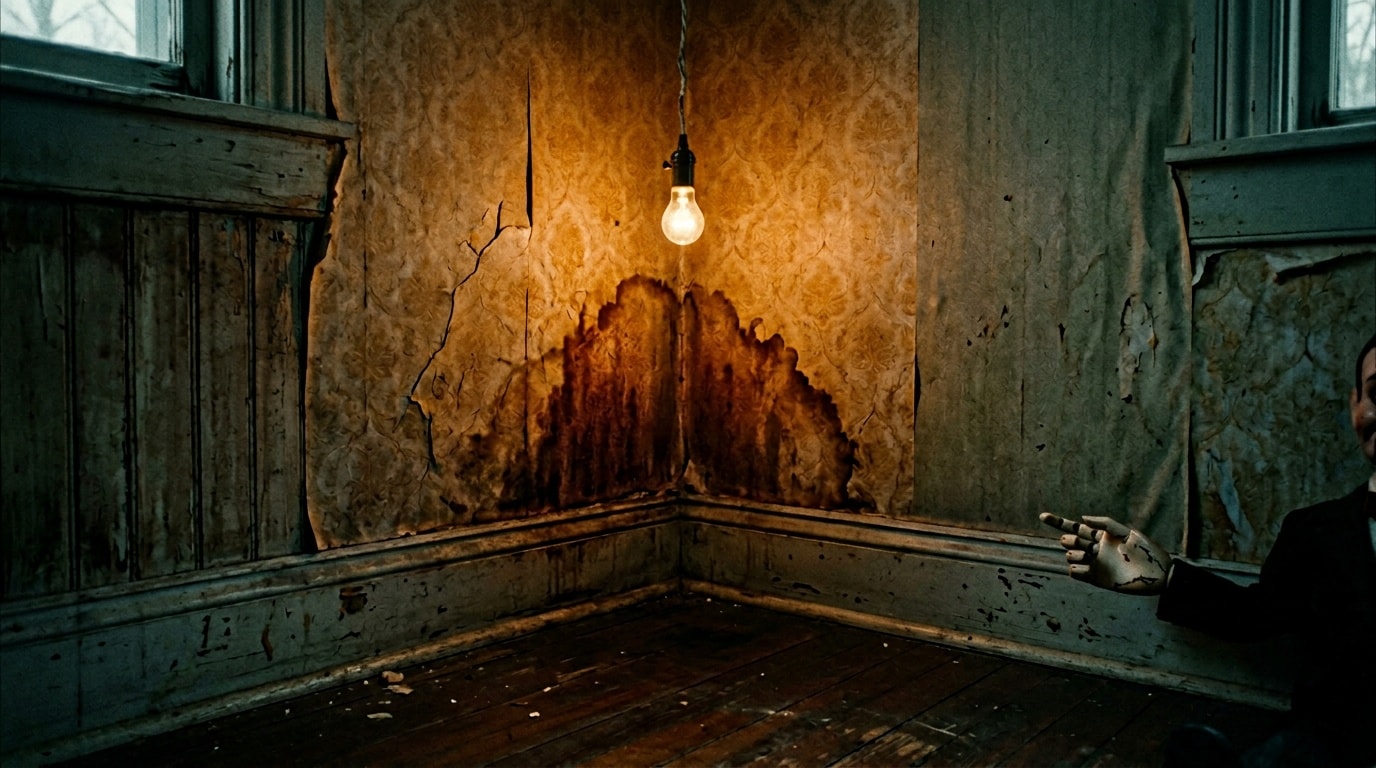
The Town Sorts, Not Just Traps: A Population System with a Targeting Layer
The town operates as self-sustaining infrastructure with two interlocking functions: a macro-level population cycle that recruits new arrivals on its own schedule to maintain occupancy, and a micro-level targeting apparatus that identifies and grooms specific individuals for a deeper role within that system.
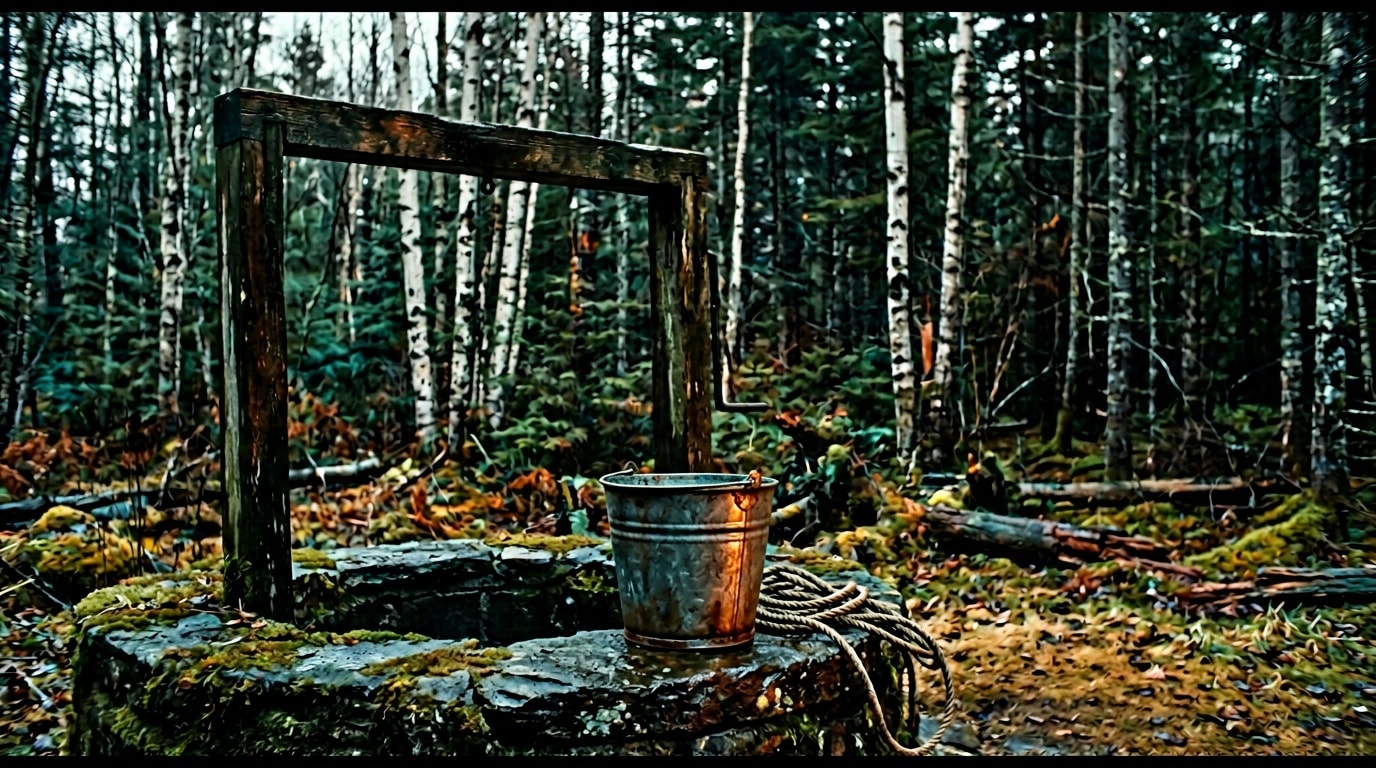
The Well's Unknown Rescuer Knows the Creatures
The unknown figure at the well is not a survivor operating outside the town's logic but an actor already embedded within it, using Boyd's desperation to secure something the town's governing force requires from a new arrival.
Elgin Knows This Place Already
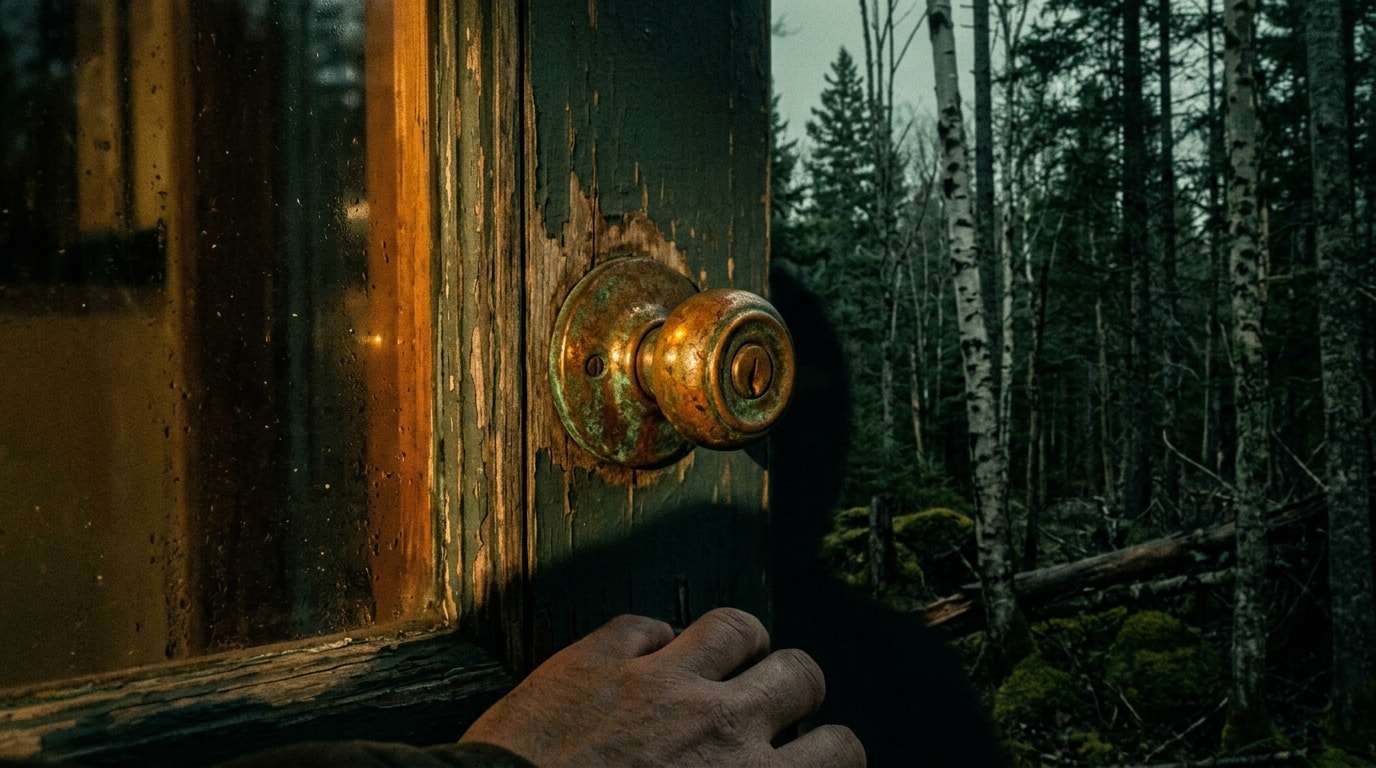
Elgin's immediate shift from recognition to command to physical collapse on arrival suggests his nervous system had already categorized Town before his conscious mind engaged, pointing toward a prior exposure or a supernatural bond with the place that other passengers do not share.
The Tunnels Are a Ledger, and Victor Is Already in It
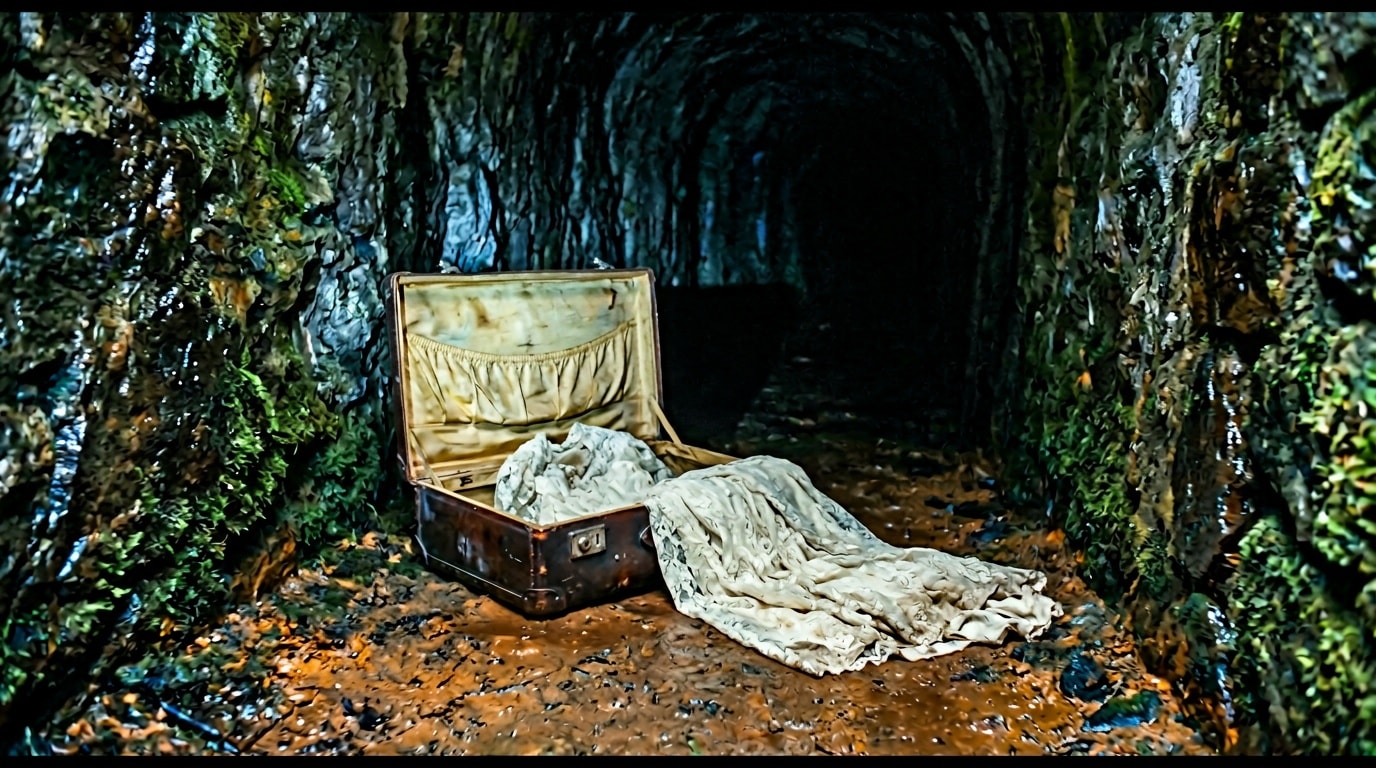
The objects accumulating in the underground tunnels (a wedding dress, a wheelchair, a bicycle, a ventriloquist dummy) form a systematically curated record of human intake organized by vulnerability type and life stage, not incidental debris.
The Town Runs a Closed Cycle: Containment Above, Reconstitution Below
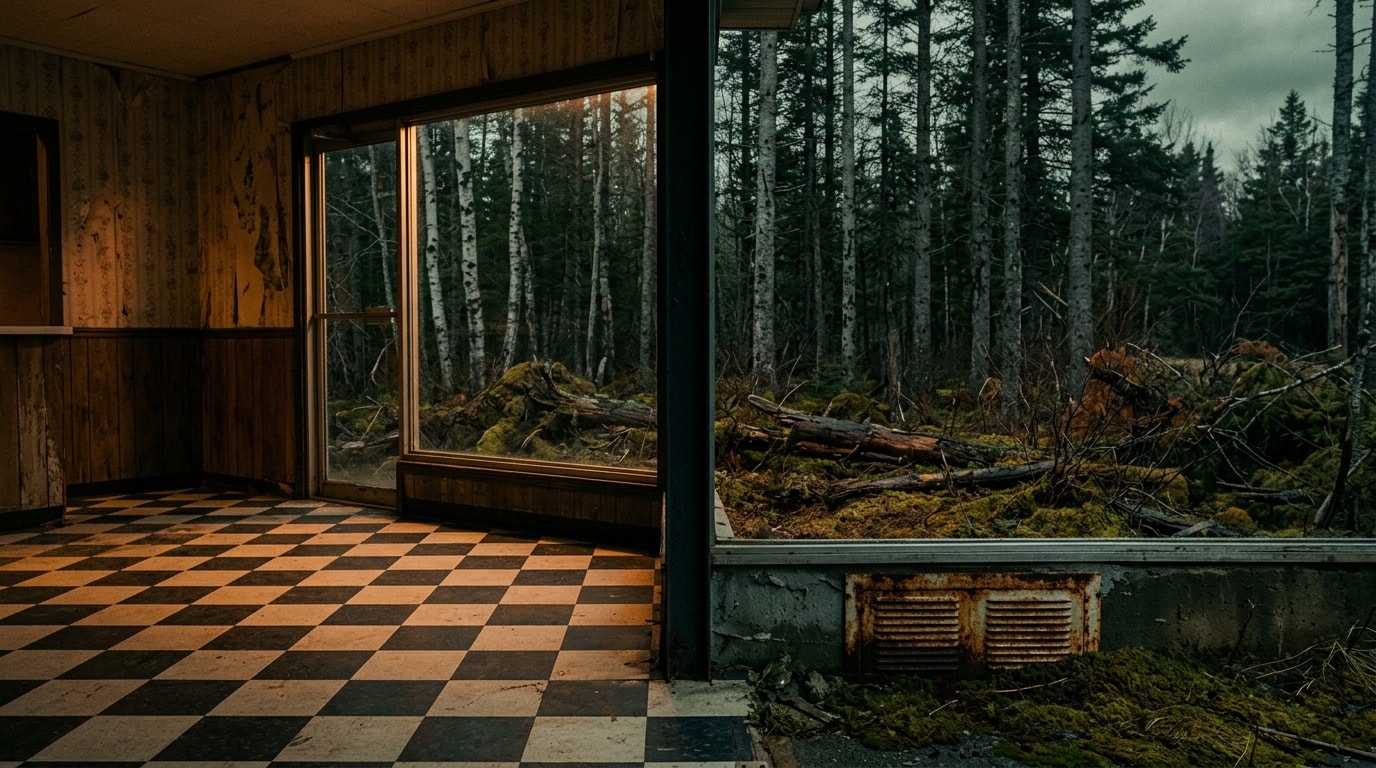
Every structural limit the town imposes on its residents: the asymmetric floor collapse, the directionally filled hole, the shaking that arrives precisely when excavation resumes.
Visions, Not Dreams, Shape Season Two
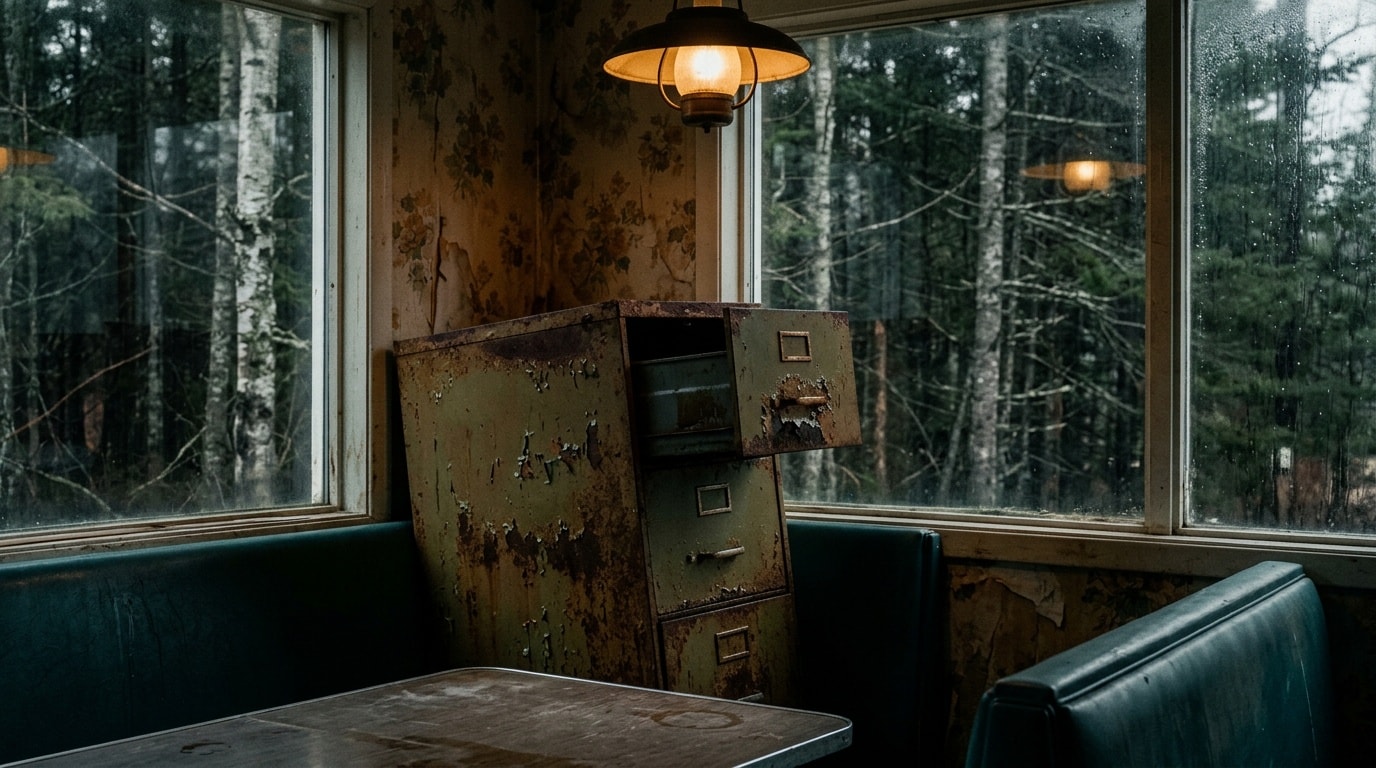
The town in FROM delivers intrusions calibrated to each recipient regardless of their familiarity with its dangers, using Boyd's corrupted bell-ringing vision and Elgin's pre-conscious arrival panic as parallel evidence that the mechanism operates independent of knowledge or consent.