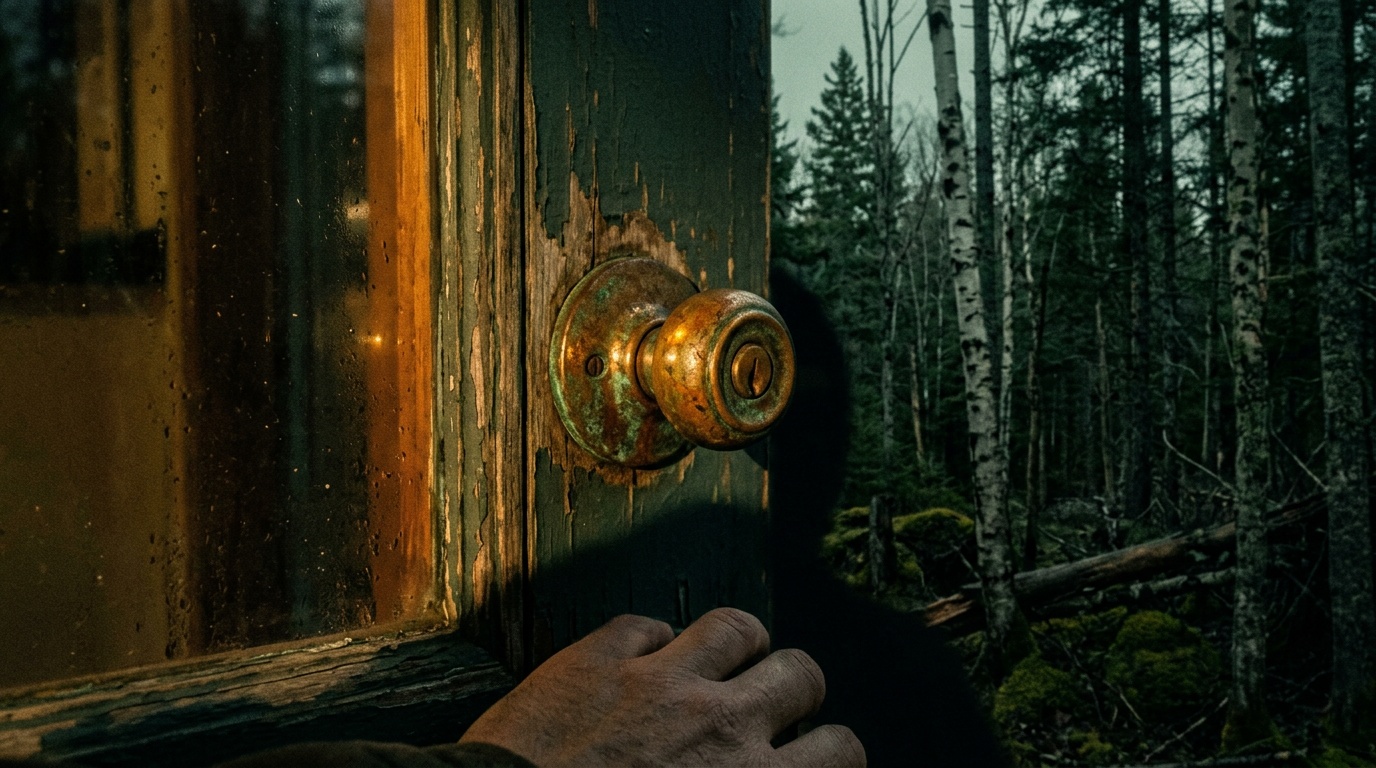
Elgin Knows This Place Already
THE THEORY
Elgin's immediate shift from recognition to command to physical collapse on arrival suggests his nervous system had already categorized Town before his conscious mind engaged, pointing toward a prior exposure or a supernatural bond with the place that other passengers do not share. The bad dream explanation functions as a deflection that conceals not confusion but something closer to suppressed memory. The show is not building toward a revelation about how Elgin got to Town; it is building toward a revelation about why Town brought him back.
How This Theory Works
Elgin does not react to Town the way a person encounters something unknown. He reacts the way a person encounters something they have been trying to forget. His first words are directional commands issued before he has time to think, and that is the detail that breaks the bad dream explanation open. Commands require a known alternative. You tell a driver to turn around only if you know what turning around would save you from. Confusion does not produce commands. Recognition does.
The bad dream he offers as explanation is not a description of what happened. It is a lid placed over something he either cannot or will not name. He does not say he dreamed something frightening. He says he had a bad dream, which is the minimum answer that stops further questions. The show has established that dreams in Town carry genuine epistemic weight, which means Elgin's deflection is doing double work: it closes down the conversation and it points directly at what the conversation would have uncovered. Either the dream was a preview of the exact place he woke to find himself inside, or the category of dream is standing in for something closer to memory.
What the evidence will not let go of is the physical register. Vomiting is not produced by intellectual unease or social embarrassment. It is produced by the body overriding the mind because the mind is insufficient to handle what the body already knows. Every other passenger on that bus is confused, annoyed, or disoriented. Elgin is physiologically overwhelmed. That asymmetry is not a character quirk. It is the theory's load-bearing structure. Something about this specific place bypasses his conscious processing entirely and hits the autonomic system directly, which is consistent with a prior traumatic exposure to Town, a supernatural sensitivity that most arrivals do not carry, or both.
The sequence of his awakening is the sharpest piece of evidence. He is listening to music, insulated, not scanning for threats. Then he sees the window. There is no processing lag, no moment of disorientation. He moves in one motion from seeing to commanding to physical collapse. That is not the architecture of a bad dream. That is the architecture of a nervous system that has already categorized this place under something unsurvivable and is now executing a stored response. The question the show is building toward is not how Elgin arrived in Town. It is why Town needed him back.
Is this theory convincing?
Key Evidence
Immediate Directional Command on Arrival
Before the bus fully stops, Elgin stands up and tells the driver they have to turn around and cannot be there, using language that implies recognition rather than confusion.
Physical Revulsion as Supernatural Signal
Elgin vomits on Randall immediately after his panic, a physical response disproportionate to a bad dream and consistent with a body reacting to something it already knows.
Bad Dream Explanation Rings Hollow
When asked why he was screaming, Elgin says he had a bad dream, a reply that deflects the real question and may conceal either a premonition or a prior connection to the place.
Asymmetric Reaction Among Passengers
Every other passenger on the bus reacts to Town with confusion or inconvenience, while Elgin alone responds with existential urgency, suggesting his perception of the place operates on a different register.
Dreams as Narrative Mechanism in Town
The show has established that dreams and visions in this place carry real meaning, so Elgin's dream-triggered panic may signal that his unconscious mind has genuine access to knowledge about Town.
Waking Into Recognition, Not Confusion
Elgin listens to music before noticing his surroundings, and the moment he sees where he is, fear takes over instantly, implying he is seeing something familiar rather than encountering something new.
Other Theories for S2E01
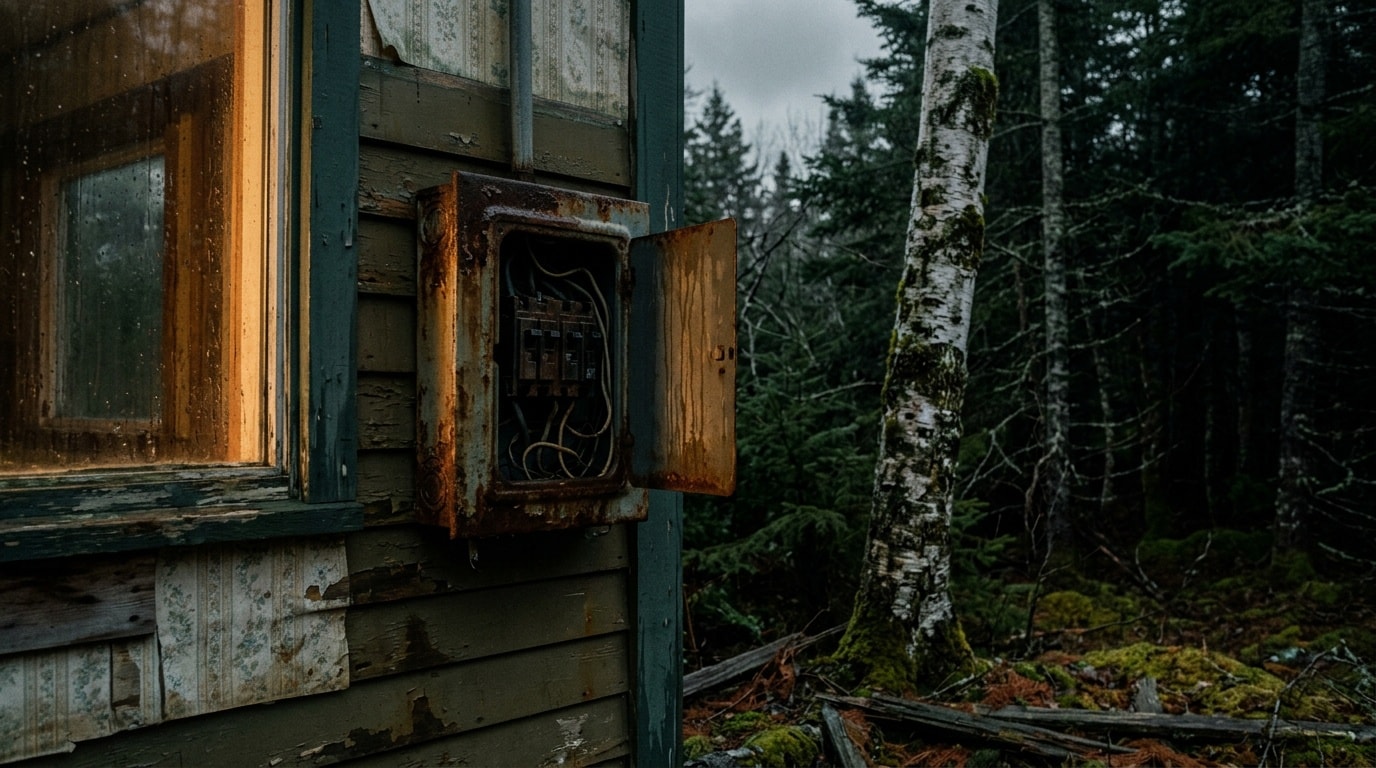
The Town Reacts: A Conscious, Punishing Force
The town does not simply trap its residents.

The Well's Unknown Rescuer Knows the Creatures
The unknown figure at the well is not a survivor operating outside the town's logic but an actor already embedded within it, using Boyd's desperation to secure something the town's governing force requires from a new arrival.
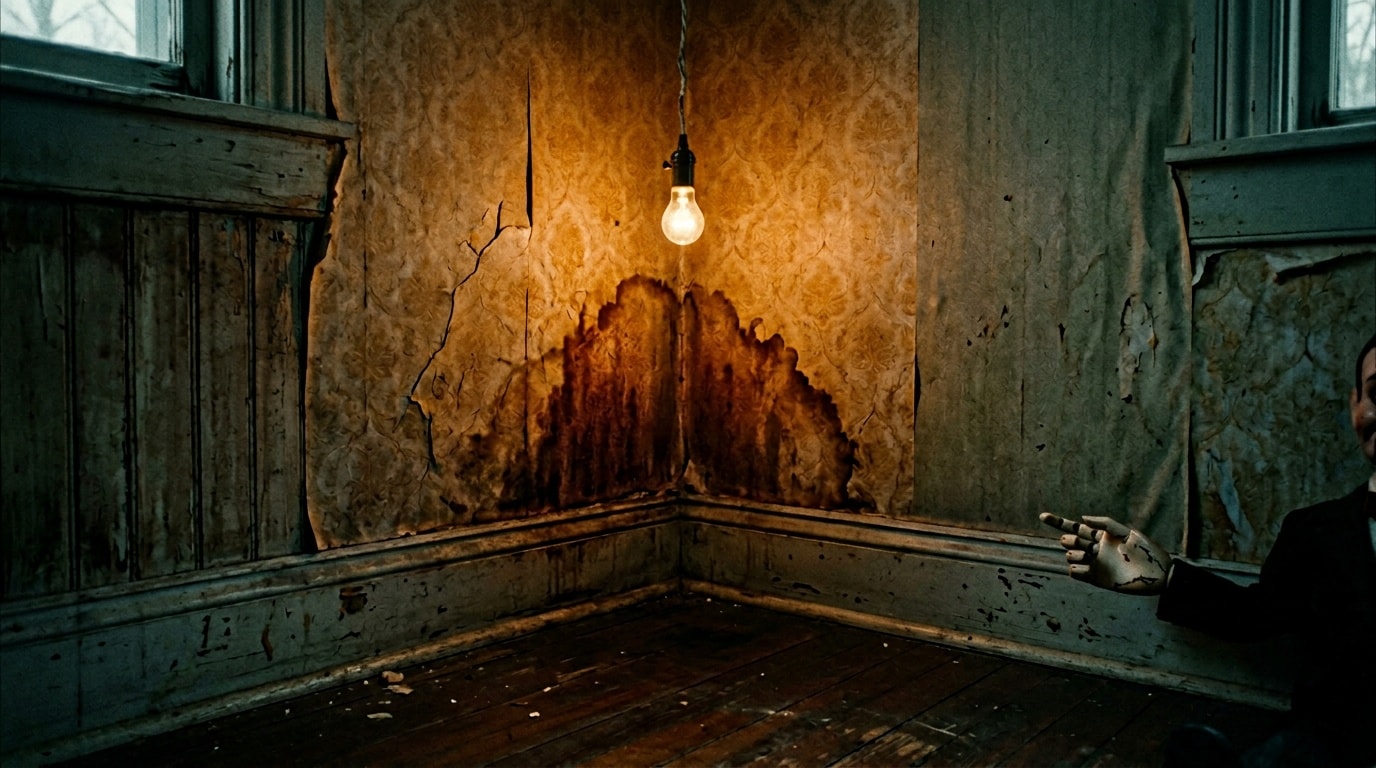
The Town Sorts, Not Just Traps: A Population System with a Targeting Layer
The town operates as self-sustaining infrastructure with two interlocking functions: a macro-level population cycle that recruits new arrivals on its own schedule to maintain occupancy, and a micro-level targeting apparatus that identifies and grooms specific individuals for a deeper role within that system.
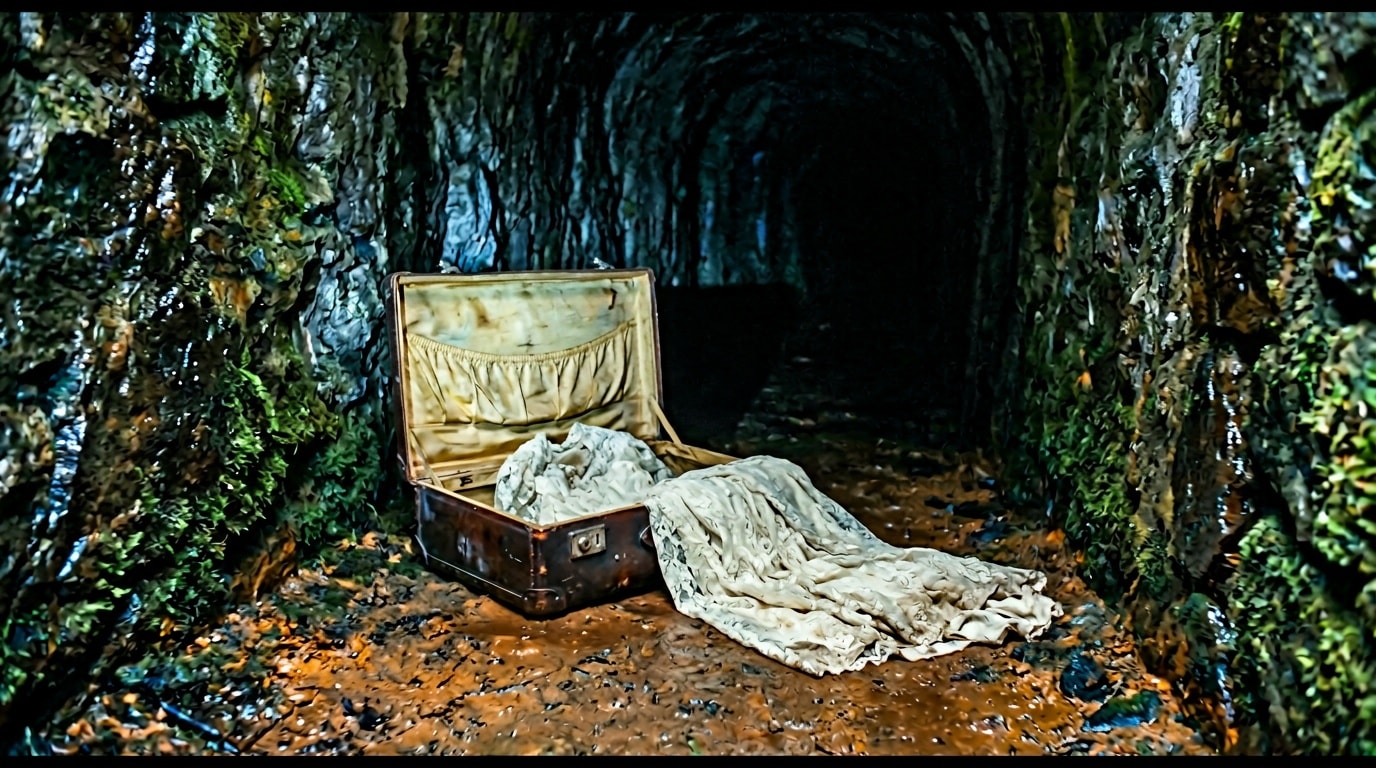
The Tunnels Are a Ledger, and Victor Is Already in It
The objects accumulating in the underground tunnels (a wedding dress, a wheelchair, a bicycle, a ventriloquist dummy) form a systematically curated record of human intake organized by vulnerability type and life stage, not incidental debris.

The Town Runs a Closed Cycle: Containment Above, Reconstitution Below
Every structural limit the town imposes on its residents: the asymmetric floor collapse, the directionally filled hole, the shaking that arrives precisely when excavation resumes.
Visions, Not Dreams, Shape Season Two
The town in FROM delivers intrusions calibrated to each recipient regardless of their familiarity with its dangers, using Boyd's corrupted bell-ringing vision and Elgin's pre-conscious arrival panic as parallel evidence that the mechanism operates independent of knowledge or consent.

Something Is Being Kept in the Dark
The creatures beneath the town are running a staged process with the caged figures in their tunnels, not simply holding captives.