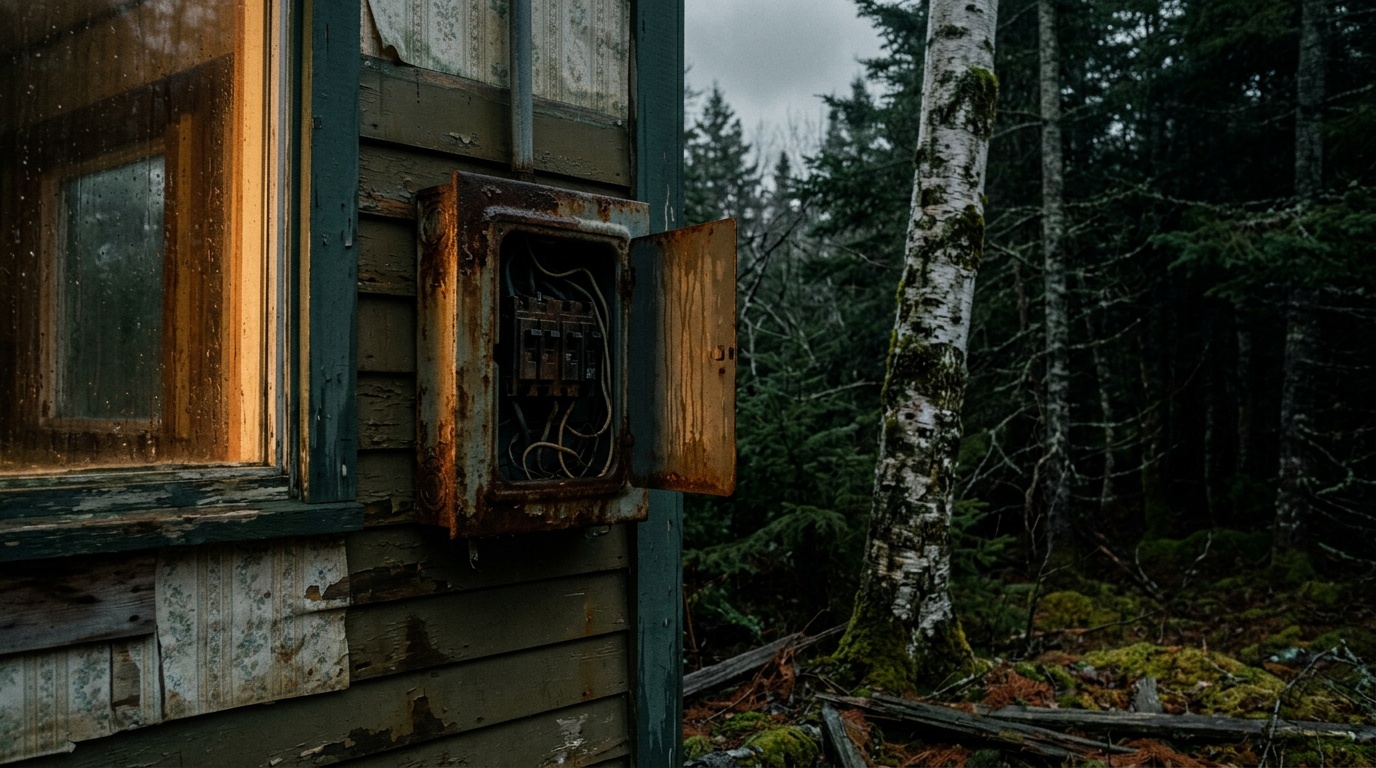
The Town Reacts: A Conscious, Punishing Force
THE THEORY
The town does not simply trap its residents. It monitors them, and when they push toward escape, it pushes back. The unconfirmed claim is that the entity's control extends to a feedback loop: resistance triggers proportionate punishment, meaning every serious escape attempt makes conditions actively worse rather than merely dangerous.
How This Theory Works
Clara's question to Jade is the sharpest piece of evidence on the board. She does not ask whether a monster attacked them or whether the storm was bad luck. She asks whether they made 'it' angry. That framing is precise. She is describing the town as something capable of being provoked, something that registered what the residents did and chose to respond. Jade has no rebuttal. He has just watched a blood-drawn symbol appear on a wall and a dummy shriek at him. He stays quiet because she is not wrong.
What the visuals add is the specificity of the response. The storm does not build. It appears, suddenly, over a town Boyd was walking through in calm conditions minutes earlier. The lightbulbs across Colony House do not flicker or fail from power strain. They explode, with enough directed force to blind Clara in one eye. The wind does not find a weak point in the building's structure. It drives the winch through a window like a thrown object. These are not the signatures of a natural storm interacting with old infrastructure. They are the signatures of something that controls weather, electricity, and physical force as a unified system and deployed all three at once.
The timing of Tabitha's digging sharpens the implication further. The storm arrives in direct temporal proximity to her investigation reaching its furthest extent underground. The show has not confirmed a causal link, but the pattern is there: investigation intensifies, the system responds, investigation stops. If that sequence is not coincidence, the residents are not just trapped inside a dangerous place. They are inside something that is paying attention. The entity does not obstruct escape attempts after the fact. It intervenes during them, calibrating its response to the specific act being committed.
The hardest implication of this reading is that the residents' instinct to fight back may be the mechanism of their own deterioration. If the controlling force scales its punishment to the seriousness of the resistance, then the more organized and committed the escape attempt, the more catastrophic the counter-response. The trap is not the fence at the edge of town or the creatures in the dark. The trap is the dynamic itself. Defiance is what feeds it.
Is this theory convincing?
Key Evidence
Clara's Direct Accusation to Jade
Clara asks Jade point-blank whether they made 'it' angry, stating that the storm emerged from nowhere and the lights exploded almost as if the place itself was reacting to something the residents did.
Storm Arriving Without Warning
The season opens with Boyd walking through a calm town before storm clouds brew suddenly overhead, with no gradual buildup, consistent with a manufactured rather than natural weather event.
Lightbulbs Exploding Across Colony House
Throughout Colony House, lightbulbs do not flicker or fail but explode with enough force to blind Clara in one eye, suggesting directed energy rather than a simple power surge.
Wind Driving Winch Through Window
The wind becomes violent enough to propel the winch through a Colony House window, an act of force that functions more like a targeted strike than a storm side effect.
Storm Timing and Tabitha's Digging
The supernatural storm arrives in direct temporal proximity to Tabitha's basement digging reaching its furthest extent, raising the possibility that the controlling force responded to her investigation.
Entity Controls Weather and Electricity Together
The simultaneous onset of the storm, the exploding bulbs, and the violent wind points to unified control over multiple environmental systems rather than separate coincidental failures.
Other Theories for S2E01
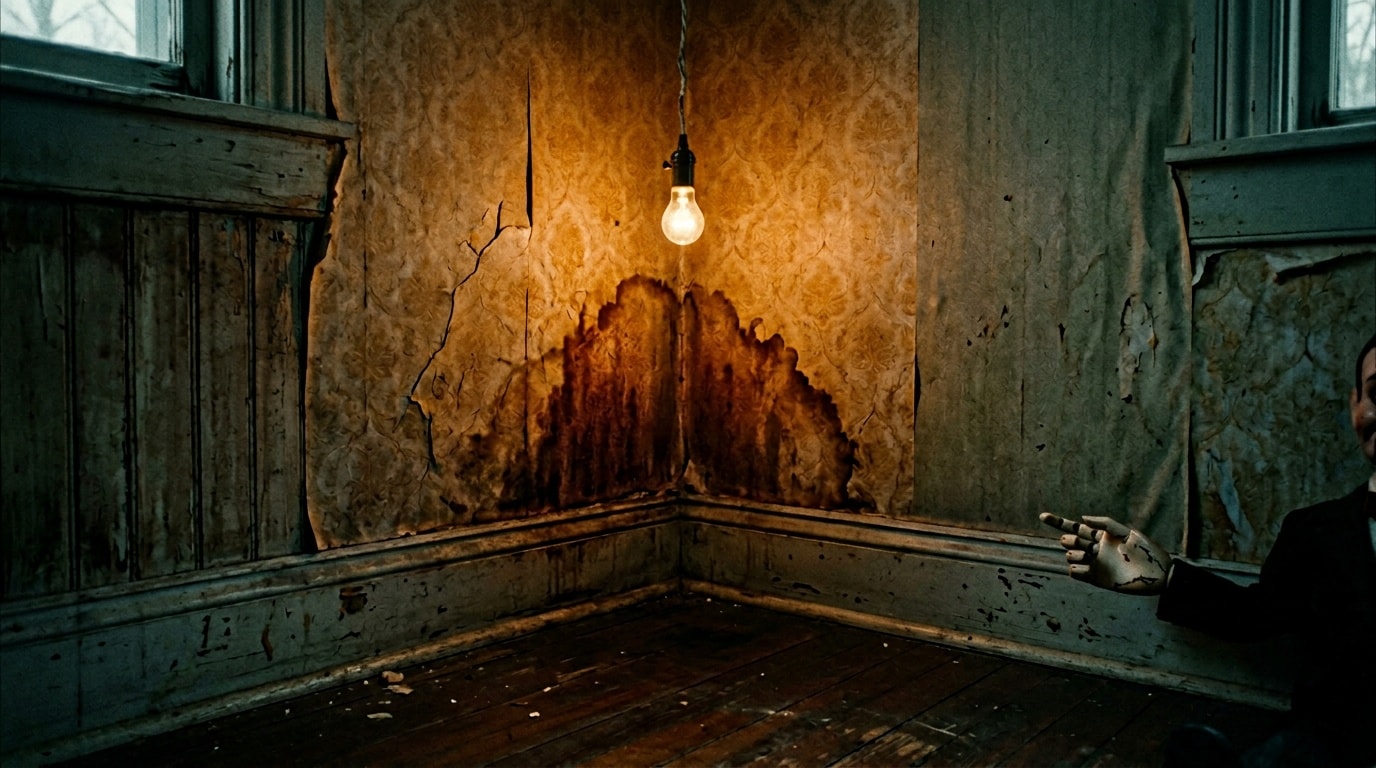
The Town Sorts, Not Just Traps: A Population System with a Targeting Layer
The town operates as self-sustaining infrastructure with two interlocking functions: a macro-level population cycle that recruits new arrivals on its own schedule to maintain occupancy, and a micro-level targeting apparatus that identifies and grooms specific individuals for a deeper role within that system.
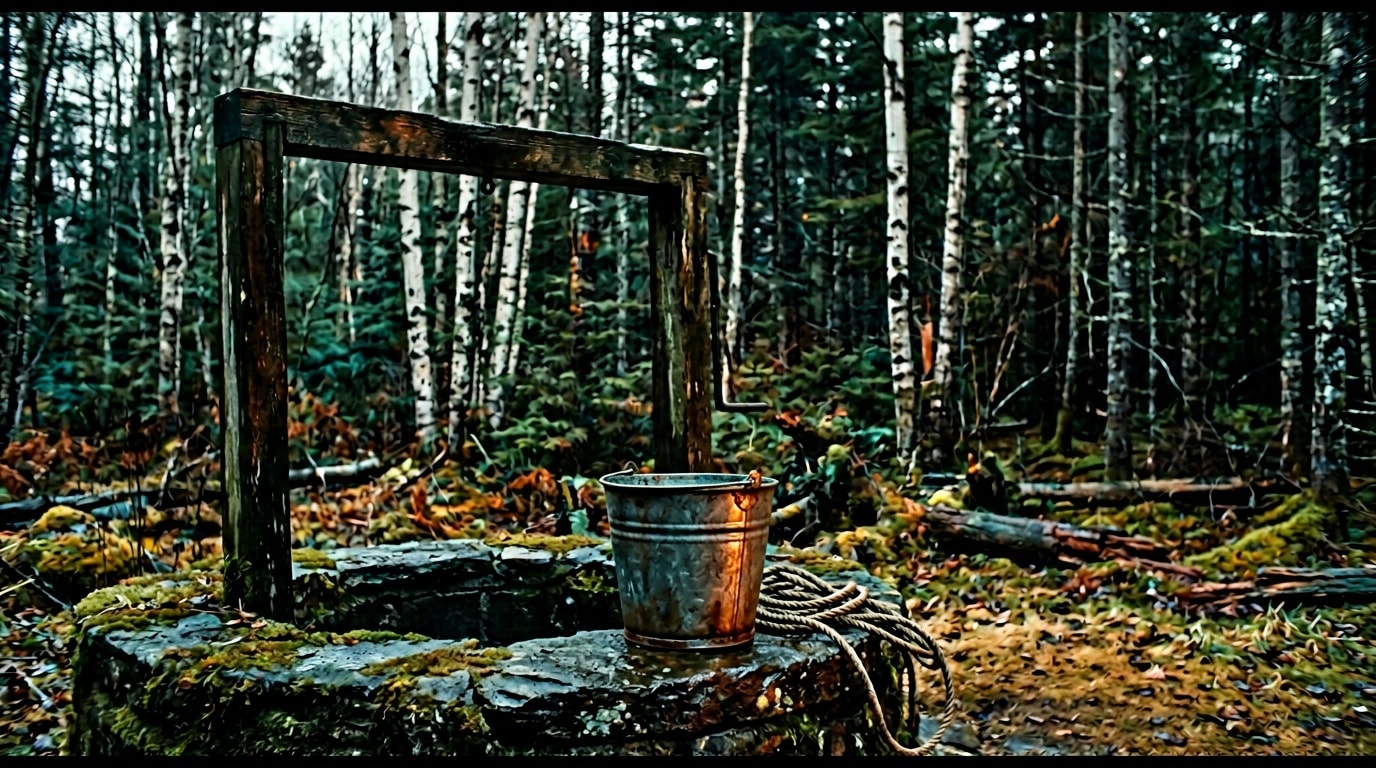
The Well's Unknown Rescuer Knows the Creatures
The unknown figure at the well is not a survivor operating outside the town's logic but an actor already embedded within it, using Boyd's desperation to secure something the town's governing force requires from a new arrival.
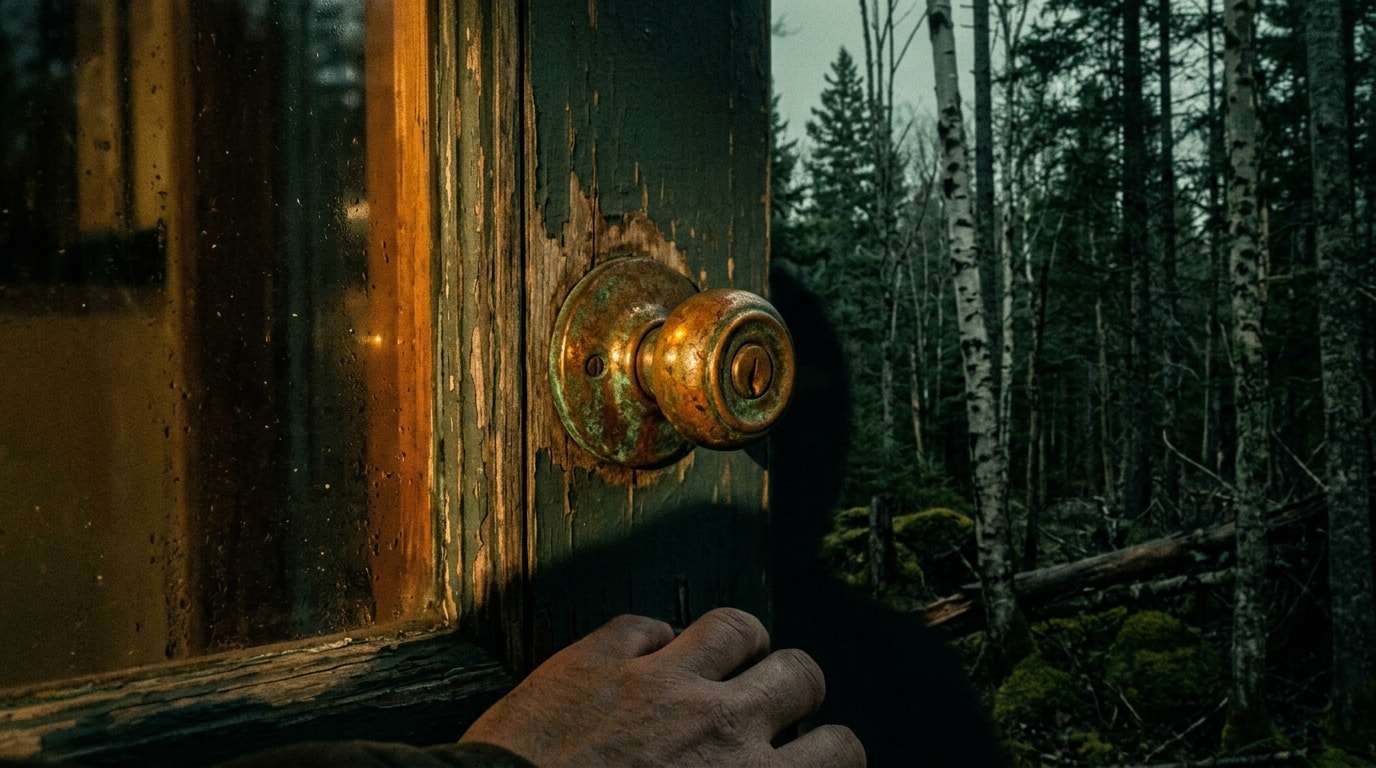
Elgin Knows This Place Already
Elgin's immediate shift from recognition to command to physical collapse on arrival suggests his nervous system had already categorized Town before his conscious mind engaged, pointing toward a prior exposure or a supernatural bond with the place that other passengers do not share.
The Tunnels Are a Ledger, and Victor Is Already in It
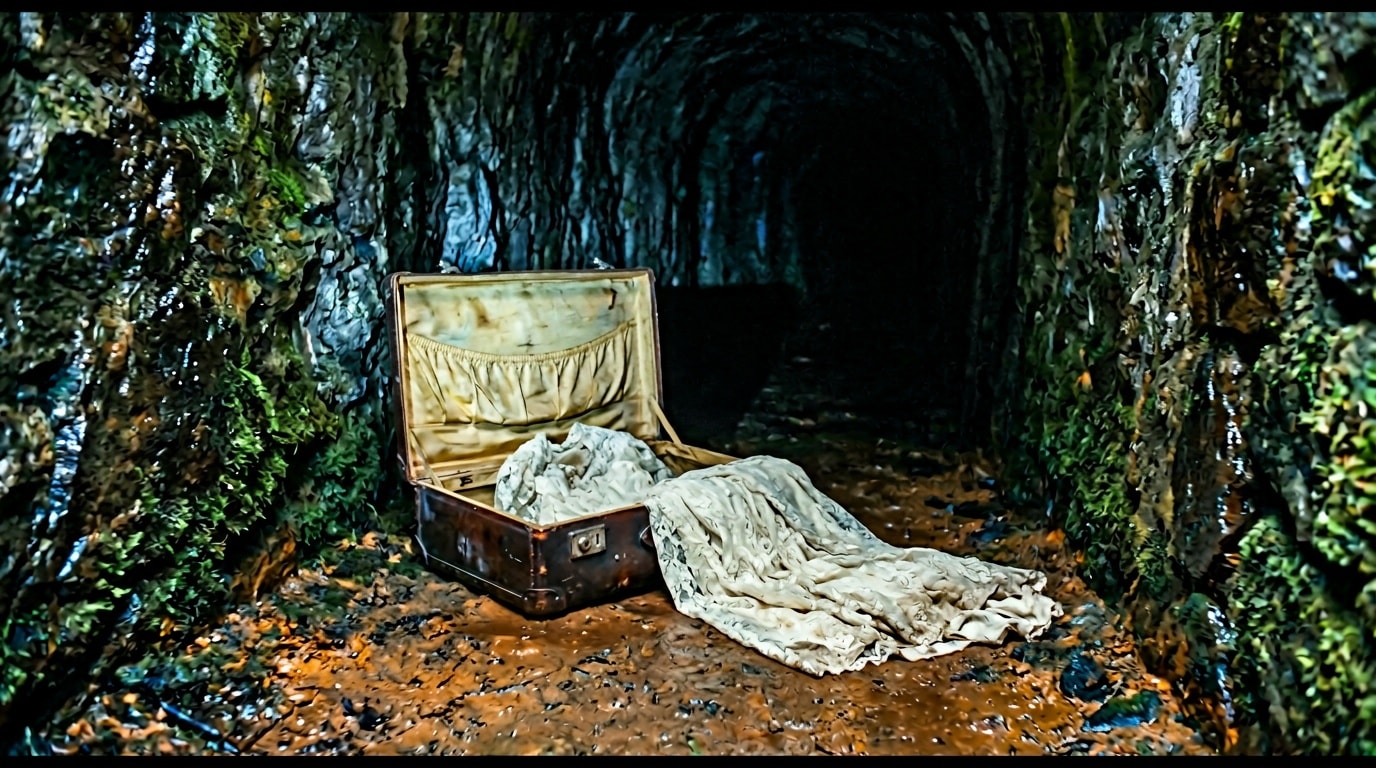
The objects accumulating in the underground tunnels (a wedding dress, a wheelchair, a bicycle, a ventriloquist dummy) form a systematically curated record of human intake organized by vulnerability type and life stage, not incidental debris.
The Town Runs a Closed Cycle: Containment Above, Reconstitution Below
Every structural limit the town imposes on its residents: the asymmetric floor collapse, the directionally filled hole, the shaking that arrives precisely when excavation resumes.
Visions, Not Dreams, Shape Season Two
The town in FROM delivers intrusions calibrated to each recipient regardless of their familiarity with its dangers, using Boyd's corrupted bell-ringing vision and Elgin's pre-conscious arrival panic as parallel evidence that the mechanism operates independent of knowledge or consent.
Something Is Being Kept in the Dark
The creatures beneath the town are running a staged process with the caged figures in their tunnels, not simply holding captives.