Solo's Antibiotics Required Help He Won't Admit
THE THEORY
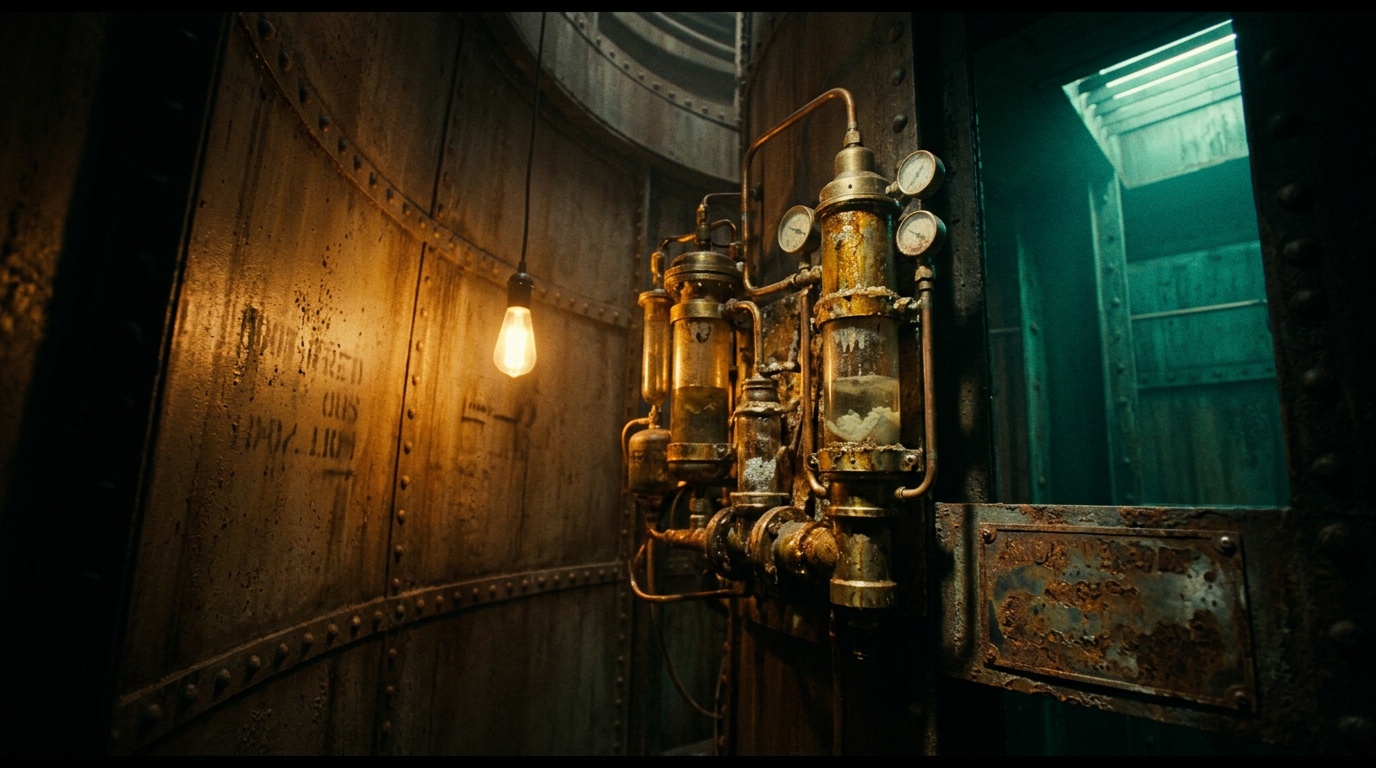
Solo almost certainly did not synthesize working antibiotics alone, which means either the Legacy system provided the protocols or vault-level technology in Silo 17 did the production entirely. The show has not confirmed the actual mechanism by which a man without laboratory infrastructure produced a compound capable of clearing Juliette's infection. If Solo has access to synthesis technology he is framing as personal skill, the antibiotics are not proof of his survival capability but proof of a deliberate concealment about what resources exist and who controls them.
How This Theory Works
Solo's claim that he synthesized antibiotics alone is not a detail the show left vague by accident. It is the load-bearing assertion of his self-presentation, and it does not hold. Producing a compound potent enough to reverse a serious infection requires cultivating specific fungal cultures under controlled conditions and processing them through multiple treatment stages. Solo has no established chemistry background, no confirmed laboratory, and years of isolation behind him. The result he achieved demands an explanation the show has withheld.
The most direct resolution is the Legacy. The system has already been established as a repository of dense, practically applicable knowledge accessible within the silo network. If Solo can navigate it, he could have located synthesis protocols a layperson could execute with available materials, given enough time and motive. Years of isolation provide both. This would explain the outcome without requiring any prior scientific expertise on Solo's part. But the Legacy explanation still leaves Solo as the executor, the one who followed instructions and produced the compound. The harder question is whether he even did that.
If Silo 17 contains vault-level technology capable of synthesizing pharmaceutical compounds directly, then Solo did not make the antibiotics in any meaningful sense. He retrieved them, or requested them, or allowed a system to produce them, and then told Juliette a story about his own ingenuity. The specific mechanism the show must eventually answer is this: what is the actual production pathway, and at what point in that pathway did Solo's hands touch it? That question matters because Solo has already demonstrated he will use material control to limit Juliette's options. He hid her suit. A man who removes exit options to preserve his own leverage over another person is also a man who would frame a technological resource as personal skill, because personal skill cannot be taken from him and used independently. The antibiotics may not be evidence of what Solo can do. They may be evidence of what Solo has, and how carefully he is rationing what Juliette learns about it.
Is this theory convincing?
Key Evidence
Solo Claims He Made Antibiotics
Solo explicitly tells Juliette his antibiotics are working and that he made them, a claim the show presents without any verification of how that production was possible.
Antibiotic Synthesis Requires Infrastructure
Producing functional antibiotics requires specific fungal cultures, controlled treatment processes, and pharmaceutical-grade steps that a lone survivor without a laboratory would struggle to replicate.
Legacy System as Knowledge Source
The Legacy computer system has been established as a repository of detailed practical knowledge, making it the most plausible explanation for how Solo could have learned antibiotic synthesis protocols.
Solo's Unexplained Survival Skills
Solo has demonstrated advanced survival capabilities over years of isolation that go beyond what an ordinary silo resident would possess, suggesting access to information sources he has not disclosed.
Vault Technology as Hidden Alternative
If Solo has access to vault-level technology capable of synthesizing compounds, his framing of the antibiotics as homemade would be a deliberate misdirection about what resources exist in Silo 17.
Other Theories for S2E06

Billings Chooses Law Over Bernard's Order
Billings's demand for a formal investigation into Meadows's death is not a good-faith procedural request.
Bernard's Blockade Destroyed Itself: How Coercive Pressure Handed the Down Deep Its Own Food Supply
Bernard's supply blockade has not merely failed — it generated the conditions for its own failure.
Billings' Herbs Were Making Him Sick
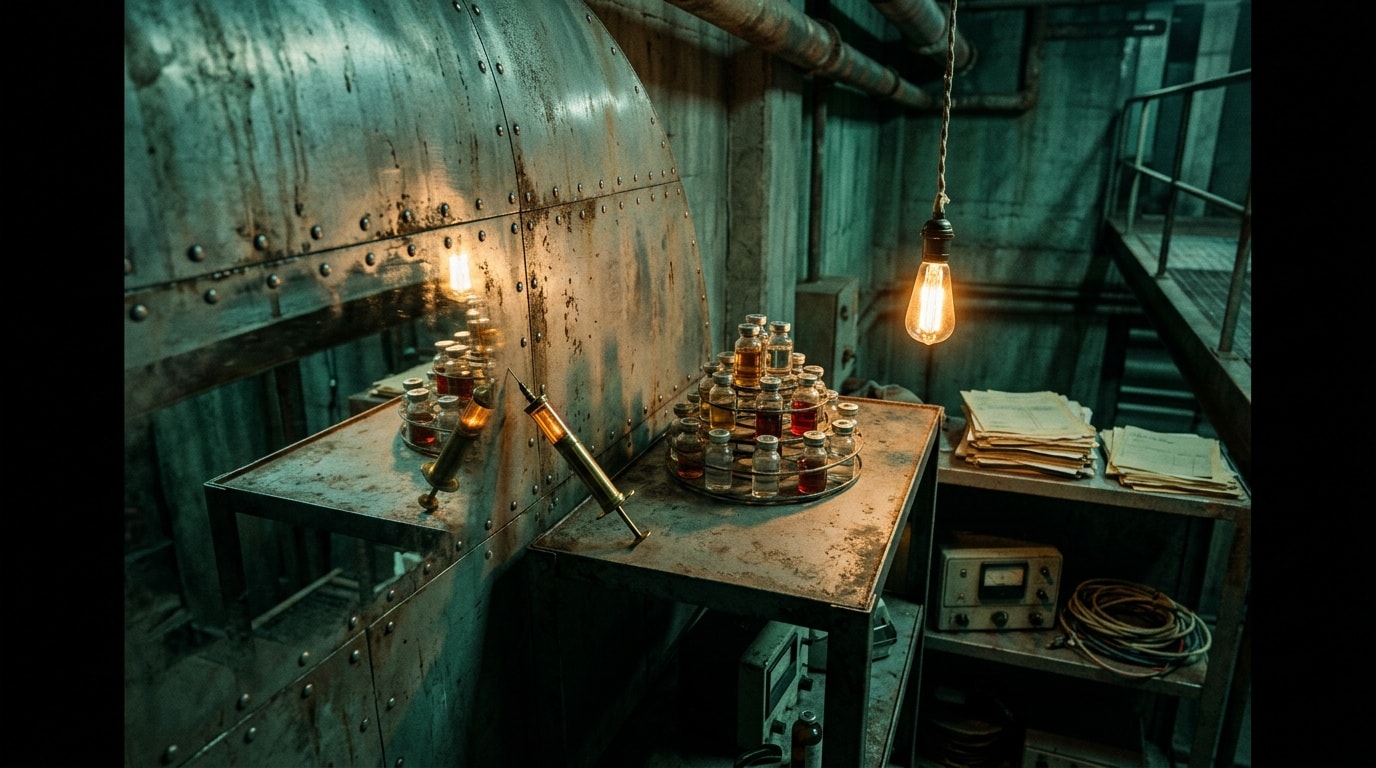
The herbs Billings takes for his Syndrome are likely causing his tremors, not suppressing them, meaning the silo's medical establishment has been administering a control mechanism disguised as treatment.
Quinn's Cipher Selects Its Own Heir, and Bernard Has Already Handed Over the Key
Bernard's offer to make Lukas his shadow is not mentorship but a coerced concession: the cipher in Quinn's letter exceeds Bernard's own capabilities, and Legacy access is the only bribe that keeps Lukas cooperative without a formal breach of protocol.
Knox Locked Down the Armory First
Knox's two-part directive to his metal shop contact was not a precaution.

Camille Is Using Protocol as a Weapon
Camille's deflection of Bernard using Judicial protocol was a prepared move, not improvised self-preservation, and preparation implies she coordinated with Robert Sims before the interrogation rather than after it.
Bernard's Blockade Is the Order Executing Itself
The food blockade strangling Mechanical is not Bernard improvising under pressure but the Order's institutional protocol running exactly as written — a premeditated sequence with a calculated timer, no branch for truth, and no off switch.
Bernard Chains Lukas With the Legacy
Bernard's decision to make Lukas his shadow is a mechanism of capture, not a reward: the cipher in Quinn's letter did not convince Bernard that Lukas could help him, it convinced Bernard that Lukas was already dangerous enough to require containing.