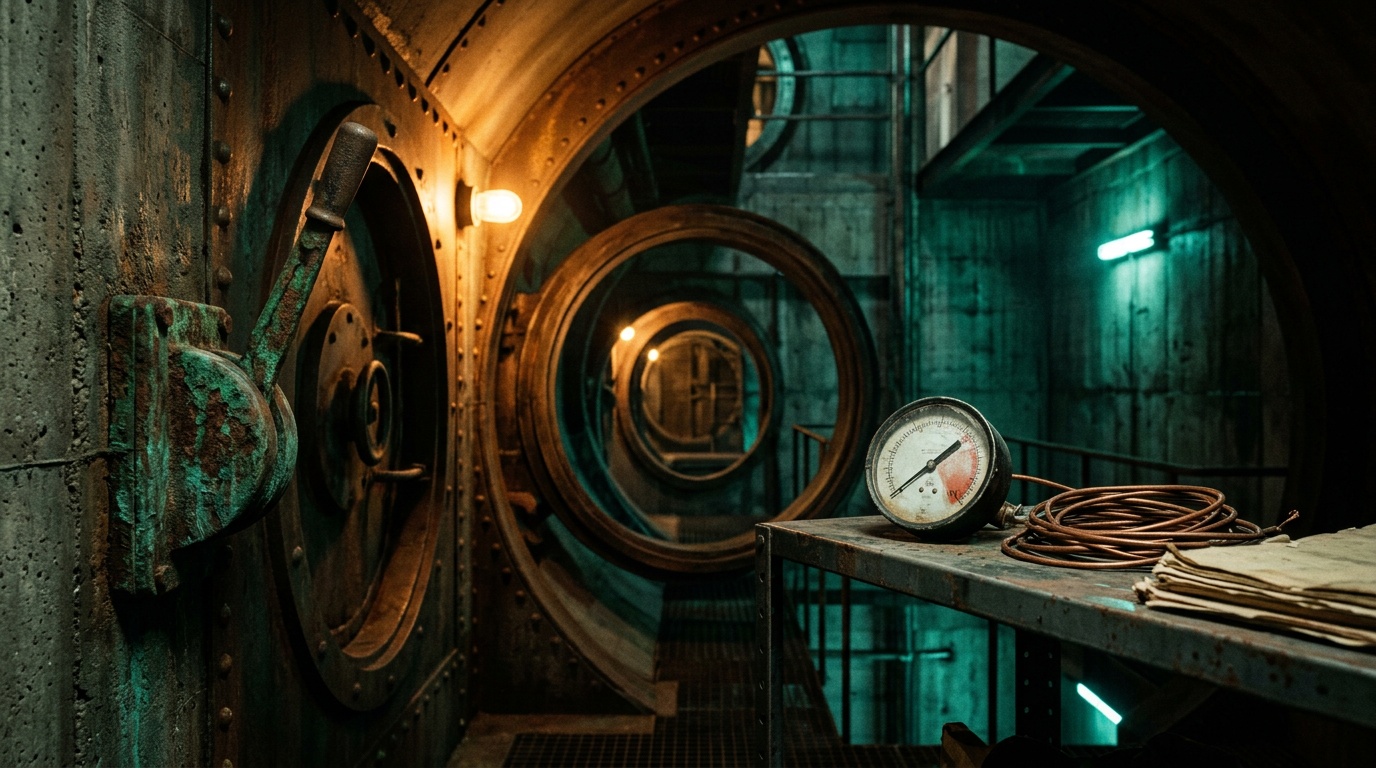
Rebels Flooded the Generator to Force the Door
THE THEORY
The generator flood in Silo 17 was deliberate sabotage coordinated to strip IT of control over the door mechanisms, not a mechanical failure the rebels opportunistically exploited. Their assembly with prefabricated equipment before the warning arrived, and IT's defensive destruction of the bridge, confirm this was a fight over the infrastructure of the lie rather than a spontaneous uprising. The thousands of corpses outside the silo reveal that the door was never a barrier that could be defeated, only a filter designed to kill populations who reach it without the survival knowledge the system was built to deny them.
How This Theory Works
The generator flood was engineered sabotage, and that fact reframes every subsequent event in Silo 17 as evidence that the door was never an exit at all. It was a kill mechanism with extra steps. Tim's warning message from Engineering, delivered under urgency to the Sheriff, was prepared in advance by people who already knew the flood was coming because they caused it. The rebels were already assembled, already armed, already carrying a prefabricated bridge to cross the gap at the IT floor. That coordination is not consistent with a spontaneous response to a crisis. It is consistent with a population that manufactured the crisis on purpose.
The motive is structural. The people of Silo 17 had concluded the toxic atmosphere narrative was fabricated. Flooding the generator was not an act of desperation. It was a calculated attempt to strip IT of the systems that govern the doors and the narrative. If you can disable the control infrastructure long enough, you force the door open. The IT barricade and the blown bridge confirm that whoever controlled those systems understood exactly what was being taken from them and fought to hold it. The door is not just an exit. It is the enforcement mechanism for the lie. Seizing the door meant breaking the entire apparatus.
This is where the theory stops being about the flood and becomes a question about design. Thousands of corpses surround the entrance to Silo 17. The rebels succeeded. The door opened. And none of it produced survival. The uncomfortable implication is not that the rebels miscalculated. It is that the system was built to make this outcome the only available one. A population that discovers the lie and fights to the door has no suits, no infrastructure, and no plan beyond exit, because the silo's design ensures that the knowledge required to survive outside is never distributed to the people who might actually need it. The door was not a barrier that failed. It was a filter that worked exactly as intended: it kills everyone who passes it on the wrong terms, and the terms are controlled entirely by the people who built the room.
Is this theory convincing?
Key Evidence
Tim's Generator Warning Message
Tim delivers a message from Engineering stating the generator will flood in fifteen minutes, arriving just as the rebellion is already organized and moving, suggesting foreknowledge rather than a spontaneous crisis.
Rebel Mobilization Before the Warning
The rebels are already assembled, armed, and carrying a prefabricated bridge when the generator message arrives, indicating the flood was coordinated with the attack rather than a separate accident.
'Lies' Painted on the Cafeteria Display
Juliette finds the word 'Lies' scrawled on the cafeteria monitor, confirming that the Silo 17 population had concluded the outside-world narrative was fabricated, providing a clear motive for forcing the doors open.
Thousands of Bodies Outside the Silo
The present-day exterior of Silo 17 is covered with thousands of corpses, showing that the rebellion succeeded in opening the door but resulted in mass casualties, consistent with a population that walked out believing the air was safe.
Black Flag Still Flying
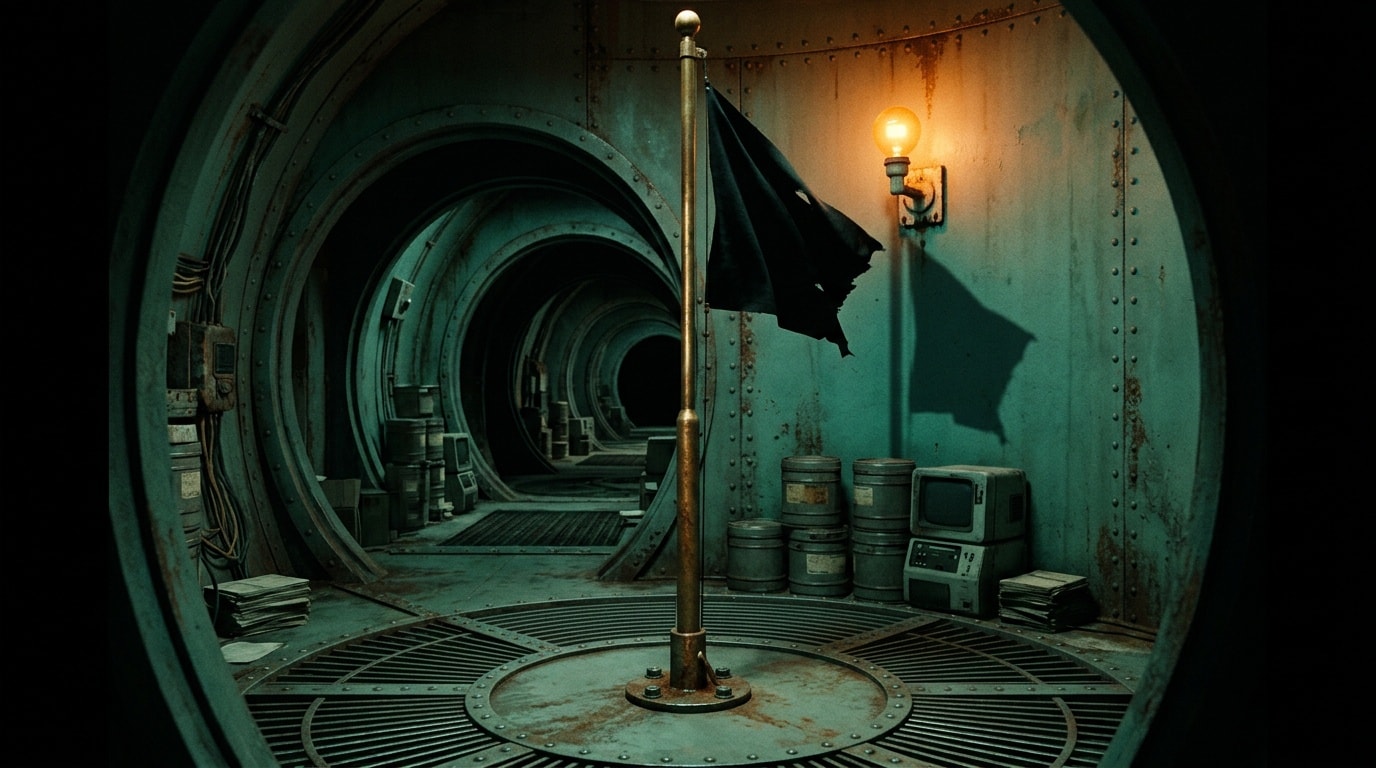
The tattered black flag flying at the entrance to Silo 17 is a remnant of the rebellion, visually confirming that the uprising succeeded in breaching the silo but left devastation rather than liberation.
IT Barricade and Blown Bridge
IT personnel barricaded themselves at the gap and destroyed the bridge connecting the levels, suggesting they were defending a critical control point, consistent with rebels trying to seize the systems that govern the silo doors.
Other Theories for S2E01
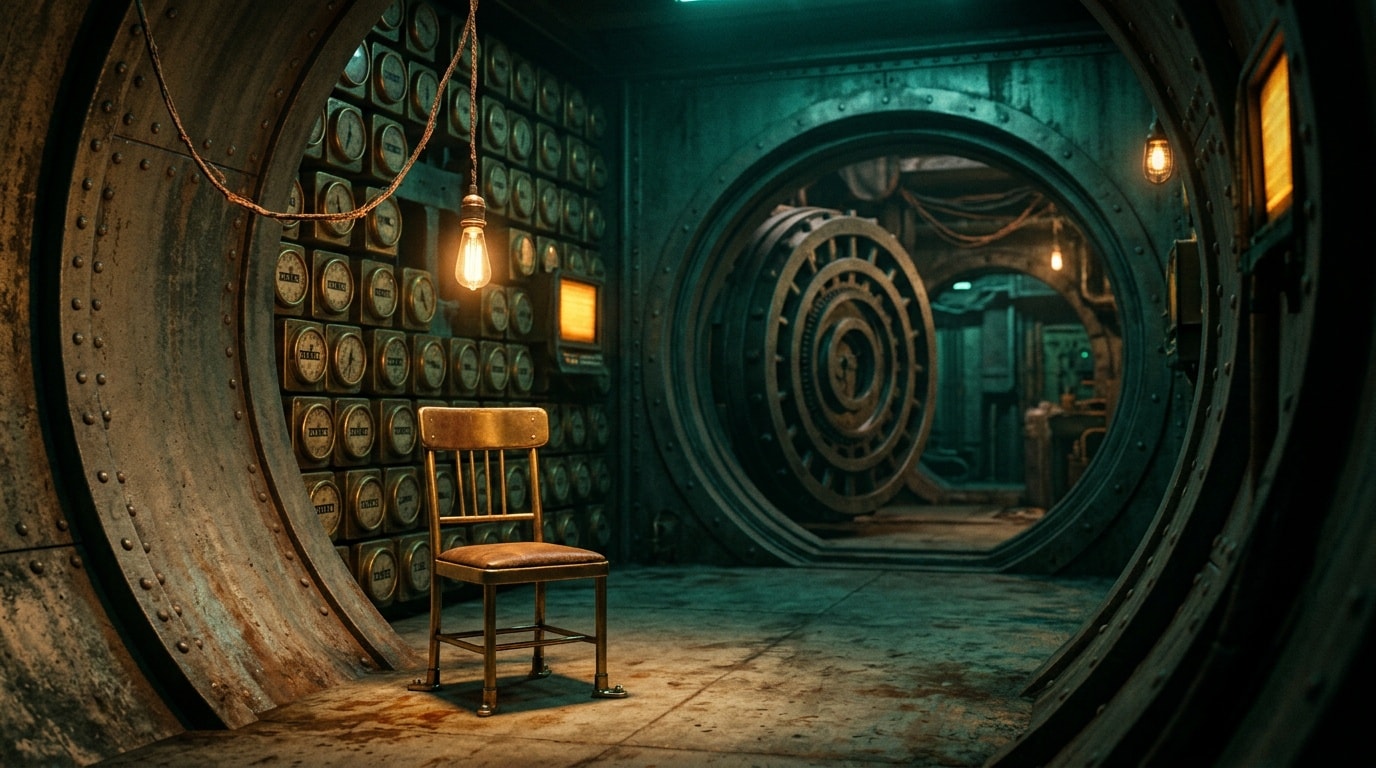
Someone Has Been Waiting Behind That Door
The man behind the vault door in Silo 17 is a deliberate placement, most likely the boy named Tim from the opening flashback, sealed inside before the rebellion ended by someone who anticipated the silo's collapse and never returned.
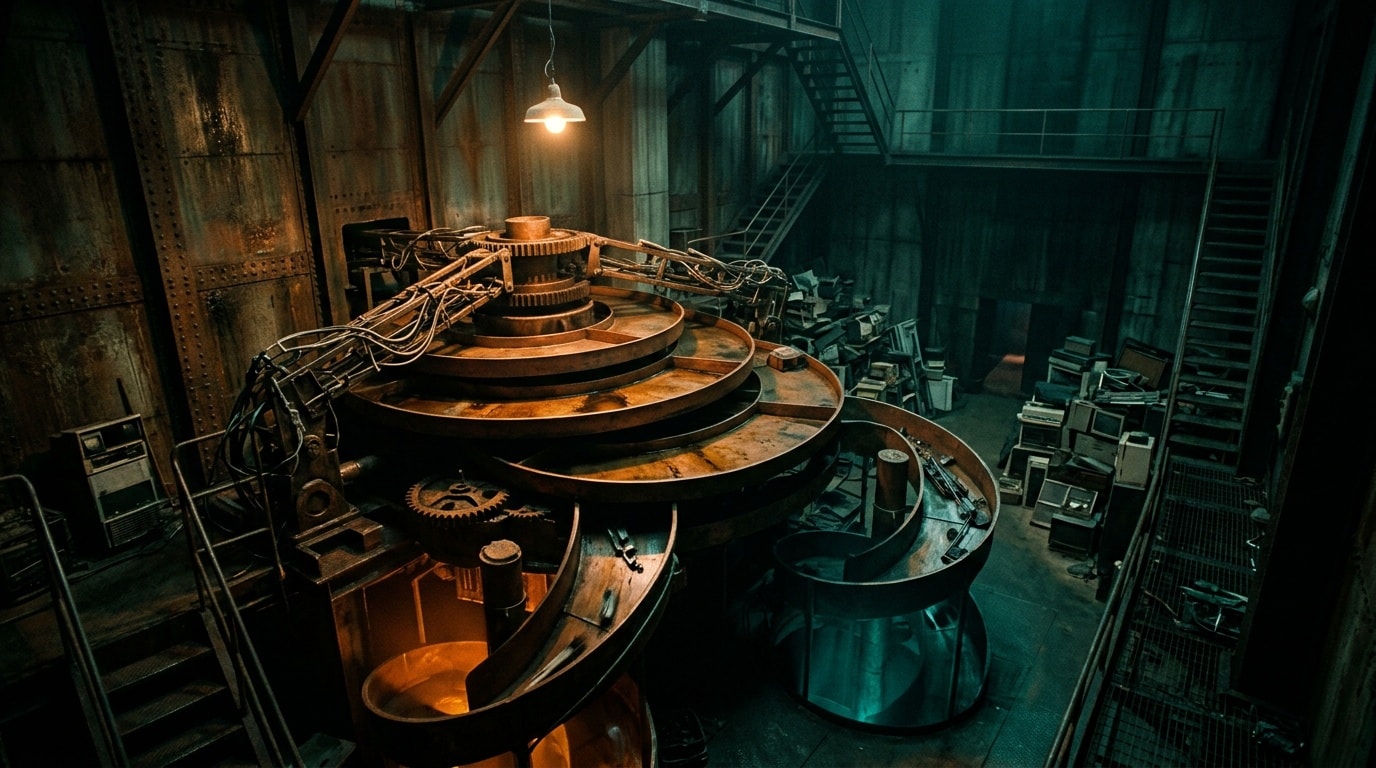
Silo 17's 'Lies' Marks a Rebellion Betrayed
The controllers of the silos do not fear rebellion because rebellion, properly managed, eliminates the population most likely to destabilize the system.
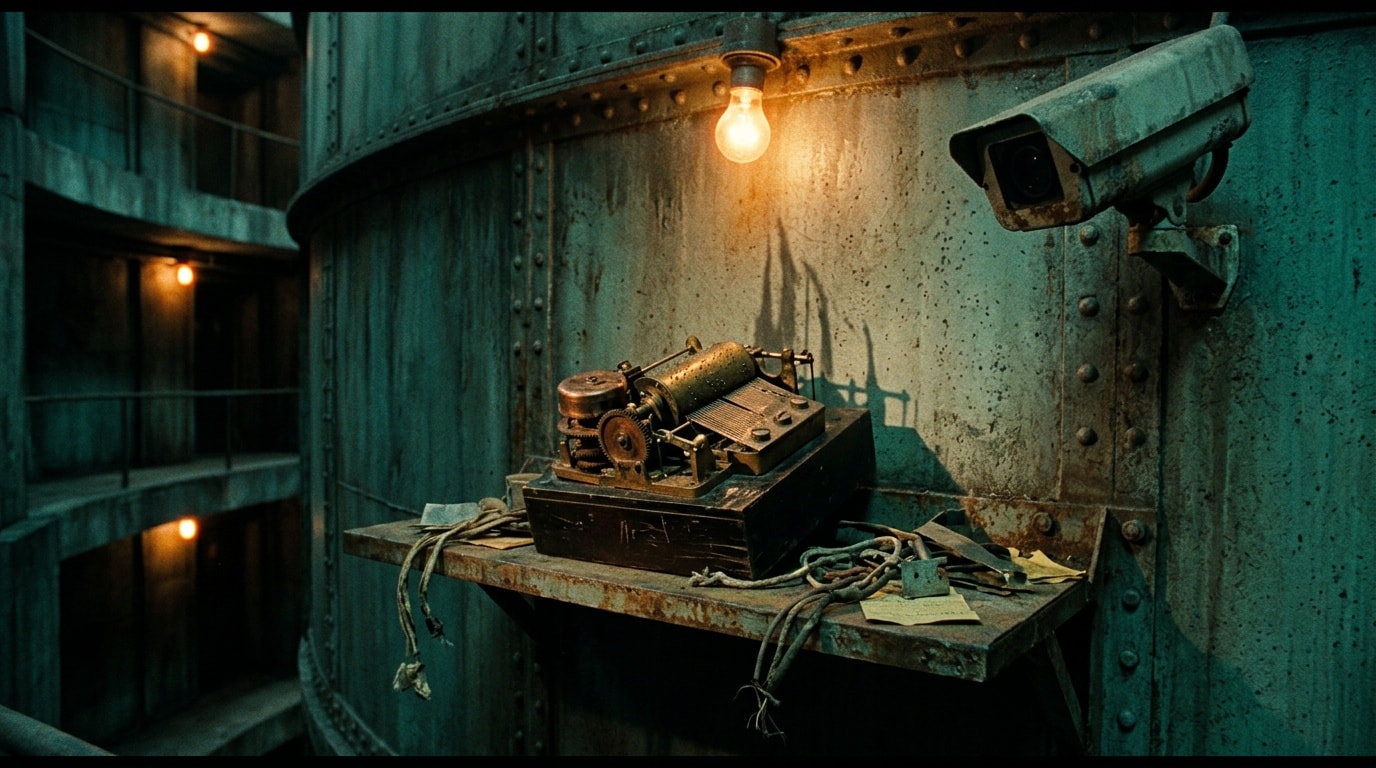
Solo Played Moon River to Draw Juliette In
Solo engineered first contact with Juliette on his own terms by using Moon River as an audible lure, exploiting the music's reach in a silo where he could have remained permanently invisible.
The Flashback Shows Silo 17's Rebellion
The flashback depicts the specific rebellion of the silo Juliette enters, confirmed by the precise mapping of its damage events onto the silo's current physical state and the black flag still flying above thousands of corpses at the entrance.
Someone Cut Juliette's Rope On Purpose
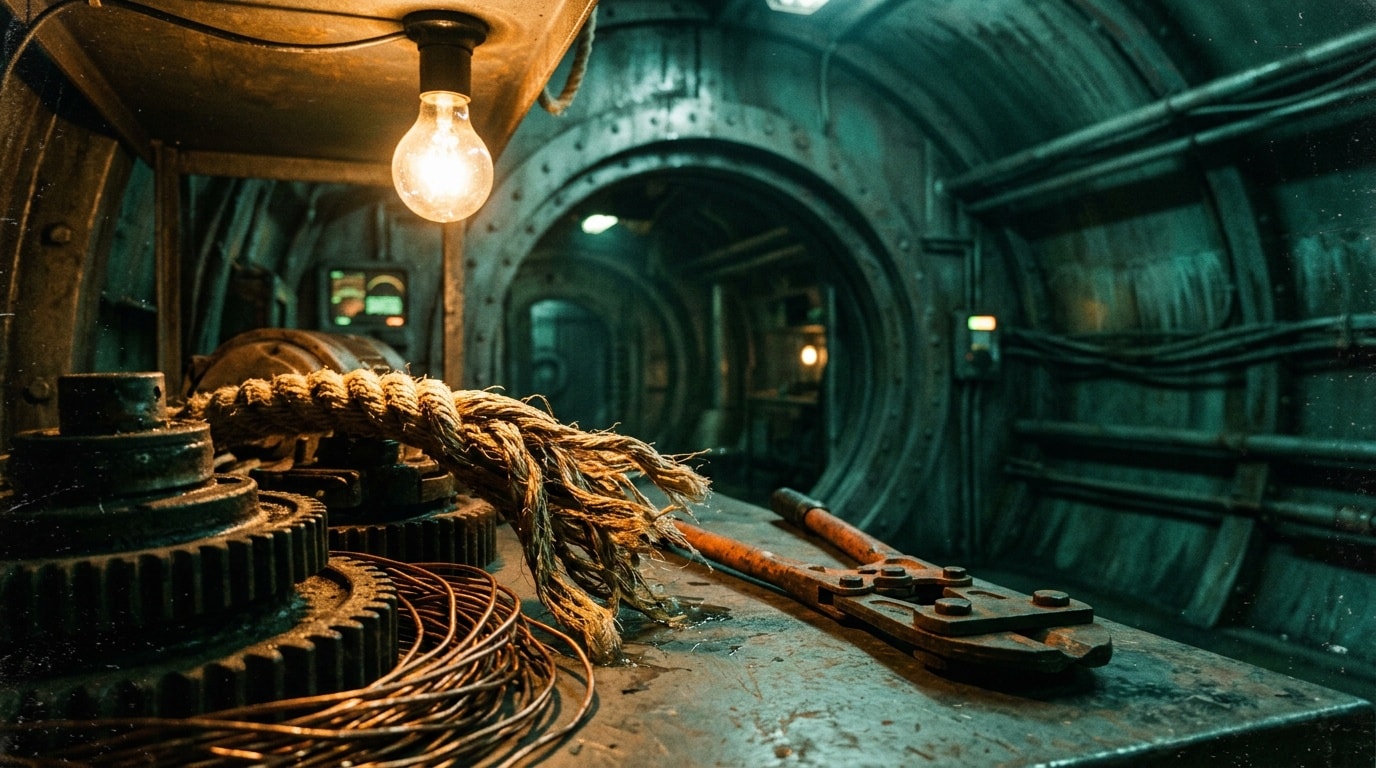
The vault figure behind the reinforced door cut Juliette's rope before her chasm crossing, staging a survivable failure as a demonstration of control rather than an attempt on her life.