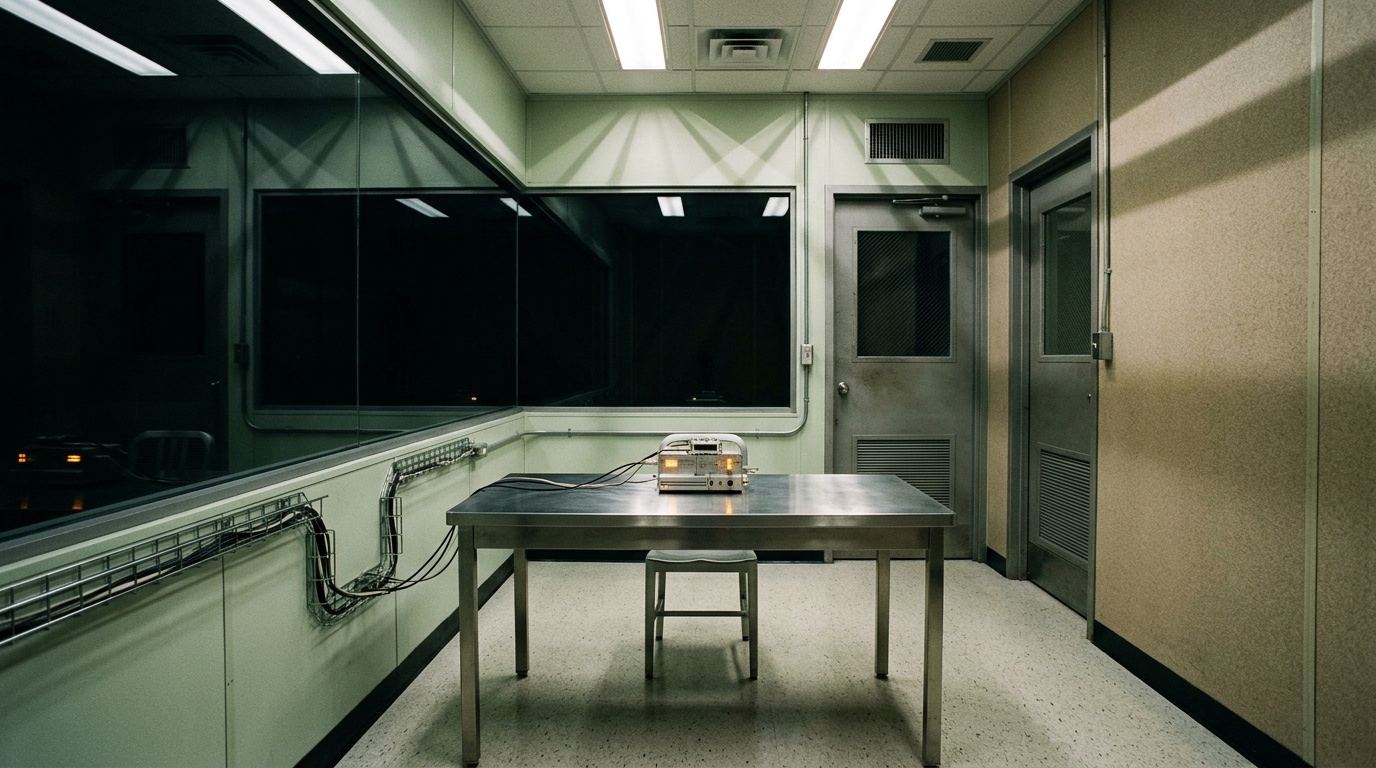
The Plastic Room Is Not a Blind Spot
THE THEORY
Mark and Helly's assumption that the plastic-sheeted room sits outside Lumon's surveillance grid has no structural basis, and the show's established pattern of monitored-with-tolerance spaces makes their belief in genuine privacy exactly the kind of mistake Lumon would want them to make. If the encounter was observed, the intimacy was not stolen but permitted, or catalogued, or used. Mark's nosebleed arriving immediately after, in the same episode Asal names hemorrhage as a chip-flooding risk, raises the possibility that Lumon's system did not merely record the act but registered it through the implant itself.
How This Theory Works
The plastic-covered storage room is not a genuine surveillance gap, and Mark and Helly both know it. They selected it because it looked unmonitored, not because they had any evidence it was. The show has established through the plant room and the MDR floor itself that Lumon's coverage is pervasive and that apparent privacy is often the product of company tolerance rather than genuine escape. What the theory has not said directly is this: Mark's hallway scan before entry is not caution about being seen by a colleague. It is the behavior of someone who understands, on some level, that evasion of Lumon is probably impossible and is performing the ritual of evasion anyway. The scan is not a precaution. It is a confession.
Helly frames the plastic enclosure as a tent. That framing is doing more work than it appears to. A tent is shelter you construct from materials that are not walls. It offers the psychology of enclosure without its function. Helly names this accurately, and neither of them stops. The intimacy they treat as stolen may be catalogued in full, which means Lumon's posture toward it is not ignorance but choice. The company has permitted it, or is permitting it, or is waiting.
What sharpens this reading is the order of what follows. Mark's nosebleed begins the moment they return to the corridor. Asal has already warned him that flooding his chip carries a risk of hemorrhage. Lumon's system has access to his implant. If the company witnessed the act and the chip registered the cortical load, the bleed is not a random symptom. It is a legible response from a system that has just recorded something it was designed to flag. The uncomfortable pressure point the theory has been circling is that Lumon may not merely have observed the encounter but may have physiologically marked it, using Mark's own body as the notation. The nosebleed is not proof of punishment. It may be proof of receipt.
Is this theory convincing?
Key Evidence
Plastic Sheeting Tent Construction
Mark and Helly enter a room where all furniture is covered with plastic sheets, rearrange those sheets into a tent-like enclosure, and use the improvised structure as the site of their intimate encounter.
Hallway Scan Before Entry
Before entering the storage room, Mark looks around the corridor, indicating both characters understand they are attempting to find a space outside normal observation rather than having confirmed such a space exists.
Helly's Tent Framing
Helly describes the plastic-sheeted room as being 'like a tent,' framing the enclosure as a psychological shelter from Lumon's environment rather than a structurally verified blind spot.
Immediate Post-Encounter Nosebleed
Mark's nosebleed begins the moment he and Helly return to the corridor after their encounter, arriving in the same episode that Asal warns the chip-flooding procedure carries a risk of hemorrhage.
Lumon's Pervasive Surveillance Pattern
Prior episodes establish that spaces employees treat as private, including the plant room, are either monitored or monitored-with-tolerance by Lumon, making any assumption of undetected intimacy structurally suspect.
Other Theories for S2E06
Burt's Dinner Invitation Was a Lumon Trap
Burt's dinner invitation was a coordinated Lumon operation designed to clear Irving's home so that Drummond, a Lumon Elite operative, could photograph Irving's accumulated research.
Milchick Arrived Already Willing to Erase Himself
Milchick is not being broken by Lumon's performance review system.
Mark's Severed Barrier Is Already Dissolving
Mark's severance barrier is already failing from within, producing real-time concurrent sensory bleed between his innie and outie experience that the chip was specifically designed to prevent.
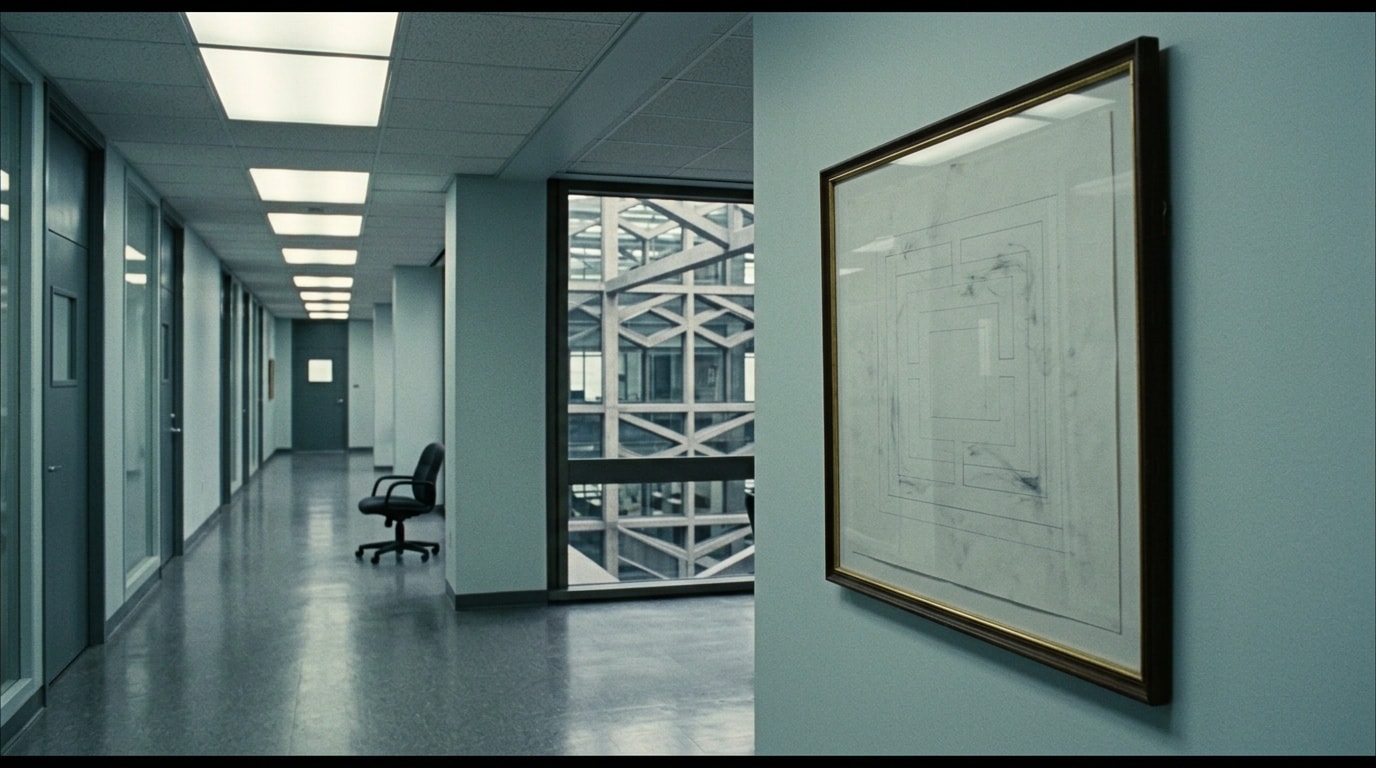
The Map Points Straight Down to Casey
Ms.
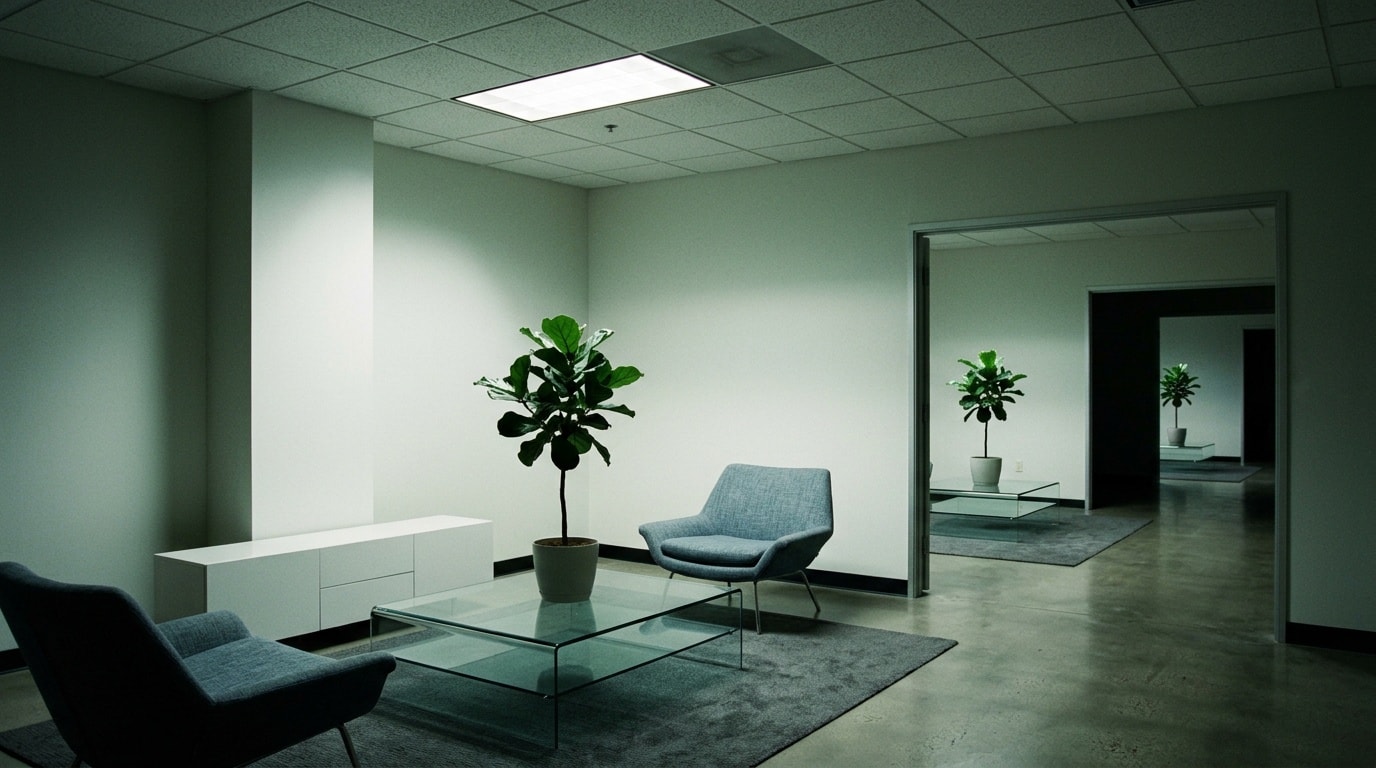
Burt Was Inside Lumon Before Severance Existed
Burt's association with Lumon predates the official severance program by at least eight years, a gap he refused to address when Irving raised it directly at the dinner table.
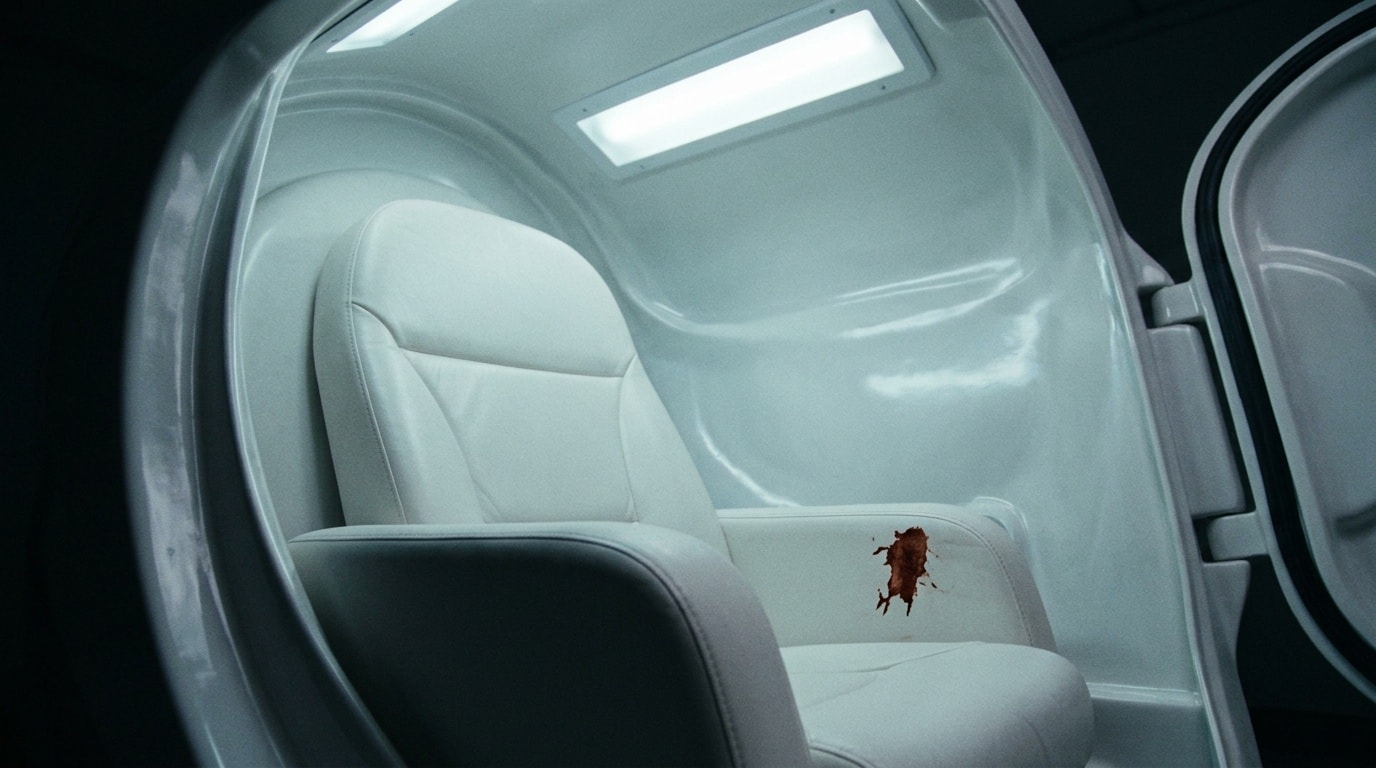
Helena Stole What Helly Built Back
Helena's retreat encounter with Mark was not an operational maneuver but an act of emotional acquisition, using Helly's body and identity to reach intimacy her position inside Lumon has made structurally unavailable.

Milchick Weaponizes Huang's Fellowship Against Her
Milchick is using Miss Huang's Wintertide fellowship as a punitive instrument activated by the specific humiliation of his performance review, not by any administrative necessity.
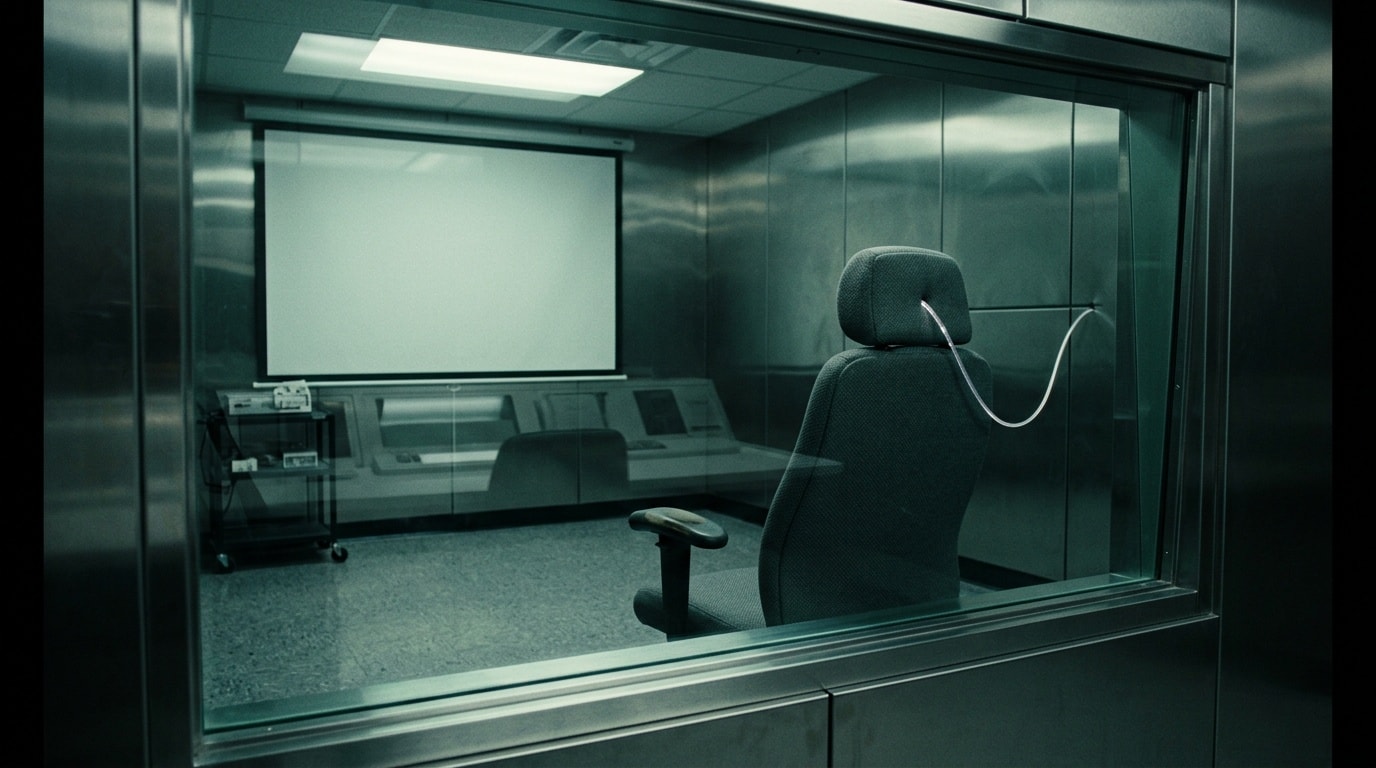
Gemma Is Still Conscious Inside Ms. Casey
Lumon did not erase Gemma Scout's consciousness through severance but suppressed and retained it because she performs a function no replacement can fulfill.