Mark's Severed Barrier Is Already Dissolving
THE THEORY
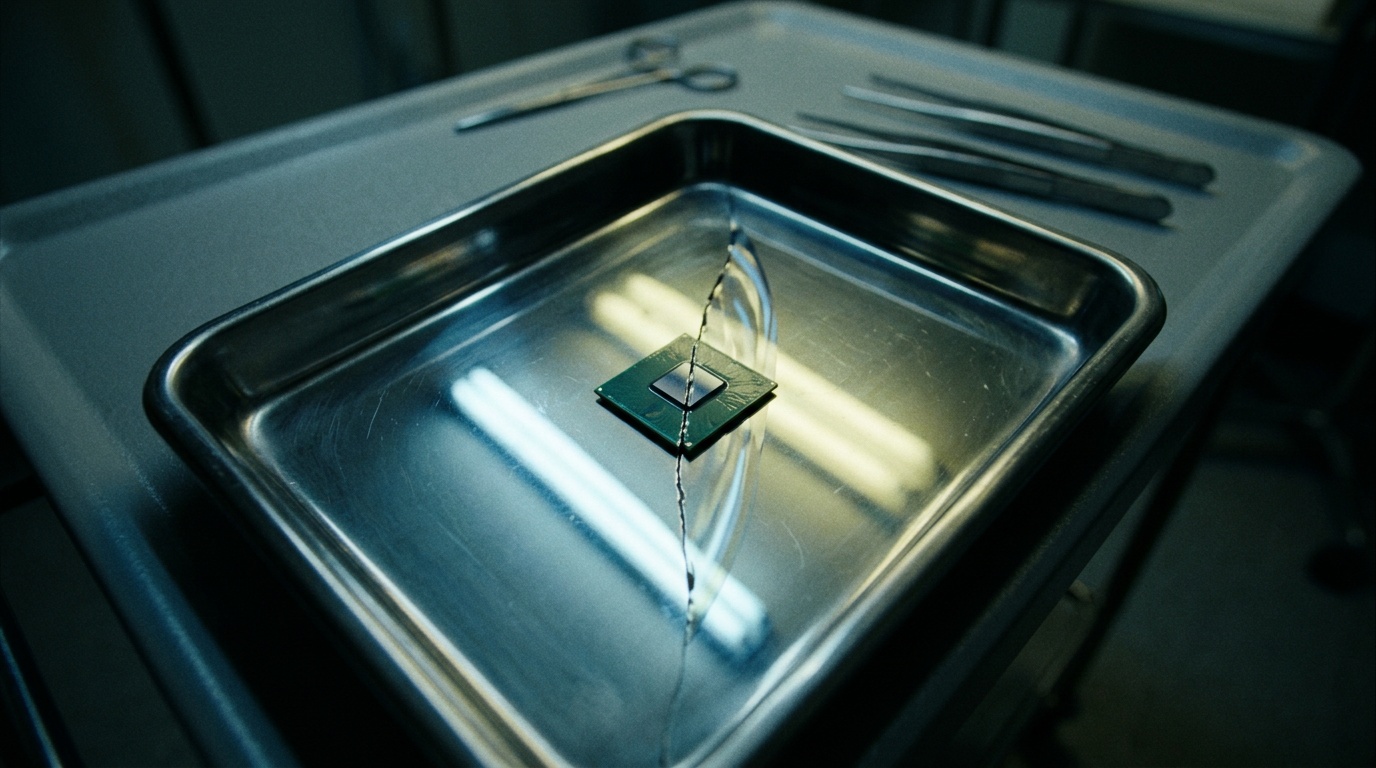
Mark's severance barrier is already failing from within, producing real-time concurrent sensory bleed between his innie and outie experience that the chip was specifically designed to prevent. The unresolved question is whether this degradation is spontaneous chip failure or a consequence of the existing physical breach in his skull, because the answer determines whether Asal's intervention is a controlled risk or an acceleration of damage already in motion. If the barrier is dissolving before she acts, Lumon has already lost containment on Mark without knowing it.
How This Theory Works
Mark's severance chip is supposed to enforce a hard partition: innie at Lumon, outie everywhere else, with no sensory or cognitive overlap between them. What Mark experiences in this episode breaks that model in a way the show has not yet explained: concurrent sensory bleed, not memory, not dream, but two spatial realities occupying the same moment. The precise mechanism the show must eventually account for is whether the perceptual crossover is being driven by chip degradation from within, or whether Asal's prior access to the chip hardware has already introduced a structural breach that is now propagating on its own.
The second episode confirms the first is not a fluke. During Miss Huang's blood pressure check, Mark flashes between the exam room and his basement with Asal, again in real time. Asal asks if he was just at Lumon. He cannot answer with certainty. He does not know which location is real in that moment. The chip is designed to prevent exactly this kind of confusion, and it is failing to do so. Two crossover events within the same episode points toward escalating frequency rather than isolated malfunction.
What makes the timing critical is that Asal has just described flooding the chip through the existing hole in his skull, with a slight hemorrhage risk acknowledged. Mark's nose begins bleeding shortly after. The show does not confirm causation, but that proximity changes what Asal's proposed intervention actually is. If the chip's containment is already degrading, she would not be creating a new vulnerability. She would be accelerating the collapse of one already underway, and the hemorrhage she warned him about may already be in progress.
Is this theory convincing?
Key Evidence
Fridge Flashes Between Two Locations
When Mark opens the Lumon break room fridge, his perception flashes between the packaged Lumon meals and the contents of his home fridge, with the disorientation extending to his surrounding environment flashing between Lumon and home.
Blood Pressure Flash to Basement
During Miss Huang's health check, Mark flashes between the exam room at Lumon and his basement with Asal, unable to confirm to either party which location he is actually in.
Asal Confirms Real-Time Crossover
In the basement, Asal asks Mark if he was just at Lumon, and he cannot answer with certainty, indicating both parties recognize that he was simultaneously present in two experiential locations.
Nosebleed Following Perceptual Episodes
Mark's nosebleed appears shortly after the fridge flash and during the period when Asal has proposed flooding his chip through the existing hole in his skull, suggesting the perceptual episodes may have a physical correlate.
Asal's Hemorrhage Warning
Asal tells Mark her proposed intervention carries a slight risk of hemorrhage, placing her acknowledgment of physical danger in direct temporal proximity to Mark's unexplained nosebleed.
Escalating Frequency of Crossover Episodes
Mark experiences two distinct perceptual crossover events within the same episode, first at the fridge and then during the blood pressure check, suggesting the episodes are increasing in frequency rather than being isolated incidents.
Other Theories for S2E06
Burt's Dinner Invitation Was a Lumon Trap
Burt's dinner invitation was a coordinated Lumon operation designed to clear Irving's home so that Drummond, a Lumon Elite operative, could photograph Irving's accumulated research.
Milchick Arrived Already Willing to Erase Himself
Milchick is not being broken by Lumon's performance review system.
The Map Points Straight Down to Casey
Ms.

Burt Was Inside Lumon Before Severance Existed
Burt's association with Lumon predates the official severance program by at least eight years, a gap he refused to address when Irving raised it directly at the dinner table.
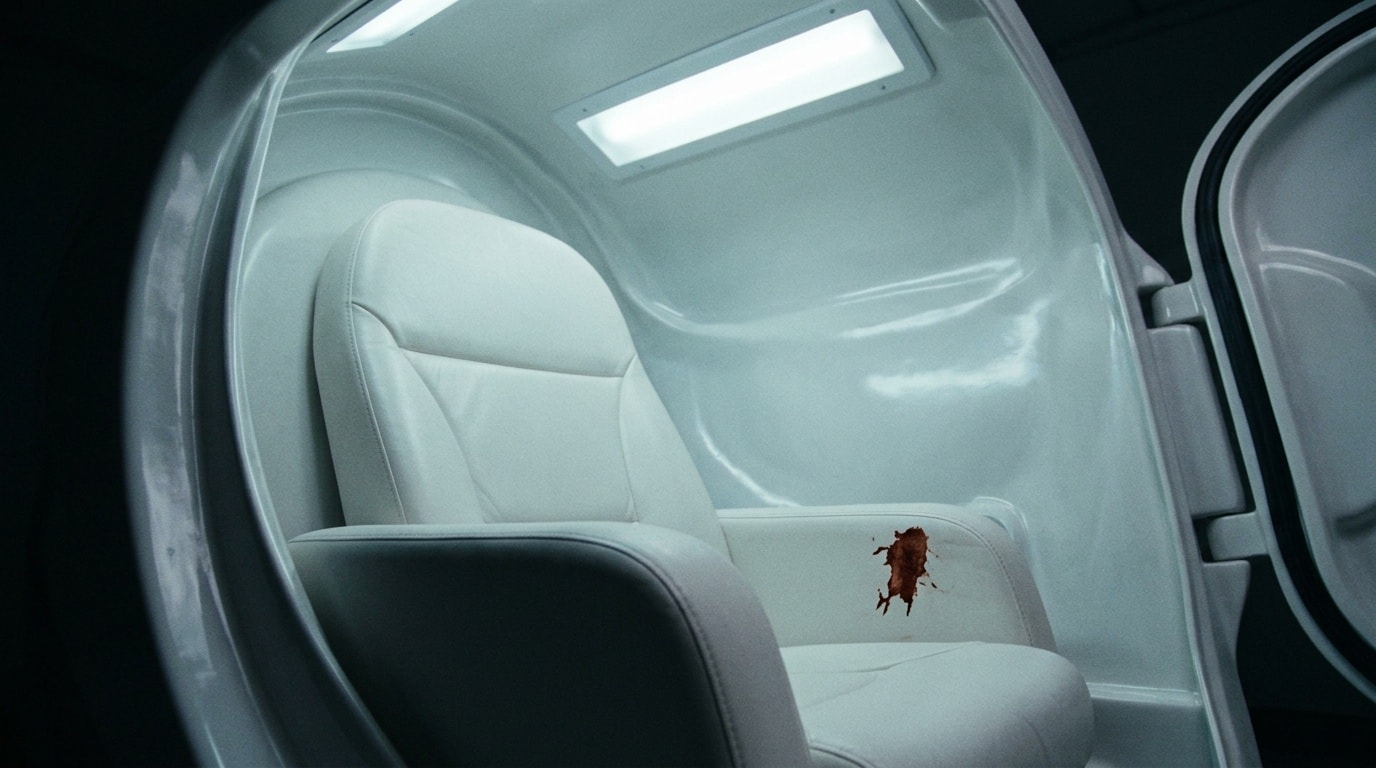
Helena Stole What Helly Built Back
Helena's retreat encounter with Mark was not an operational maneuver but an act of emotional acquisition, using Helly's body and identity to reach intimacy her position inside Lumon has made structurally unavailable.
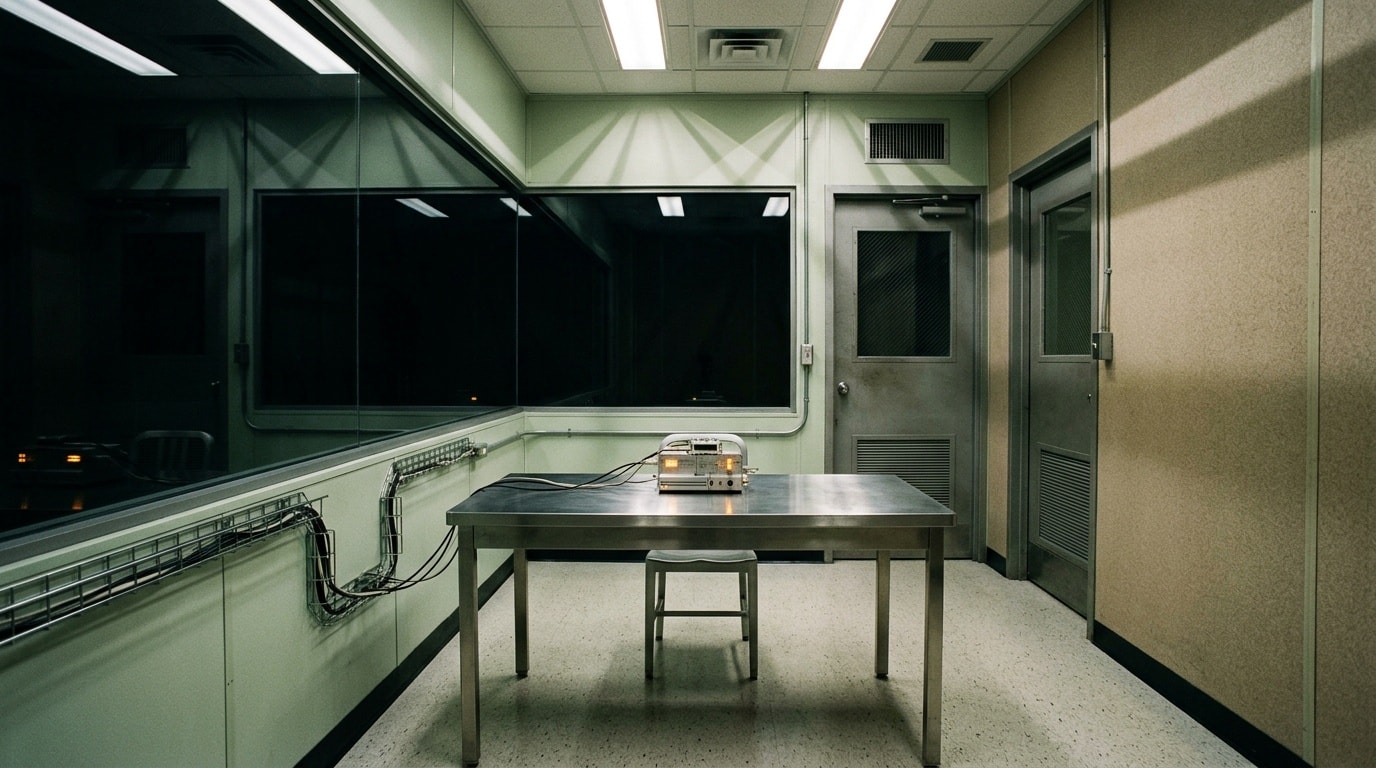
The Plastic Room Is Not a Blind Spot
Mark and Helly's assumption that the plastic-sheeted room sits outside Lumon's surveillance grid has no structural basis, and the show's established pattern of monitored-with-tolerance spaces makes their belief in genuine privacy exactly the kind of mistake Lumon would want them to make.

Milchick Weaponizes Huang's Fellowship Against Her
Milchick is using Miss Huang's Wintertide fellowship as a punitive instrument activated by the specific humiliation of his performance review, not by any administrative necessity.
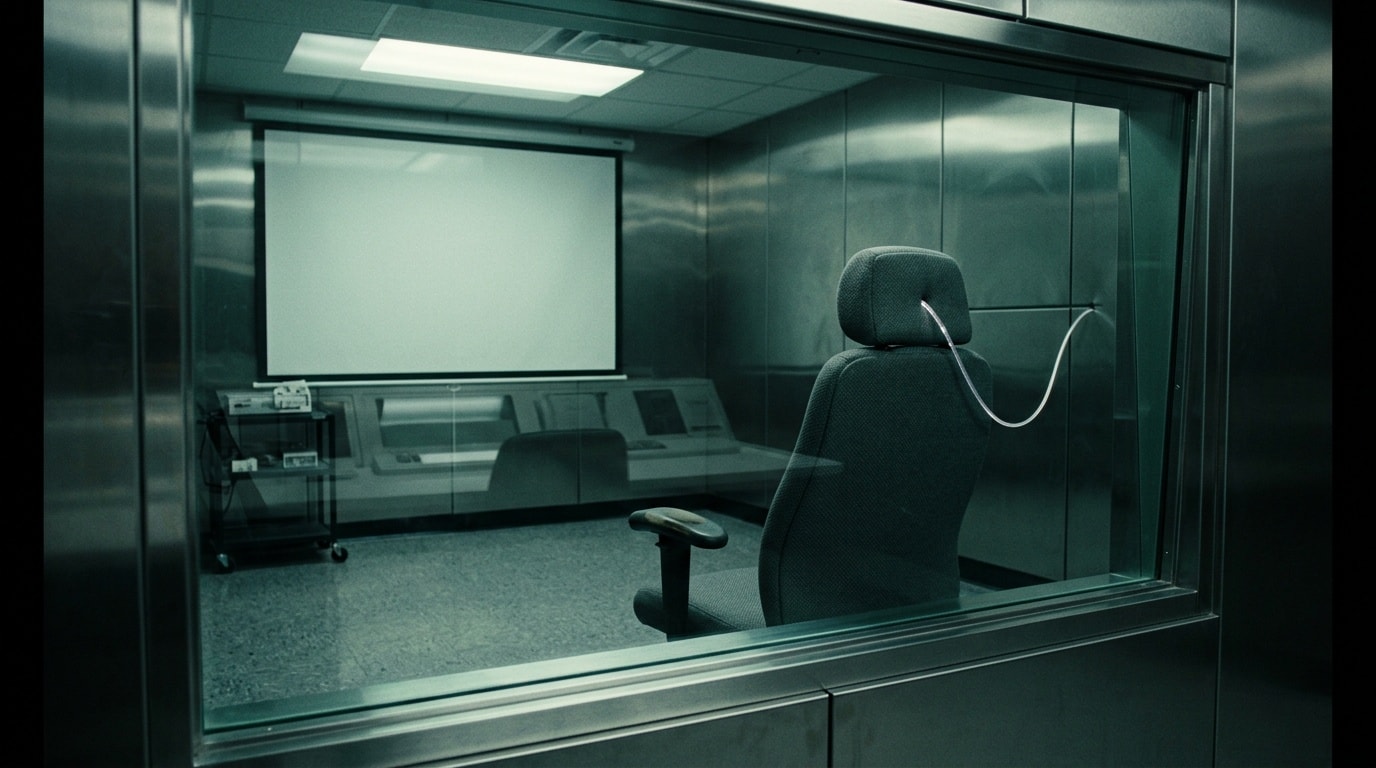
Gemma Is Still Conscious Inside Ms. Casey
Lumon did not erase Gemma Scout's consciousness through severance but suppressed and retained it because she performs a function no replacement can fulfill.