
Milchick Weaponizes Huang's Fellowship Against Her
THE THEORY
Milchick is using Miss Huang's Wintertide fellowship as a punitive instrument activated by the specific humiliation of his performance review, not by any administrative necessity. The sequence of events, review first and then the fellowship reminder delivered to the most plausible feedback source, reveals that Milchick routes personal injury through institutional procedure so that retaliation never has to name itself. This is not a departure from his character but the fullest expression of a man who has internalized Cobel's management model while believing he is nothing like her.
How This Theory Works
Milchick does not redirect his humiliation toward Huang because the institutional structure permits it. He redirects it toward her because she is the only person in his sphere over whom he holds equivalent asymmetrical power to the power that was just exercised over him. The performance review did not merely sting his professional standing. It attacked the vocabulary he uses to signal that he is more than his function, that he is educated and precise and above the floor he manages. The mirror scene is not embarrassment. It is a man being told that the thing he believed distinguished him is a liability, and rehearsing its removal. Huang's fellowship graduation becomes the available instrument for restoring the balance that the review destroyed.
The power structure Milchick invokes in that conversation is deliberately asymmetrical. By framing Huang's advancement as contingent solely on his judgment, he transforms her institutional ambition into a vulnerability he controls. She cannot escalate against him without risking the credential she is there to earn. This is leverage, not mentorship, and it functions as a ceiling placed directly over her at the exact moment he needs to feel like a ceiling exists.
What this theory refuses to soften is the implication about Milchick's interior relationship to institutional procedure. If he were simply passing along pressure from above, the timing would be incidental. It is not incidental. He calls her in after the review, not before. The sequence reveals that Milchick does not use procedure to manage people despite his personal state. He uses procedure because of his personal state, as a sanctioned container for retaliation that never has to announce itself as retaliation. This is the mechanism Cobel perfected and it destroyed her from the inside. Milchick is not becoming Cobel. He may already be operating from the same place Cobel operated from when she was still considered functional.
Is this theory convincing?
Key Evidence
Fellowship Warning After Performance Review
Milchick calls Miss Huang in immediately after receiving his performance review and reminds her that she cannot graduate from the fellowship until he personally deems her Wintertide material, with the review serving as the direct trigger for the meeting.
Milchick Alone With Review
After dismissing Huang, Milchick is shown alone looking at his performance review, suggesting the meeting with her was shaped by the review's contents rather than by any independent scheduling.
Wintertide Graduation as Leverage
Milchick explicitly tells Huang that her fellowship graduation depends entirely on his judgment, giving him unilateral authority to block her advancement and making her career contingent on his goodwill.
Mirror Scene Language Regression
Milchick practices progressively simpler language in a mirror after being told he uses too many big words in his review, revealing the review struck at his sense of identity and creating a plausible motive for retaliation.
Cobel Parallel in Power Structure
The tactic of using institutional gatekeeping as personal leverage mirrors the strategy Cobel used to maintain control, suggesting Milchick has internalized and is now deploying the same management model that defined his predecessor.
Other Theories for S2E06
Burt's Dinner Invitation Was a Lumon Trap
Burt's dinner invitation was a coordinated Lumon operation designed to clear Irving's home so that Drummond, a Lumon Elite operative, could photograph Irving's accumulated research.
Mark's Severed Barrier Is Already Dissolving
Mark's severance barrier is already failing from within, producing real-time concurrent sensory bleed between his innie and outie experience that the chip was specifically designed to prevent.
Milchick Arrived Already Willing to Erase Himself
Milchick is not being broken by Lumon's performance review system.
The Map Points Straight Down to Casey
Ms.

Burt Was Inside Lumon Before Severance Existed
Burt's association with Lumon predates the official severance program by at least eight years, a gap he refused to address when Irving raised it directly at the dinner table.

Helena Stole What Helly Built Back
Helena's retreat encounter with Mark was not an operational maneuver but an act of emotional acquisition, using Helly's body and identity to reach intimacy her position inside Lumon has made structurally unavailable.
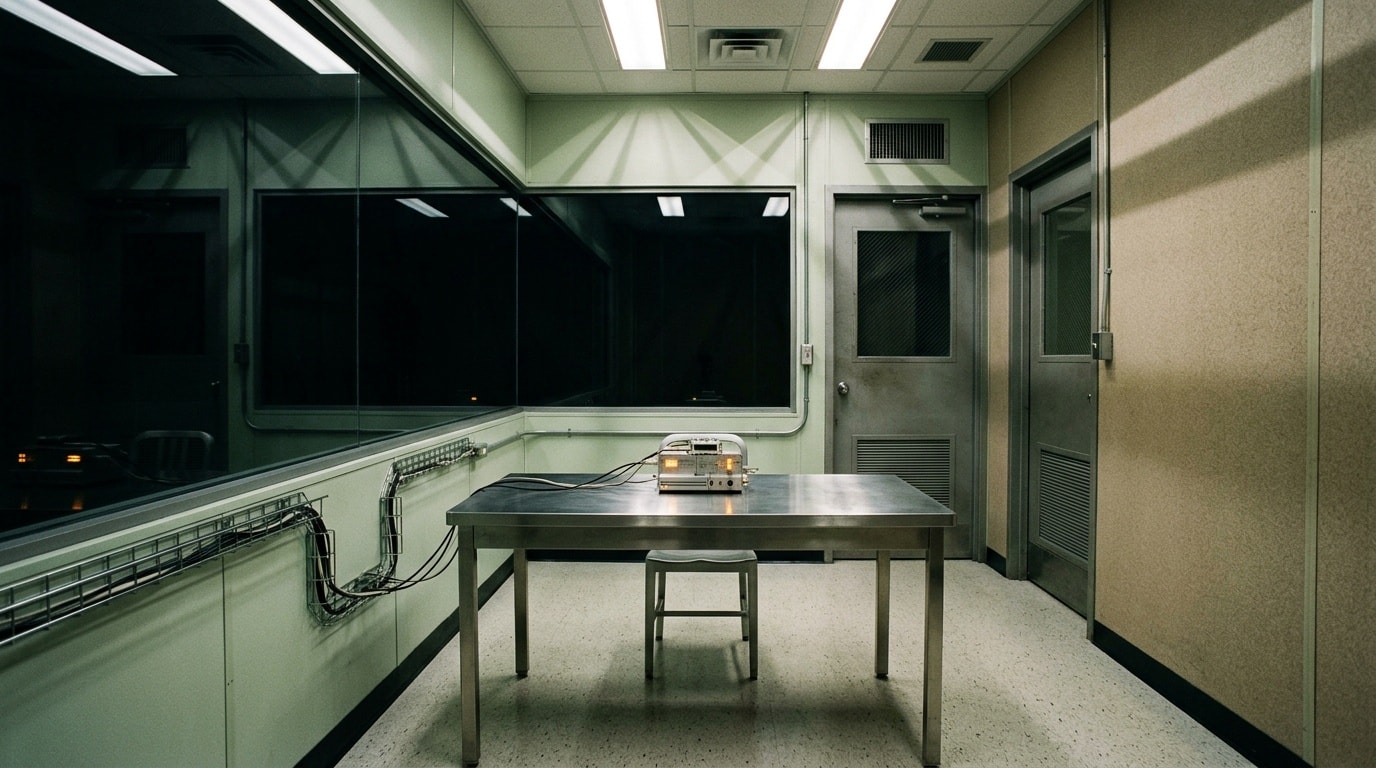
The Plastic Room Is Not a Blind Spot
Mark and Helly's assumption that the plastic-sheeted room sits outside Lumon's surveillance grid has no structural basis, and the show's established pattern of monitored-with-tolerance spaces makes their belief in genuine privacy exactly the kind of mistake Lumon would want them to make.
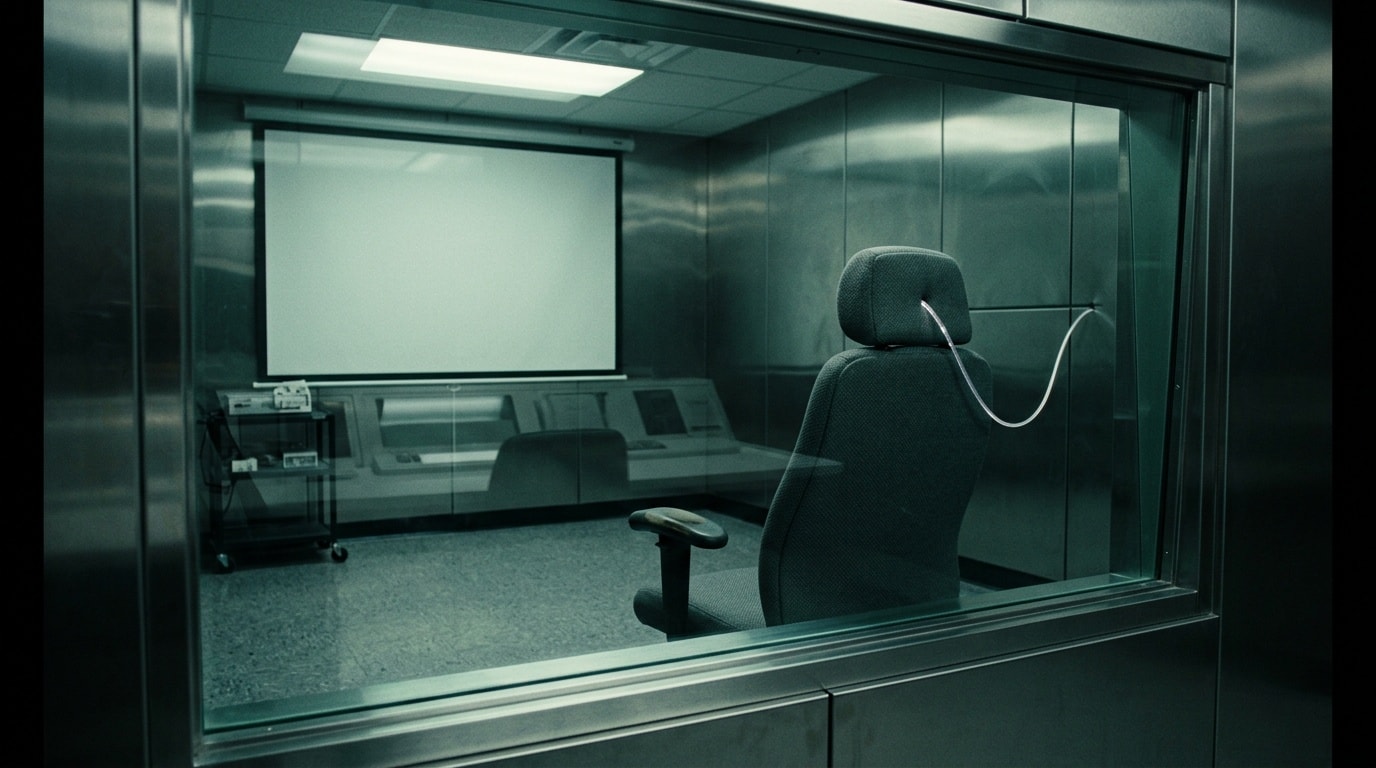
Gemma Is Still Conscious Inside Ms. Casey
Lumon did not erase Gemma Scout's consciousness through severance but suppressed and retained it because she performs a function no replacement can fulfill.