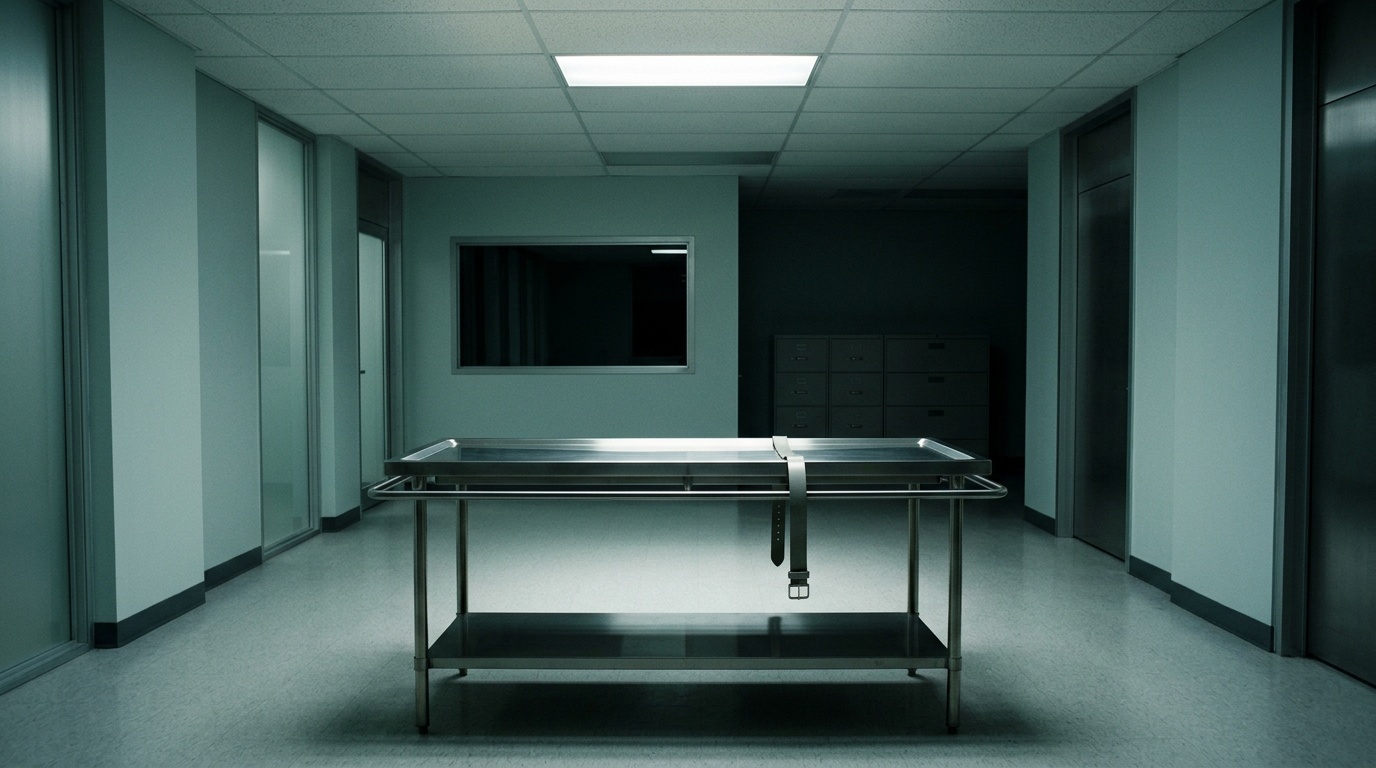
Reintegration This Early Changes Everything
THE THEORY
Mark pursuing reintegration in episode 3 is a structural signal that the season's central conflict is something the show has not yet named, because no serialized drama spends its finale card this early without believing something worse is waiting. If Mark survives where Petey did not, he becomes a category Lumon's protocols cannot contain, a person who remembers both lives and cannot be re-severed. The season may be less about whether reintegration succeeds and more about what Lumon does to someone it no longer has a procedure to erase.
How This Theory Works
Reintegration this early is not a narrative accident. It is the show announcing that the season's real conflict has not yet been named, and that the audience is being set up to experience a second half no one has mapped. Severance is spending what most serialized dramas would hold as a finale card in episode 3, which means something harder and stranger is waiting further in.
Mark's behavior before his decision is even made supports this reading. He arrives at Lumon running a stopwatch, counting seconds manually to stay aware through the transition, treating the innie-outie boundary not as a given but as a gap to be measured and closed. His plan to reach Ms. Casey through a rescue that requires outie Mark to act on innie knowledge is itself a form of informal reintegration, a coordination across the severed divide that assumes the two selves can already function as one. The stopwatch ritual and the rescue architecture are the same argument made twice: he is mentally rehearsing the merger before he formally chooses it.
Petey's death is the sharpest available pressure on everything that follows. He did not survive the procedure cleanly, and the show framed his death as a failure of post-operative protocol rather than a flaw in the procedure itself. That distinction matters enormously. If the procedure can work and Lumon simply has no policy for what a successfully reintegrated employee becomes, then Mark surviving reintegration does not resolve the central tension. It creates a problem Lumon has never had to contain: a person who remembers both lives, operates inside the building, and exists outside any category their protocols were built to manage. The season's real question may not be whether Mark can survive reintegration but what Lumon does to someone it cannot sever again.
Is this theory convincing?
Key Evidence
Stopwatch Ritual at Episode Open
Mark arrives at Lumon running a stopwatch and counting seconds manually through his transition, treating the innie-outie boundary as something to be measured and eventually closed.
Reintegration Decision in Episode Three
Mark Outie decides to pursue reintegration by episode 3, a structural placement that most serialized dramas would reserve for a season finale.
Petey's Death as Known Precedent
The only prior reintegration attempt in the show ended in Petey's death, establishing that Mark is choosing a procedure with a documented fatality on record.
Rescue Plan Requires Cross-Self Coordination
Mark's plan to extract Ms. Casey relies on innie Mark finding her and outie Mark acting on that information, treating both selves as a single coordinated agent before any formal reintegration.
Season Structured Around Remaining Unknown
Placing reintegration this early implies the season's central conflict is something beyond reintegration itself, a narrative territory the audience has not yet been shown.
Other Theories for S2E03
Lumon's Compliance Machine Built a Rival Husband
Lumon's family visitation protocol is a behavioral governance instrument, not a welfare accommodation, designed to convert emotional susceptibility into metered compliance.
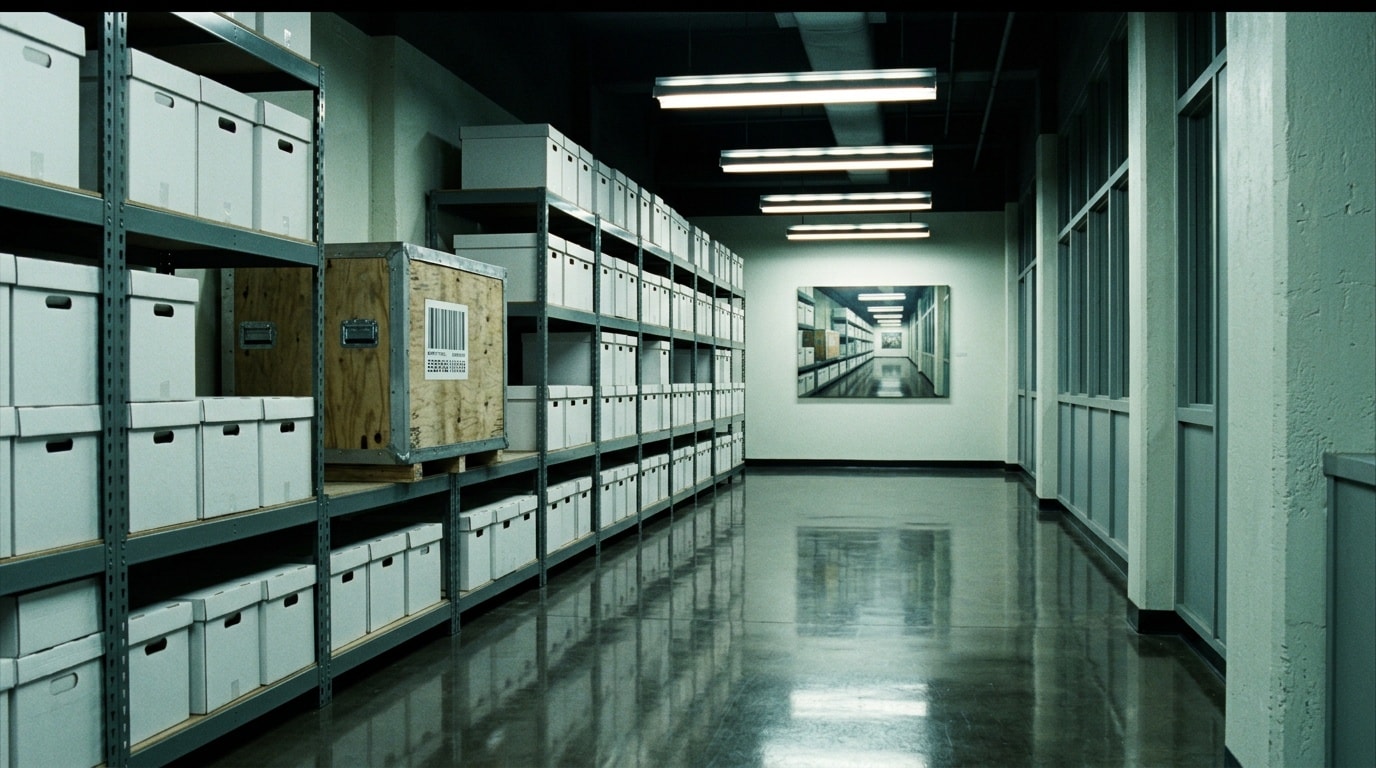
Irving's Dreams Are a Map to the Exports Hall
Irving's outie has been painting a specific hallway that corresponds to a real location on the severed floor: the exports hall in Optics and Design.

Lumon's Loyalty Protocol Destroys What It Was Built to Preserve
Lumon's recanonized Kier paintings are a standardized loyalty protocol that instrumentalizes identity as recursive capture — transforming an employee's own self-image into the mechanism of their containment.
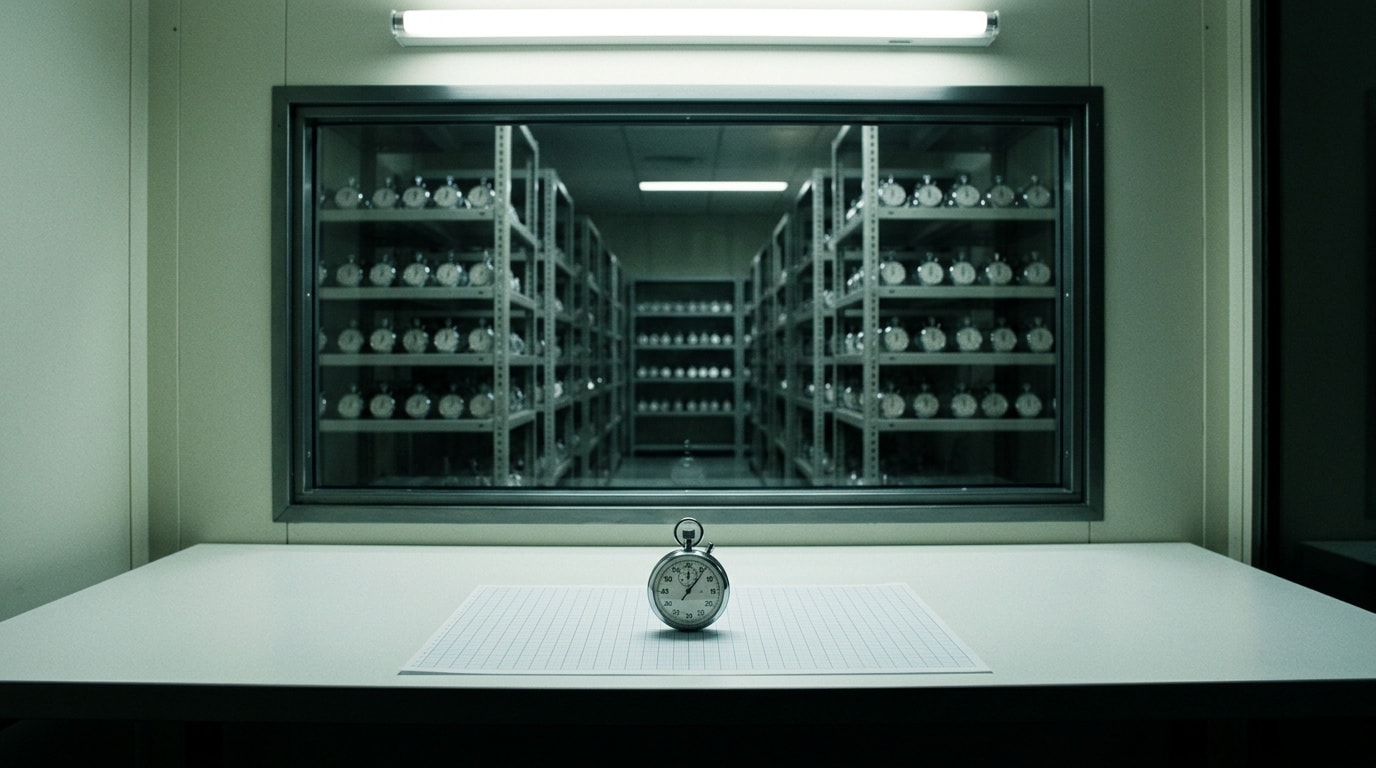
Mark Is Mapping the Severance Switch Itself
Mark's outie is conducting a structured timing experiment on the severance transition itself, using a stopwatch and silent manual count to measure the switch as a quantifiable interval Lumon has never disclosed.
Lorne Knows Ms. Casey Was Not Released
Lorne does not believe Ms.
Lumon Weaponizes Language to Control Innies
Lumon has built a cross-departmental linguistic register that delivers Kier-based ideological conditioning below the threshold of conscious recognition, embedding doctrine not in what employees are told to think but in the grammatical structures through which they are permitted to report thinking it.

Mark's Guilt Is Sabotaging His Innie Romance
Mark did not retain knowledge of Gemma by accident.

Cobel Fled Because She Knew the Trap
Cobel reversed in the parking lot not from intuition but from recognition: the board's invitation carried the structural signature of a containment maneuver she had personally used against others, and she identified herself as the target before she reached the entrance.