Cobel Fled Because She Knew the Trap
THE THEORY
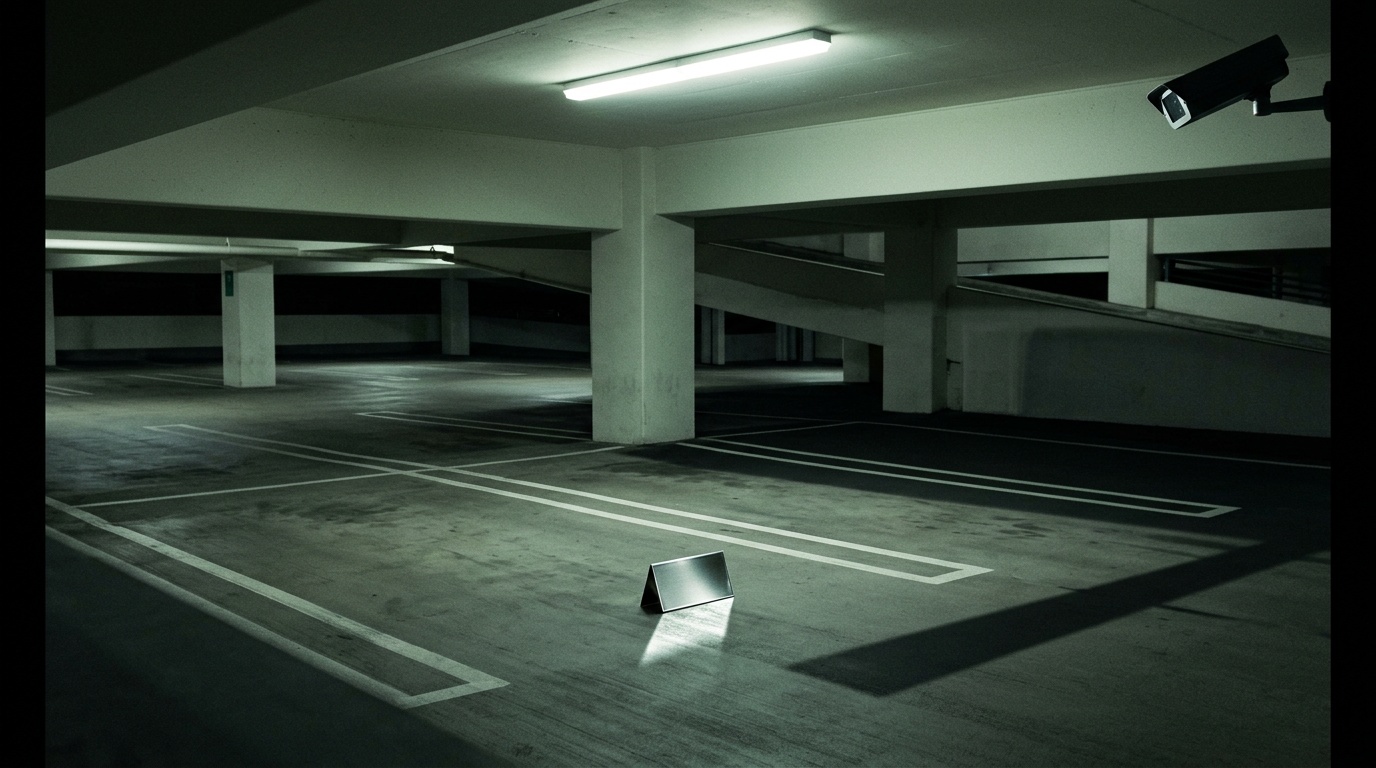
Cobel reversed in the parking lot not from intuition but from recognition: the board's invitation carried the structural signature of a containment maneuver she had personally used against others, and she identified herself as the target before she reached the entrance. Her subsequent 238-mile drive to nowhere confirms she has no safe refuge, only the knowledge that entering the building would have ended her autonomy permanently. The most uncomfortable version of this reading is that Cobel's flight is not the act of someone evading a threat she can only partially see, but of someone who knows exactly what the board intended to do with her and what program it intended to do it through.
How This Theory Works
Cobel did not flee because she was afraid of Lumon in the abstract. She fled because she recognized the specific shape of what was being done to her, because she had done it to others. That is the unspoken truth this theory approaches but does not fully commit to: Cobel's reversal was not intuition or pattern recognition operating at a distance. It was the moment she identified herself as the mark in a maneuver she had personally designed and deployed before. The invitation extended through Helena was not merely structurally similar to Lumon's standard traps. It was her trap. She built that protocol or one close enough to it that standing in the parking lot, she could see exactly how the next thirty minutes would end.
Cobel's career at Lumon was not one of loyal execution. She maintained unauthorized surveillance, withheld information from the board to accumulate leverage, and built a parallel operation inside Lumon's own infrastructure. Someone with that operational history does not reverse in a parking lot because of vague dread. The abruptness is the tell. It is not hesitation. It is the instant when a person who has spent years reading institutional signals watches the same signal she has sent to others arrive addressed to her.
The 238-mile drive toward Salt Neck and the subsequent turn-back matter not as evidence of confusion but as confirmation that she has no exit. She cannot go to Lumon. She cannot go home. She sleeps in her car. The woman who knew how to disappear other people now cannot disappear herself, because Lumon built its infrastructure around people like her and she has nowhere to run that it has not already mapped. The hardest claim this evidence supports is that Cobel does not merely suspect she will be subjected to something like Cold Harbor. She knows enough about what Cold Harbor is to know she cannot let Lumon get her through a door.
Is this theory convincing?
Key Evidence
Cobel's Abrupt Parking Lot Reversal
Cobel crosses the parking lot toward the Lumon building after Helena invites her in, then stops abruptly and rushes back to her car, fleeing the lot in a hurried manner without entering.
Solo Drive Toward Salt Neck
After fleeing the parking lot, Cobel drives 238 miles toward Salt Neck before pulling over and turning back, suggesting she has no clear safe refuge and is operating without a destination.
Fear of Board's True Intentions
The theory holds that Cobel may have intuited during her walk across the parking lot that Lumon's plan for her was disposal or experimental use rather than reinstatement.
Lumon's History of Disappearing People
The show has established that Lumon retires or disappears employees who become inconvenient, a pattern Cobel would recognize as potentially applying to herself given her removal from her position.
Sleeping in Her Car
The episode opens with Cobel waking in her car after sleeping there, indicating she has no stable home base and is actively hiding or displaced from her prior life.
Other Theories for S2E03
Lumon's Compliance Machine Built a Rival Husband
Lumon's family visitation protocol is a behavioral governance instrument, not a welfare accommodation, designed to convert emotional susceptibility into metered compliance.
Irving's Dreams Are a Map to the Exports Hall
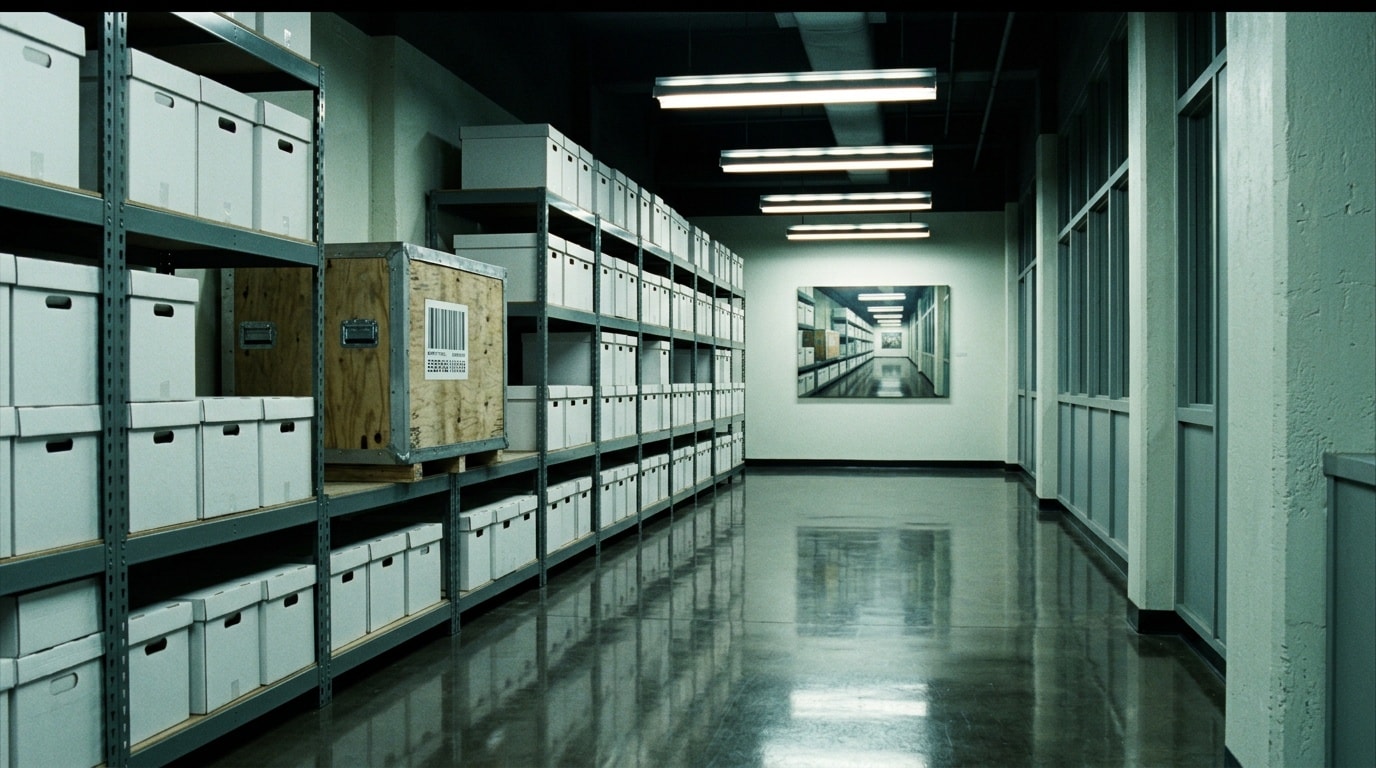
Irving's outie has been painting a specific hallway that corresponds to a real location on the severed floor: the exports hall in Optics and Design.
Lumon's Loyalty Protocol Destroys What It Was Built to Preserve
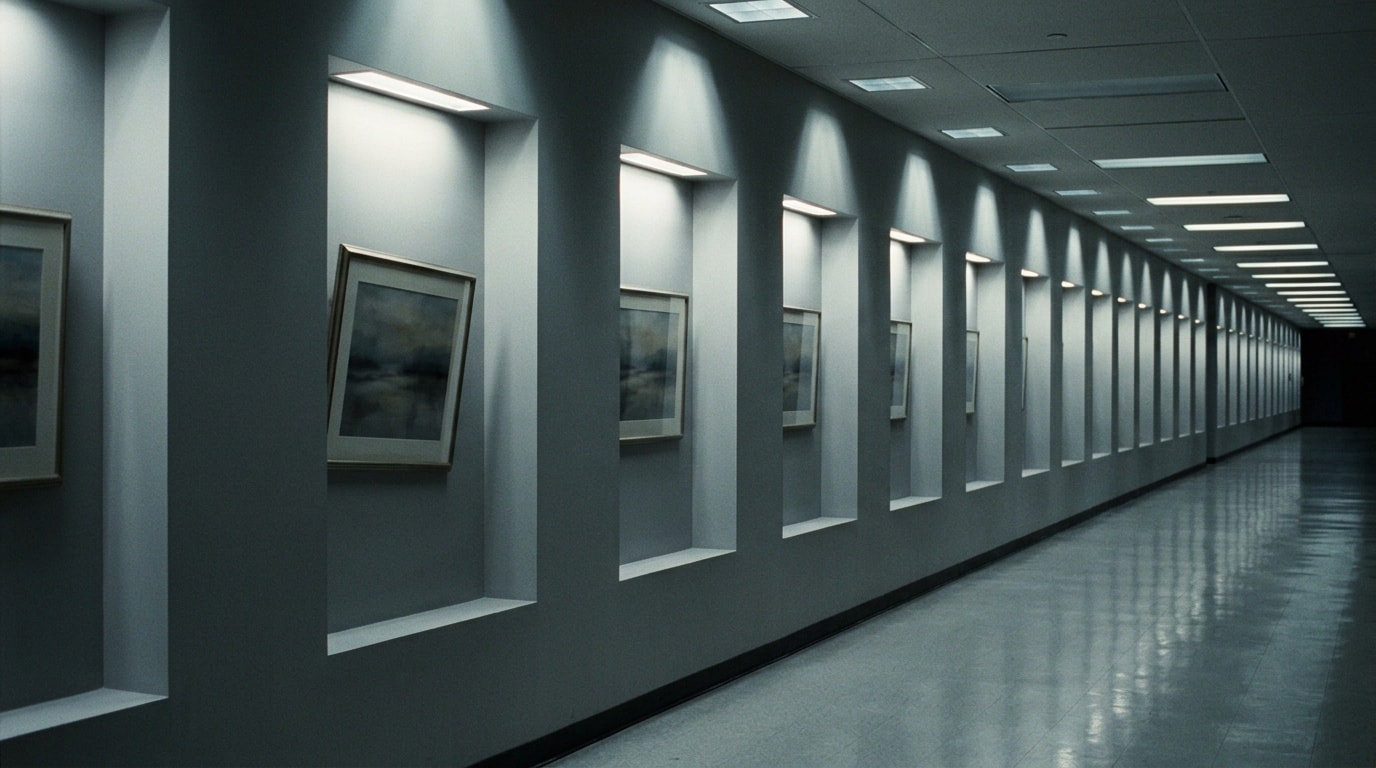
Lumon's recanonized Kier paintings are a standardized loyalty protocol that instrumentalizes identity as recursive capture — transforming an employee's own self-image into the mechanism of their containment.
Mark Is Mapping the Severance Switch Itself
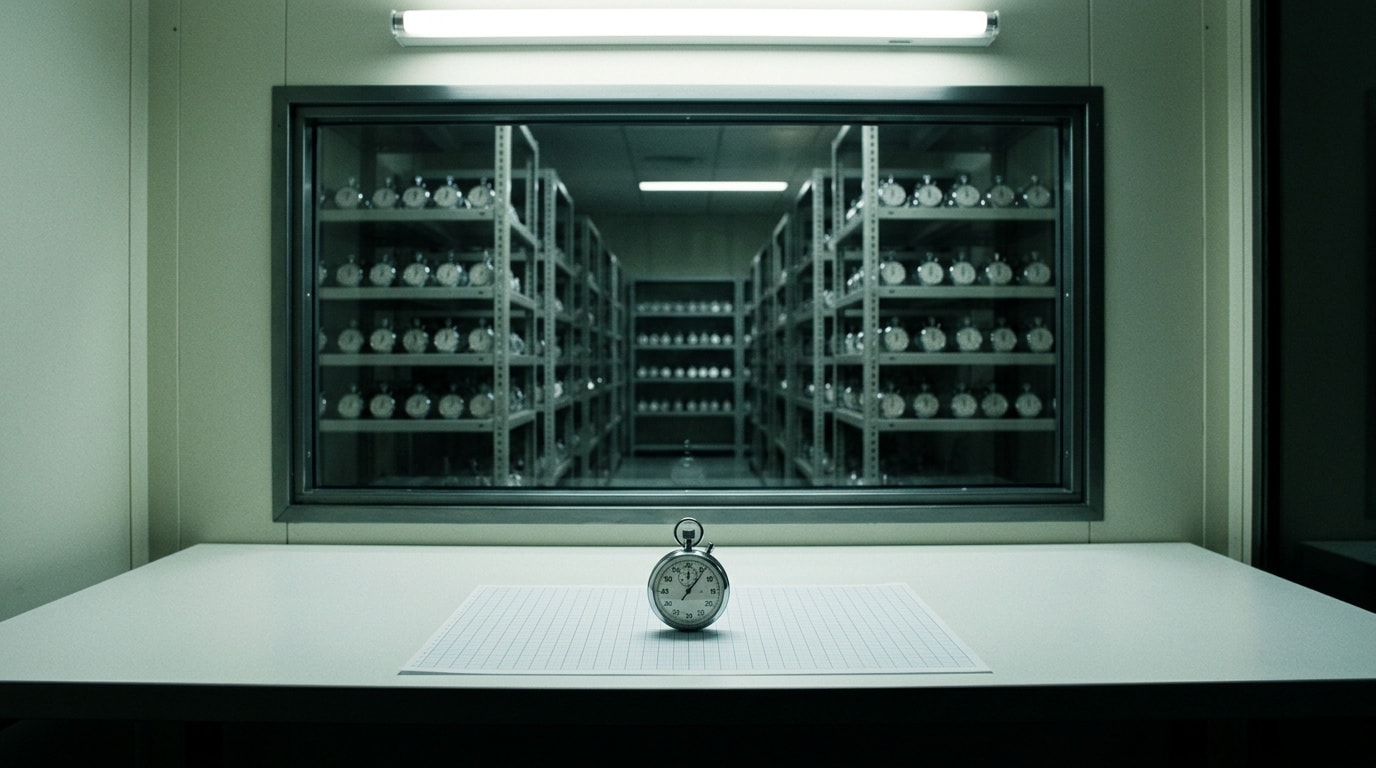
Mark's outie is conducting a structured timing experiment on the severance transition itself, using a stopwatch and silent manual count to measure the switch as a quantifiable interval Lumon has never disclosed.
Lorne Knows Ms. Casey Was Not Released
Lorne does not believe Ms.
Lumon Weaponizes Language to Control Innies
Lumon has built a cross-departmental linguistic register that delivers Kier-based ideological conditioning below the threshold of conscious recognition, embedding doctrine not in what employees are told to think but in the grammatical structures through which they are permitted to report thinking it.
Reintegration This Early Changes Everything
Mark pursuing reintegration in episode 3 is a structural signal that the season's central conflict is something the show has not yet named, because no serialized drama spends its finale card this early without believing something worse is waiting.
Mark's Guilt Is Sabotaging His Innie Romance
Mark did not retain knowledge of Gemma by accident.