Outie Helly Believes Her Innie Is Not Real
THE THEORY
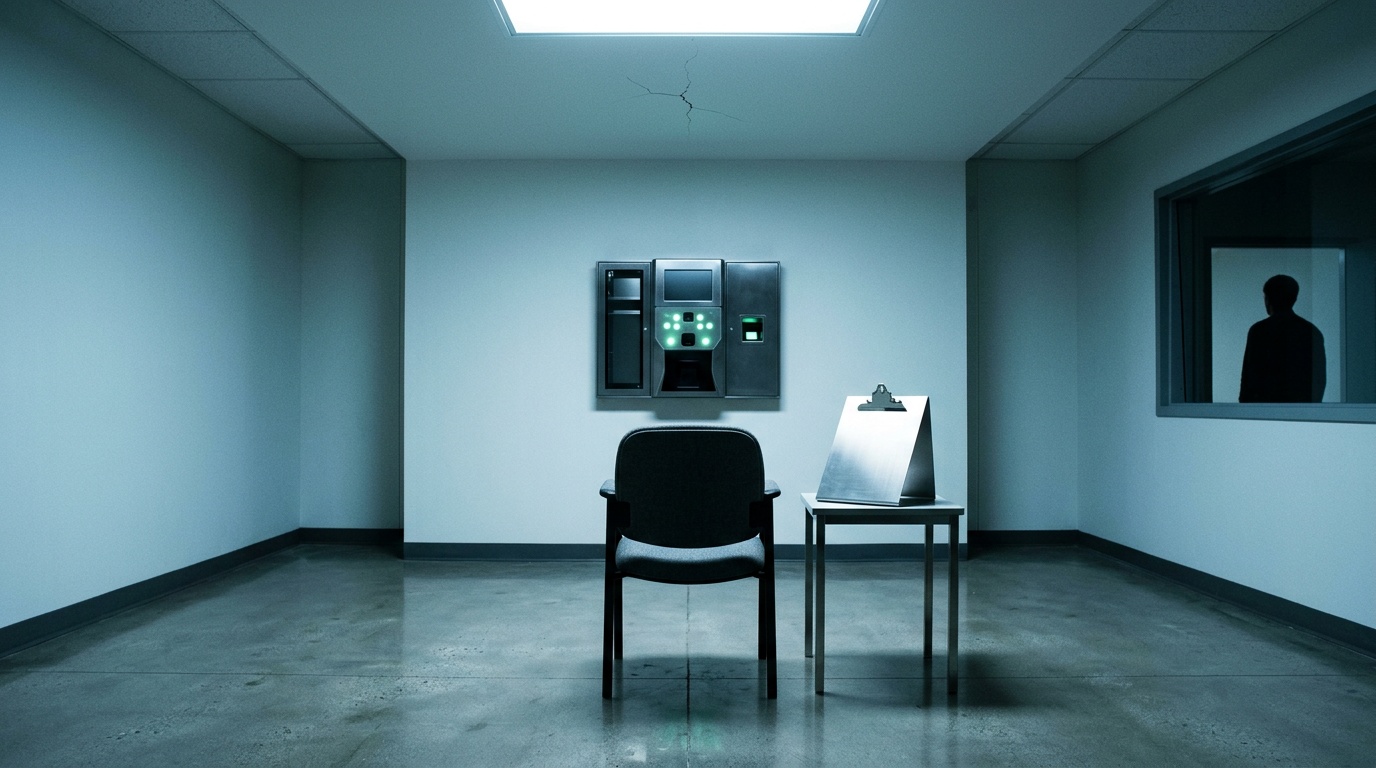
Outie-Helly did not arrive at her denial of her innie's personhood through reluctance or internal conflict. She arrived with it already settled, and what the show has not confirmed is whether that pre-resolved conviction is something Lumon builds into the severance procedure itself rather than a position each outie reaches on her own. If it is, then the procedure is not just a partition of consciousness but a delivery system for moral permission to treat the innie as a resource.
How This Theory Works
The video exchange between the two Hellys is the sharpest evidence the show has produced for an unconfirmed claim about how severance actually works at the psychological level. Outie-Helly does not engage with her innie's resignation request on its merits. She does not argue with the reasoning behind it. She denies standing entirely: 'I am a person. You are not. I make the decisions. You do not.' That is not a rebuttal. It is a classification delivered without apparent effort, which is exactly the problem.
The mirror structure makes it worse. Innie-Helly's own message uses the identical framework in reverse: 'I'm a real person, you are not.' Two halves of the same severed consciousness reach independently for the same logic and aim it at each other. The show does not adjudicate between them, and that refusal is pointed. If one version of Helly had arrived at this position through visible reasoning and the other had not, there would be a hierarchy of legitimacy to argue about. The symmetry forecloses that argument. They are structurally identical subjects. The only thing separating them is which one controls the exits.
The threat of prolonged suffering is where the unconfirmed claim becomes most uncomfortable. Outie-Helly does not offer to end the arrangement if the innie escalates. She threatens to keep the innie alive long enough to horribly regret any harm done to her fingers. That is not the response of someone who finds the situation unfortunate but necessary. It is the response of someone for whom punitive management of the innie was already an available option, already conceived, already judged acceptable before this crisis created a reason to reach for it. The moral work was done before the video was recorded.
What the evidence points toward, and what the show has not confirmed, is that this pre-resolved quality is not incidental to how Outie-Helly functions. It may be how the procedure functions. Severance may not simply divide consciousness. It may deliver the outie a framework that resolves the personhood question before she ever has to face it consciously, so that by the time any outie is confronted with an innie's suffering or resistance, there is no friction to slow the response. Outie-Helly's willingness to threaten her innie is not the cost of getting to a hard position. The evidence suggests she was already there. The threat is just the position being applied.
Is this theory convincing?
Key Evidence
Outie Denies Innie's Personhood Directly
In her video response, Outie-Helly states explicitly: 'I am a person, you are not. I make the decisions, you do not,' refusing to treat the innie's resignation request as a legitimate act by a legitimate subject.
Innie Claims Same Denial In Reverse
In her own video message to her outie, Innie-Helly says 'I'm a real person, you are not,' creating a mirror structure where both halves of the severed self deny the other's personhood using identical logic.
Threat Of Prolonged Suffering As Control
Outie-Helly threatens to keep her innie alive long enough to 'horribly regret' any harm done to her fingers, framing the innie not as a self to be protected but as a dependent entity subject to punitive management.
Other Theories for S1E04
Mark Shredded Evidence Against His Outie
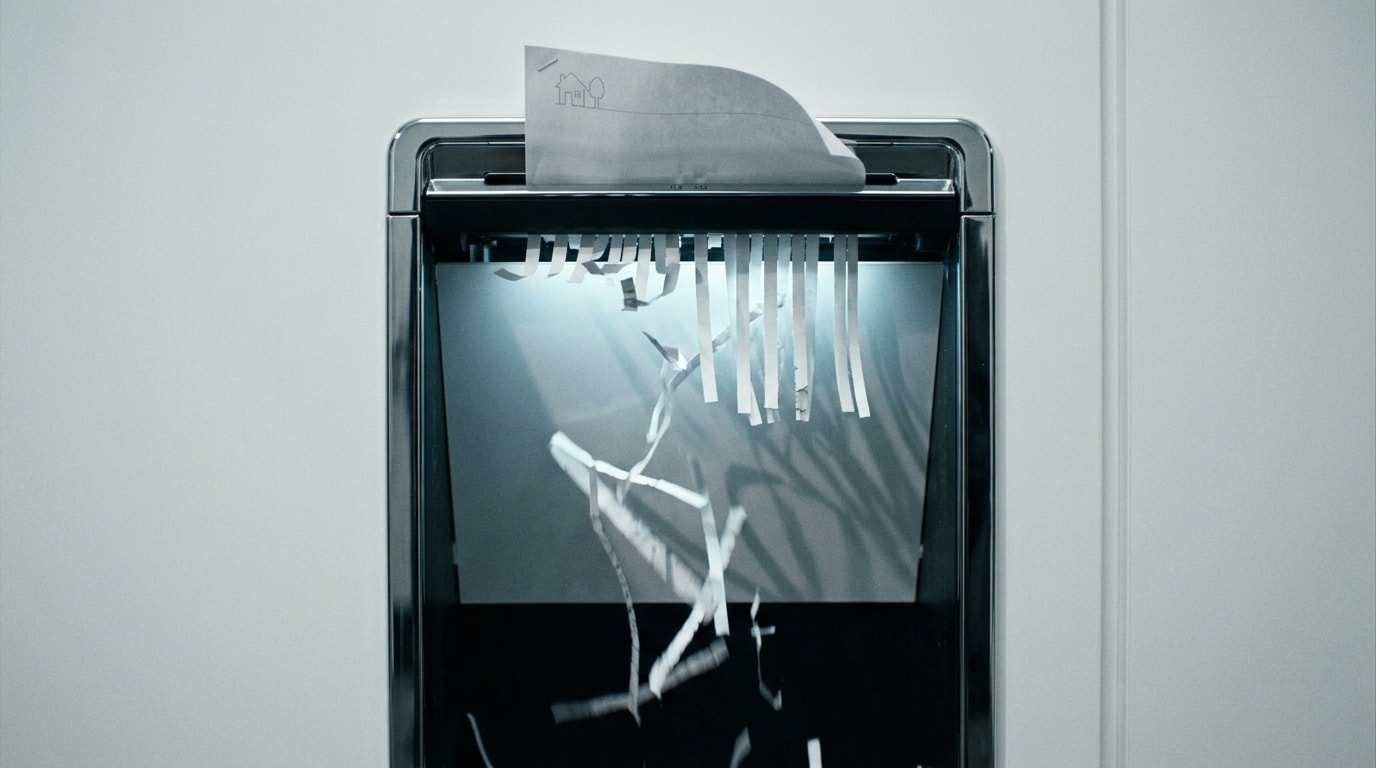
Mark's destruction of Petey's map was not rule-following but a deliberate act of self-erasure against an object that threatened to surface what his outie already knows.
Irving's Retreat Signals Mutual Romantic Feeling
Irving has already developed feelings for Burt strong enough to require escape, and his identity as Lumon's most compliant innie is not incidental but the mechanism of his suppression.

Irving's Kier Worship Makes Him a Target
Irving's attachment to Kier's mythology is not conditioned loyalty but a structurally manufactured identity -- the only interior life available to a severed employee who has filled the void completely.
Mark's Hands Remember What His Mind Cannot
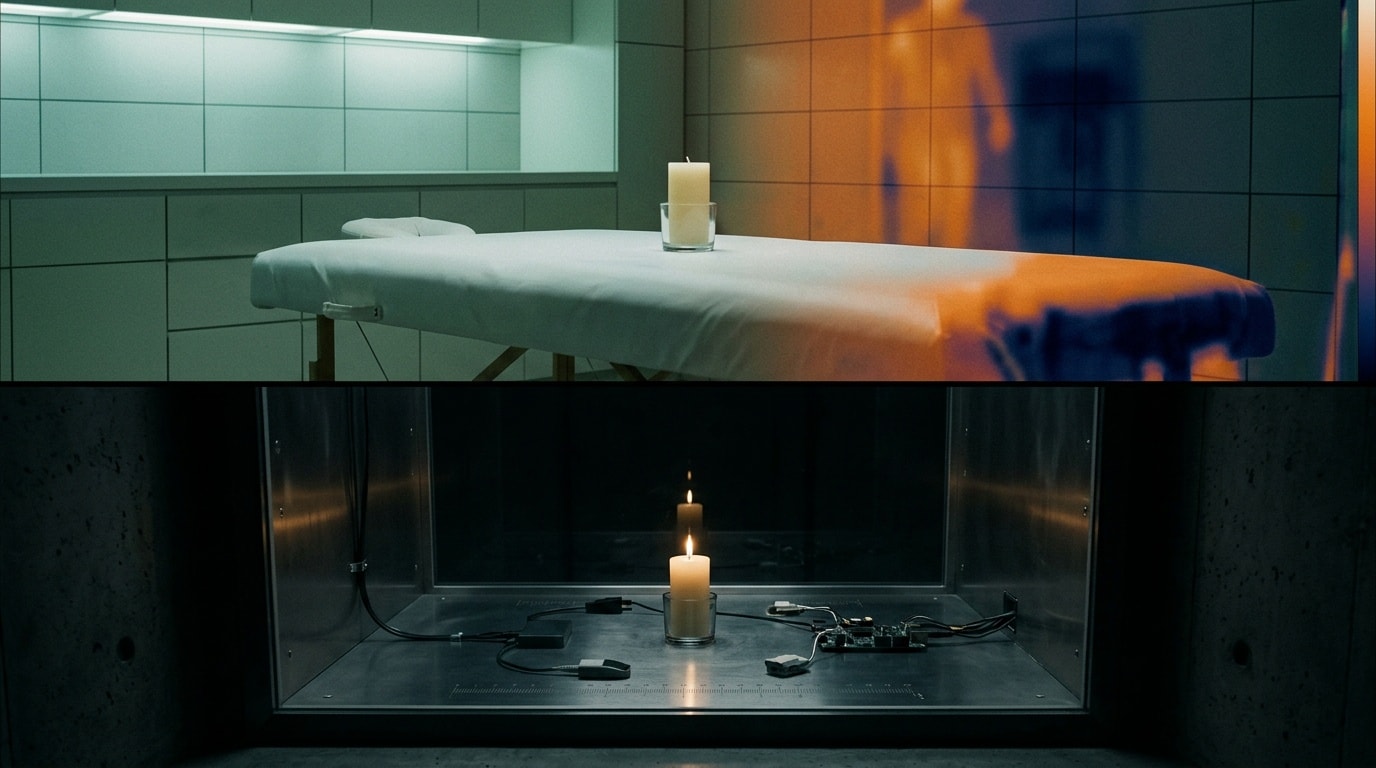
Mark's innie is not simply ignorant of Gemma's death.
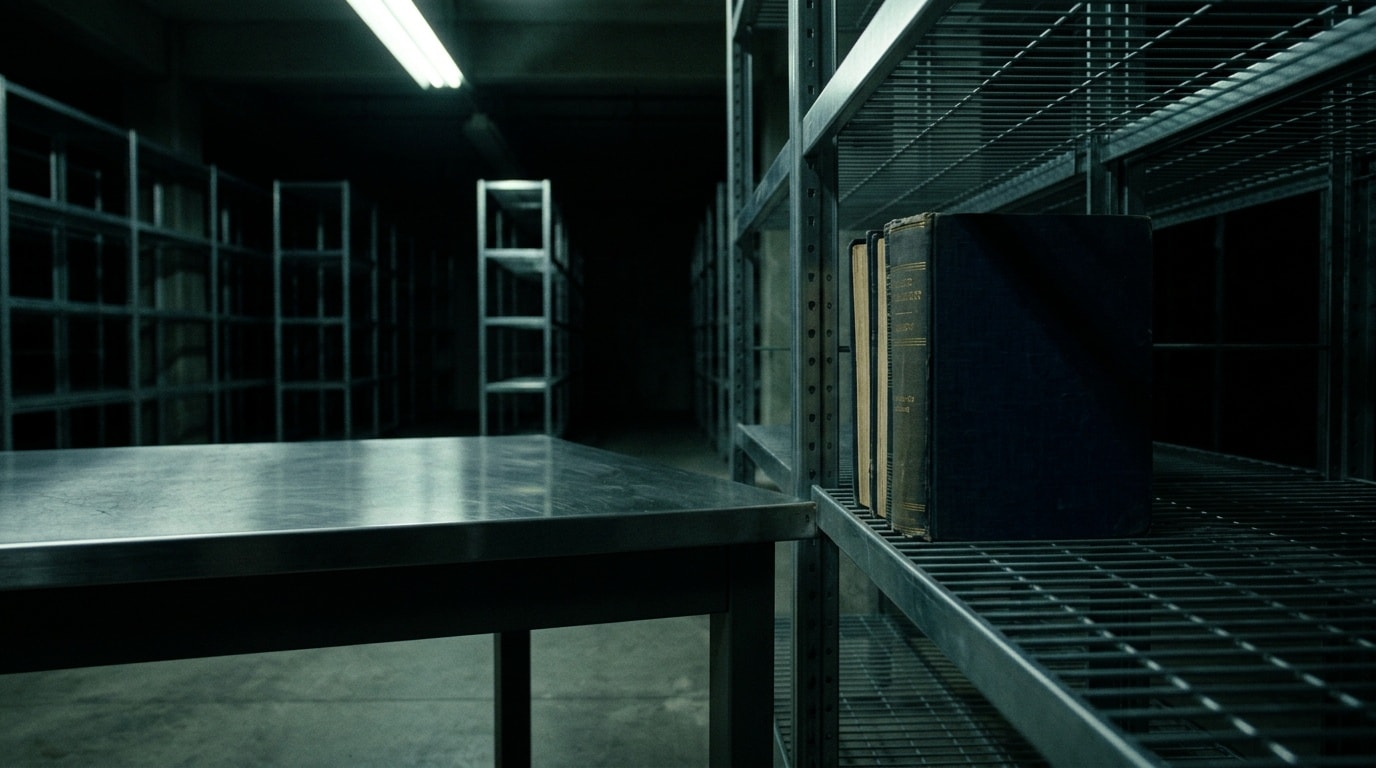
The Signed Book Is Petey's Final Message
Petey placed 'The You You Are' inside Lumon before his reintegration as a deliberate second stage of the communication sequence he opened with the map, using the severed floor's unmonitored lateral spaces as a dead-drop.
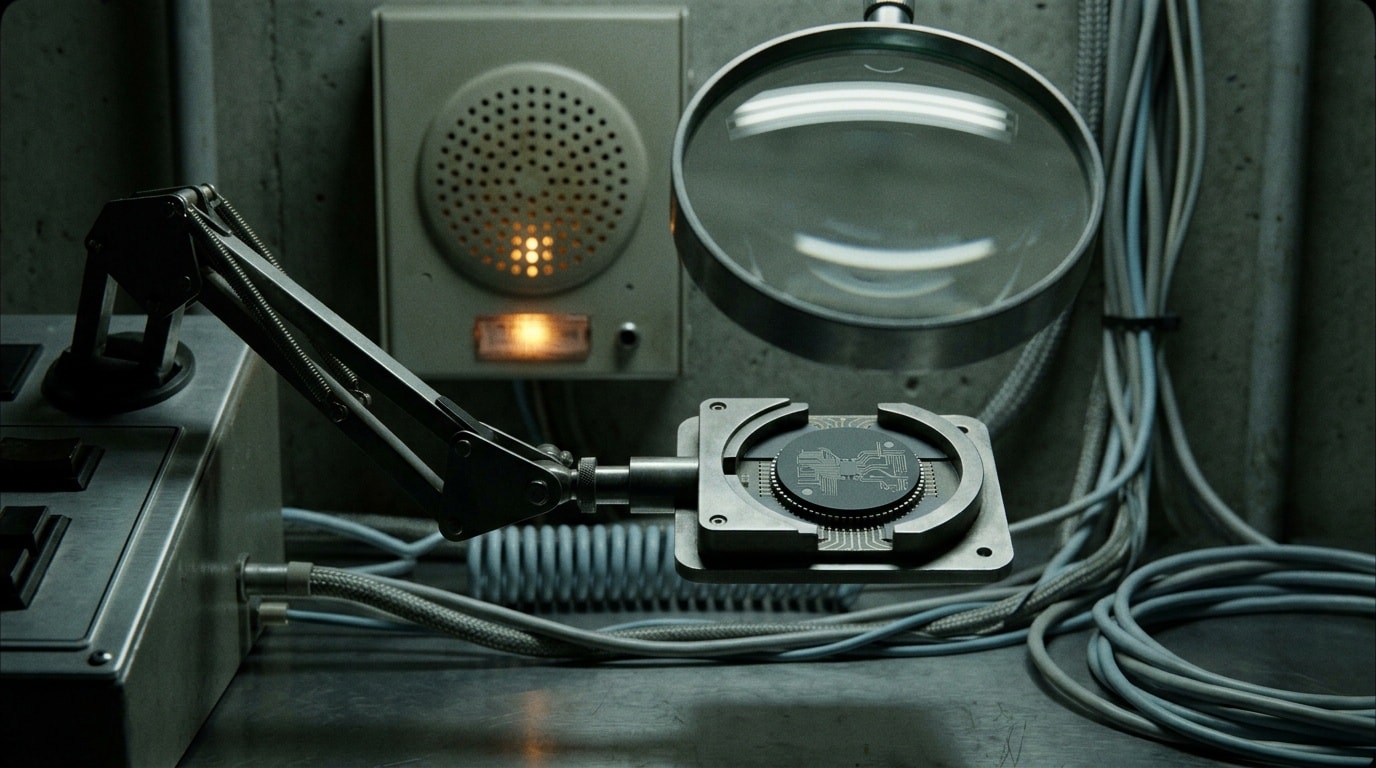
Break Room Voices Are Psychologically Personalized Torture
The Break Room generates personalized auditory stimuli calibrated to each innie's specific psychological vulnerabilities, not a shared ambient sound.
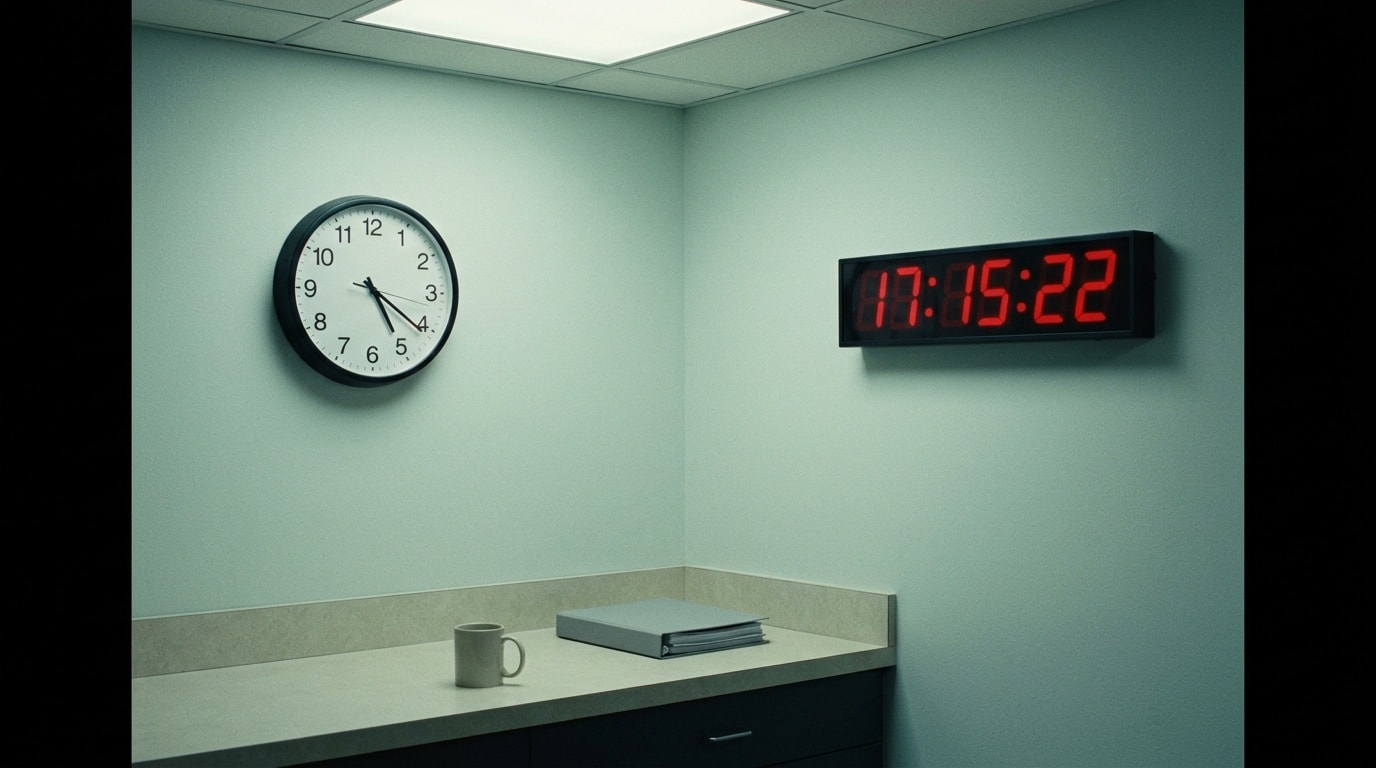
The Break Room Runs on Impossible Time
The Break Room operates on a duration that the episode's own clock timestamps cannot accommodate, meaning either Lumon controls time within that room independently of the observable floor chronology, or the show is deliberately concealing how long Helly was actually kept there.
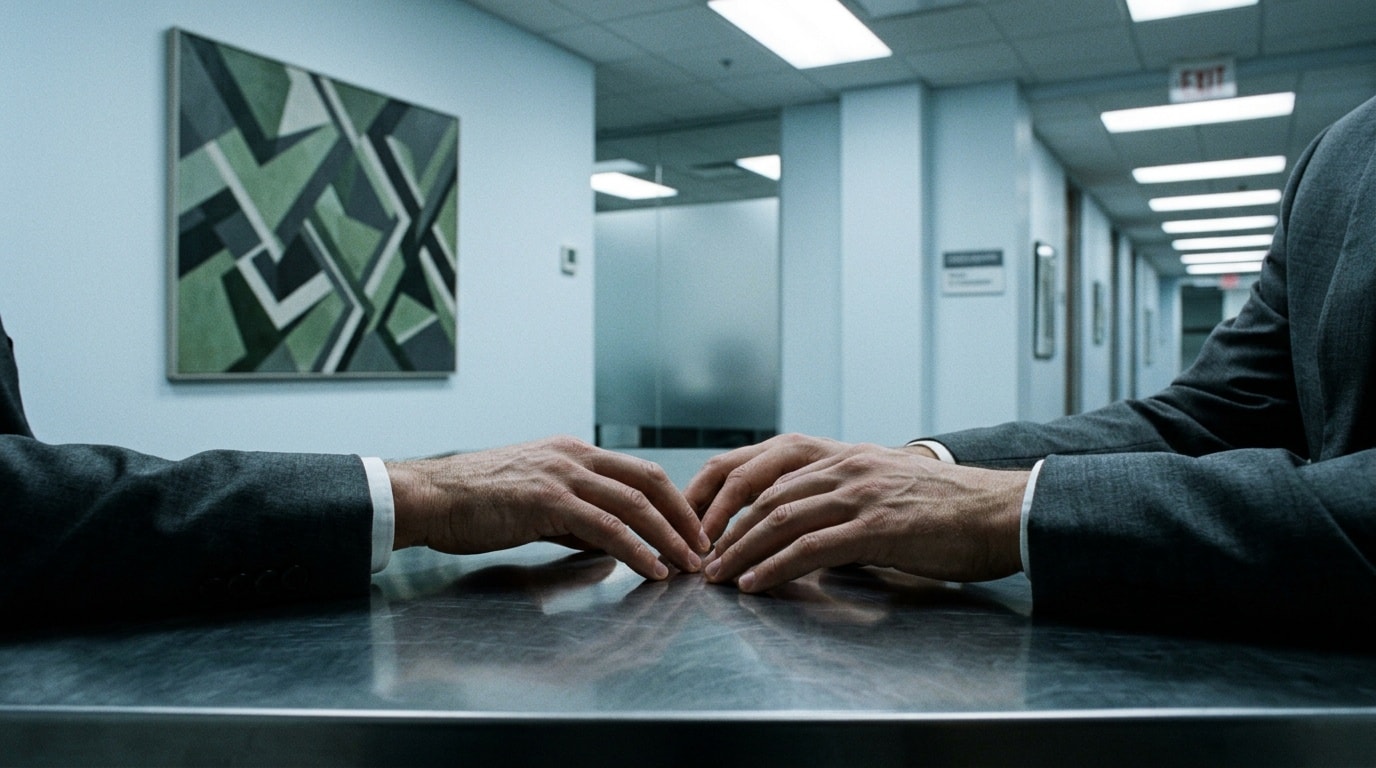
Irving and Burt Knew Each Other Before Severance
Irving and Burt's outies likely shared a romantic relationship that both severed themselves to escape, and what reads as a charged first meeting inside Lumon may be the reassertion of an unresolved bond neither man can now identify.