Irving and Burt Knew Each Other Before Severance
THE THEORY
Irving and Burt's outies likely shared a romantic relationship that both severed themselves to escape, and what reads as a charged first meeting inside Lumon may be the reassertion of an unresolved bond neither man can now identify. Burt's behavior, engineering the visit, retrieving the painting, covering Irving's hand, points to someone operating on emotional logic that survives the severance barrier even without conscious memory to justify it. If Lumon placed them in adjacent departments with full knowledge of their shared history, Burt is not merely a victim of that arrangement but its most active instrument.
How This Theory Works
Irving and Burt are not meeting for the first time. Their outies likely shared a romantic relationship, possibly one that ended badly enough that both chose severance as a way to erase it. Inside Lumon, they are strangers in name only. Whatever drove them together on the outside reasserts itself without either of them knowing why.
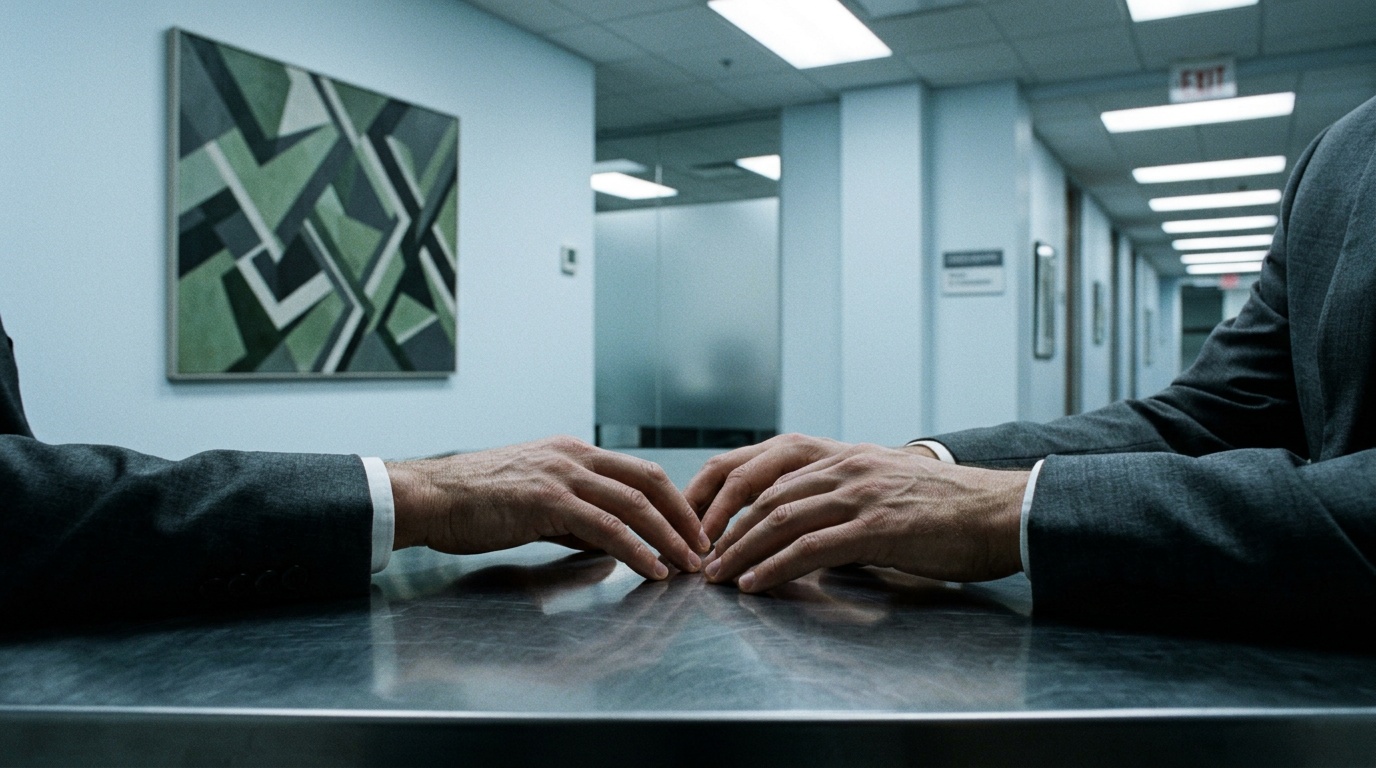
Burt does not simply show Irving around O&D. He retrieves the painting Irving once cried over, a detail that required prior knowledge of Irving's emotional attachment to it. He then moves his hand to cover Irving's, a gesture that exceeds any professional register. Irving's response is the more telling detail: he does not explain himself, does not deflect, just leaves. People do not flee from moments that mean nothing to them.
The deepest structural question is whether their placement in adjacent departments is coincidence or deliberate. If someone at Lumon knows their shared history outside the building, the architecture of their reunion was built before either of them arrived on the severed floor. Burt initiated the visit. He left the directions. The painting was already waiting.
Burt's behavior is the sharpest pressure point. If the placement was deliberate, Burt is the one acting on it. That means either his outie communicated something to him through the severance barrier, however obliquely, or Burt inside Lumon has reconstructed enough from environmental cues to engineer a reunion his severed self cannot consciously justify. The directions in the totes, the retrieved painting, the hand covering Irving's: these are not the actions of someone responding to a passing attraction. They are the actions of someone working from a plan. If Burt cannot name what is pulling him forward, the more uncomfortable possibility is that he does not need to. The emotional logic is intact even when the memory is gone, and Burt has not stopped following it.
Is this theory convincing?
Key Evidence
Burt's Hand Covers Irving's
While showing Irving the painting in O&D, Burt moves his hand to cover Irving's in a gesture that exceeds professional warmth, prompting Irving to abruptly excuse himself and leave.
Irving's Emotional Reaction to Painting
Irving tells Burt he cried when the painting was displayed and never thought he'd see it, revealing a depth of feeling that Burt appears to have used deliberately when retrieving it for this visit.
Burt Initiates and Engineers the Visit
Burt brings totes to MDR and leaves directions inside them, personally orchestrating Irving's visit to O&D in a way that suggests specific interest in Irving rather than routine inter-departmental outreach.
Irving's Unexplained Abrupt Departure
After the hand-covering moment, Irving offers no social explanation and simply leaves O&D, a reaction consistent with feeling something disorienting that his severed self cannot account for.
Severance as Relational Escape
The theory proposes that both men may have chosen severance to forget a painful breakup, with the severed floor now reuniting them as apparent strangers who nonetheless feel an unresolved pull toward each other.
Other Theories for S1E04
Mark Shredded Evidence Against His Outie
Mark's destruction of Petey's map was not rule-following but a deliberate act of self-erasure against an object that threatened to surface what his outie already knows.
Irving's Retreat Signals Mutual Romantic Feeling
Irving has already developed feelings for Burt strong enough to require escape, and his identity as Lumon's most compliant innie is not incidental but the mechanism of his suppression.
Outie Helly Believes Her Innie Is Not Real
Outie-Helly did not arrive at her denial of her innie's personhood through reluctance or internal conflict.

Irving's Kier Worship Makes Him a Target
Irving's attachment to Kier's mythology is not conditioned loyalty but a structurally manufactured identity -- the only interior life available to a severed employee who has filled the void completely.
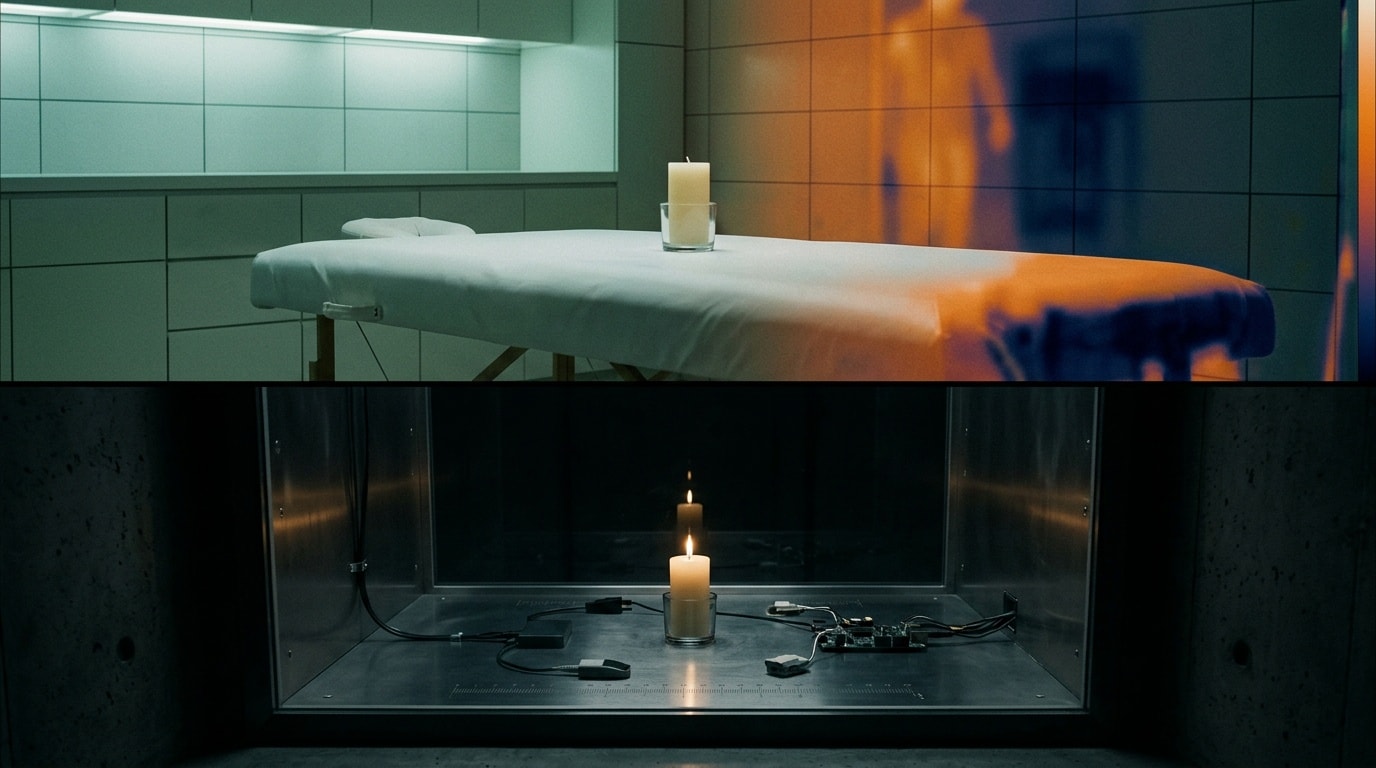
Mark's Hands Remember What His Mind Cannot
Mark's innie is not simply ignorant of Gemma's death.
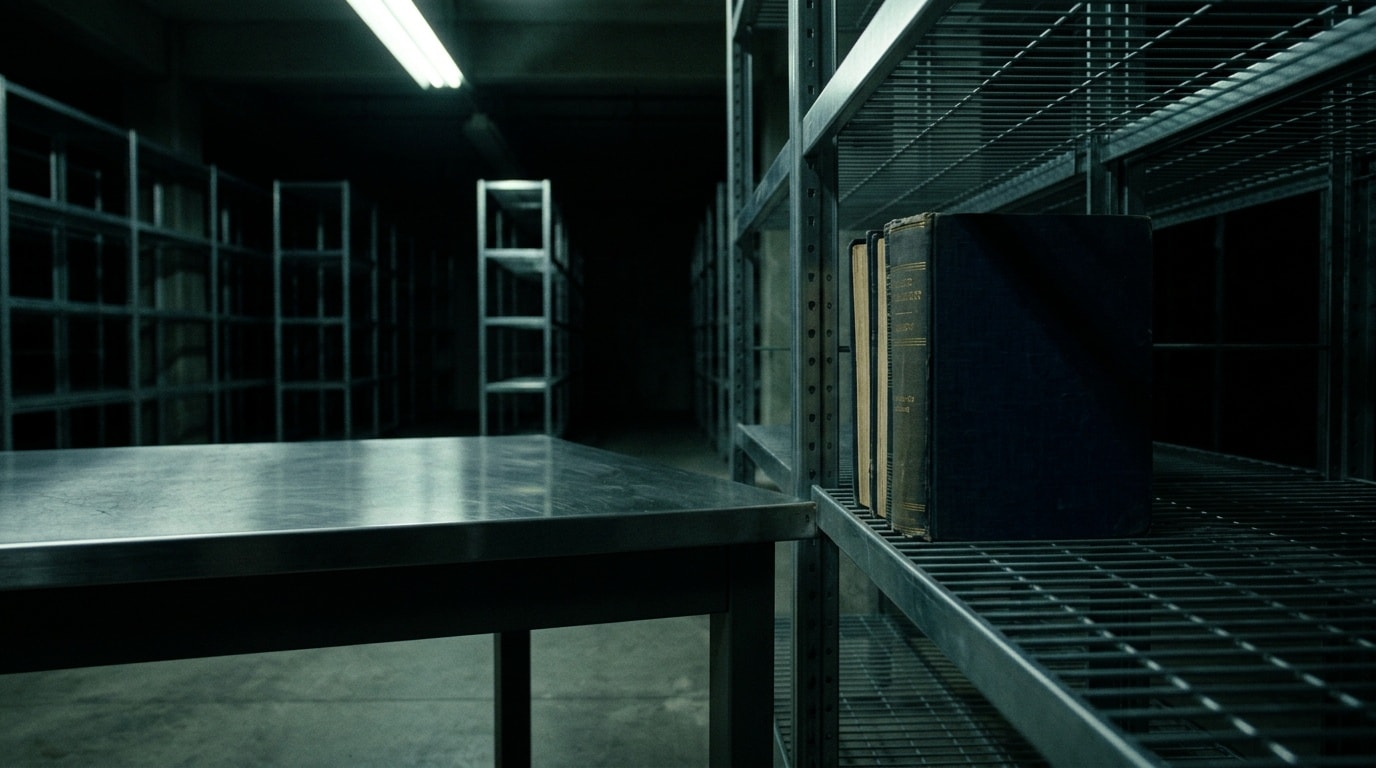
The Signed Book Is Petey's Final Message
Petey placed 'The You You Are' inside Lumon before his reintegration as a deliberate second stage of the communication sequence he opened with the map, using the severed floor's unmonitored lateral spaces as a dead-drop.
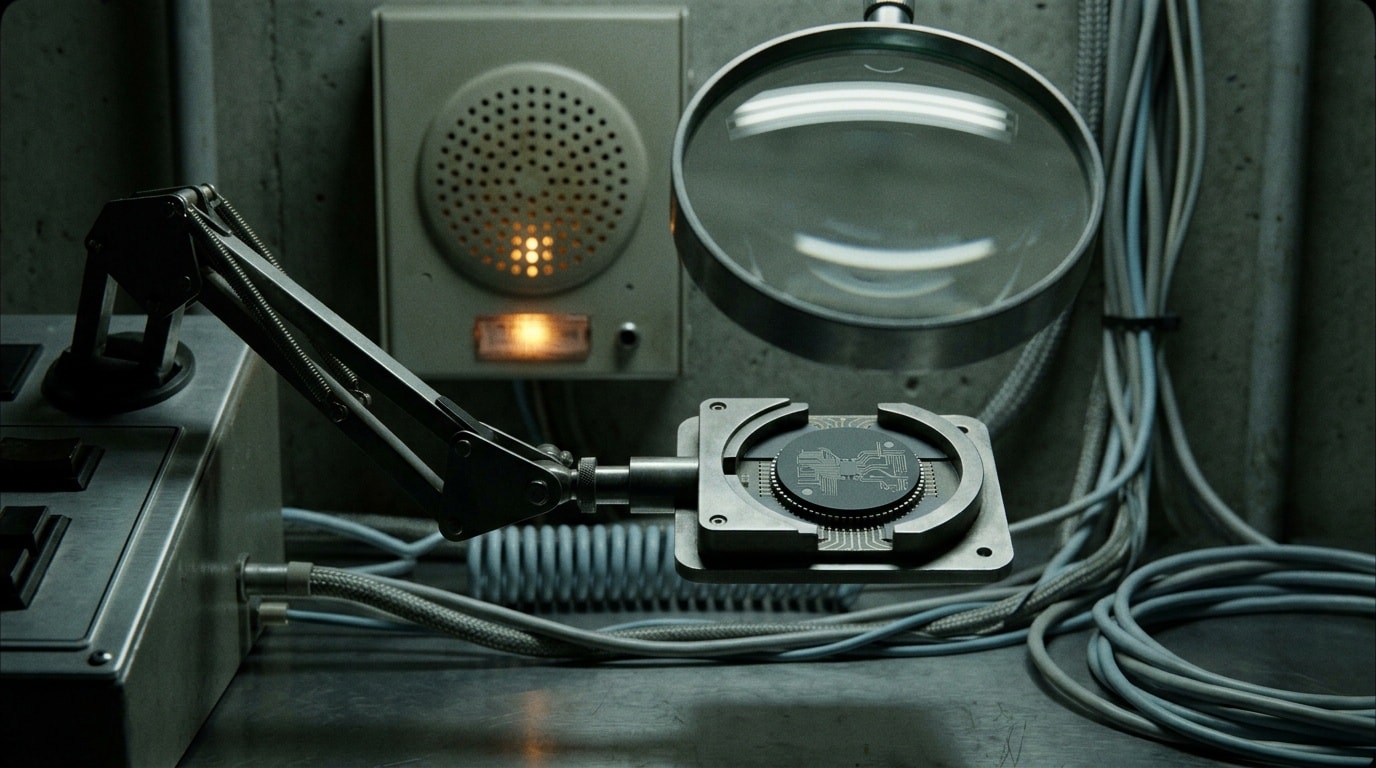
Break Room Voices Are Psychologically Personalized Torture
The Break Room generates personalized auditory stimuli calibrated to each innie's specific psychological vulnerabilities, not a shared ambient sound.
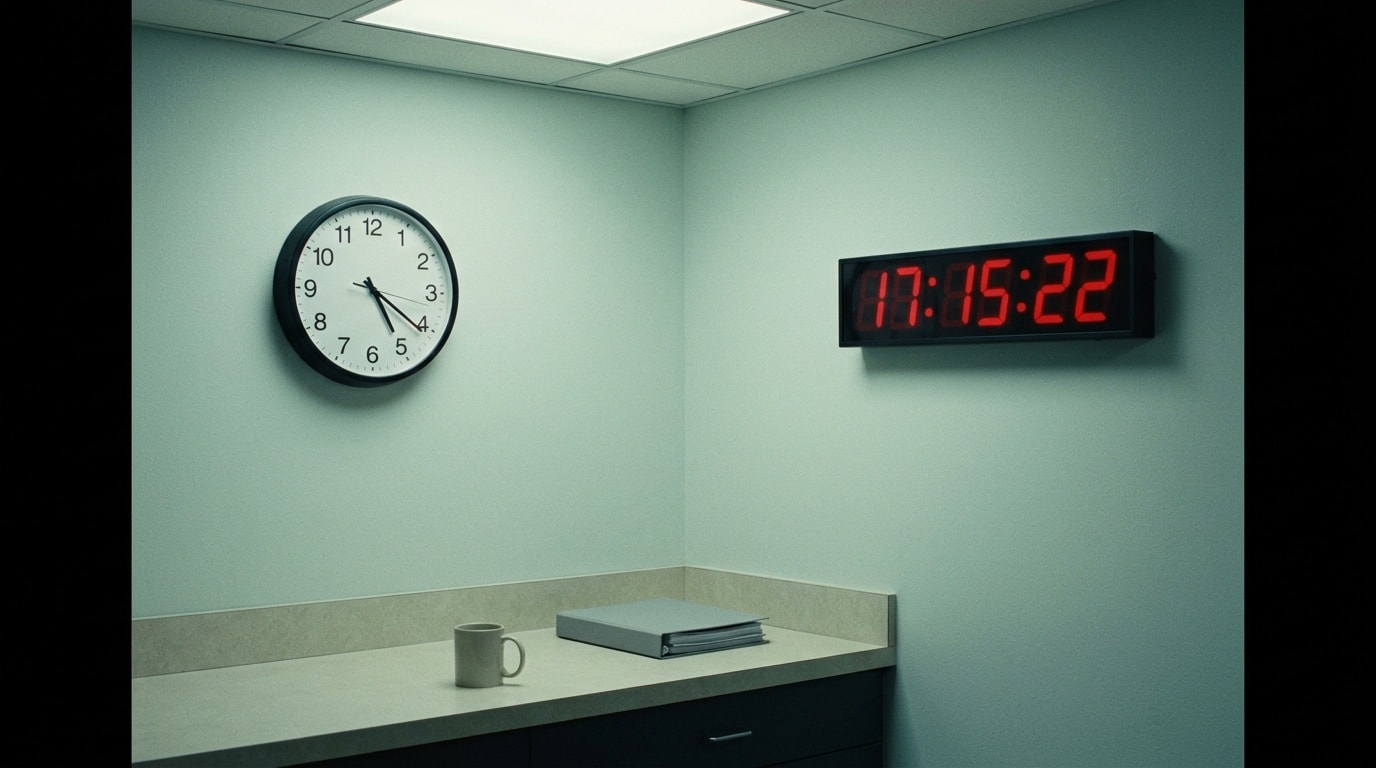
The Break Room Runs on Impossible Time
The Break Room operates on a duration that the episode's own clock timestamps cannot accommodate, meaning either Lumon controls time within that room independently of the observable floor chronology, or the show is deliberately concealing how long Helly was actually kept there.