
Irving's Retreat Signals Mutual Romantic Feeling
THE THEORY
Irving has already developed feelings for Burt strong enough to require escape, and his identity as Lumon's most compliant innie is not incidental but the mechanism of his suppression. His abrupt departure after Burt covers his hand is the act of someone who recognized the gesture immediately and had already decided, before it landed, that staying inside the moment was not survivable. The show's central unresolved question is not whether the attraction is mutual but whether Irving's wholesale internalization of Lumon's separations will prevent him from acting on something he clearly already knows.
How This Theory Works
Irving's abrupt exit after Burt covers his hand is not the response of someone who missed the signal. It is the response of someone who understood it exactly and has already decided, before the moment arrived, that he cannot stay inside it.
The lead-up matters. Irving had disclosed something unusually personal: that he cried when the Kier painting was displayed and called that month a great one. Burt received that disclosure, retrieved the specific painting Irving had loved, and placed it in front of him. The gesture of covering Irving's hand followed directly. Burt had listened, remembered, and acted on what he learned. The sequence reads as deliberate courtship.
Irving's abrupt exit is the sharpest piece of evidence. He had traveled a winding route through Lumon's corridors to reach O&D, motivated enough to go alone and immediately. When the moment of contact arrived, he did not stay to process it or laugh it off. He left. That exit is more revealing than any dialogue could be, because it shows Irving registering the moment's weight and choosing distance as the only available response. The question the show leaves open is not whether these two men are drawn to each other, which the evidence makes clear, but whether Lumon's structure of enforced ignorance and departmental separation will allow those feelings anywhere to go.
Irving's position as MDR's most handbook-literal employee is not incidental to what happens in O&D. He is the one who corrects colleagues on procedure, who takes Lumon's framing of severed work as meaningful labor more seriously than anyone else at his table. That institutional investment makes his retreat after Burt's gesture structurally specific: he is not just a man withdrawing from an uncomfortable feeling. He is the character the show has constructed to represent compliance itself, now caught in a situation where compliance and feeling point in opposite directions. The deeper implication is that Irving's rigidity is not temperamental but defensive. He has invested so completely in Lumon's rules because those rules provide the only stable identity available to an innie. Burt's gesture threatens that stability at its foundation, and Irving's departure reveals that the feeling is not new and not small. A man surprised by attraction lingers. A man who already knows what he feels, and knows it is dangerous, leaves.
Is this theory convincing?
Key Evidence
Burt Covers Irving's Hand
During their shared viewing of the Kier painting in O&D, Burt moves his hand over to cover Irving's, a deliberate physical gesture that neither man verbally acknowledges.
Irving's Immediate Abrupt Departure
Immediately after the hand-covering gesture, Irving quickly excuses himself and leaves O&D without explanation, suggesting he recognized the intimacy of the moment and withdrew from it.
Irving's Disclosure About Crying
Irving tells Burt that he cried when The Youthful Convalescence of Kier was displayed, a confession of unusual emotional vulnerability that marks a shift in the professional register of their conversation.
Burt Retrieves the Specific Painting
Burt pulls out the exact Kier painting Irving had mentioned loving and presents it to him, demonstrating he had retained and acted on Irving's personal disclosure as a way of deepening their connection.
Burt's Targeted Invitation to Irving
Burt's visit to MDR was framed as being for all departments, but he delivered the handbook totes specifically so Irving would not be distracted waiting for them, singling Irving out with personal attention.
Irving Travels Alone to O&D
Despite Dylan refusing the invitation, Irving goes to O&D alone and immediately, showing a level of personal motivation for the visit that exceeds collegial curiosity.
Other Theories for S1E04
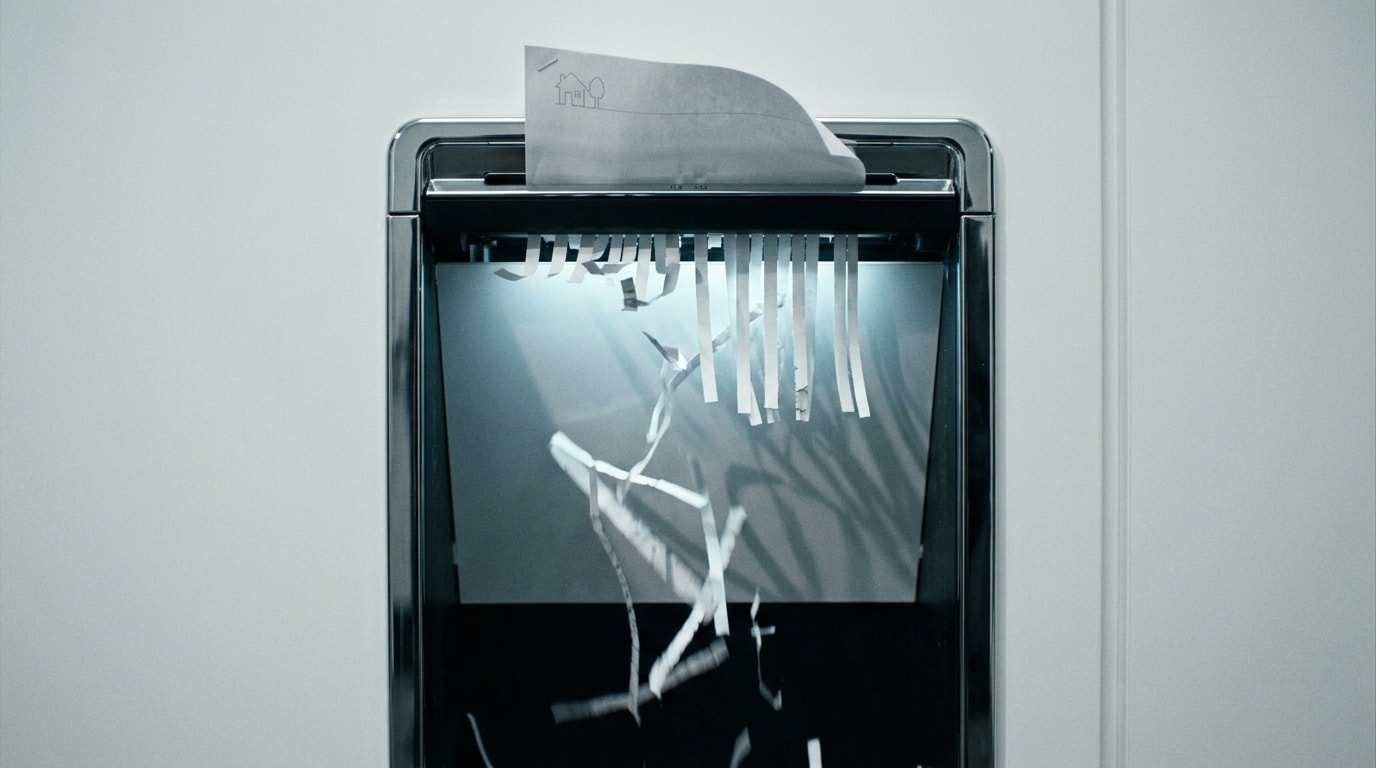
Mark Shredded Evidence Against His Outie
Mark's destruction of Petey's map was not rule-following but a deliberate act of self-erasure against an object that threatened to surface what his outie already knows.
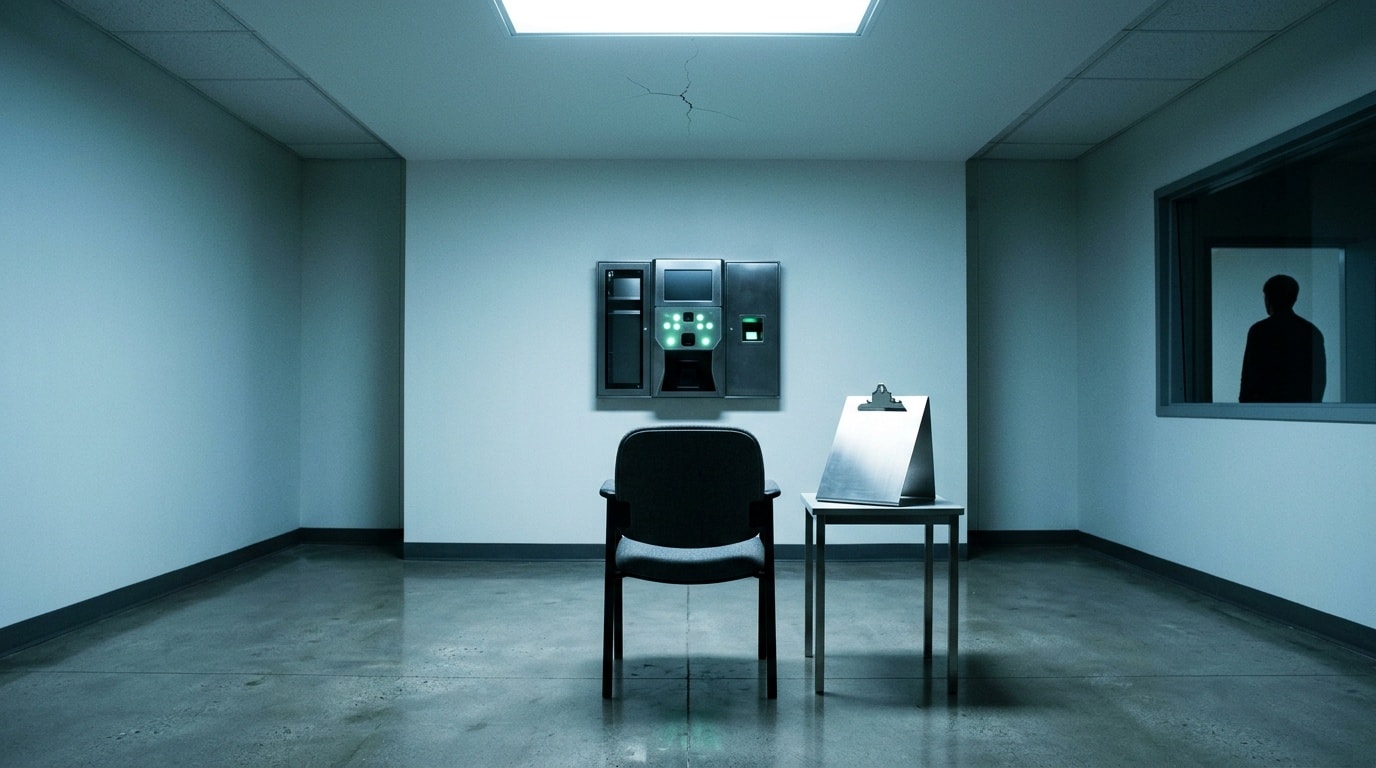
Outie Helly Believes Her Innie Is Not Real
Outie-Helly did not arrive at her denial of her innie's personhood through reluctance or internal conflict.

Irving's Kier Worship Makes Him a Target
Irving's attachment to Kier's mythology is not conditioned loyalty but a structurally manufactured identity -- the only interior life available to a severed employee who has filled the void completely.
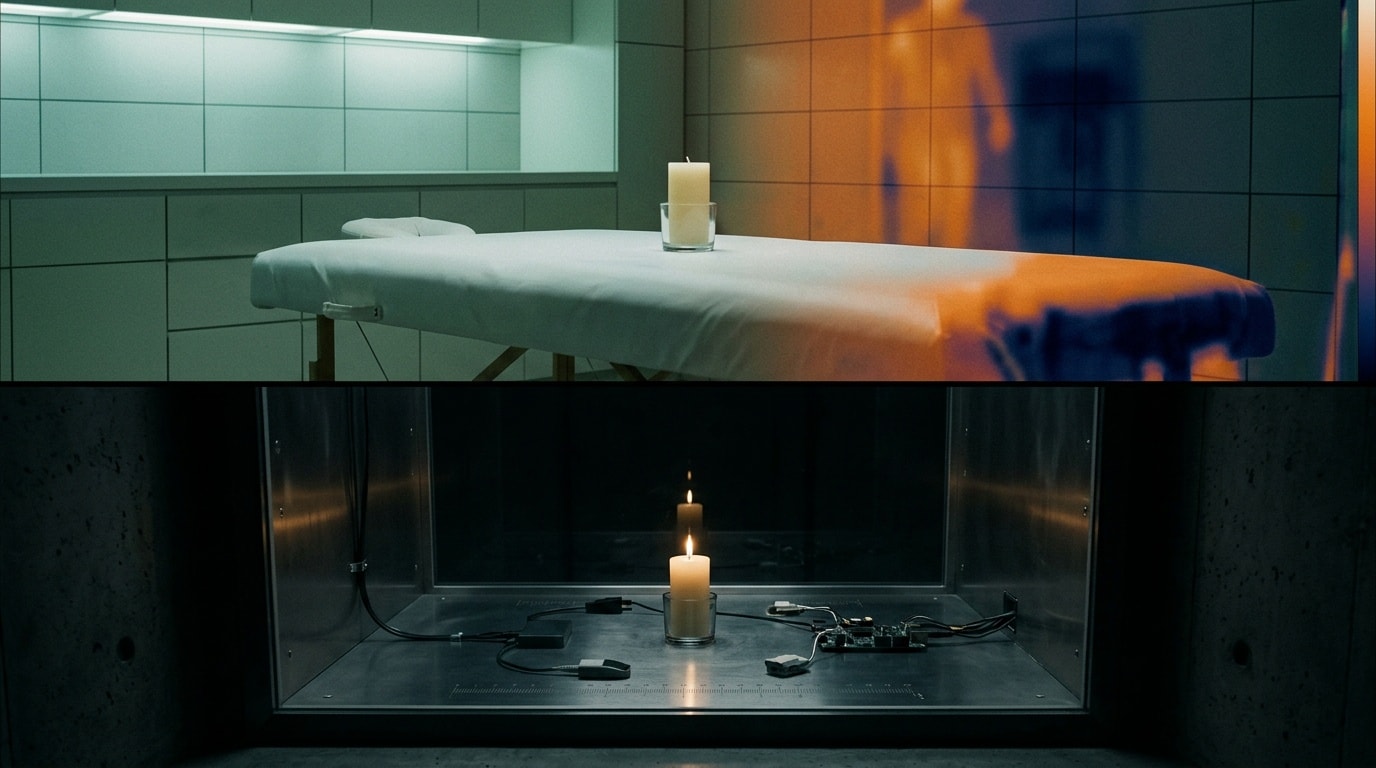
Mark's Hands Remember What His Mind Cannot
Mark's innie is not simply ignorant of Gemma's death.
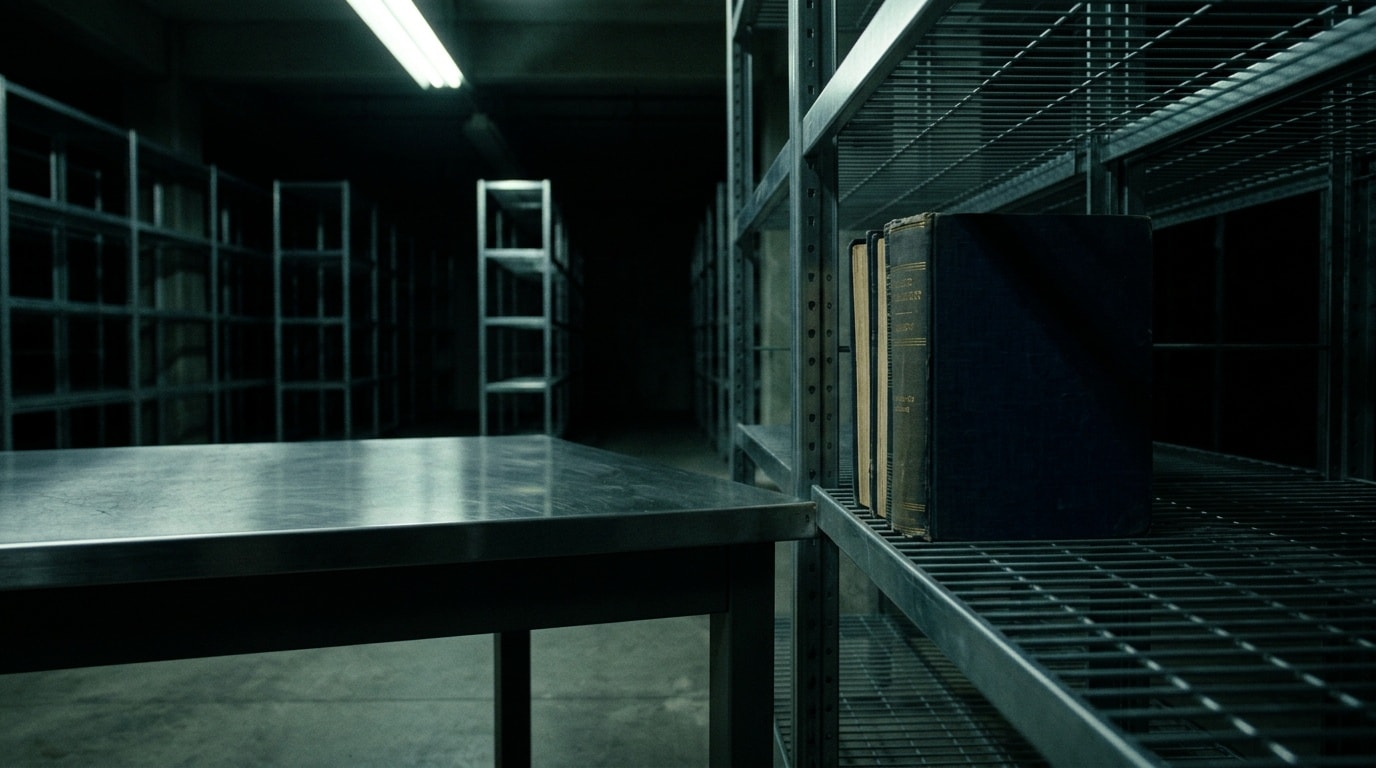
The Signed Book Is Petey's Final Message
Petey placed 'The You You Are' inside Lumon before his reintegration as a deliberate second stage of the communication sequence he opened with the map, using the severed floor's unmonitored lateral spaces as a dead-drop.
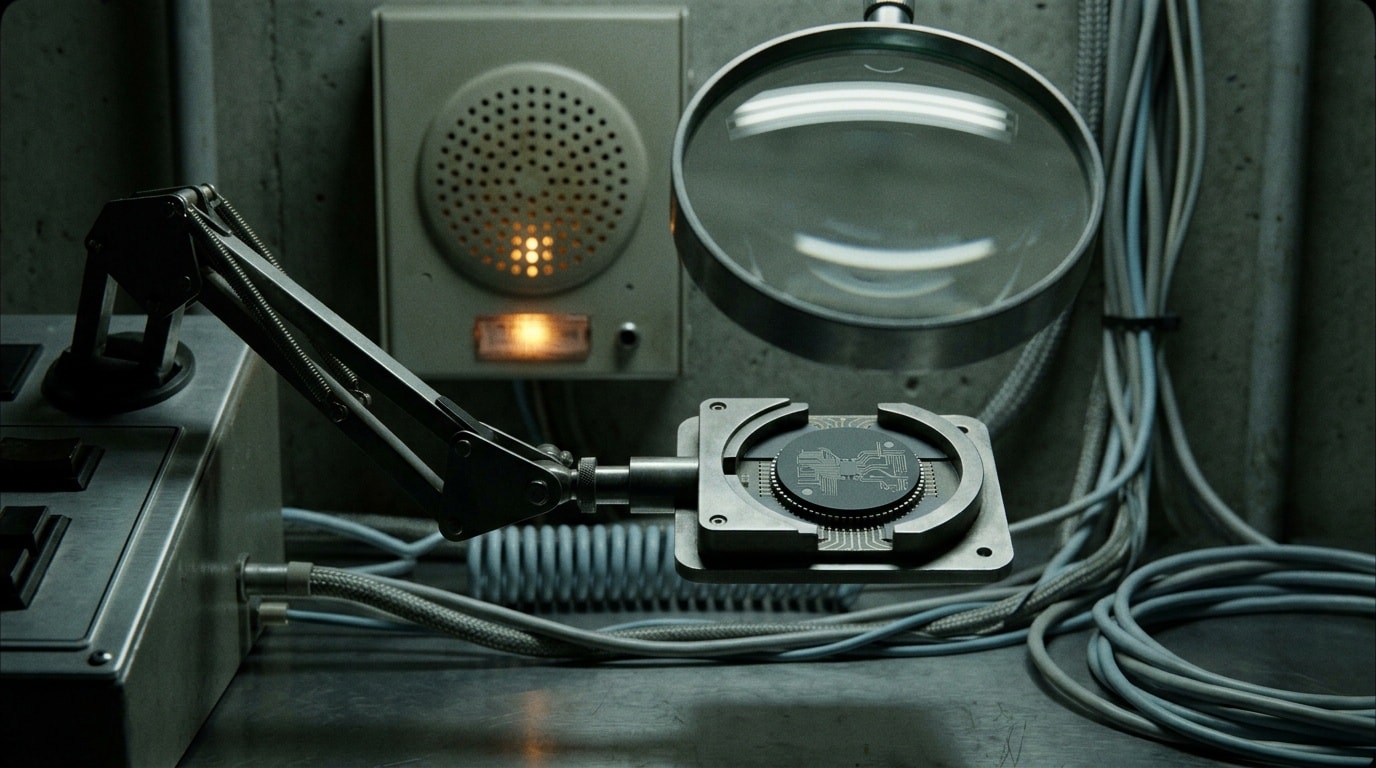
Break Room Voices Are Psychologically Personalized Torture
The Break Room generates personalized auditory stimuli calibrated to each innie's specific psychological vulnerabilities, not a shared ambient sound.
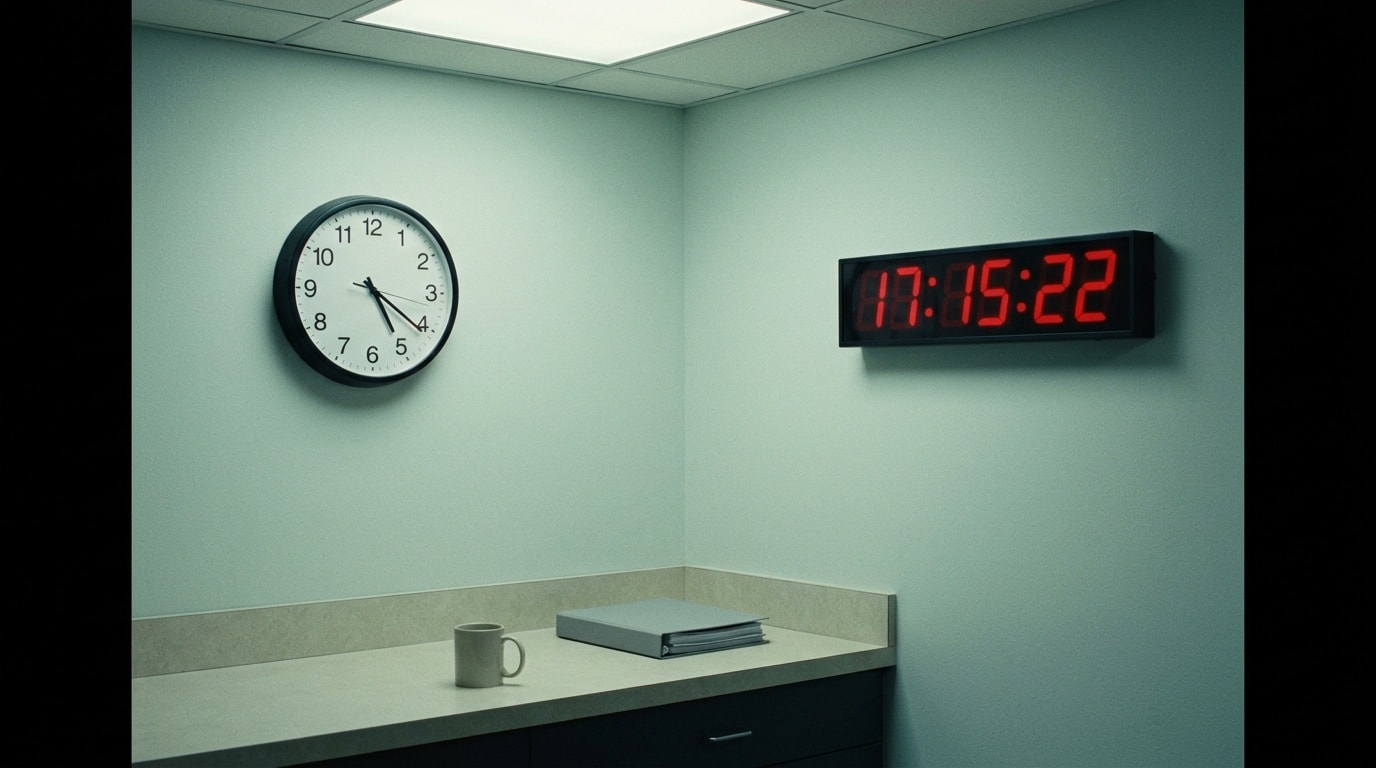
The Break Room Runs on Impossible Time
The Break Room operates on a duration that the episode's own clock timestamps cannot accommodate, meaning either Lumon controls time within that room independently of the observable floor chronology, or the show is deliberately concealing how long Helly was actually kept there.
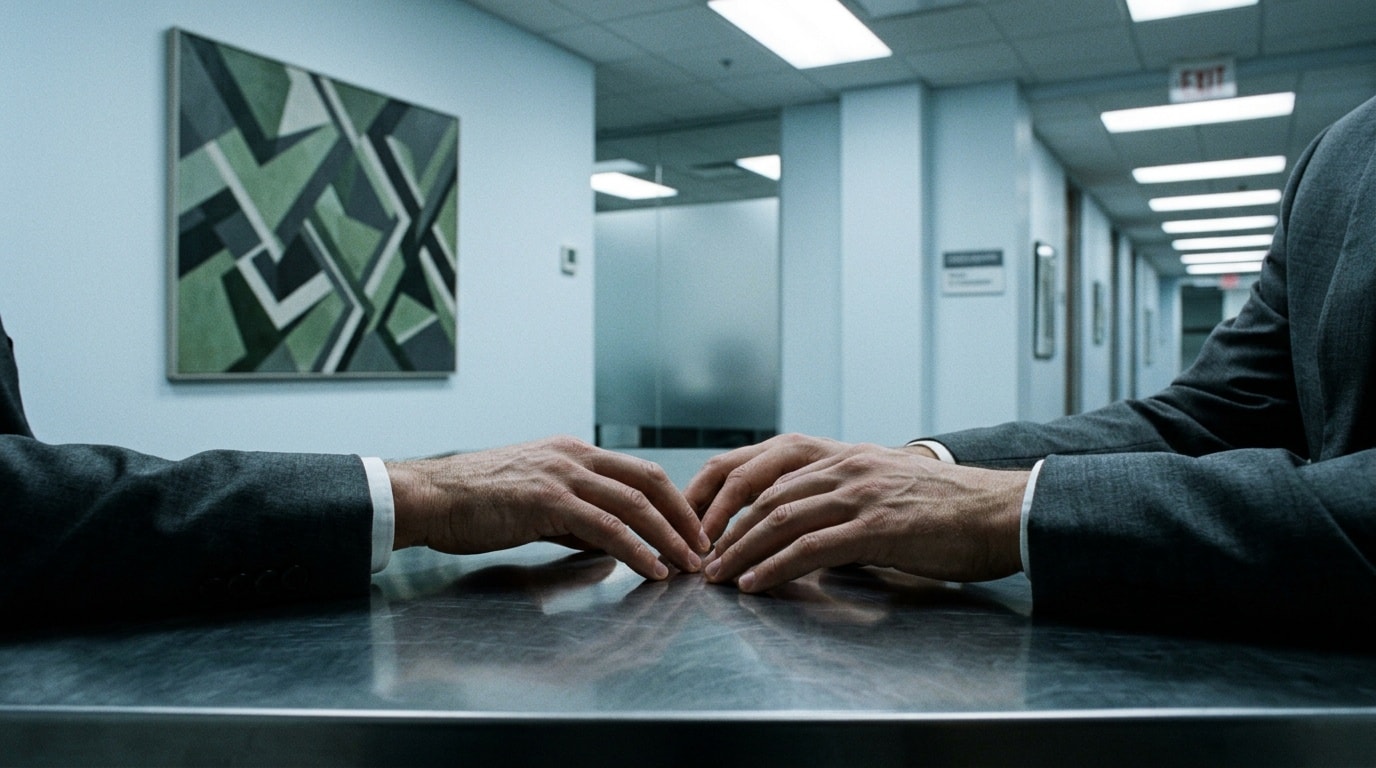
Irving and Burt Knew Each Other Before Severance
Irving and Burt's outies likely shared a romantic relationship that both severed themselves to escape, and what reads as a charged first meeting inside Lumon may be the reassertion of an unresolved bond neither man can now identify.