
Each MDR Worker Embodies a Lumon Temper
THE THEORY
Lumon's four tempers are not corporate decoration. They are the casting logic of the severed floor, and each MDR innie was selected or sorted to embody one: Mark as Woe, Dylan as Frolic, Helly as Dread, Irving as Malice. If that alignment is deliberate, the severed floor is not a workplace but a controlled psychological exhibit, with each innie studying what a single human emotional register does when stripped of memory and exit.
How This Theory Works
The tempers exist in the handbook, in the Perpetuity Wing's iconography, in Lumon's foundational mythology. The show also gives us four innies, each defined by one dominant emotional quality. That parallel is not incidental. The severed floor is a controlled environment. The people on it appear to have been sorted with a precision that makes coincidence increasingly hard to defend.
Mark's innie arrives each morning with grief he cannot locate or name. Petey describes it directly: the red eyes, the elevator joke, the suggestion that Mark carries the hurt down there without knowing what it is. That is Woe in its structurally purest form. Sorrow detached from its cause cannot be reasoned with or refused. It simply persists. Dylan treats waffle parties as the point of existence and spent an entire prior day emphasizing incentives as the sole reason they are all there. That is not joy. It is the compulsive performance of levity as the only available orientation, which is precisely what the Frolic archetype describes.
Helly writes 'Let me out' on her own arms so only she can read it by pressing them together. That is not a strategy. It is a response to pressure so immediate and total that the body becomes the only available surface for resistance. Dread, in Lumon's iconography, is not anticipatory fear. It is the unbearable weight of the present moment with no exit visible. Helly does not plan. She refuses instinctively because she cannot tolerate containment long enough to do otherwise. Irving is the most clarifying case. He is rigid, orthodox, quietly judgmental of deviation, and genuinely reverent of institutional order. His declaration that the Perpetuity Wing is 'everything' is not enthusiasm. It is the language of enforcement. Malice in Lumon's framework is not personal cruelty. It is the will that holds the structure in place, the temper that does not flinch at what the system requires.
Irving taking Helly into the Perpetuity Wing places a figure who may embody Malice directly in front of a shrine consecrated to the Eagan tempers, including Malice itself. That scene is not only establishing the mythology. It may be showing a person confronting the iconographic version of what he already is. The sharpest implication here is not that Lumon believes in its own mythology. It is that the mythology is operational. If severance amplifies a single dominant emotional register, or if the workers were selected for these qualities before they ever went under, then Lumon has not just divided its employees from their memories. It has dissected the human psyche into its own categories, stationed each fragment in a room with no windows, and is watching what each one does alone.
Is this theory convincing?
Key Evidence
Mark's Unnamed Elevator Grief
Petey tells Mark that his innie would arrive with red eyes, that they joked he was allergic to elevators, and suggests he carries the hurt down there without knowing what it is, directly mirroring the Woe temper as sorrow without a source.
Dylan's Waffle Party Fixation
Mark's morning announcements include a reprimand about boasting over previously earned waffle parties, and Irving confirms Dylan spent the prior day emphasizing incentives as though that is the sole reason they are there, consistent with the Frolic archetype's compulsive pursuit of reward.
Helly Writing on Her Own Skin
Helly writes 'Let me out' directly on her arms so that only she can read it by pressing them together, an act of pure bodily resistance that captures Dread as the unbearable pressure of immediate confinement rather than a reasoned strategy.
Irving's Perpetuity Wing Orthodoxy
Irving tells Mark that the Perpetuity Wing is not just meaningful but 'everything,' framing it as the spiritual center of their existence, a stance that mirrors the Malice temper's association with enforcement of institutional order rather than personal cruelty.
Four Tempers as Structural Corporate Myth
Lumon's four tempers are established as a foundational element of the company's iconography, present in the handbook and the Perpetuity Wing, creating a ready-made framework that the show has four central characters to potentially fill.
Other Theories for S1E03
Cobel Lives Next Door to Watch Mark
Cobel did not simply accept a surveillance assignment.
Severance Fragments Its Subjects at Every Stage
Severance does not contain suffering within a partition; it transforms grief into a sourceless affliction the innie cannot name, then destroys the orientational architecture that would allow a reintegrated person to inhabit either life.
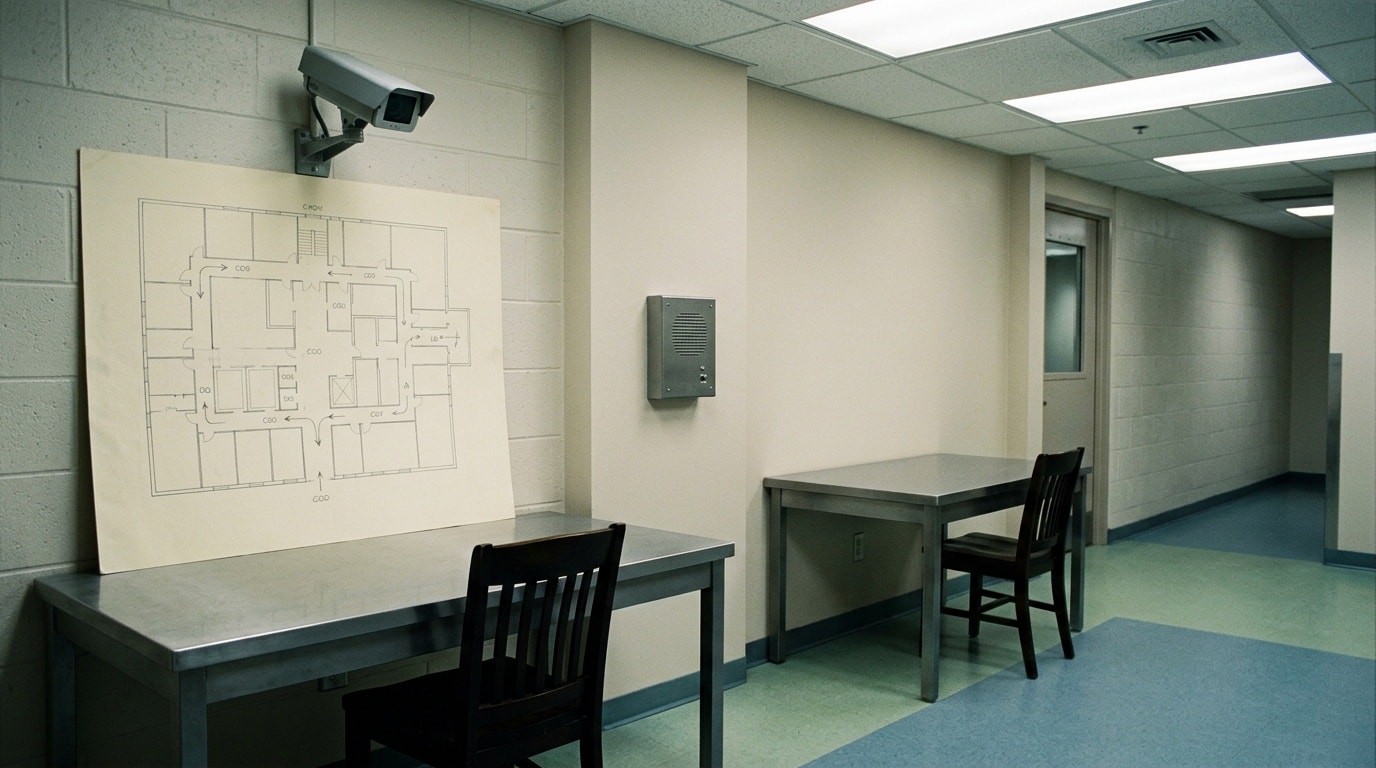
Petey Was a Surveyor Not a Defector
Petey's reintegration, his appearance at Mark's home, and his hand-drawn floor map constitute a single coordinated operation run by a covert second resistance group distinct from the Whole Mind Collective.
Lumon Controls Resignation Without Employee Consent
Lumon has veto power over severance resignations that it exercises before requests ever reach the outie, meaning the contract's apparent voluntariness is a structural fiction maintained by keeping the only person with legal standing to exit permanently uninformed.
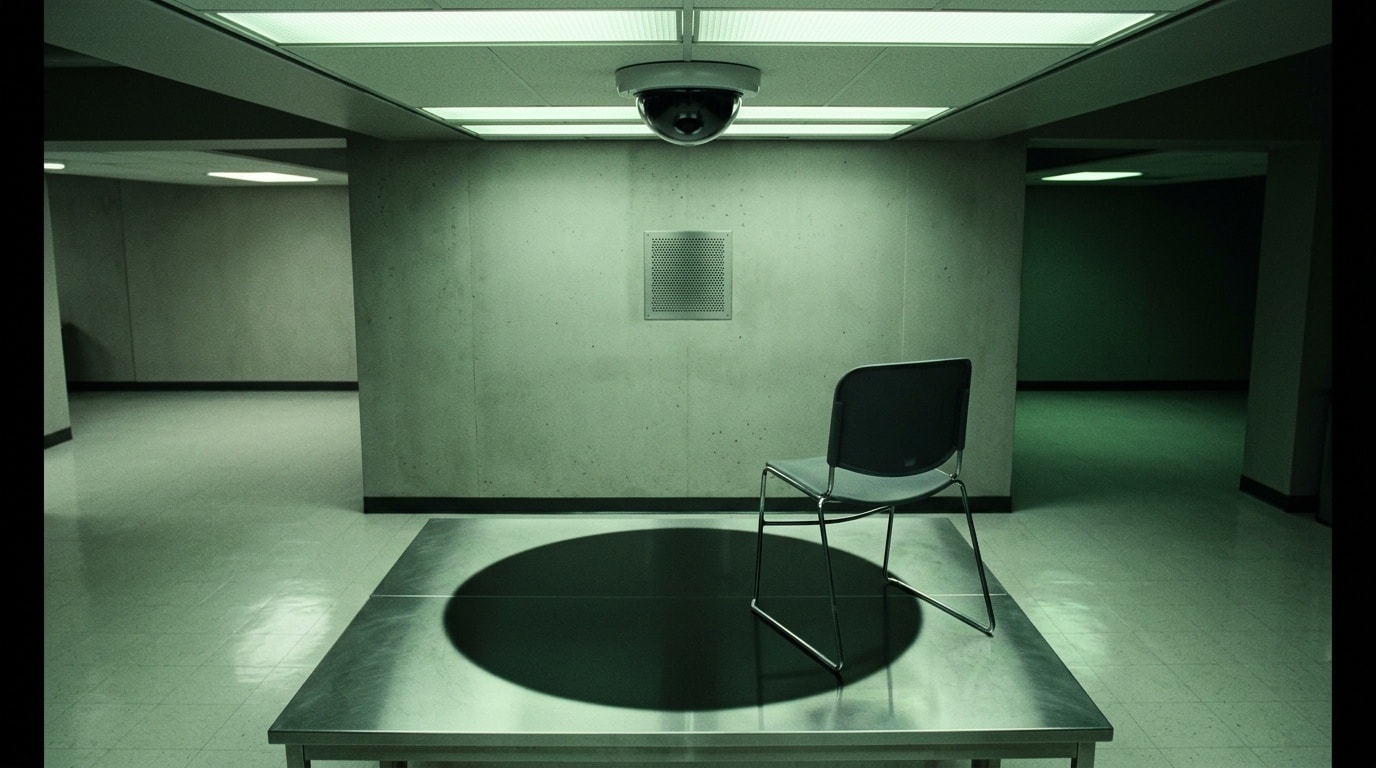
Break Room Forces Sincere Confessions, Not Just Compliance
The break room is an engineered conversion apparatus, not a punitive space, built on the premise that behavioral compliance is insufficient and that the innie's internal state must be remade to match Lumon's approved ideology before release is granted.

The Perpetuity Wing Is a Permanent Prison Engineered to Recruit Its Own Inmates
The Perpetuity Wing operates simultaneously as a physical holding space for innies whose severance has been made total and irrevocable, and as a psychological conversion mechanism that replaces innie selfhood with Lumon-approved devotion.