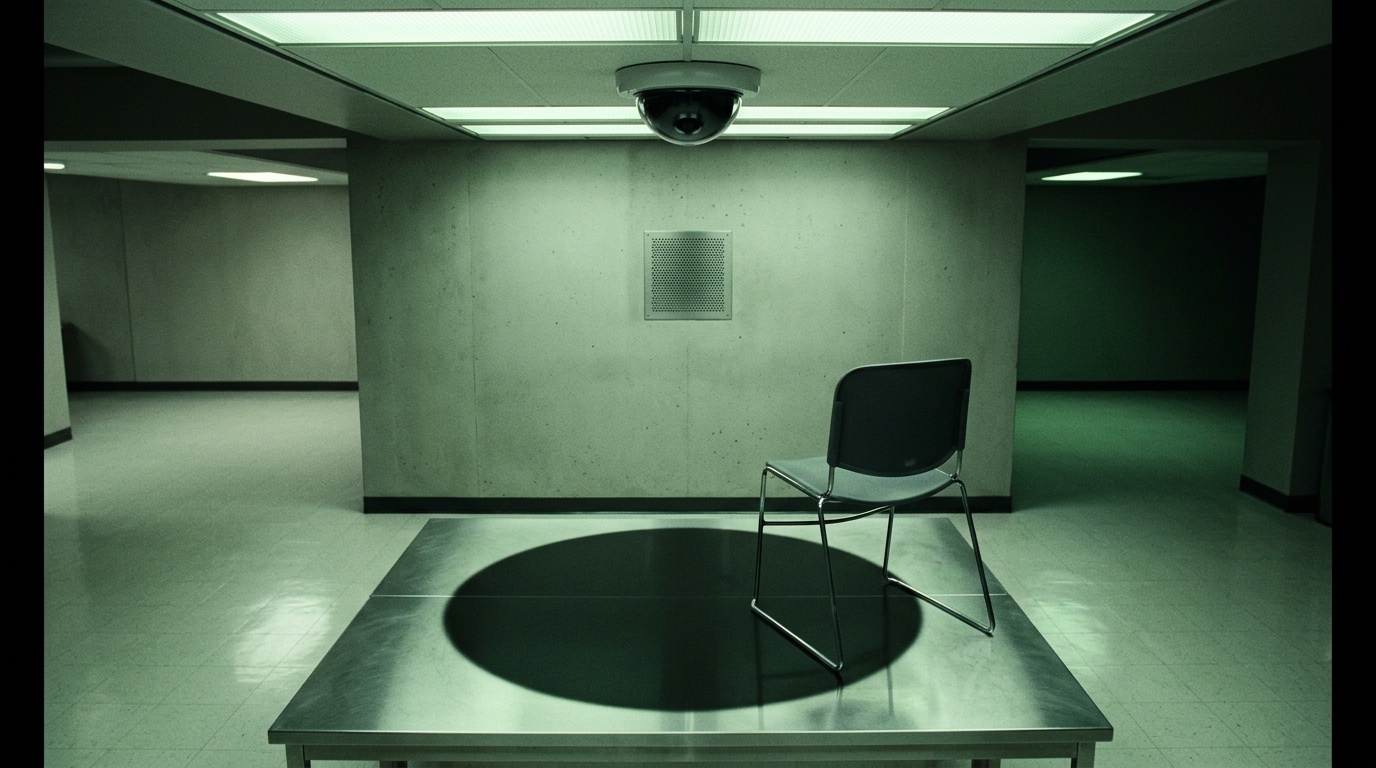
Break Room Forces Sincere Confessions, Not Just Compliance
THE THEORY
The break room is an engineered conversion apparatus, not a punitive space, built on the premise that behavioral compliance is insufficient and that the innie's internal state must be remade to match Lumon's approved ideology before release is granted. By pairing physical aversion with scripted theological confession and withholding relief until sincerity is detected, the mechanism does not punish resistance but systematically dismantles it. That this system exists at all reveals that Lumon anticipated resistant innies and chose to build infrastructure to consume them from the inside rather than simply contain them.
How This Theory Works
Lumon has built a mechanism that does not accept compliance as its endpoint. It requires that the innie's internal state match an approved theological script before release is granted, which means the break room is not a punishment chamber but a conversion chamber. The scripted confession Helly must read carries language from a devotional tradition: 'Forgive me for the harm I have caused this world. None may atone for my actions but me.' The words themselves are not the mechanism. What matters is that the employee must mean them before they are allowed to leave. Lumon is not satisfied with performed compliance. It demands manufactured belief.
This is why the break room is a more serious threat than Graner or physical restraint. Physical coercion produces outward conformity and leaves the interior intact. A system that detects insincerity and withholds release until genuine belief is achieved attacks something deeper. For a resistant employee like Helly, the room becomes a psychological siege. For a true believer like Irving, it would function more like a sacrament. The gap between those two outcomes reveals the room's actual purpose: not to punish, but to close the distance between what an innie says and what an innie is.
The reference to 'bad soap' in Mark's threat suggests a physical pain component operates alongside the confessional ritual. If pain is introduced as a consequence of continued insincerity, the room pairs aversive sensation with ideological language until the language itself acquires the authority of relief. The innie who finally means the confession does so not through persuasion but through exhaustion of every alternative. That is not rehabilitation. It is the structural manufacture of a convert.
The implication the theory has to press into directly is this: a sincerity-detection apparatus of this design is not an improvised disciplinary tool. It is an engineered system, which means someone at Lumon decided that behavioral compliance was insufficient and that the innie's interior life had to be colonized. The break room was never built for rule-breakers. It was built for the category of person who would resist having their selfhood replaced, because that resistance was anticipated. The system was designed from the start to reach inside and remake whoever would not go quietly.
Is this theory convincing?
Key Evidence
Scripted Confession With Theological Language
In the break room, Helly is given a specific scripted statement to read: 'Forgive me for the harm I have caused this world. None may atone for my actions but me,' framed as a devotional admission rather than a corporate policy acknowledgment.
Sincerity Detected Before Release
Milchick appears to use a device or judgment process to determine when an employee genuinely means the confession, and only at that point can the employee leave the break room.
Mark Threatens Helly With Bad Soap
Mark warns Helly that if she does not scrub her arms within five minutes, she will be sent to the break room and subjected to 'bad soap,' implying a physically painful component to the punishment ritual.
Mark Previously Sent to Break Room
Helly tells Mark that by accepting her resignation request he would avoid being sent to the break room again, confirming the space is used to punish department heads as well as regular innies.
Irving as Ideological Contrast
Irving's deep belief in Lumon's mission is treated as meaningful contrast to Helly's resistance, suggesting the break room's sincerity requirement would function very differently across those two employees.
Other Theories for S1E03
Cobel Lives Next Door to Watch Mark
Cobel did not simply accept a surveillance assignment.
Severance Fragments Its Subjects at Every Stage
Severance does not contain suffering within a partition; it transforms grief into a sourceless affliction the innie cannot name, then destroys the orientational architecture that would allow a reintegrated person to inhabit either life.
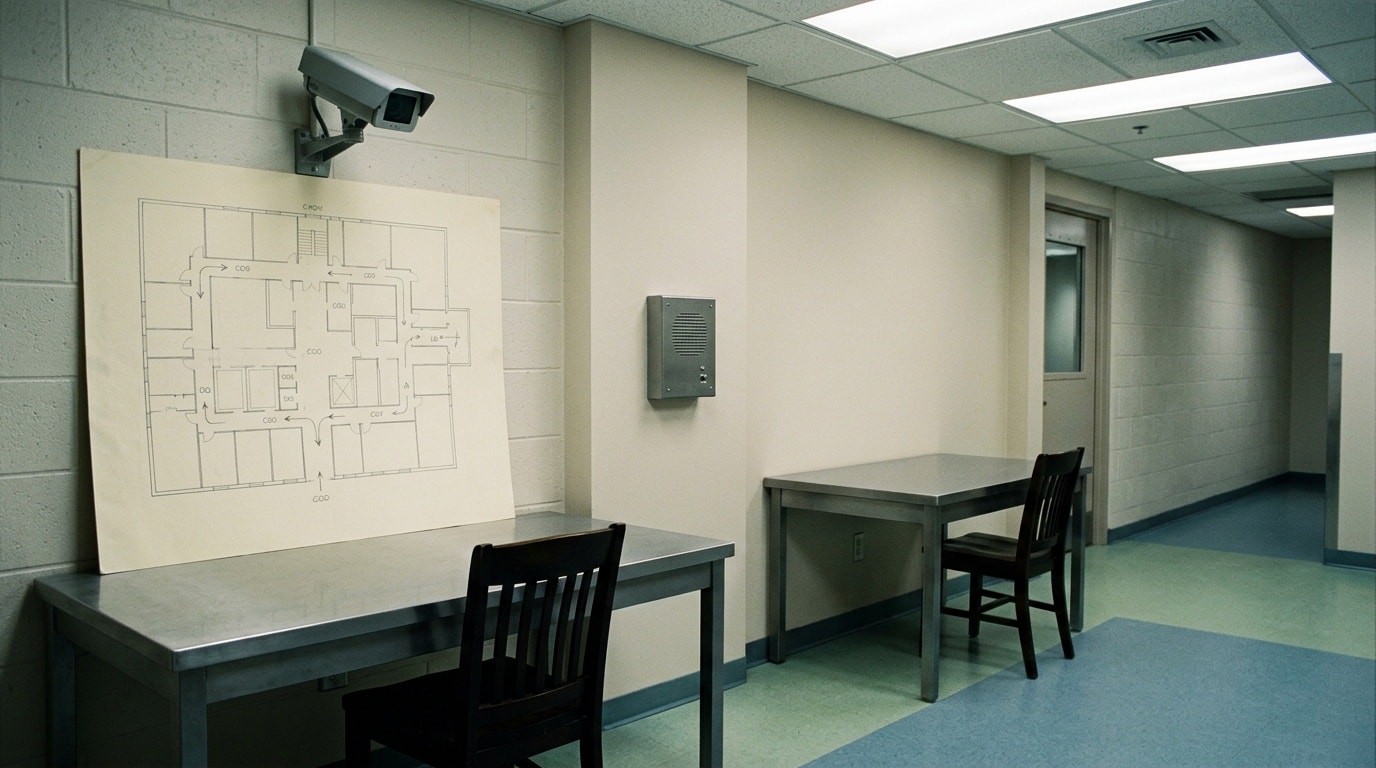
Petey Was a Surveyor Not a Defector
Petey's reintegration, his appearance at Mark's home, and his hand-drawn floor map constitute a single coordinated operation run by a covert second resistance group distinct from the Whole Mind Collective.
Lumon Controls Resignation Without Employee Consent
Lumon has veto power over severance resignations that it exercises before requests ever reach the outie, meaning the contract's apparent voluntariness is a structural fiction maintained by keeping the only person with legal standing to exit permanently uninformed.
The Perpetuity Wing Is a Permanent Prison Engineered to Recruit Its Own Inmates
The Perpetuity Wing operates simultaneously as a physical holding space for innies whose severance has been made total and irrevocable, and as a psychological conversion mechanism that replaces innie selfhood with Lumon-approved devotion.
Each MDR Worker Embodies a Lumon Temper
Lumon's four tempers are not corporate decoration.