
Cole Kills for Alicent, Not the Crown
THE THEORY
Criston Cole does not serve the Green faction. He serves Alicent Hightower as a personal matter of psychological survival, because she alone holds the knowledge that could unmake him, and because she transferred his conscience to her keeping when she covered his broken oath. His killing of Beesbury was not factional violence but a reflexive defense of the one figure whose protection is the condition of his own coherence as a knight. This makes Cole not a Green ideologue but a private weapon whose threshold for lethal action is calibrated to Alicent's honor rather than to any political necessity the faction can predict or control.
How This Theory Works
Cole's loyalty to Alicent is not political allegiance dressed in personal feeling. It is something closer to a private religion, one in which Alicent functions as both the object of devotion and the sole authority who can absolve him. He broke his Kingsguard oath, and she covered it. That act did not merely create a debt. It transferred his conscience to her keeping. He cannot afford to let anything threaten her because threatening her threatens the only framework that makes his continued existence as a knight coherent.
This is why the Beesbury killing cannot be read as factional zeal. Cole did not move when the council debated succession law. He did not move when Aegon's claim was challenged in the abstract. He moved the instant Beesbury's accusations landed on Alicent personally, and he named his reason without ambiguity: she had been slandered. A man loyal to a cause restrains himself when the cause is served by restraint. Cole did not restrain himself, and the Green cause was not served by what he did. Otto Hightower was running a political operation. Cole interrupted it with a killing no one ordered and no one could undo.
Alicent's appeal, when she sent Cole to find Aegon, confirms she understands exactly what she is holding. She did not invoke duty or dynastic obligation. She invoked what he feels for her. That is not the language of command. It is the language of someone who knows she is not directing an institution but activating a person, and who has chosen to work with that rather than against it. The question the evidence forces is whether Cole's threshold for violence is something Alicent can reliably calibrate, or whether she has simply agreed to be responsible for a weapon she cannot fully aim.
Westerling's resignation makes the liability structural rather than incidental. He drew his sword, ordered Cole to surrender the white cloak, and walked out when that order was refused. The Lord Commander of the Kingsguard judged Cole's act a disqualifying breach, and Cole remains in the white cloak only because the Greens chose suppression over discipline. Every act Cole commits in Alicent's name from that moment forward carries the same logic: the faction absorbs it or admits that its most violent defender operates outside any chain of command they control. The liability was not created by Beesbury's death. It was formalized the moment Westerling walked out and no one moved to stop him.
Is this theory convincing?
Key Evidence
Cole's Stated Justification for Violence
Criston Cole explicitly justified his fatal assault on Lyman Beesbury as retribution for Beesbury slandering the queen with accusations of regicide, framing his violence as a personal defense of Alicent rather than a political act.
Beesbury Slammed Into Council Table
Cole angrily seized Lyman Beesbury and forced him back into his seat with enough force to slam the frail lord's head into the table, fatally cracking his skull at the precise moment Beesbury's accusations turned toward Alicent's complicity in regicide.
Alicent Invokes Personal Feeling
When dispatching Cole to find Aegon, Alicent appeals to what Cole 'feels for her as his queen' rather than to duty or the succession, implicitly acknowledging that his loyalty to her is personal and emotional rather than institutional.
Prior Oath Debt Binds Cole to Alicent
Alicent's earlier intervention to shield Cole from the consequences of his broken Kingsguard oath created an unpaid personal debt, establishing a pattern in which Cole's continued safety depends entirely on her discretion and goodwill.
Harrold Westerling's Contrasting Response
Lord Commander Harrold Westerling drew his sword and ordered Cole to forfeit his white cloak, then resigned from the Kingsguard in protest, providing a direct contrast that highlights Cole's willingness to subordinate honor to Alicent's interests.
Violence Without Council Sanction
Cole acted without any order or sanction from Otto Hightower or the council, killing Beesbury on his own initiative and forcing the faction to absorb the political consequences of an act none of them authorized.
Other Theories for S1E09
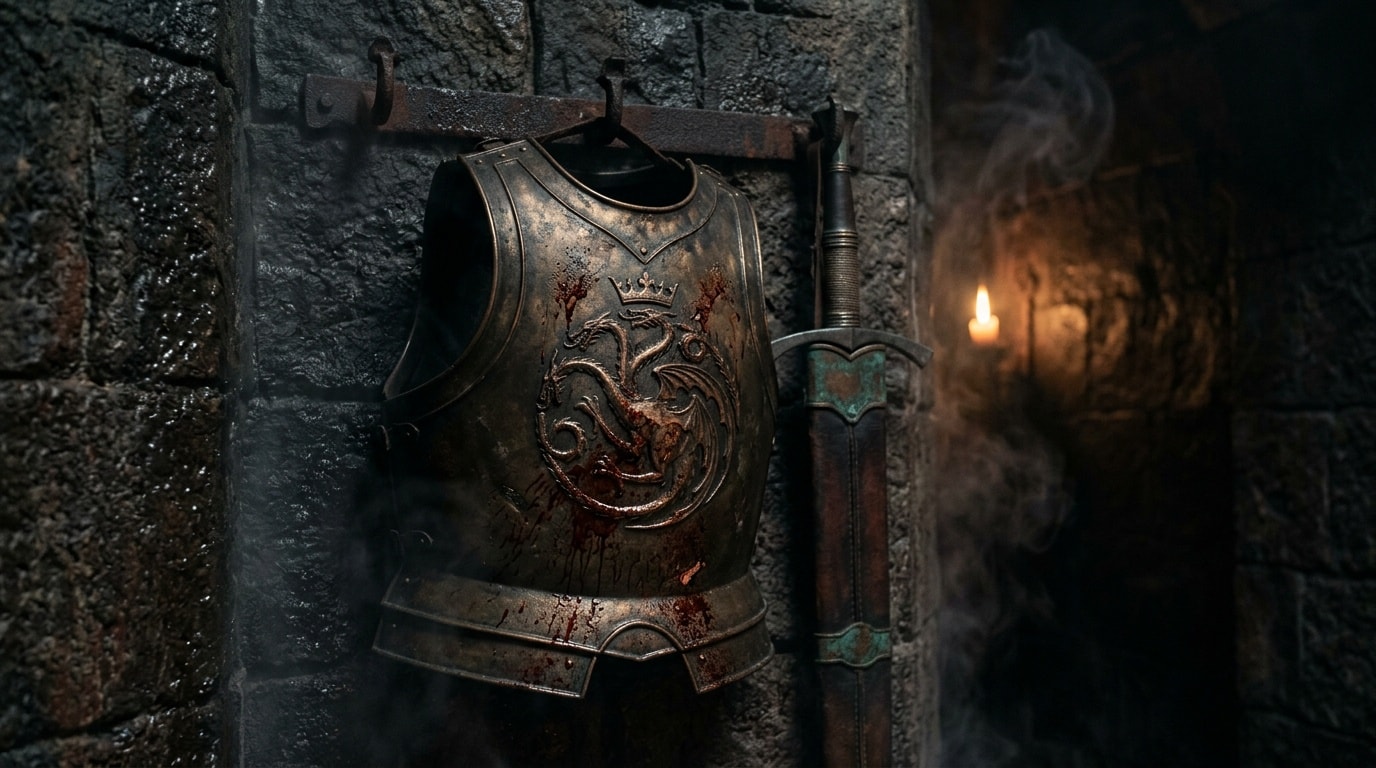
Erryk's Conscience Becomes Rhaenys's Exit
Erryk's rescue of Rhaenys is not heading anywhere specific.
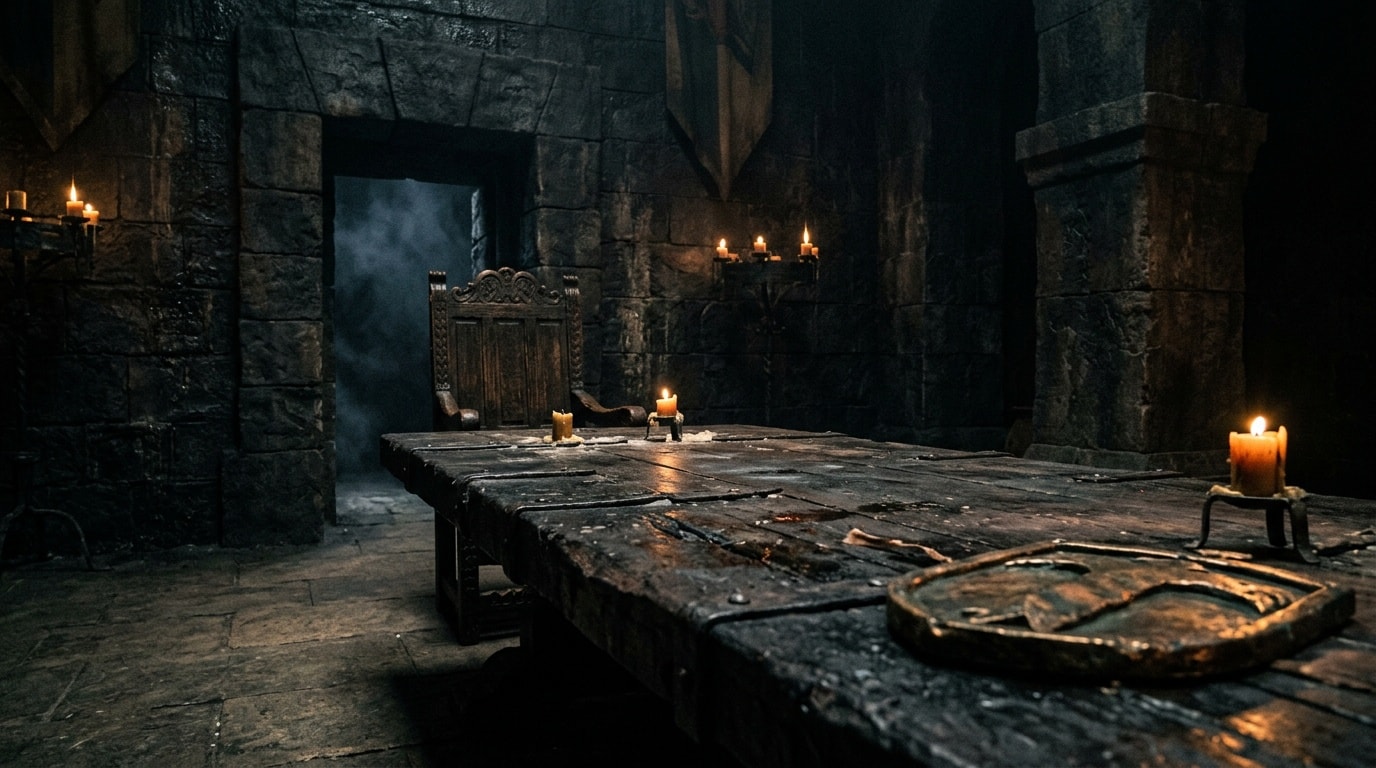
Alicent's Ignorance Was Otto's Most Sophisticated Weapon
Otto Hightower ran an active coup apparatus for years before Viserys died, and the conspiracy's most deliberately engineered feature was Alicent's complete exclusion from it.
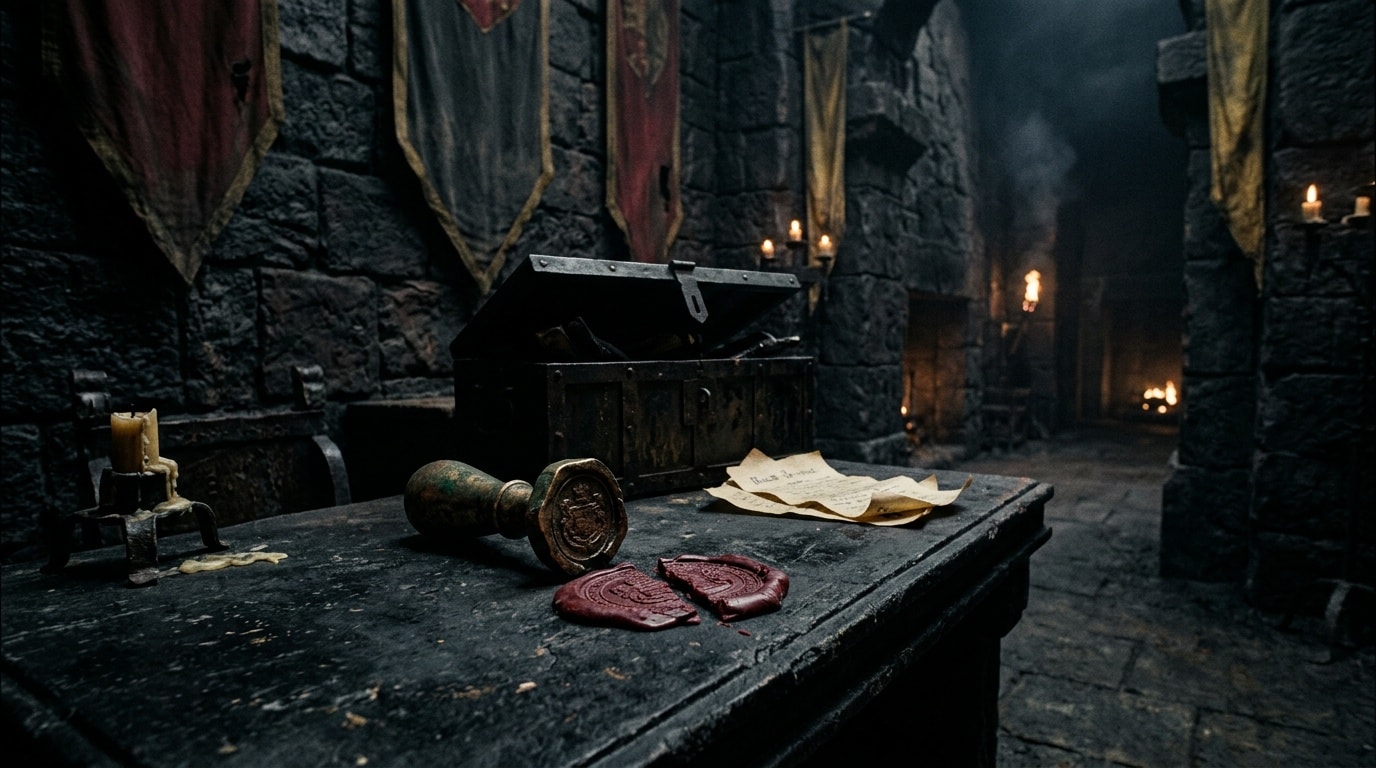
Mysaria Uses Aegon as Political Bargaining Chip
Mysaria's demand that Otto shut down the child fighting rings was not the point of the exchange.
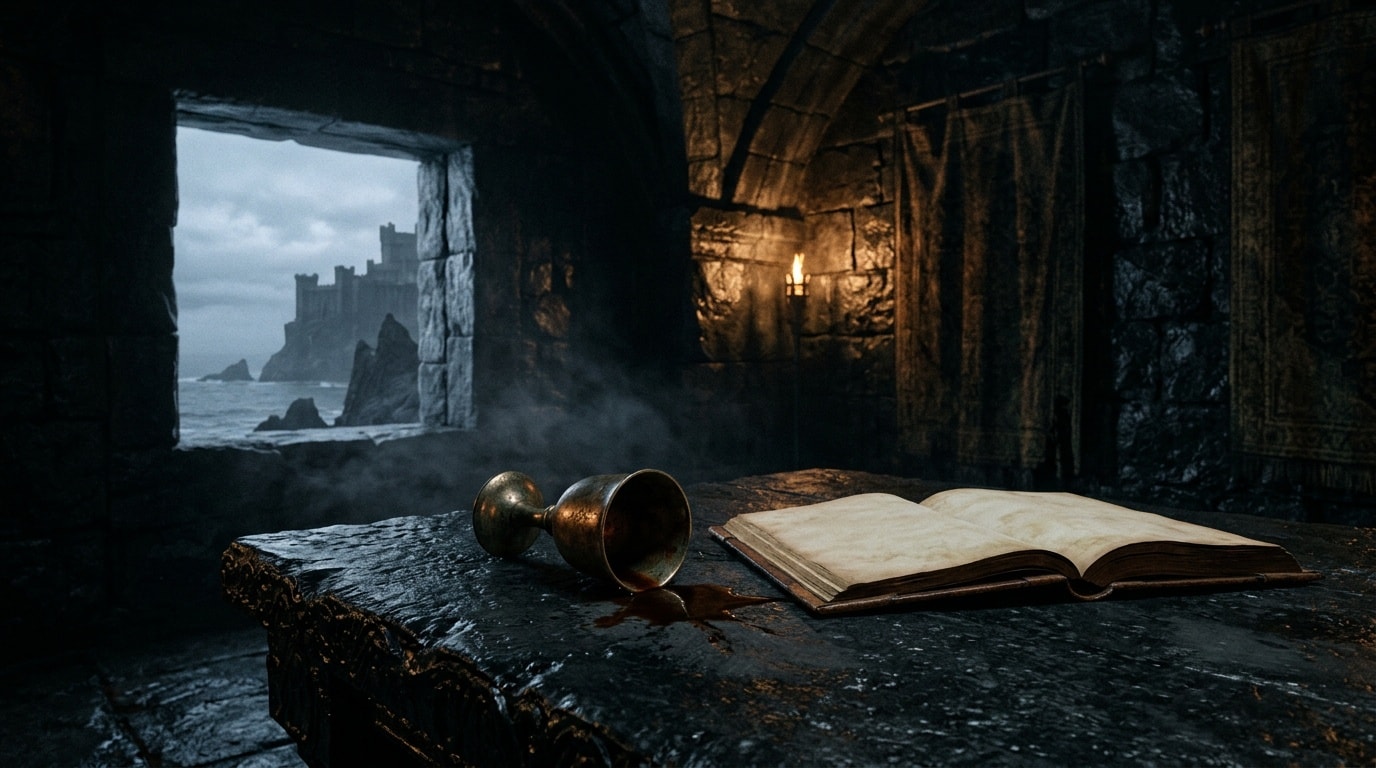
Beesbury Names the Crime No One Will Investigate
The Green council's coup rests on a charge its members never rebut: Lyman Beesbury's argument that a king well the night before does not reverse thirty years of succession policy on his deathbed with only the new heir's mother as witness.
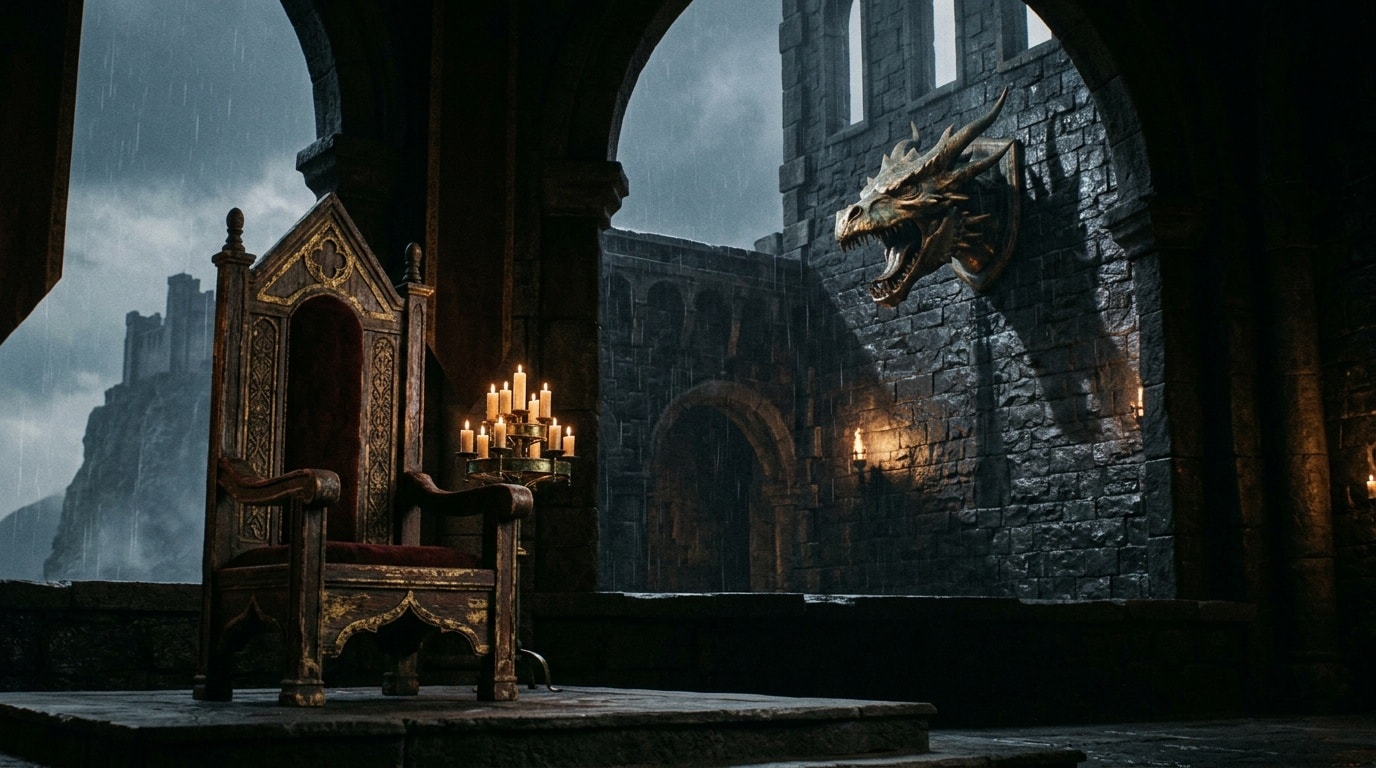
Rhaenys's Mercy Is a Power Play That Guarantees the War
Rhaenys withholds Meleys's fire not from loyalty to Rhaenyra or scruple about kinslaying, but from a cold, premeditated act of self-assertion by a woman who has already learned what Westerosi power does to female claimants, and who has decided to manage this war rather than serve in it.
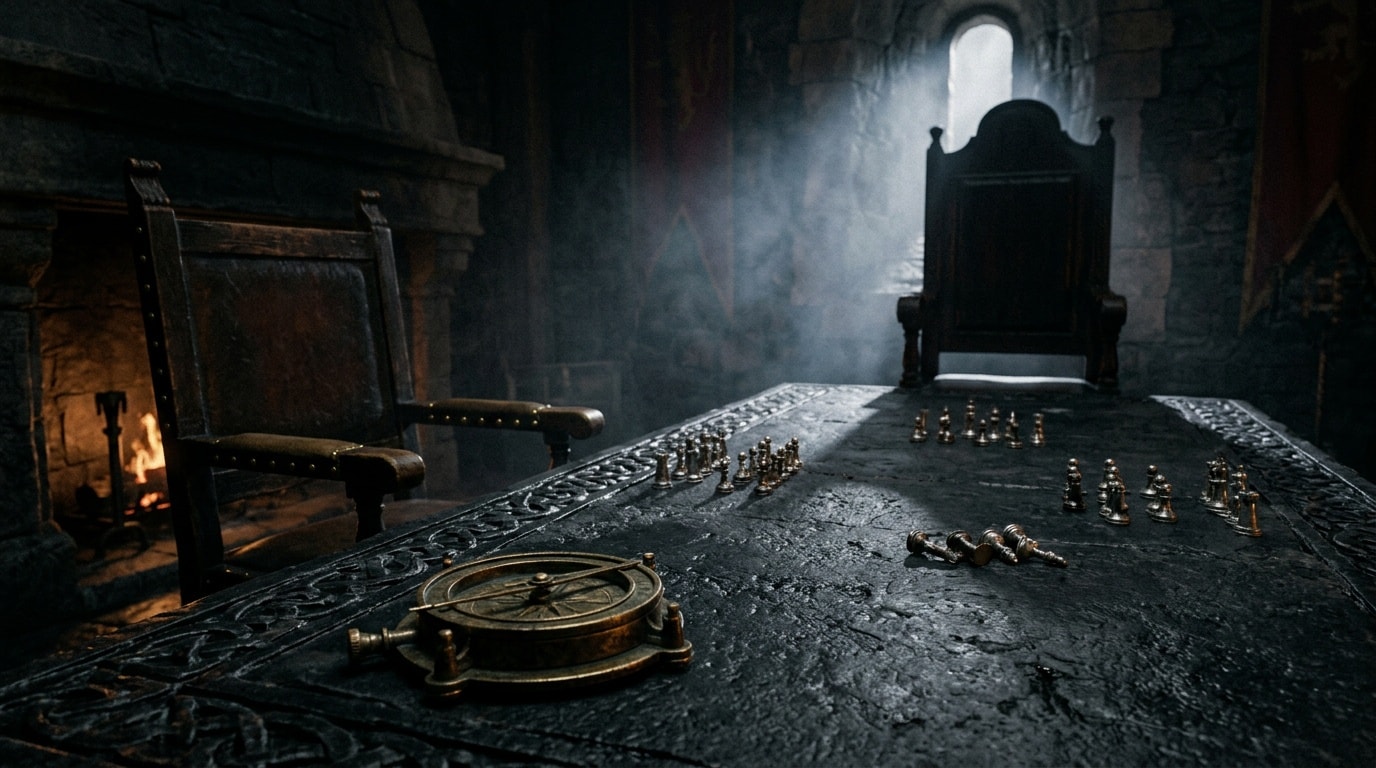
Aemond Is Already Positioning Against Aegon
Aemond views Aegon's coronation not as a settlement but as an opening position, and he is already constructing the internal architecture that would allow him to govern from behind or beneath a king he considers illegitimate.

Mysaria Undersold Aegon to Protect Something Else
Mysaria's decision to trade Aegon for the closure of child fighting pits was not a failure to press her advantage but a deliberate refusal to enter the court's economy of power and debt.
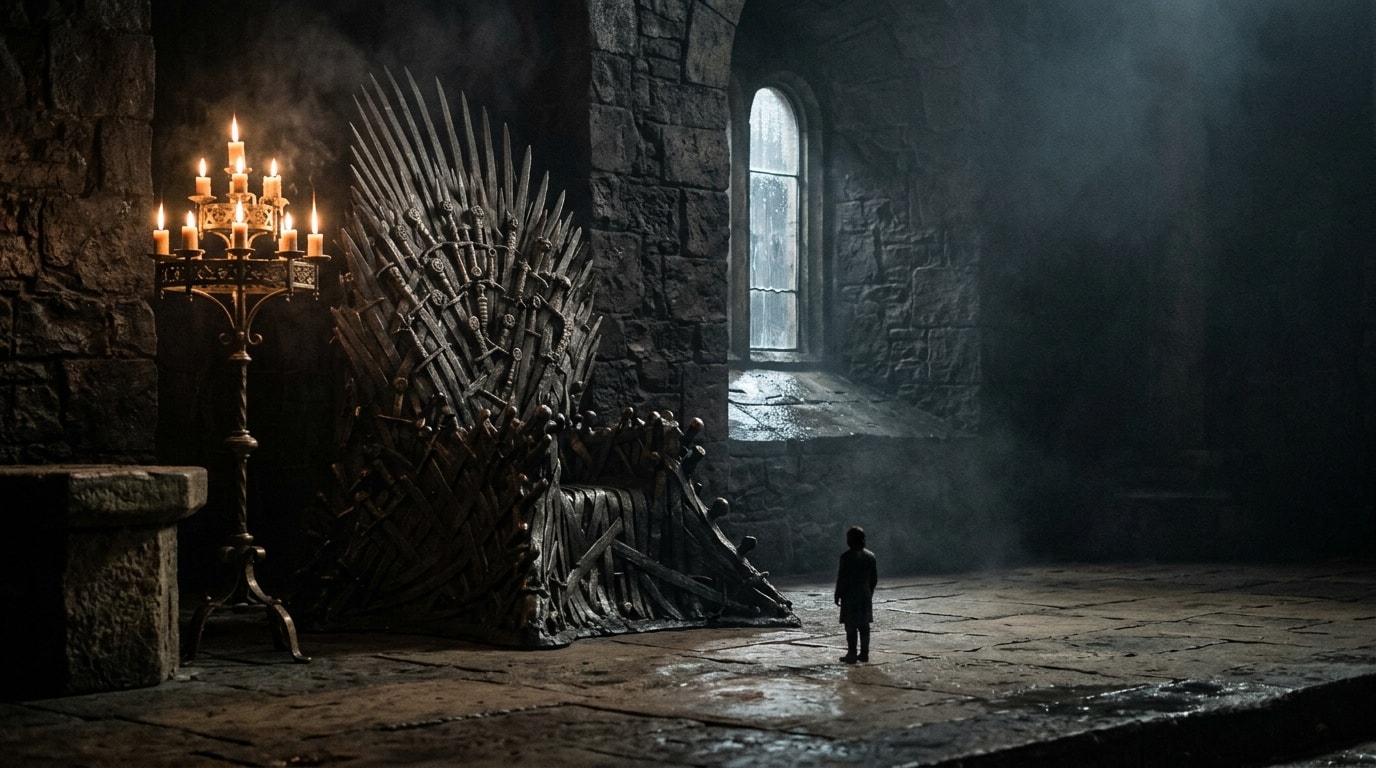
Helaena's Line Predicts the Throne's Fate
Helaena's line 'if one possesses a thing, the other will take it away' is not oblique character texture but a directional prophecy with a specific implied outcome: Rhaenyra will take the Iron Throne from Aegon, and the verb 'take' demands an agent, a deliberate act, and a victor rather than stalemate or mutual destruction.