Syrax Screams Because Rhaenyra Does
THE THEORY
The rider-dragon bond transmits physical suffering across distance without contact or command, and the labor sequence at Dragonstone is structured to prove it. Syrax screams at the Dragonmont with no external provocation while Rhaenyra labors inside the castle, and the intercutting is the show's argument, not its atmosphere. If the bond works in both directions, Syrax's death in the Dance is not a tactical loss Rhaenyra will absorb -- it is a physical event she will experience through the same channel the show has already opened.
How This Theory Works
The rider-dragon bond in House of the Dragon is not trained loyalty or proximity instinct. It is a shared sensory channel, and the labor sequence at Dragonstone is the show's clearest evidence that it transmits suffering across physical distance without command or contact.
The editing choice carries weight because Daemon, in the same sequence, is using Caraxes to physically intimidate the Kingsguard into swearing loyalty oaths. Caraxes has a clear dramatic function. Syrax has none. She is not being provoked, threatened, or commanded. The only thing happening is that Rhaenyra is in agony inside the castle. The intercutting asks the viewer to draw the connection the show refuses to name.
If the bond operates the way the editing implies, it reframes what dragon-riding means within Targaryen military logic. Rhaenyra's suffering is transmitted to her most powerful asset at the precise moment the Black Council is assessing the strength of her dragon forces. Syrax is not a weapon standing ready while her rider labors. She is a creature in distress because her rider is. That is not a detail about animal behavior. It is a claim about the vulnerability built into every rider-dragon pair, and the show surfaces it at the moment the succession war formally begins.
The vulnerability runs in both directions, and that symmetry is the argument's sharpest edge. If Rhaenyra's pain reaches Syrax without proximity or command, then Syrax's death will not register as a military loss first. It will register as a wound in Rhaenyra's body before it is understood as a tactical one. The labor sequence has already demonstrated the mechanism: distress crosses the bond in real time, bypassing every external circumstance. Any reader of Targaryen history knows Syrax does not survive the Dance. Re-read through this theory, that future event is not a battlefield incident. It is an amputation, and it arrives inside a conflict where Rhaenyra is already her faction's most visible symbol of endurance. The bond that let Syrax feel her rider's labor is the same channel through which Rhaenyra will feel Syrax fall.
Is this theory convincing?
Key Evidence
Intercutting Labor and Dragon Screams
The episode cuts between Rhaenyra's screams during her premature labor and Syrax screaming on the slopes of Dragonmont, with no on-screen cause given for the dragon's agitation other than her rider's distress.
No External Cause for Syrax's Distress
Unlike Caraxes, who is actively used by Daemon to intimidate the Kingsguard in the same sequence, Syrax is shown screaming without any dramatized provocation, implying an internal or empathic source.
Rhaenyra Sensing Syrax's Pain
One reading of the sequence holds that Rhaenyra is not only projecting her pain onto Syrax but actively receiving the dragon's distress in return, suggesting a two-way sensory channel between them.
Dragon as Emotional Anchor in Crisis
The framing of Syrax's presence as a source of comfort and psychological support during labor positions the bond as something that operates across physical separation, not just through touch or proximity.
Other Theories for S1E10
Rhaenyra Has Been Counting Casualties in Her Body Since Before the War Had a Name
Rhaenyra's restraint at the Black Council was never a strategic posture.
Vhagar Chose: Aemond Never Had Control
Vhagar killed Lucerys because she chose to, not because Aemond ordered it.
The Choking Scene Is Two Betrayals Landing at Once
When Daemon's hands close around Rhaenyra's throat, he is not reacting to a single provocation but to two simultaneous revelations: Rhaenyra has refused to be the conqueror he constructed her as, and she has inadvertently exposed that Viserys judged him, privately and permanently, as unfit to carry the dynasty's deepest inheritance.
Daemon Builds Loyalty Through Dragon Threat
Daemon is not managing Rhaenyra's Kingsguard on her behalf.
Prophecy Drives Rhaenyra's War, Not Vengeance
Rhaenyra's strategic restraint is not caution or grief but prophetic obligation: Viserys entrusted her alone with Aegon the Conqueror's Song of Ice and Fire vision, making her the sole keeper of a mandate that reframes the Dance of Dragons as a war fought under constraint rather than for conquest.
Otto Harvests What Alicent Can No Longer Read
Otto Hightower deploys the Nymeria page not because he believes it can stop a war but because he has identified a specific cognitive pattern in Alicent: decades of learned submission have caused emotional memory to replace textual content, rendering her constitutionally unable to read political symbols correctly.
Rhaenys Is the Alliance's Ceiling: Corlys Sails on Her Collateral, Not Rhaenyra's Cause
Corlys Velaryon's fleet does not belong to Rhaenyra's war; it belongs to the version of Rhaenyra that Rhaenys staked her own credibility to describe.
Aemma's Death Drives Rhaenyra's Refusal
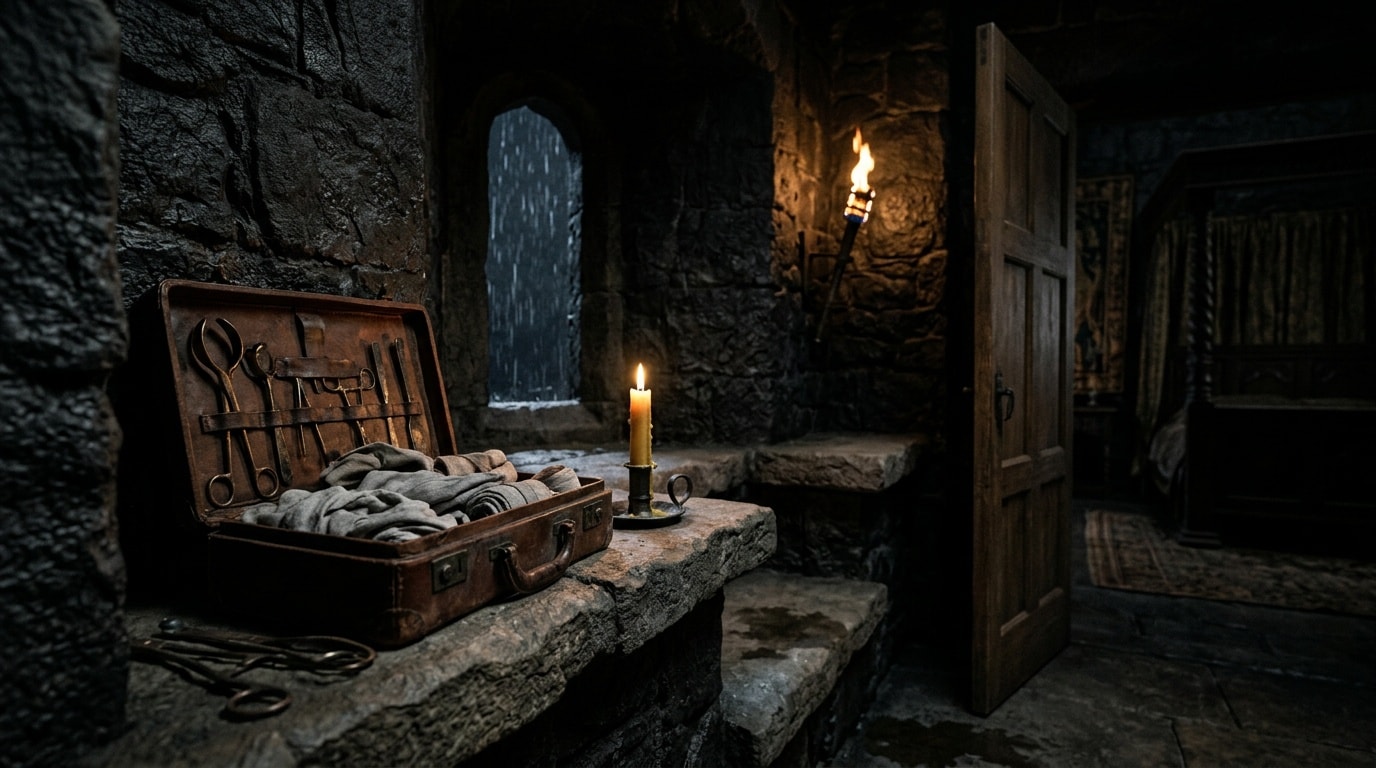
Rhaenyra's refusal of midwife assistance during her labor is a deliberate assertion of bodily sovereignty modeled on the specific violation done to Aemma, whose body was cut open without consent while Rhaenyra watched.