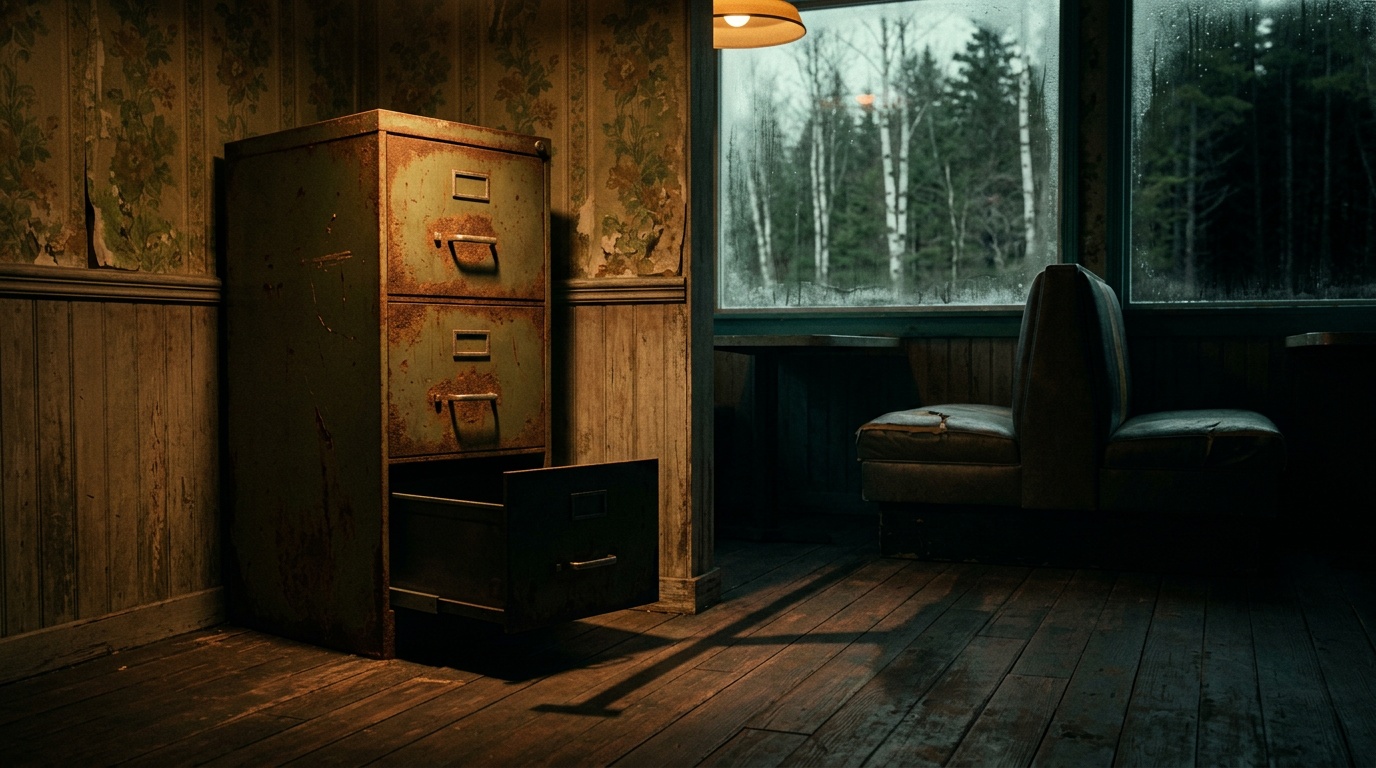
Julie Is the Agent Who Locks Jim's Death Into the Loop
THE THEORY
Julie's entry into the Dungeon ruins is a deliberate attempt to reach the one death she has never witnessed: the original, unwitnessed killing that precedes every version of Jim's death she has already seen as a returning future self. The ruins appear to permit backward temporal displacement, but the show's causal logic implies that Julie's intervention at this originary moment is precisely what sealed Jim's fate in the first place. Her certainty about the mechanism is not a strength; it is the condition the Township, or the loop itself, has already accounted for.
How This Theory Works
Julie's plan is not grief made operational; it is a structural argument. When she tells Randall that walking into the ruins sent her somewhere, and that if she did it once she can do it again, she is proposing a mechanism she believes she has already empirically verified. The safety protocol she builds around Randall (walk through to confirm non-displacement, stay outside, give her time even if it looks bad) is not improvisation. It is risk management, which means she has already thought past the fear and into the logistics. The show frames her certainty as earned rather than delusional, and the ruins appear to validate it: she steps in and finds herself in a nighttime forest, evading Creatures, with the Season 1 RV visible and Jim alive inside. The displacement is real and directional.
The harder question is what she is actually navigating toward. Every prior depiction of Julie witnessing Jim's death has placed her there as a version of herself who already traveled. That means the chain of witnessed deaths is a chain of returns, not originals. Somewhere behind all of them is a first death, the one Julie was absent for, the one the audience has never seen, and that is the structural gap her plan is now aimed at. The Barn killing this episode sharpens that gap rather than closing it. The body was mutilated and displayed; the phrase 'knowledge comes at a cost' was painted on the wall. This is not the creature-kill pattern Julie's memory holds. The divergence between what she remembers witnessing and what this Barn scene shows is the open wound the show is pressing against, and Julie's urgency is the response to it: these are not the same event, and the gap between them may be crossable.
The unresolved pivot on which the entire argument turns is whether the ruins permit backward temporal movement or only lateral displacement to a parallel state of the present. Julie's plan requires the former. If the ruins can only shift her sideways, to a version of now that resembles the past but cannot be altered, then everything she does inside them is witnessed without consequence, and no intervention is possible. If they do permit genuine backward movement, the causal architecture of the show changes entirely, and the question shifts from whether Julie can reach Jim to what happens when she does. The ruins validating her displacement to what appears to be the Season 1 timeline is the strongest available evidence that backward movement is real, but the show has not confirmed that what she is navigating is alterable rather than observable.
The sharpest implication lives in the territory between those two possibilities. The Township's response to Jim's death, staged, inscribed, deliberately legible, suggests an organization that does not merely react to investigation but anticipates it. The phrase on the Barn wall is not a warning left for strangers; it is a message calibrated for someone who would recognize its cost. If the loop has iterated before, and if every version of Julie who has entered the ruins to save Jim has already been a future self arriving into a death she cannot change, then the Township's preparation is not paranoia but memory. They have seen this before because Julie has done this before. Her certainty about the mechanism is precisely what makes her useful to the system: a grieving woman who believes she has found the exit is an agent who will reliably return to the point of origin and do whatever is required to lock the structure in place.
This is the cruelest version of the theory, and the one the combined evidence most supports. Julie stepping into the ruins to save Jim may be the act that made Jim's death permanent in the first place. If she reaches the original, unwitnessed killing and is seen by him, or intervenes in any way that alters his behavior in the moments before his death, she becomes the cause the loop was built around. The ruins are not an exit. They are the mechanism by which the Township ensures the loop closes. Her belief that she can re-enter them, verified by the displacement she has already experienced, is not the key to Jim's survival. It is the key to his death.
Is this theory convincing?
Key Evidence
Julie's Direct Ruins Re-Entry Plan
Julie explicitly tells Randall she needs his help to go back to the Dungeon ruins to save her father, framing it as a deliberate plan rather than impulsive action.
Julie's Prior Displacement Claim
Julie tells Randall that when she walked into the ruins, she went somewhere, and that if she did it once she can do it again, establishing her belief in a repeatable transit mechanism.
Randall as External Safety Anchor
Julie instructs Randall to walk through the ruins to confirm he will not be displaced, then asks him to stay outside and give her time even if it looks bad, indicating premeditated risk management.
Immediate Entry Into Ruins
Julie steps into the ruins and immediately finds herself in the forest at night, evading Creatures and locating Jim inside the RV, confirming the displacement is real and functional.
Jim Already Dead When Plan Forms
Julie learns of Jim's death before approaching Randall, meaning her plan is not to reach a living father but to use the ruins to reach him before or outside of his confirmed death.
Township Punishes Knowledge-Seeking
The phrase 'knowledge comes at a cost' painted on the Barn wall after Jim's murder suggests the forces controlling the Township respond to investigation with lethal force, framing Julie's mission as a direct challenge to that logic.
Other Theories for S4E02
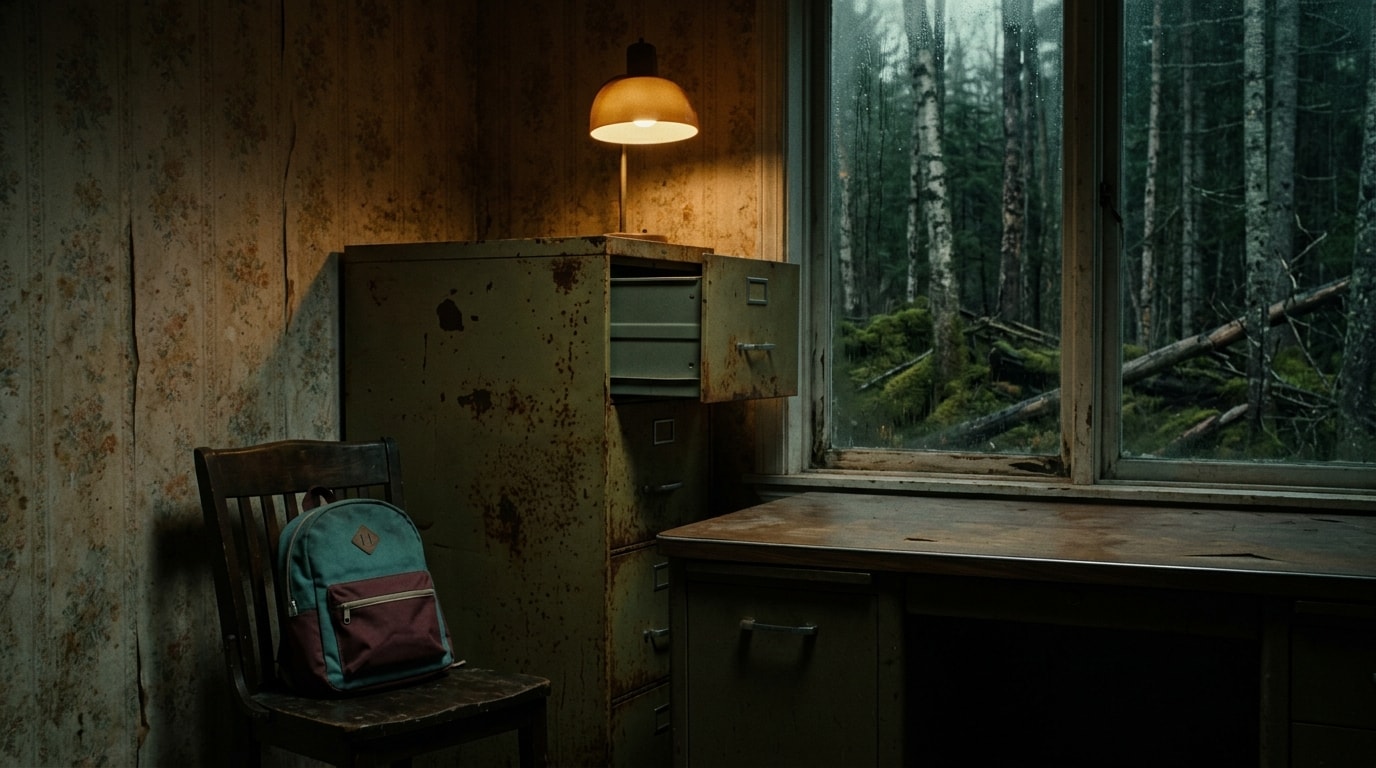
The Township's Two-Step Recruitment Protocol: Dead Jim Briefs Ethan, the System Clears His Path
The Township operates a coordinated recruitment protocol visible in Ethan's exit from the Sheriff's Station: a dead intermediary delivers a completed operational mission to a living child, and the Township's hidden system then engineers a physical distraction to remove every obstacle standing between that child and his departure.

Boyd Is Using Tillie's Death as a Weapon
Boyd is using his knowledge of Tillie's death not to protect the town but to position Elgin as a scapegoat for something Boyd was directly involved in, weaponizing institutional authority to ensure that if the secret breaks, it breaks on Elgin alone.
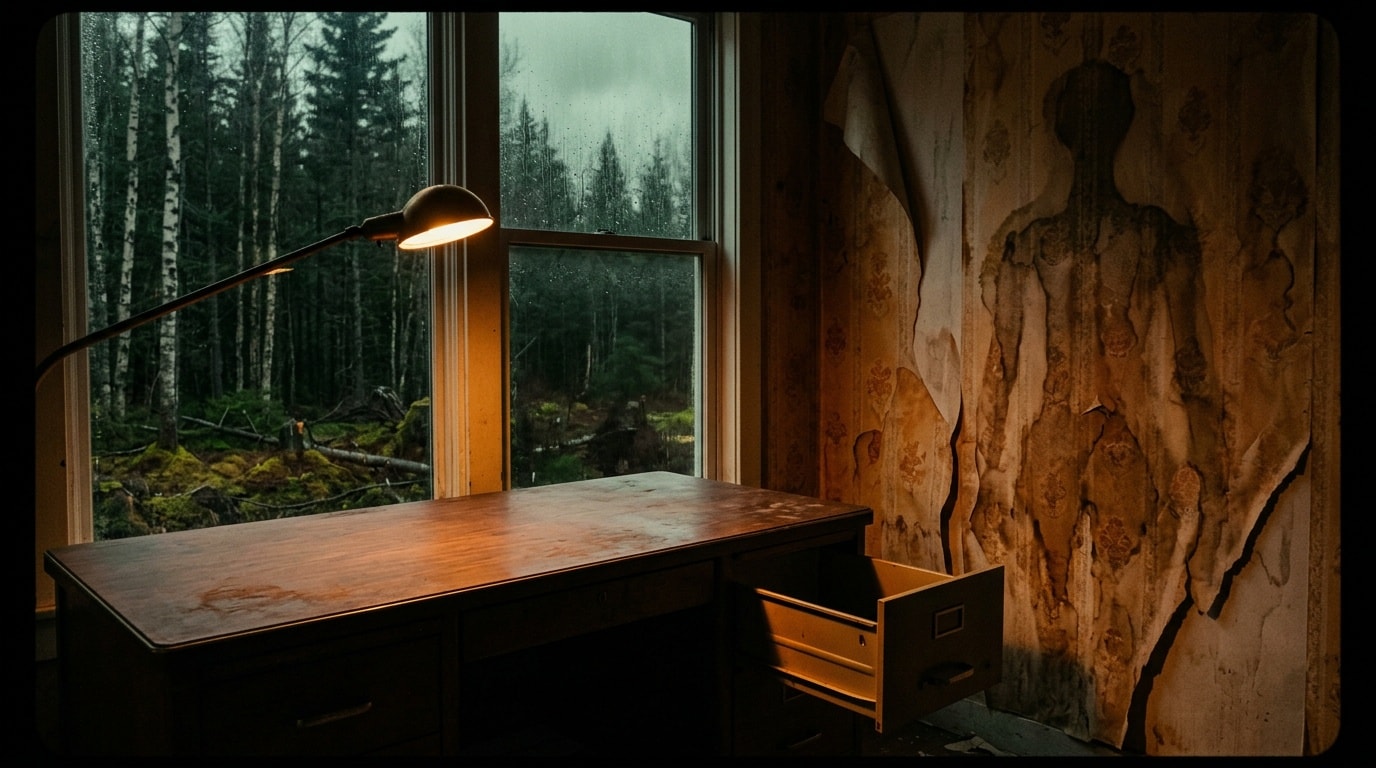
The Township Kills to Teach: Jim's Death as Symbolic Curriculum Delivered to a Pre-Selected Student
The Township's controlling intelligence staged Jim's death not as punishment or predation but as a symbolic lesson, structured around the Hanged Man archetype and annotated with a written caption, delivered to a recipient it designated before the killing occurred.
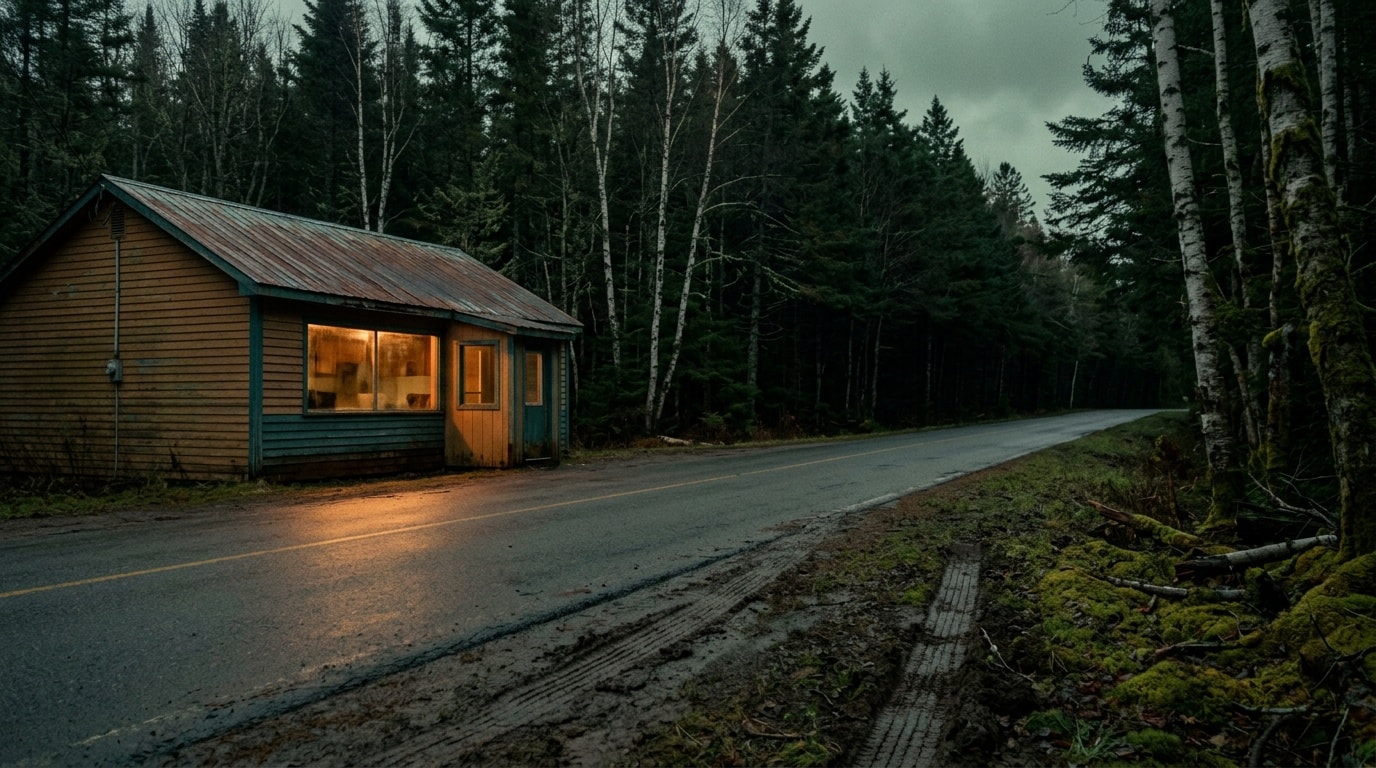
The Loop Has a Gap Acosta Found
Acosta has identified a structural flaw in the township's road: the ambulance she arrived in stopped at a fixed point, which is only possible if the road has an open end rather than a closed loop.

Acosta's Ambulance Run Is a Controlled Experiment
Acosta is running a controlled experiment, not fleeing blindly.

Sophia's Hidden Smile Betrays the Enemy
Sophia is the Man in Yellow operating in a chosen human form, using the township's instinct to protect a grieving child as cover for a deliberate infiltration calibrated to suppress the one witness who could recognize it.

Acosta Thinks Innocence Unlocks the Exit
Acosta believes guilt is the mechanism of the town's hold, not its roads or creatures, and that her own moral innocence exempts her from the trap that keeps everyone else.