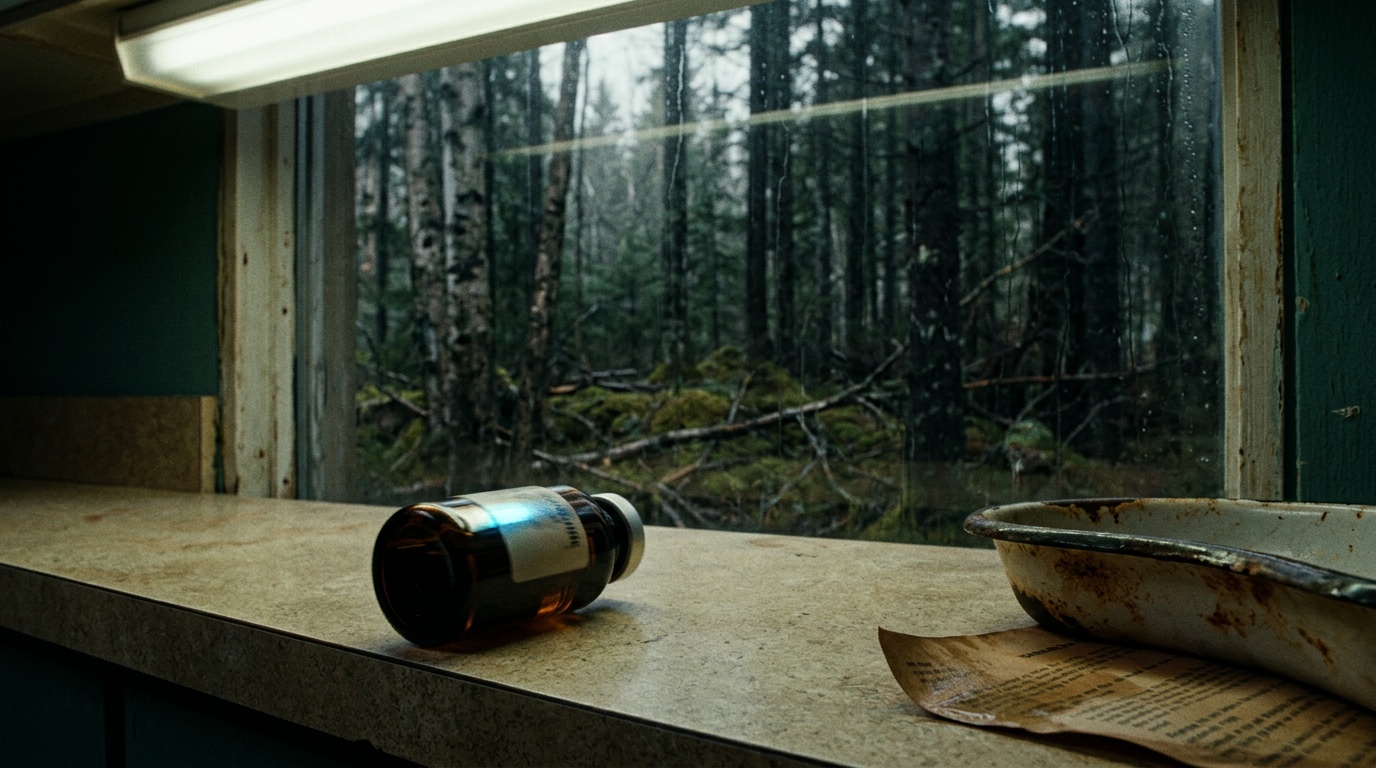
The Clinic's Drug Supply Is Already Compromised
THE THEORY
Mari's admission that she took 'a bit of morphine to even herself out' is not a confession to a single lapse. It is the minimum version of a longer pattern, offered by someone who maintained a cover story long enough to preserve unsupervised access. The supply Kristi rushed to secure may already be significantly smaller than the cabinet suggests, meaning every prior calculation about medical rationing was made against a number that was quietly wrong.
How This Theory Works
The language of Mari's admission is the first tell. She did not say she took morphine once. She said she took 'a bit' to 'even herself out.' That is dose-management language. It describes a practice of calibration, not a crisis slip. Someone who used once does not reach for that framing. She is describing a pattern in the smallest possible terms, hoping the minimizing will contain the fallout.
The concealment infrastructure confirms this reading. Mari sustained a lie about visiting her aunt long enough to keep Kristi trusting but not looking. That kind of cover story does not exist to protect a single incident. It exists to protect ongoing access. When the rehab brochure surfaces, Kristi's instinct is not to press for the full truth. She runs to the drug cabinet. That is not an overreaction. It is backward calculation. She is asking how long Mari had access and what that access has already cost.
The darkness warning closes the trap. When Mari tries to leave, Kristi stops her with the reminder that night is coming. Mari cannot remove herself from the situation. She is potentially in withdrawal or active craving inside the only facility the town has for surgical and palliative care. The conditions that drove her to use have not changed. They have compounded.
The hardest implication is retrospective. Every decision Kristi has made about rationing pain management, every calculation about how long the supply would last through injury and illness, was made against an inventory that may have been silently depleted for weeks. The compromise is not a future risk. It is a past fact that has not yet been measured. Kristi does not know what she actually has. She knows what the cabinet shows. Those are not the same number.
Is this theory convincing?
Key Evidence
Rehab Brochure Discovery in Bag
Kristi finds a rehab brochure while searching Mari's bag for a hair clip, revealing that Mari was traveling to rehab rather than visiting her aunt as she claimed.
Mari's Admission of Morphine Use
Mari admits to Kristi that she took a bit of morphine to even herself out, confirming an unauthorized withdrawal from the clinic's medical stores.
Kristi Rushing to Secure Drug Cabinet
Immediately after Mari's admission, Kristi rushes to secure the drug cabinet rather than continuing the emotional confrontation, signaling the supply threat takes priority.
Explicit Statement on Drug Scarcity
Kristi states directly that the clinic's drug supply is limited and vital, establishing the stakes of any unauthorized use in a town with no means of resupply.
Warning About Imminent Darkness
When Mari attempts to storm out, Kristi warns her that it will be dark outside soon, coupling the addiction crisis to the town's nightly physical danger and implying Mari cannot simply remove herself from the situation.
Pattern of Active Concealment
Mari's lie about visiting her aunt, sustained until discovered, establishes that she is capable of ongoing deception to protect her access to substances, making future unauthorized use more plausible.
Other Theories for S2E06
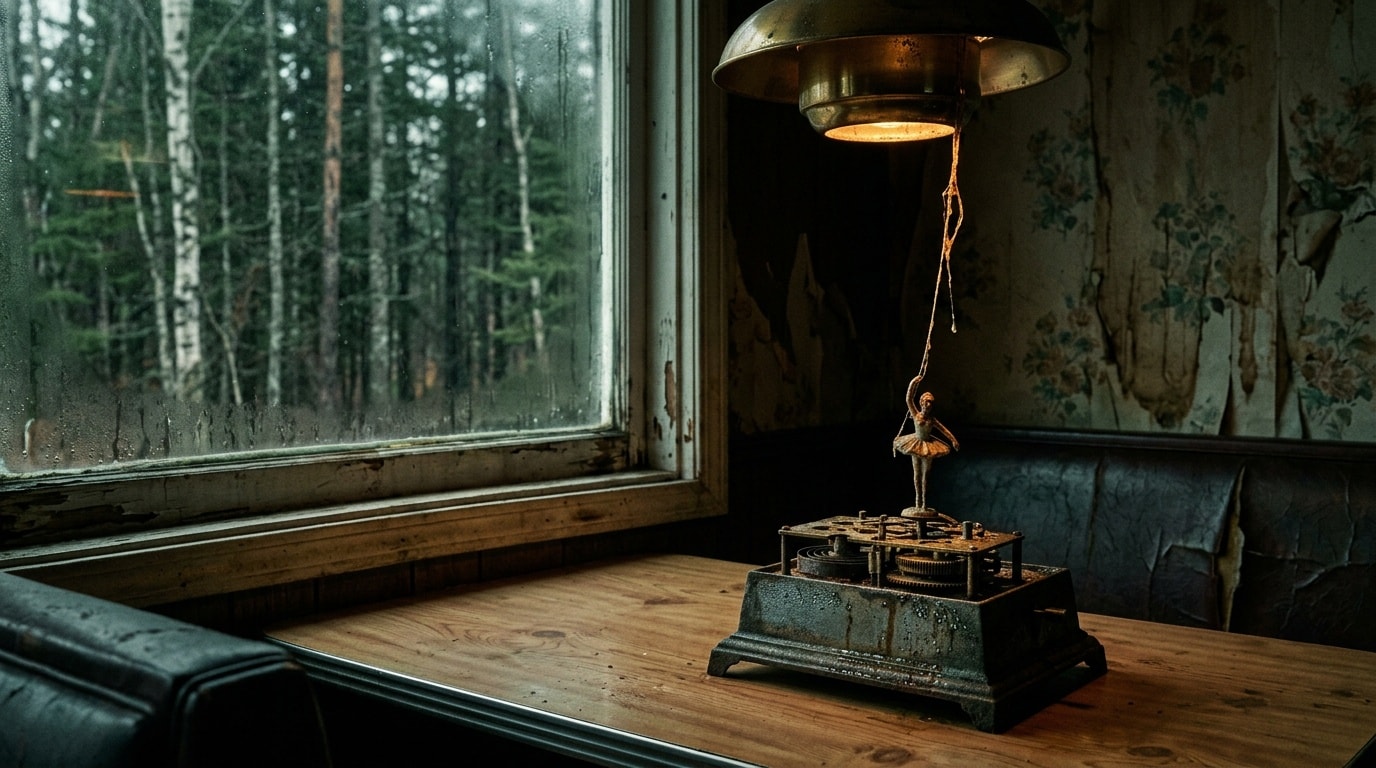
Boyd Was Selected for the Infection, and the Infection Is Building a Weapon
Boyd's worm infection was not a consequence of exposure but of evaluation: his sustained pattern of mercy across Martin, the creature, and Sara constitutes a behavioral profile the town's forces appear to have been actively assessing, with the infection as the outcome of meeting the criterion.
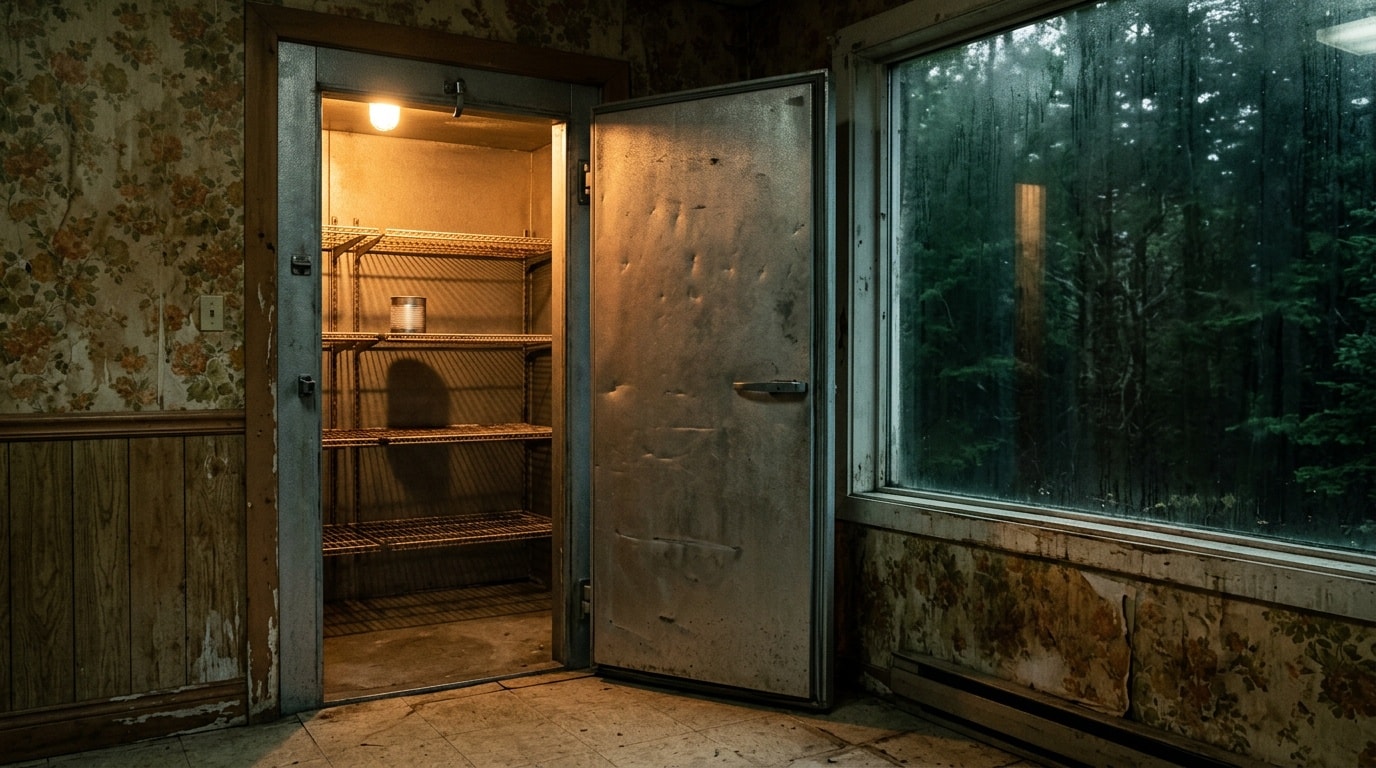
Whoever Watches Wants Them Desperate
The food shortage in FROM is not an accident but a deliberate instrument, engineered by whatever force controls the town to drive psychological breakdown and social fracture among the residents.
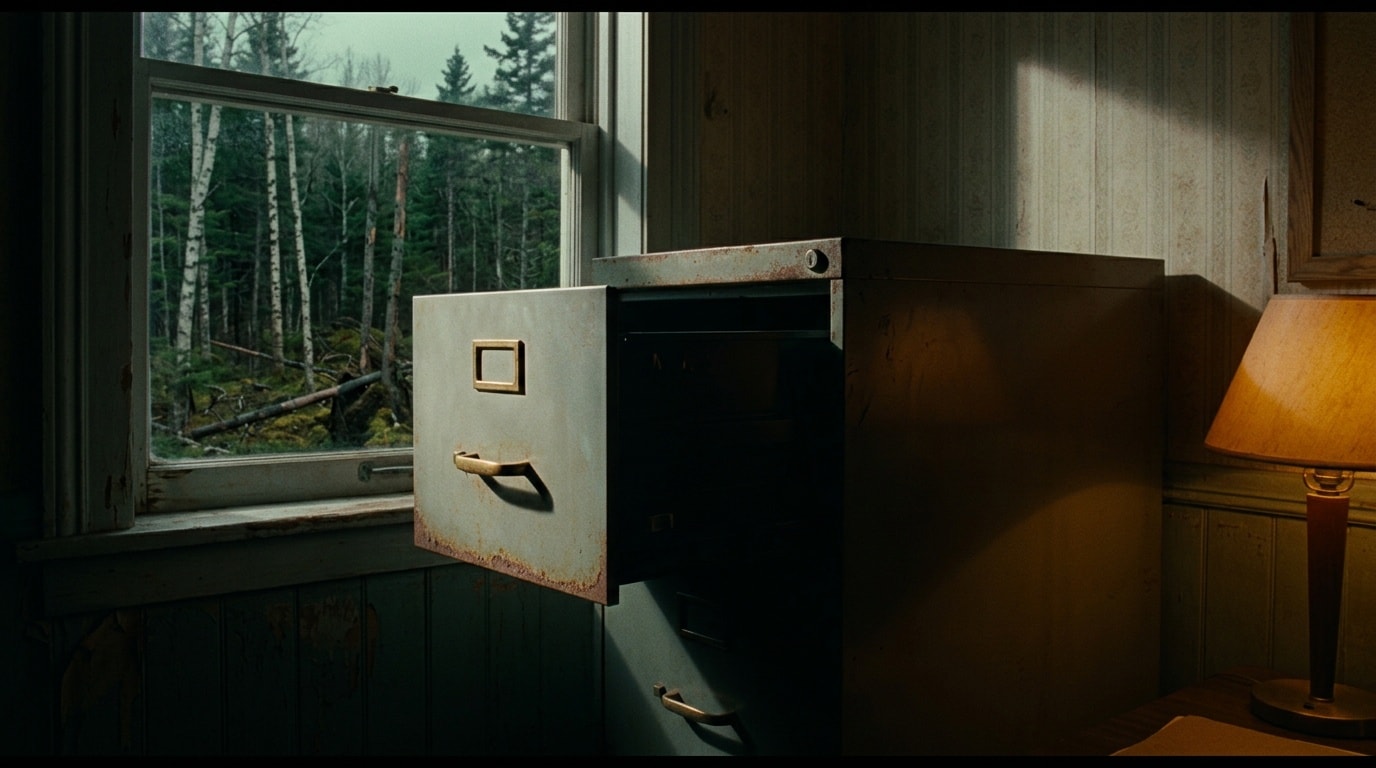
Fatima's Secret Predates the Sara Crisis
Fatima has been using Ellis's failure to disclose Boyd's secret as cover for her own concealment, one that originates from the night the bus arrived and predates the Sara crisis entirely.
One Month, Not One Year
The town's food supply will last approximately one month, not the year Donna claimed when rationing began.

Disbelief Traps Witnesses in Isolation
The town's instinct to interpret supernatural experience as mental illness does not merely fail its witnesses.

The Town's Frozen Season Finally Breaks
The leaves changing for the first time in the town's history indicate that whatever has held its environment in stasis is no longer holding, and the food crisis arriving simultaneously suggests the two disruptions share a cause rather than a coincidence.

The Pas de Deux Is the System's Fatal Design Flaw
The worm infection is not tormenting Boyd but dancing with him, running a structured conditioning protocol whose intimacy and sophistication are visible in the music box's causal role and the Martin/Boyd parallel.