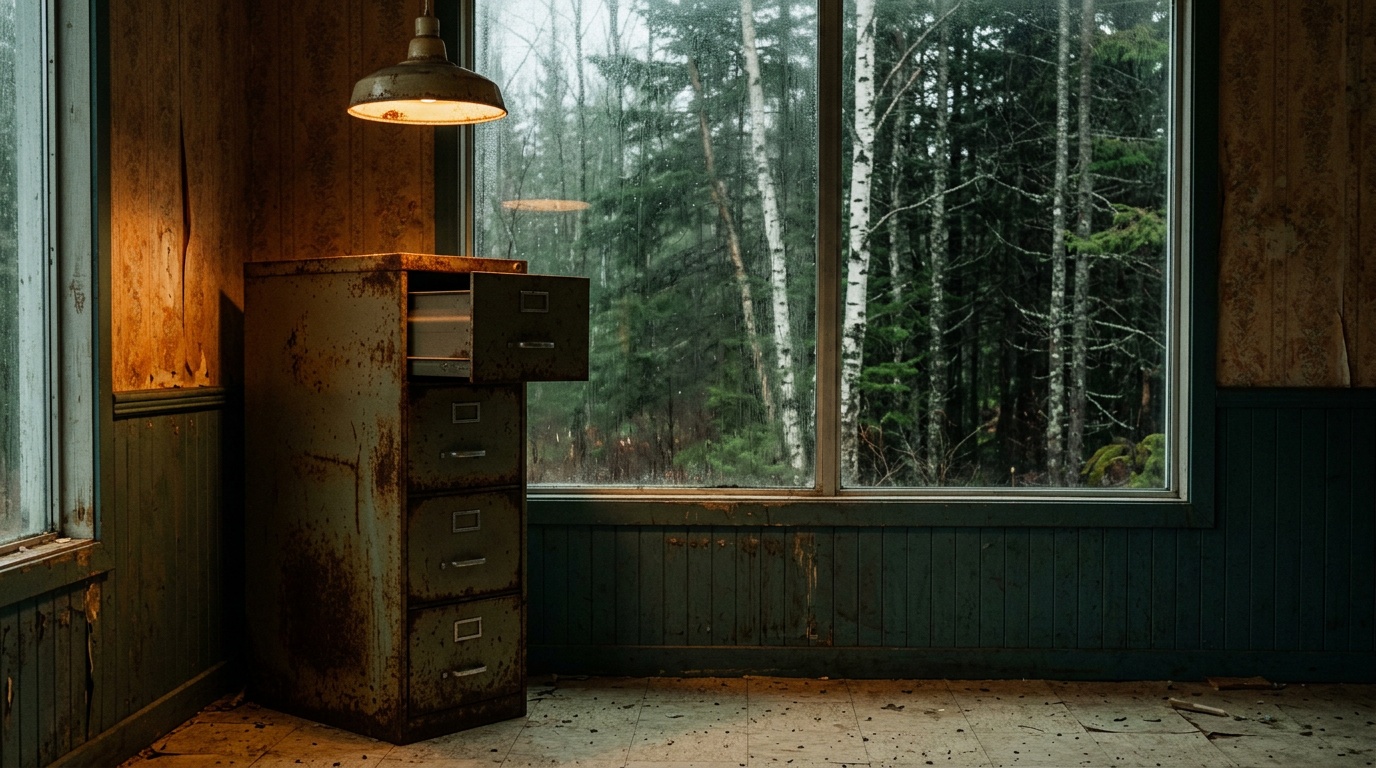
The Pas de Deux Is the System's Fatal Design Flaw
THE THEORY
The worm infection is not tormenting Boyd but dancing with him, running a structured conditioning protocol whose intimacy and sophistication are visible in the music box's causal role and the Martin/Boyd parallel. That sophistication is also the system's self-defeating trap: by optimizing for prolonged psychological pressure rather than destruction, the intelligence governing FROM keeps Boyd functional and resistant far longer than simple predation ever would.
How This Theory Works
The episode title is the argument. 'Pas de deux' means step of two: a dance requiring a paired couple moving in coordinated opposition. FROM has structured Boyd's infection to match that logic with precise literalness. The Ballerina does not haunt Boyd from a distance. She has him twirl her. She smiles before she shrieks, warms before she horrifies, touches before she strangles. These are the moves of a partner, not a predator, and the episode title names what the show is doing: staging a choreographed, intimate duet between Boyd and whatever intelligence has taken the Ballerina's face. Boyd is not a victim being consumed. He is a dancer being trained, and the question the show is quietly pressing is what, exactly, he is being trained for.
The music box is the mechanism that makes that dance legible as a system rather than a symptom. Martin's warning, that the creatures come when the music stops, frames the box not as atmospheric texture but as a threshold marker, a timer that cues the next movement. The evidence supports that framing structurally: the box precedes the vision, every time. Boyd hears it in the empty church; the Ballerina appears. He hears it outdoors with Kenny and sees it sitting on a rock; the Ballerina emerges from the root cellar. The box does not accompany the vision. It summons it. That sequencing is a causal claim the show makes through repetition, and it matters because it moves the music box from hallucination to mechanism. It moves it from symptom of Boyd's deteriorating mind to external trigger operated by something with sufficient control to choose when to apply pressure and when to let him breathe.
The Martin parallel is where that claim becomes a protocol rather than a personal affliction. Martin survived years of worm infection in the dungeon and emerged as something functional, something the infection could apparently use. Boyd is now receiving the same music box, the same Ballerina figure, the same escalating progression. The repetition across two infected characters, across years of narrative time, eliminates personal hallucination as an explanation. This is not Boyd's mind generating imagery from his private fears. This is a process, identical in structure across hosts, which means Martin's survival was not endurance against the infection but completion of it. He passed through the protocol. Boyd is currently inside it. The clinic vision, in which the Ballerina moves from dancing to strangling, shows the visions are sequential rather than static: each threshold more violent than the last, testing whether the host shatters or crosses into whatever Martin became.
But the sophistication of this protocol is precisely what defeats it. Whatever intelligence governs FROM has optimized for prolonged psychological damage rather than killing, which means it must regulate the pressure carefully enough to prevent collapse. The interval between visions is not mercy; it is maintenance. The system is keeping Boyd calibrated for continued suffering, sustaining him at the precise level of functional distress that allows the conditioning to continue. And that operational requirement produces the one outcome the system was presumably built to prevent: a target who endures. By choosing the intimate dance over direct destruction, by requiring Boyd to remain coherent enough to suffer meaningfully, the intelligence has manufactured exactly the condition most dangerous to itself. The Ballerina's smile before the shriek, the twirl before the worms, the warmth before the strangling: these are not cruelties. They are the signature of a system so sophisticated it has constructed its own limitation. Victor's long-standing observation that the monsters seem more interested in psychological dismantling than killing, and his warning not to give them what gets under your skin, now reads as an intuition about this structural flaw. The entity finds the crack and widens it incrementally, which means it needs the crack to stay open, which means it needs Boyd to stay intact.
The sharpest version of this argument is not about whether Boyd survives the Ballerina. It is about what survival means inside this system. If the protocol is identical for Martin and Boyd, and Martin emerged functional on the other side, then Boyd surviving the dance is not an escape from the infection's purpose; it is the fulfillment of it. The pas de deux has a final position. The system's fatal design flaw is not that it might fail to break Boyd. It is that its chosen method of breaking him requires keeping him strong enough to finish the dance, and a Boyd strong enough to finish the dance may be strong enough to refuse what comes after.
Is this theory convincing?
Key Evidence
Ballerina Forces Boyd to Twirl Her
The Ballerina does not simply appear; she actively engages Boyd in a dance, having him twirl her before turning violent, staging the encounter as a literal two-person performance.
Title Translates Literally to 'Step of Two'
The French phrase 'pas de deux' means 'step of two,' referring to a dance performed by a paired couple, and the episode centers on Boyd being drawn into repeated interactions with the Ballerina figure.
Worm Infection as Unwilling Partner
Boyd describes worms crawling beneath his skin and the infection progressively distorting his perception, framing the disease as a presence that moves with him rather than simply attacking him from outside.
Smile Before the Scream
The Ballerina smiles at Boyd before opening her mouth to release a blood-curdling shriek with worms falling out, staging a moment of false intimacy that collapses into horror.
Ballerina Reappears Across Locations
Boyd encounters the Ballerina in multiple settings across the episode, including the church, outdoors near a rock, and the clinic, suggesting a persistent paired relationship rather than a single isolated vision.
Other Theories for S2E06
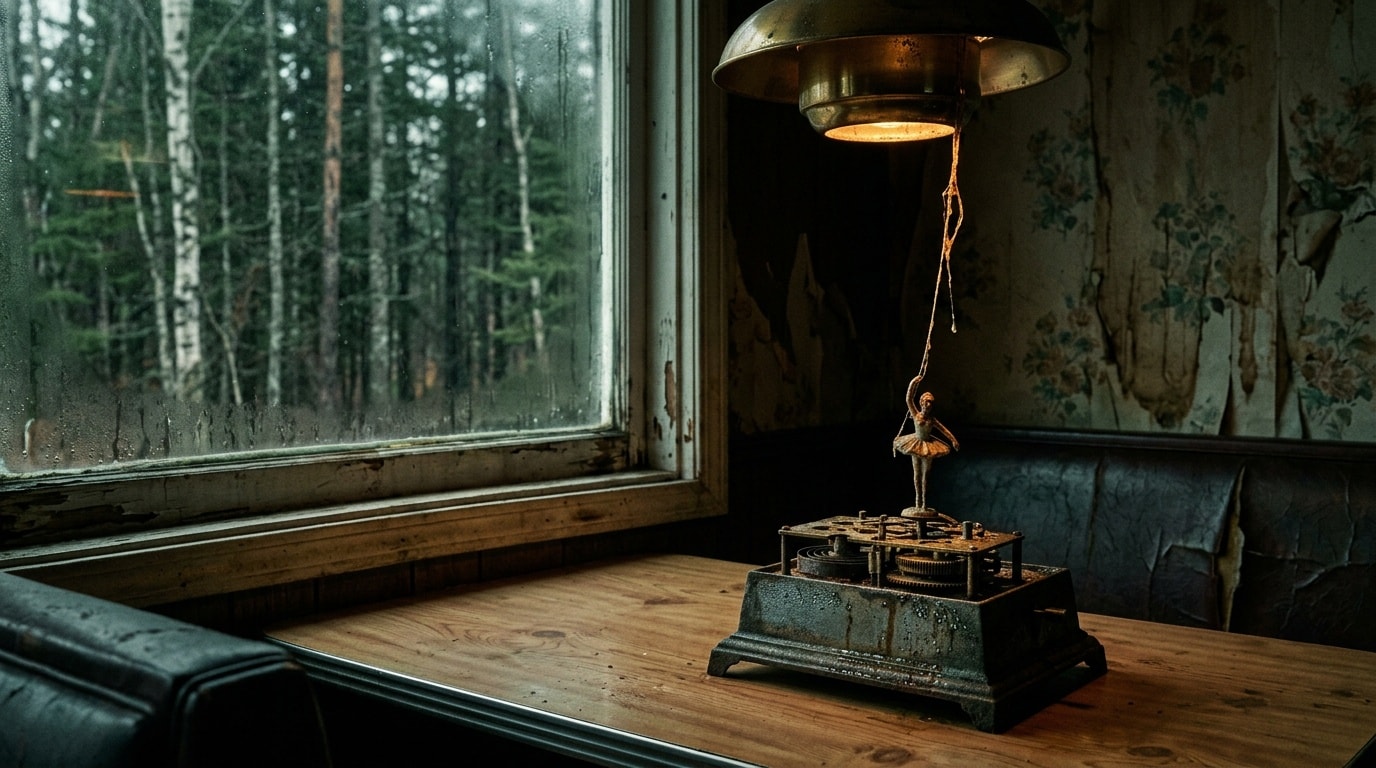
Boyd Was Selected for the Infection, and the Infection Is Building a Weapon
Boyd's worm infection was not a consequence of exposure but of evaluation: his sustained pattern of mercy across Martin, the creature, and Sara constitutes a behavioral profile the town's forces appear to have been actively assessing, with the infection as the outcome of meeting the criterion.
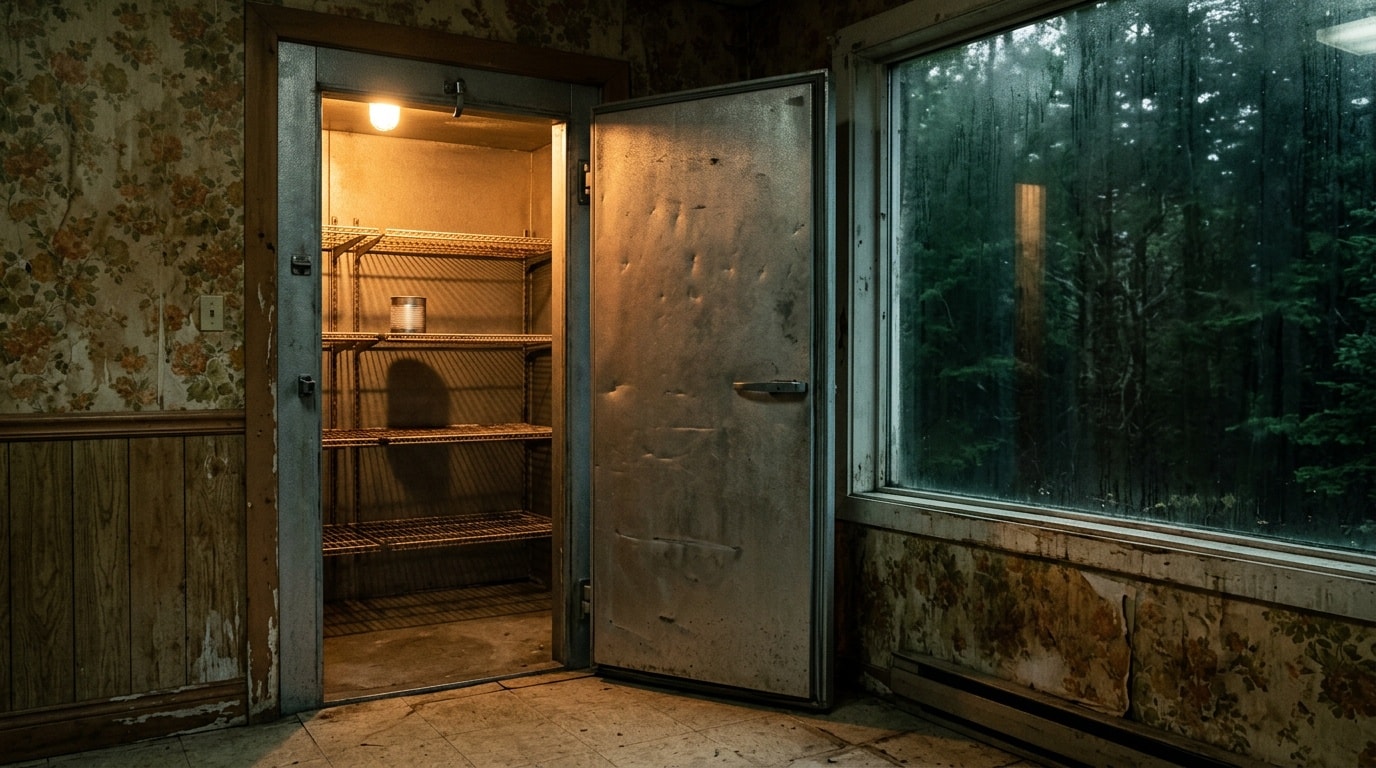
Whoever Watches Wants Them Desperate
The food shortage in FROM is not an accident but a deliberate instrument, engineered by whatever force controls the town to drive psychological breakdown and social fracture among the residents.
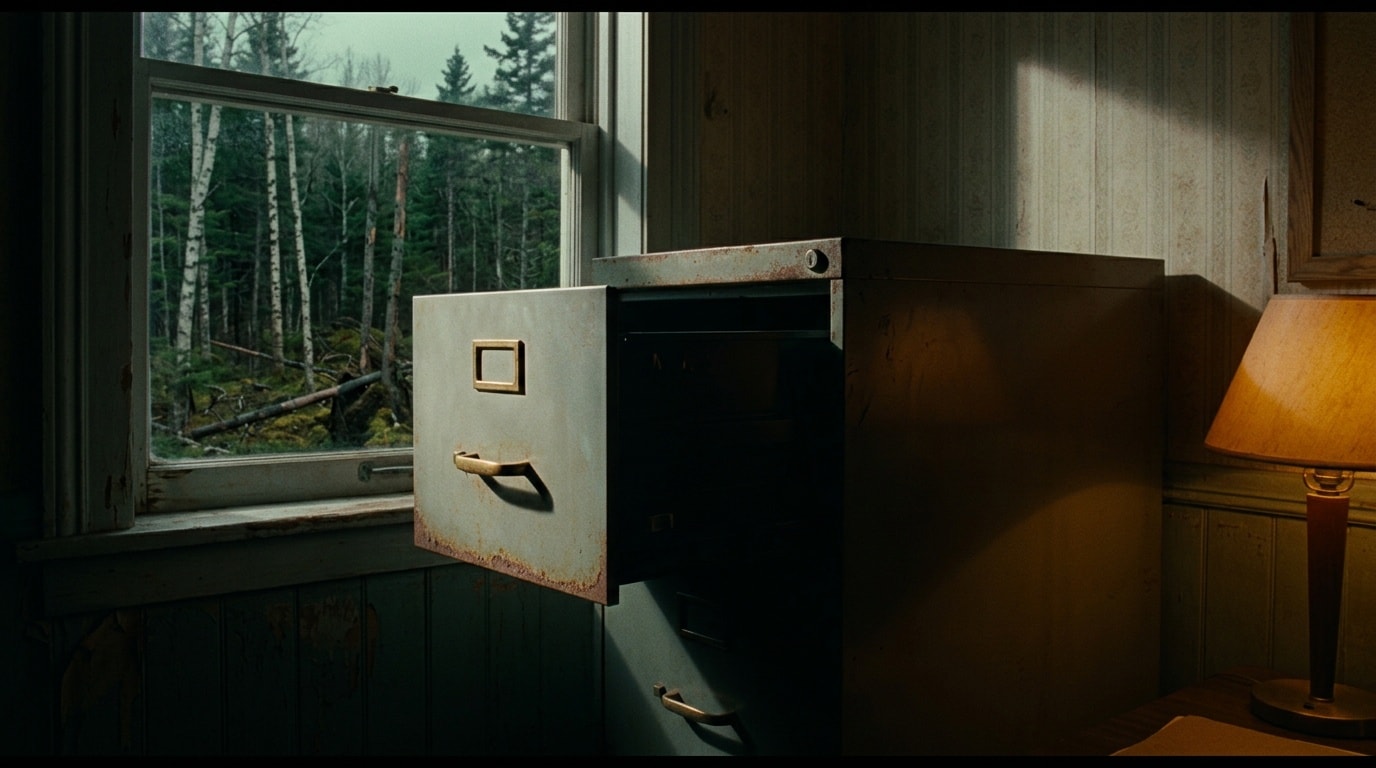
Fatima's Secret Predates the Sara Crisis
Fatima has been using Ellis's failure to disclose Boyd's secret as cover for her own concealment, one that originates from the night the bus arrived and predates the Sara crisis entirely.
The Clinic's Drug Supply Is Already Compromised
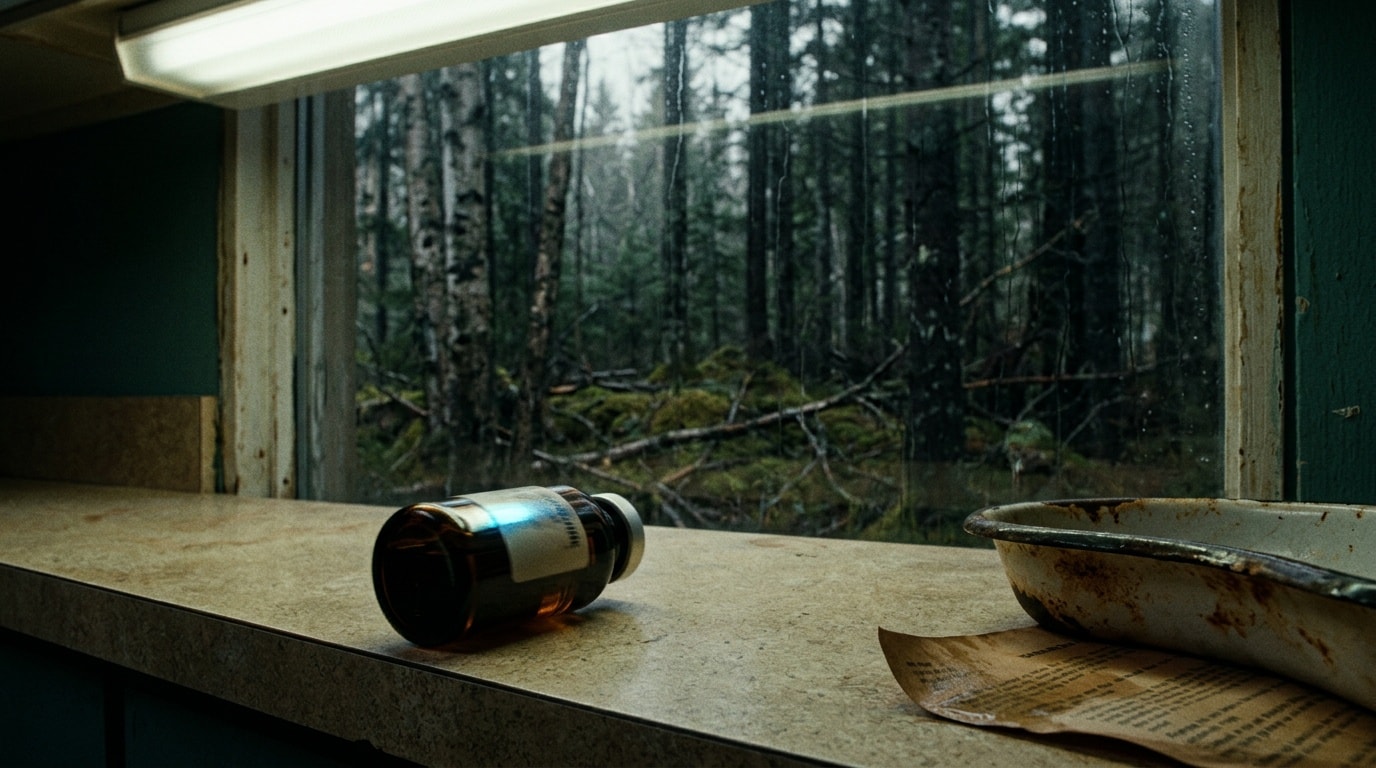
Mari's admission that she took 'a bit of morphine to even herself out' is not a confession to a single lapse.
One Month, Not One Year
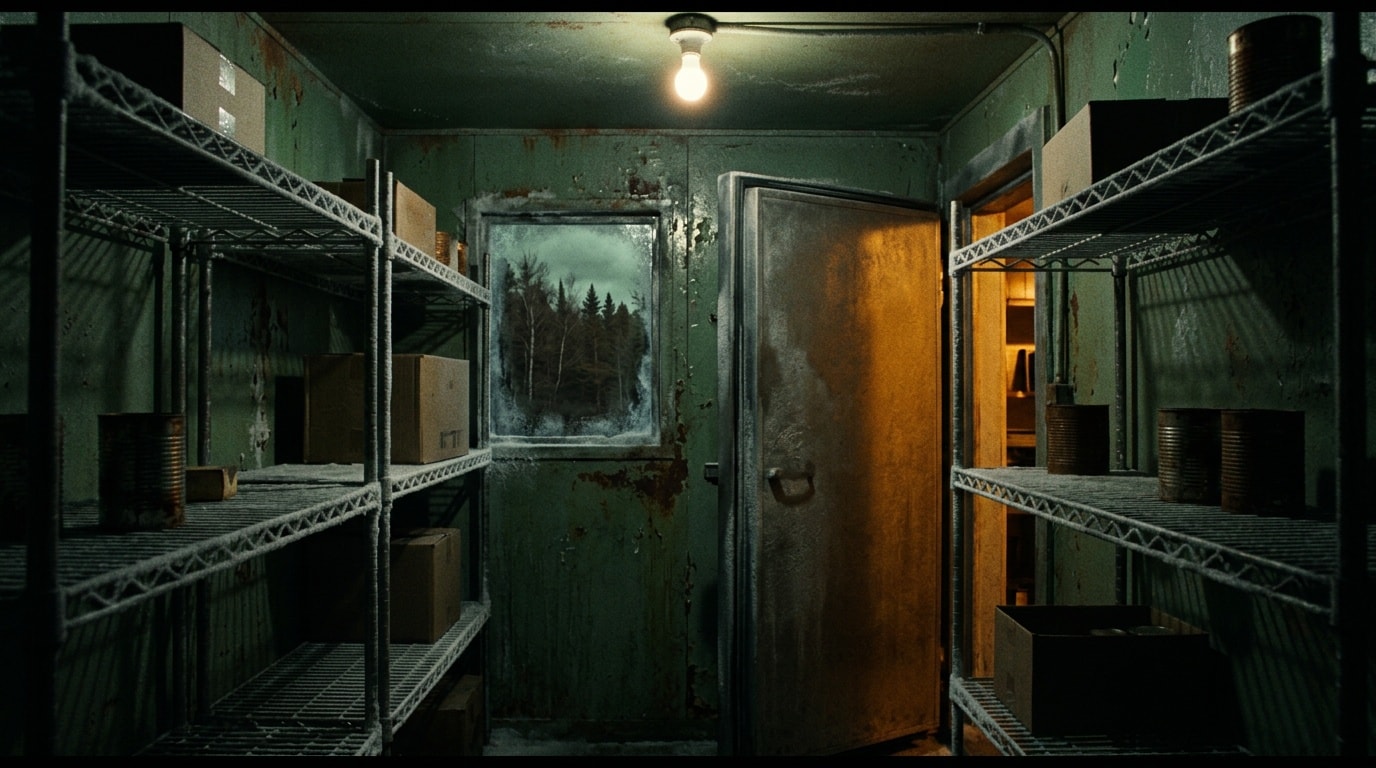
The town's food supply will last approximately one month, not the year Donna claimed when rationing began.
Disbelief Traps Witnesses in Isolation
The town's instinct to interpret supernatural experience as mental illness does not merely fail its witnesses.

The Town's Frozen Season Finally Breaks
The leaves changing for the first time in the town's history indicate that whatever has held its environment in stasis is no longer holding, and the food crisis arriving simultaneously suggests the two disruptions share a cause rather than a coincidence.