
Disbelief Traps Witnesses in Isolation
THE THEORY
The town's instinct to interpret supernatural experience as mental illness does not merely fail its witnesses. It actively disqualifies the people with the most critical knowledge of the threat, converting their intelligence into noise at the moment it is most needed. Boyd's isolation is not a personal tragedy but the automatic product of a community whose mechanisms of care are structurally incompatible with the kind of evidence the town generates.
How This Theory Works
The medical framework Kenny and Kristi apply to Boyd does not merely fail him. It disqualifies the only person in Town with actionable intelligence about the supernatural threat. This is the mechanism the episode keeps returning to: the community's instinct to protect itself through clinical skepticism converts knowledge into silence and silence into vulnerability. The institution of care, represented here by the town's medical authority and its communal concern for Boyd's wellbeing, produces the exact condition it is designed to prevent. By treating Boyd's reports as symptoms, the community ensures it cannot act on the information those reports contain. Nobody planned this outcome. Nobody wants it. It is what institutional disbelief generates automatically when it encounters evidence it cannot accommodate.
The visions compound the problem structurally. The music box and the Ballerina are invisible to everyone but Boyd. When he reacts to these stimuli, drawing his gun on Mari or clutching his arm in pain, observers see erratic behavior stripped of its cause. Every reaction he has registers as further confirmation of breakdown. The medical frame is self-sealing: the more Boyd responds to genuine threats, the more his credibility collapses, and the less anyone will engage with what he is actually describing.
This is not unique to Boyd. The episode establishes a community-wide norm in which Donna withholds the food shortage to prevent panic, Ellis covers for his father to protect him, and Boyd buries Sara's existence from the community. Each act of concealment is individually rationalized as protective. Collectively, they ensure that no single person holds enough information to make sound decisions. The town's residents end up isolated from the people standing next to them, not because they are indifferent to each other, but because care itself has been organized around withholding.
Boyd's retreat to the clinic basement, where he acknowledges aloud that the people upstairs think he has gone crazy, is not a breakdown. It is the rational endpoint of a community that has made disbelief its default mode of care. He does not withdraw because he has lost his mind. He withdraws because the social architecture of the town offers no other place for a witness to go.
Is this theory convincing?
Key Evidence
Kenny Raises Dementia Diagnosis
After Boyd describes worms crawling under his skin and hearing a music box only he can perceive, Kenny worries aloud that Boyd's mental state is declining the same way his father's did, framing a supernatural experience as a medical symptom.
Kristi's Shock at Boyd's Request
When Boyd asks Kristi to end his misery if his condition worsens, she exits immediately to confer with Kenny rather than engaging with the substance of his account, signaling she has already categorized his claims as unreliable.
Music Box Invisible to Others
Boyd sees and hears the music box and the Ballerina multiple times across the episode, but Kenny, who is physically present during one episode, perceives nothing and can only observe Boyd's distressed physical reactions.
Boyd Drawing Gun on Mari
When Boyd panics during a vision of the Ballerina strangling him and draws his gun on Mari, the act is legible to Mari only as erratic violence, not as a defensive response to a real threat she cannot see.
Pattern of Deliberate Concealment
Boyd, Donna, and Ellis all independently choose to withhold critical information from others in this episode, each citing protective motives, establishing a community-wide norm of secrecy that ensures no single person holds a complete picture.
Boyd's Self-Aware Isolation
Boyd retreats to the Clinic basement alone and conducts a conversation with a vision of Father Khatri in which he acknowledges that the people upstairs likely think he has gone crazy, reflecting his own awareness that his credibility is gone.
Other Theories for S2E06
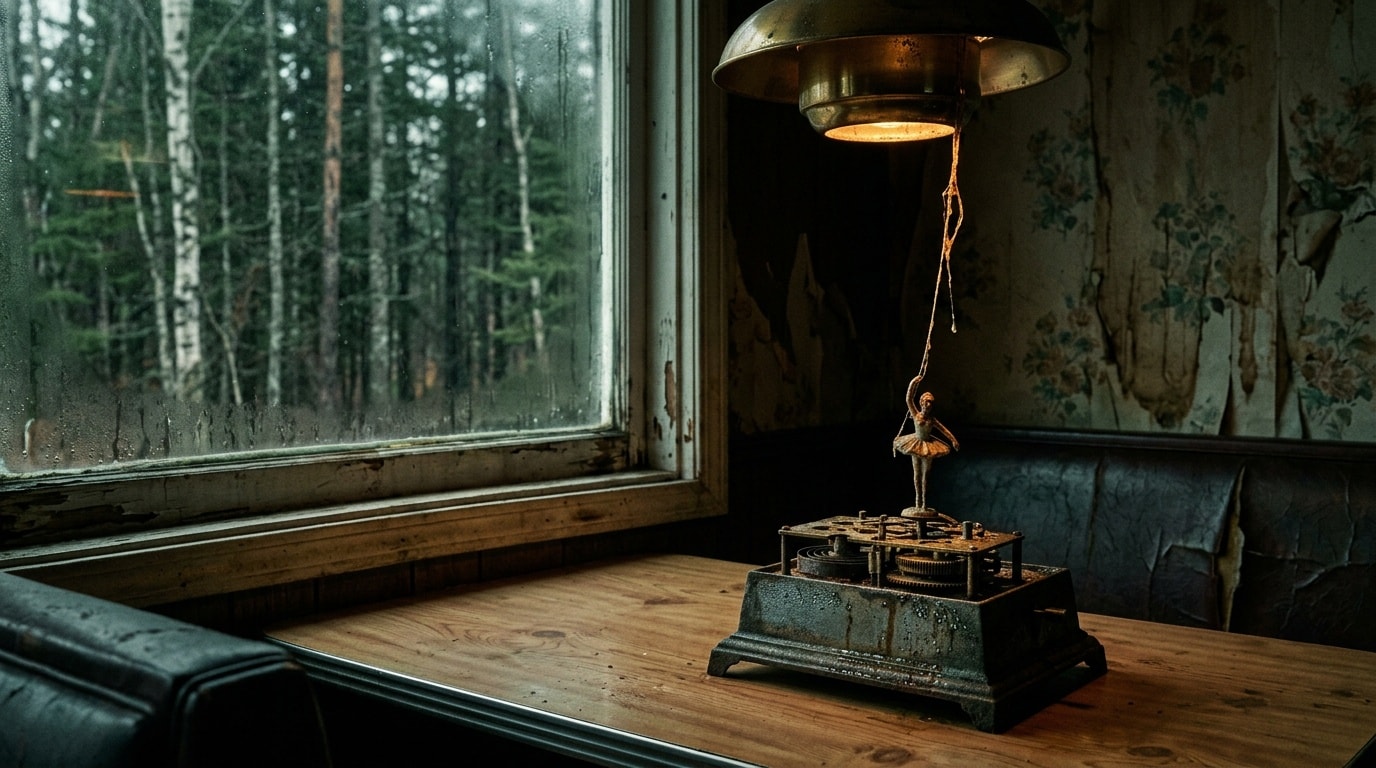
Boyd Was Selected for the Infection, and the Infection Is Building a Weapon
Boyd's worm infection was not a consequence of exposure but of evaluation: his sustained pattern of mercy across Martin, the creature, and Sara constitutes a behavioral profile the town's forces appear to have been actively assessing, with the infection as the outcome of meeting the criterion.
Whoever Watches Wants Them Desperate
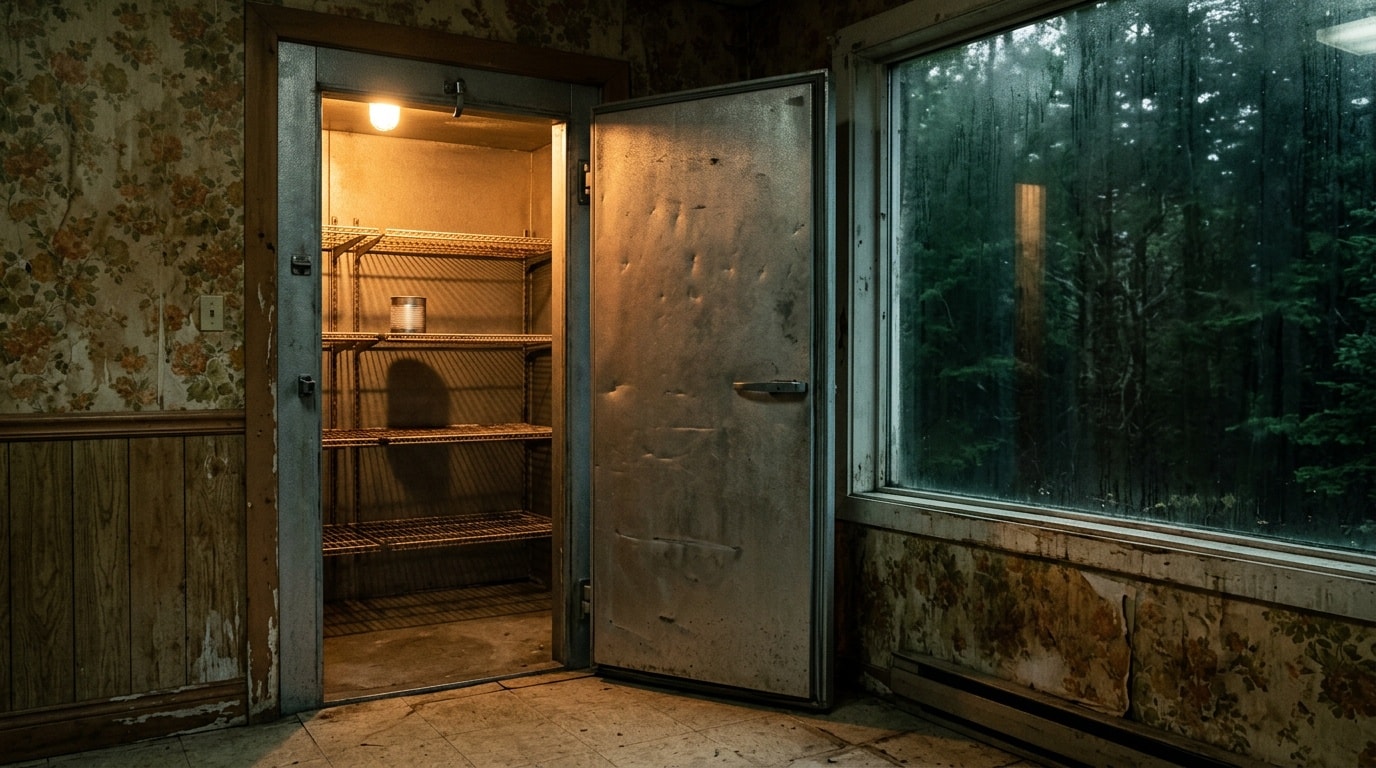
The food shortage in FROM is not an accident but a deliberate instrument, engineered by whatever force controls the town to drive psychological breakdown and social fracture among the residents.
Fatima's Secret Predates the Sara Crisis
Fatima has been using Ellis's failure to disclose Boyd's secret as cover for her own concealment, one that originates from the night the bus arrived and predates the Sara crisis entirely.
The Clinic's Drug Supply Is Already Compromised
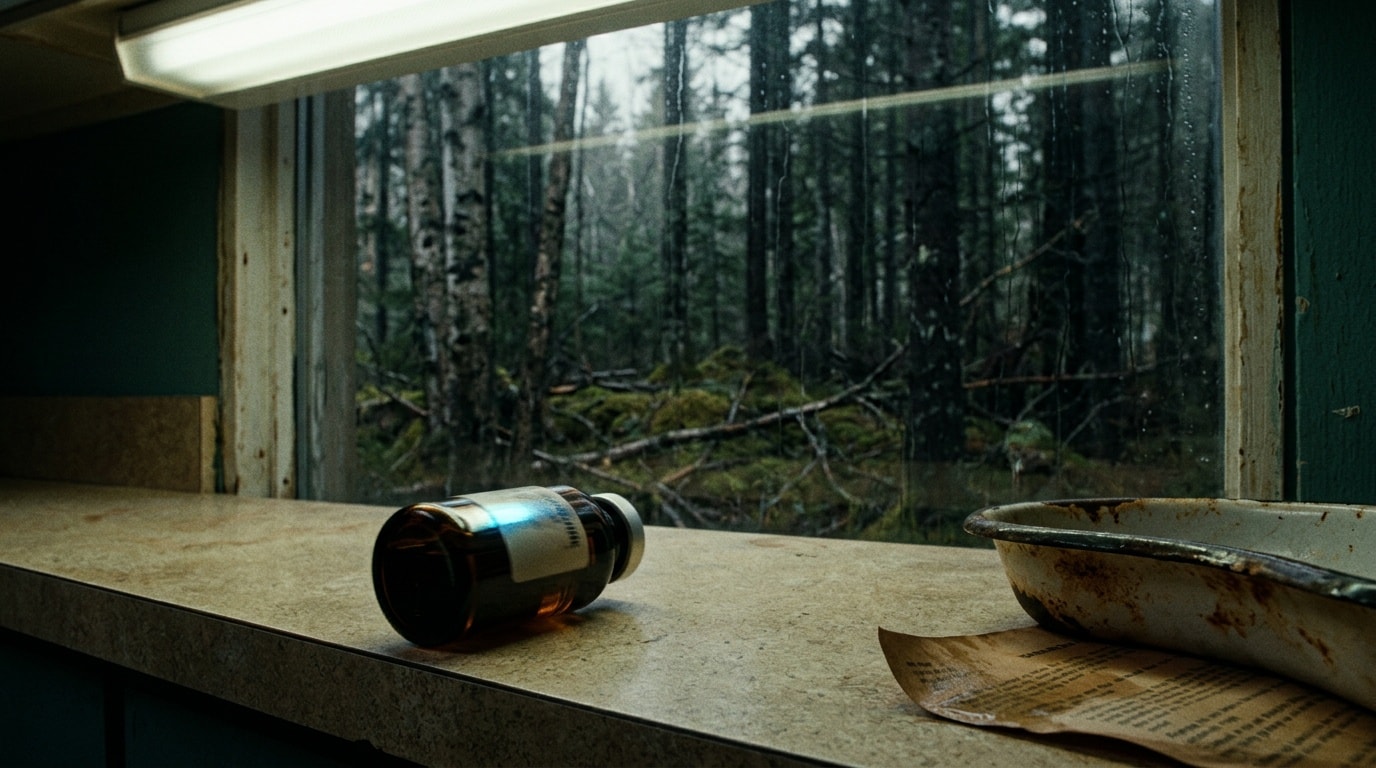
Mari's admission that she took 'a bit of morphine to even herself out' is not a confession to a single lapse.
One Month, Not One Year
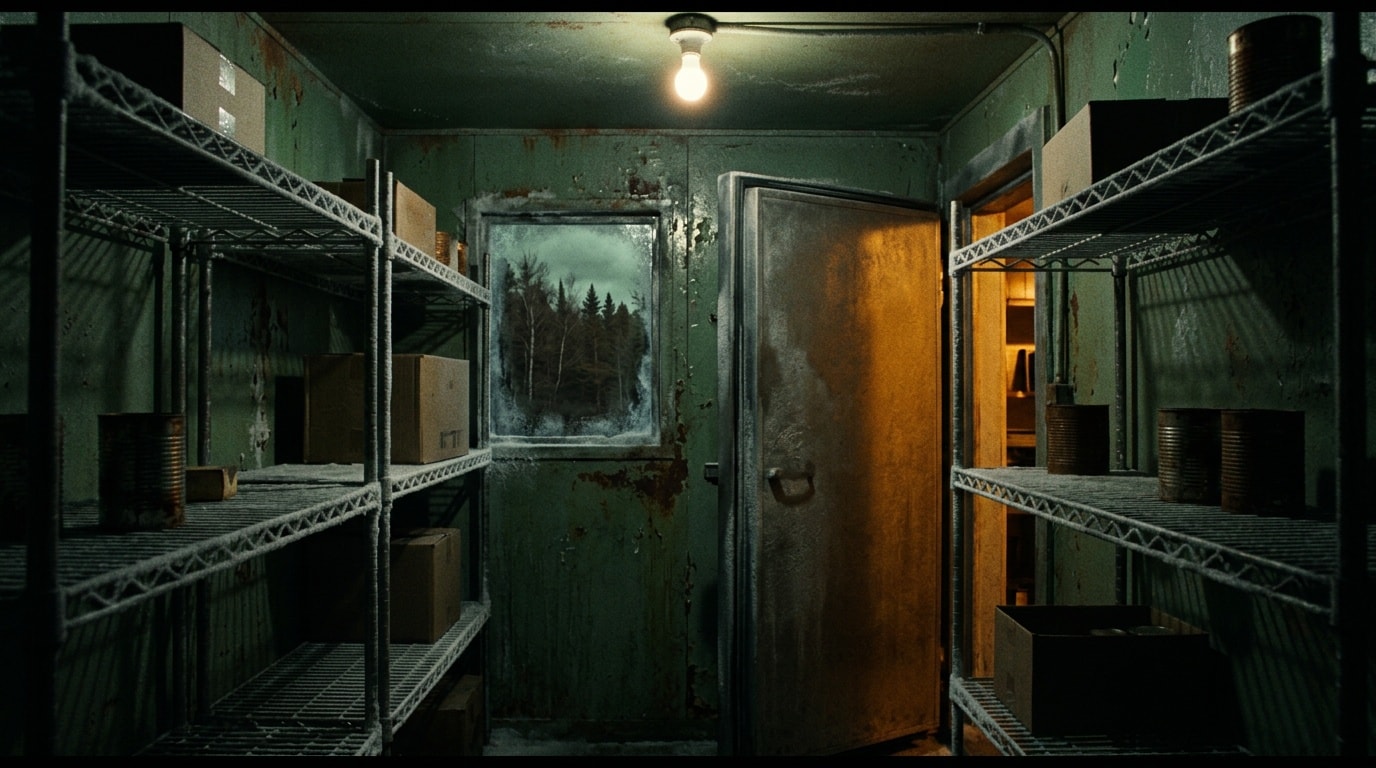
The town's food supply will last approximately one month, not the year Donna claimed when rationing began.

The Town's Frozen Season Finally Breaks
The leaves changing for the first time in the town's history indicate that whatever has held its environment in stasis is no longer holding, and the food crisis arriving simultaneously suggests the two disruptions share a cause rather than a coincidence.

The Pas de Deux Is the System's Fatal Design Flaw
The worm infection is not tormenting Boyd but dancing with him, running a structured conditioning protocol whose intimacy and sophistication are visible in the music box's causal role and the Martin/Boyd parallel.