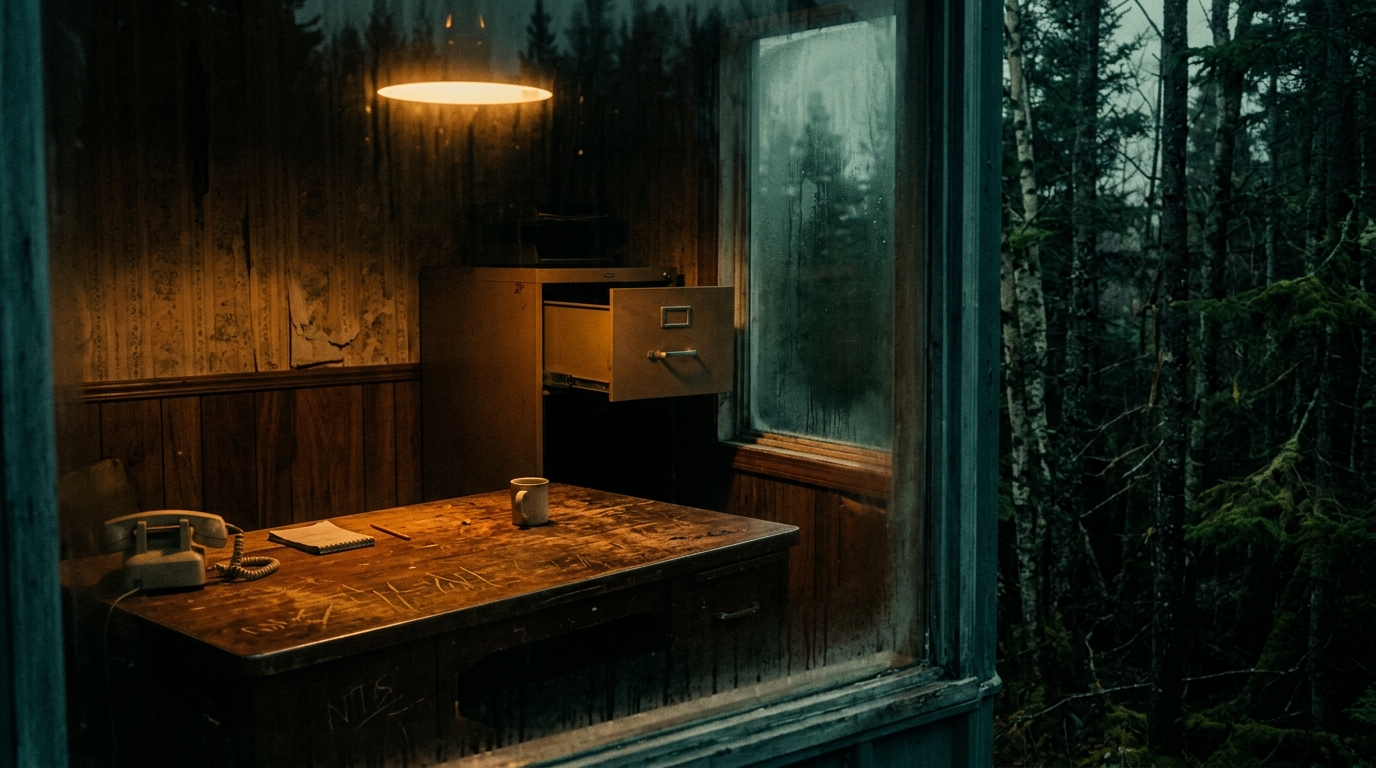
The Town Is the Bible's Unwritten Book
THE THEORY
Father Khatri proposes that the Bible's 73 canonical books are not its end. The townspeople, he believes, may be living and writing a 74th book, chosen for a divine or supernatural purpose they cannot yet understand. The theory reframes the town's horrors not as random suffering but as sacred narrative.
How This Theory Works
The mechanism begins with a theological detail Khatri delivers in the church basement. Most people think of the Bible as a single fixed object. Khatri corrects that assumption: it is a collection of 73 books, filled with miracles, monsters, blessings, curses, and bloodshed. He then asks Sara the question he has apparently been carrying since he arrived: what if the people of the town are living the book that has yet to be written? What if this is Book 74?
The structural logic depends on the Bible being incomplete rather than closed. Khatri asks how a book can be finished when all the players are still on the stage. That framing positions the townspeople not as victims of an incomprehensible trap but as participants in an ongoing sacred story. Their suffering, their deaths, their desperate search for meaning all become the raw material of a narrative being written in real time. The town does not simply resemble scripture. According to Khatri, it may literally be scripture.
The absence of any Bible in the town reinforces the idea. There is no fixed text to consult because the text does not yet exist. The townspeople are not reading a story. They are generating one. Khatri's question to Sara about being chosen carries the same weight: chosen stories require chosen subjects, and chosen subjects are rarely told why they were selected. The parallel to figures across the 73 existing books is implicit but present.
The episode title makes Khatri's speculation the organizing idea of the hour rather than a passing theological musing. His sermon earlier in the episode frames chaos not as the enemy of faith but as its condition. Purpose is found through the struggle and search, not before it. Book 74, if it exists, would be a book about people who did not know they were in one.
The sharpest implication of this framework is what it does to Khatri's decision to hide Sara rather than box her. He is not simply protecting her. He is treating her as a source text. Her voices, her visions, her apparent connection to whatever force governs the town are not symptoms to be managed but data points in a story he is actively trying to read. That positions Khatri not as a pastor offering comfort but as something closer to an editor or a scribe, someone who believes he has enough theological context to recognize scripture being written and enough ambition to get close to its source. The Bible's authors did not announce themselves as authors. Khatri may believe he is doing the same thing they did, which makes him among the most dangerous figures in the town, not because he wants to cause harm but because he has assigned everyone around him a narrative function and is willing to let the story take its course.
Is this theory convincing?
Key Evidence
Khatri Names the 74th Book
In the church basement, Khatri tells Sara that the Bible is composed of 73 books and asks directly: 'What if we, the people of this town, are living the book that has yet to be written? What if this is Book 74?'
No Bible Exists in Town
Khatri opens his conversation with Sara by asking if she knew there is not a single copy of the Bible in the town, a fact he uses to suggest the text is absent because the townspeople are actively writing it.
Bible as Incomplete, Living Document
Khatri argues that the Bible cannot be a completed, fixed object while all the players are still on the stage, framing scripture as an ongoing process rather than a sealed archive.
Episode Title as Structural Confirmation
The episode is titled 'Book 74,' which elevates Khatri's speculation from a character's private theology to the show's own organizational framing for this hour.
Khatri's Question About Being Chosen
Khatri asks Sara whether the townspeople were chosen, and when she asks chosen for what, he admits he does not know, which mirrors the condition of figures across biblical narrative who are called without being given full explanation.
Sermon on Chaos as Meaning
Khatri's sermon frames chaos not as the opposite of divine purpose but as the medium through which purpose is discovered, directly preparing the viewer for his Book 74 proposal later in the same episode.
Khatri Conceals Sara for the Narrative
Rather than placing Sara in the Box, Khatri hides her in the church basement to extract information about her voices, treating her suffering as a clue within a larger story he is trying to read.
Other Theories for S1E06
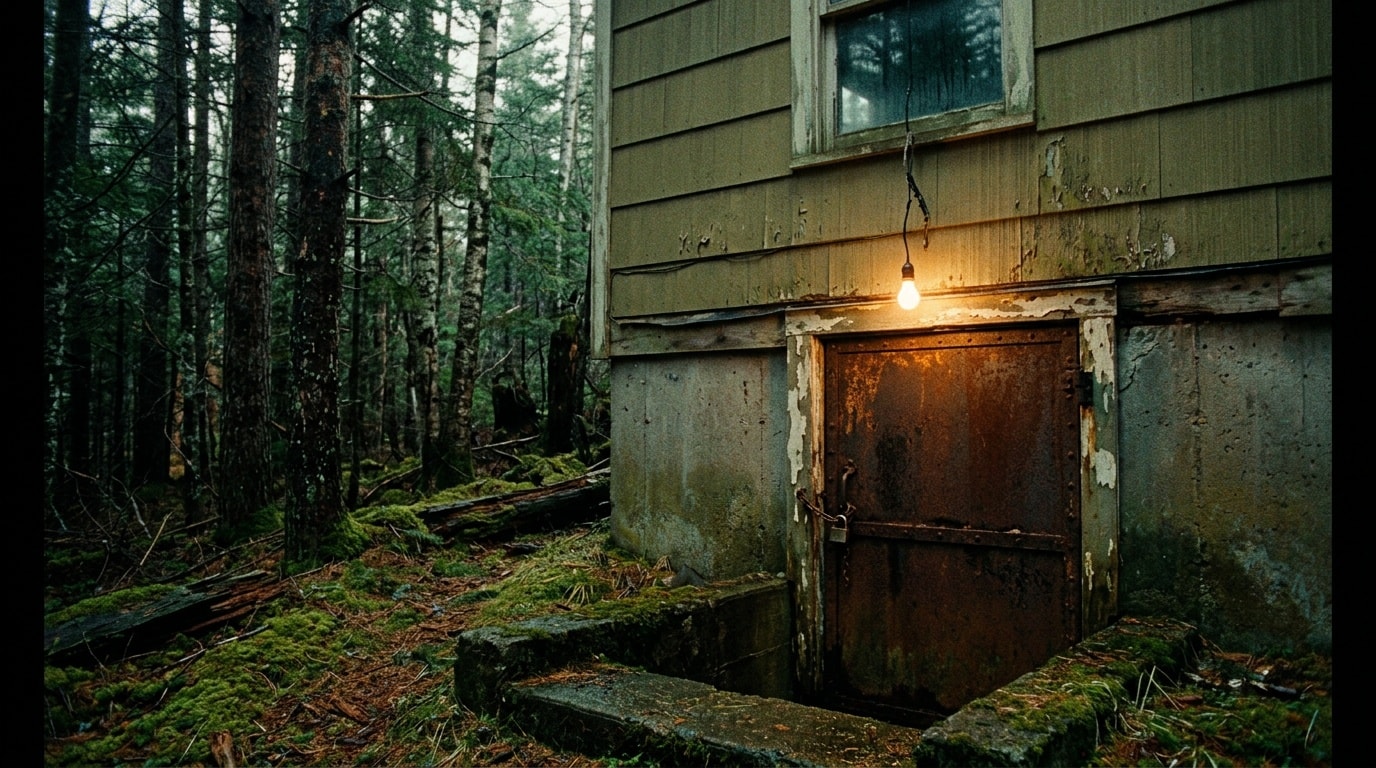
Khatri's Two Deceptions Point to One Conclusion: He Already Knows the Town Has a Process
Khatri is not hiding Sara out of mercy, and he is not reassuring Tabitha out of pastoral duty.
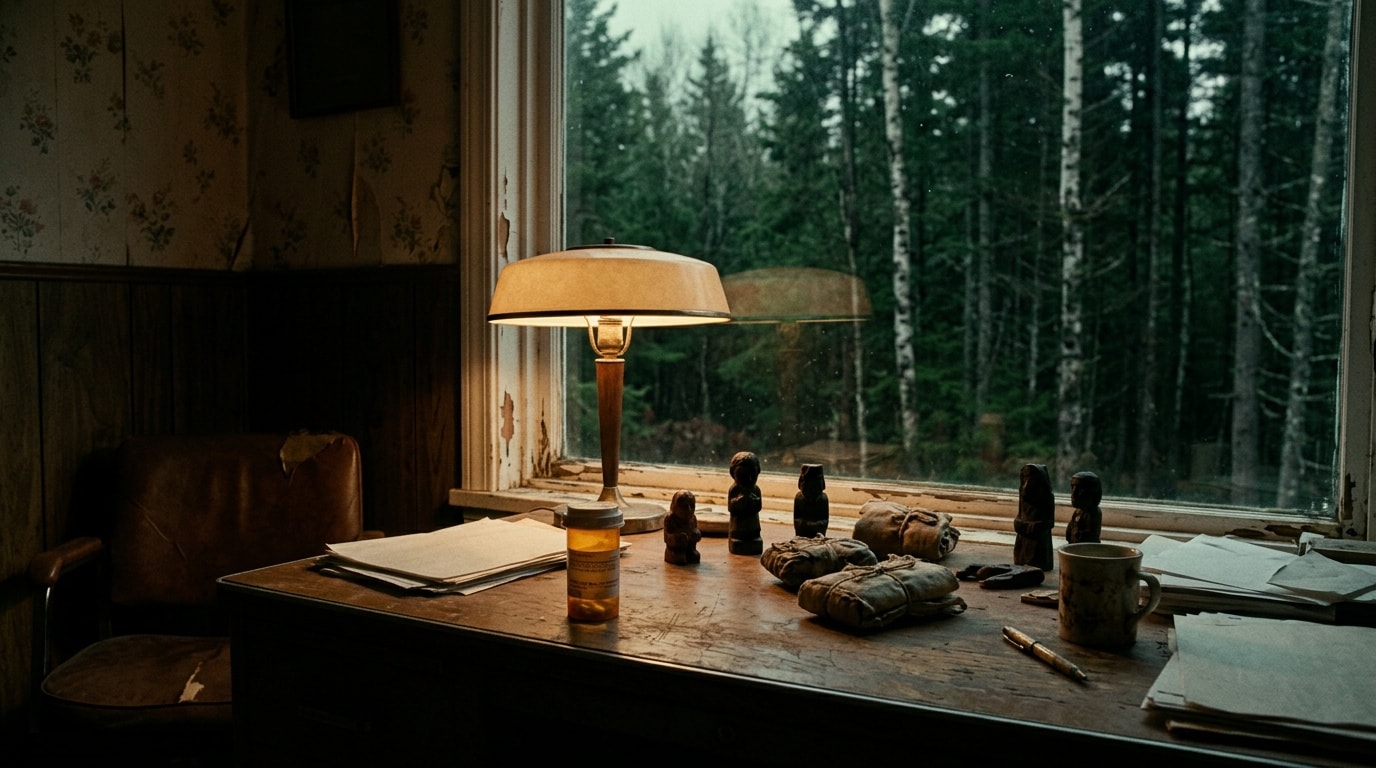
Boyd Bets His Life on the Talismans
Boyd intends to venture into the forest using talismans as protection, extrapolating from the fact that they worked inside the RV to the possibility that they could shield him beyond the town's perimeter.
The Bracelet Proves the Loop: The Town Targeted Julie Before She Could Walk
A bracelet handmade from a specific pair of bootlaces, lost the night Julie Matthews was born, turns up archived among the belongings of prior Town residents, establishing that the Town's relationship with this family predates their arrival by years and identifies Julie, not her parents, as the primary acquisition target.

The Town's Infrastructure Was Built to Be Traced to Nothing
The town's electrical system is not an incomplete construction but a completed deception: surface-level mimicry of familiar infrastructure (fake outlets, hollow lamp cords, working lights) paired with an underground convergence point that transmits power through conductorless cables.
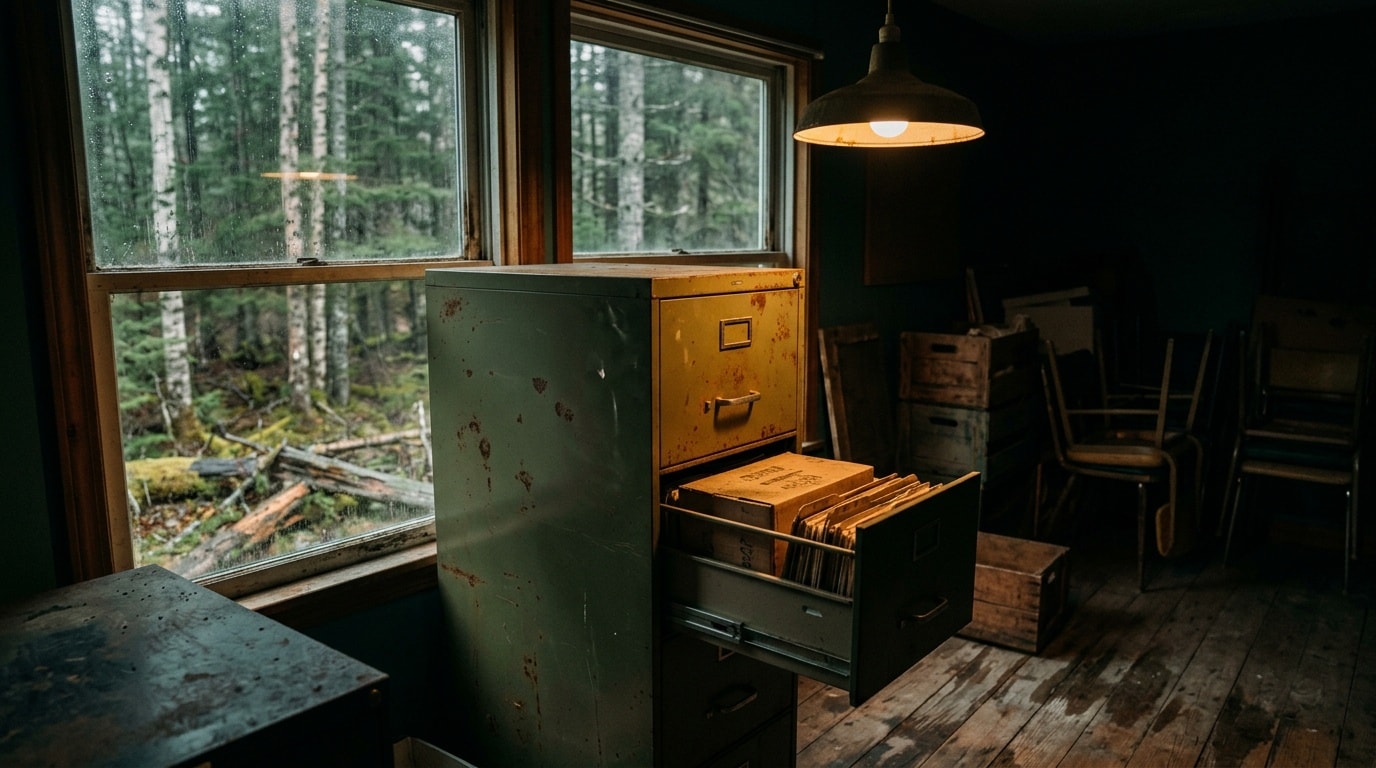
The Dragon's Cavern Hides an Escape Map
The diner storage room is the show's structural equivalent of the dragon's cavern: the place where the logic of escape is buried in accumulated objects left behind by the vanished.

Arranged Flowers Signal Deliberate Outside Contact
The arranged flowers on Colony House's porch represent deliberate communication from an actor with specific knowledge of the town's residents and, more pressingly, knowledge of which channels of contact the town cannot monitor or intercept.

Beautiful Stranger Asks to Come Inside
The flower-woman is not an anomaly but evidence of a coordinated predatory architecture in which seduction and force serve complementary functions, together covering every failure mode of human resistance.