The Dragon's Cavern Hides an Escape Map
THE THEORY
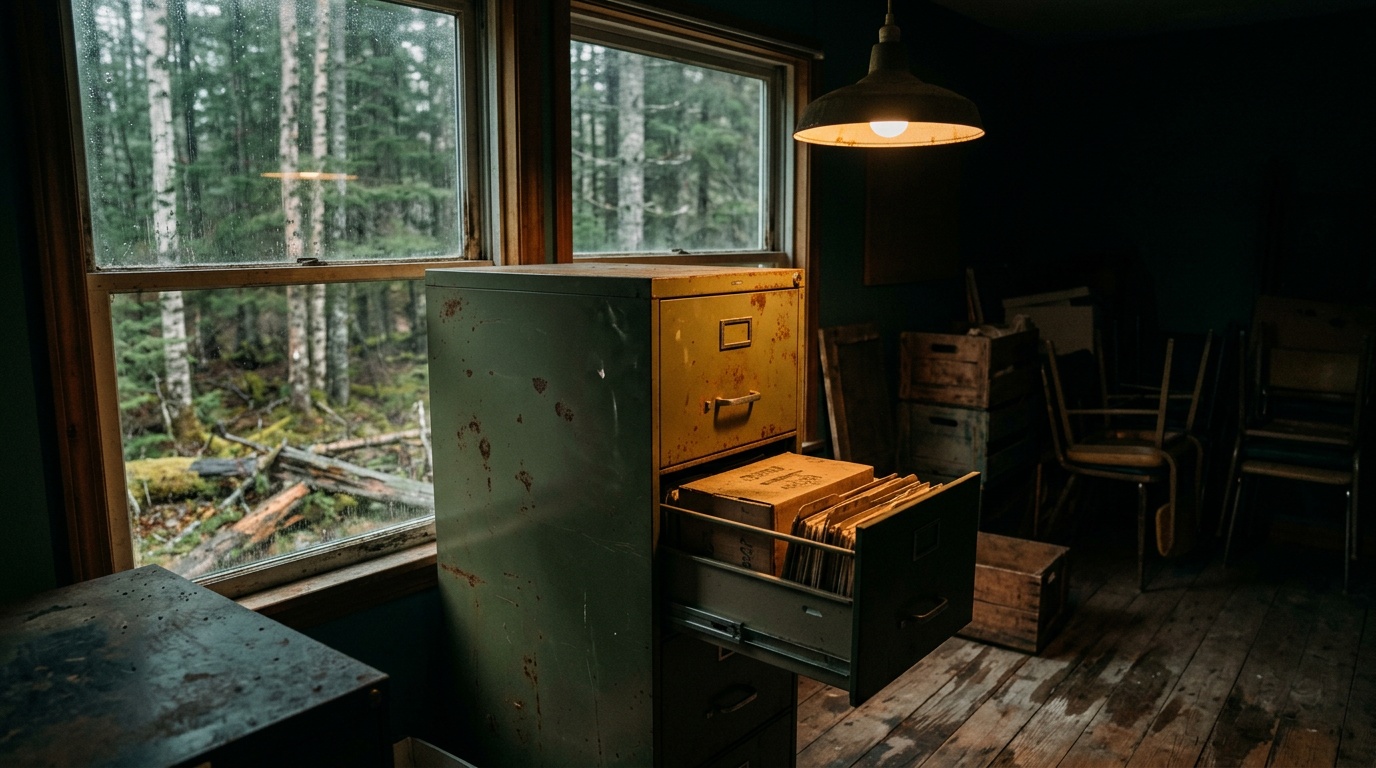
The diner storage room is the show's structural equivalent of the dragon's cavern: the place where the logic of escape is buried in accumulated objects left behind by the vanished. Ethan's fairy tale is not background symbolism but a direct narrative claim, made explicit when he names the storage room as the site where a map could be found. The bracelet Tabitha immediately takes from that room may already be the object his story predicted.
How This Theory Works
The town of FROM accumulates people but never releases them, and the show's central question is whether anything inside it encodes a way out. Ethan's fairy tale answers that question structurally before the adults have thought to ask it. He describes the lonely dragon's cavern as a place where discarded things pile up and become treasure, then applies that framework word-for-word to the diner storage room, and then says directly that they could find a map there. A child has just named the escape logic of the entire show and pointed to the room where it resolves.
The scene does not let the parallel remain abstract. Tabitha does not dismiss the comparison. She is immediately drawn to an object in the storage room: the bracelet. The narrative timing is not incidental. Ethan frames the space as a site of hidden treasure and escape, and Tabitha's instinct pulls her toward something before the scene ends. The show is already fulfilling Ethan's logic before the episode is over.
The kind of map the dragon's cavern produced matters. It was not a map of the labyrinth the Cromenockle was lost in. It was a map of the rainbow sky, the space above and beyond, the route home. If the storage room contains an analogous object, it would not diagram the streets or the forest. It would point outward, toward an exit or an origin, encoding where the town sits in relation to wherever its residents came from. Father Khatri describes the town's residents as possibly living through an unwritten chapter of an ongoing story. The accumulated possessions of everyone who has ever disappeared form a physical archive of that story. Ethan's logic holds: the dragon kept what others discarded, and that was where the map was.
The bracelet Tabitha takes could fit that function. A personal object carries a location, a signal, or a memory. What the show may be building toward is not a paper map but an object that, in the right hands, resolves the question of where the town sits in relation to the world outside it. Ethan arrived at this framework without prompting, which means the show is using a child's intuition to state the theory the adults have not yet formed: the storage room is not background, it is the answer room, and someone has already walked out of it holding a piece of the solution without knowing it.
Is this theory convincing?
Key Evidence
Ethan's Direct Map Suggestion
Ethan explicitly says 'they could find the map in the storage room' after comparing it to the lonely dragon's cavern, making the parallel a direct narrative claim rather than background symbolism.
Cavern and Storage Room Equivalence
Ethan describes the lonely dragon's cavern as a place where unwanted things pile up and become treasure, then applies this framework word-for-word to the diner storage room full of belongings from people who used to live in the town.
Map as the Cavern's Key Object
In Ethan's story, the specific item the dragon gave the Cromenockle was a map of the rainbow sky that allowed her to find her way home, creating a structural expectation that something analogous exists in the storage room.
Tabitha Finds the Bracelet Immediately After
Directly after Ethan finishes his story and suggests they could find a map, Tabitha notices and takes a bracelet from the pile of stored belongings, suggesting the narrative is already fulfilling Ethan's logic.
Tabitha's Warning Not to Touch
Tabitha tells Ethan not to touch the stored items because they belonged to people who used to live in the town, underscoring that these objects carry the history of the vanished and may hold information about what happened to them.
Ethan's Intuitive Pattern Recognition
Ethan arrives at the cavern parallel without prompting, suggesting he may have an intuitive or unconscious understanding of the town's structure that adults around him have not yet recognized.
Other Theories for S1E06
Khatri's Two Deceptions Point to One Conclusion: He Already Knows the Town Has a Process
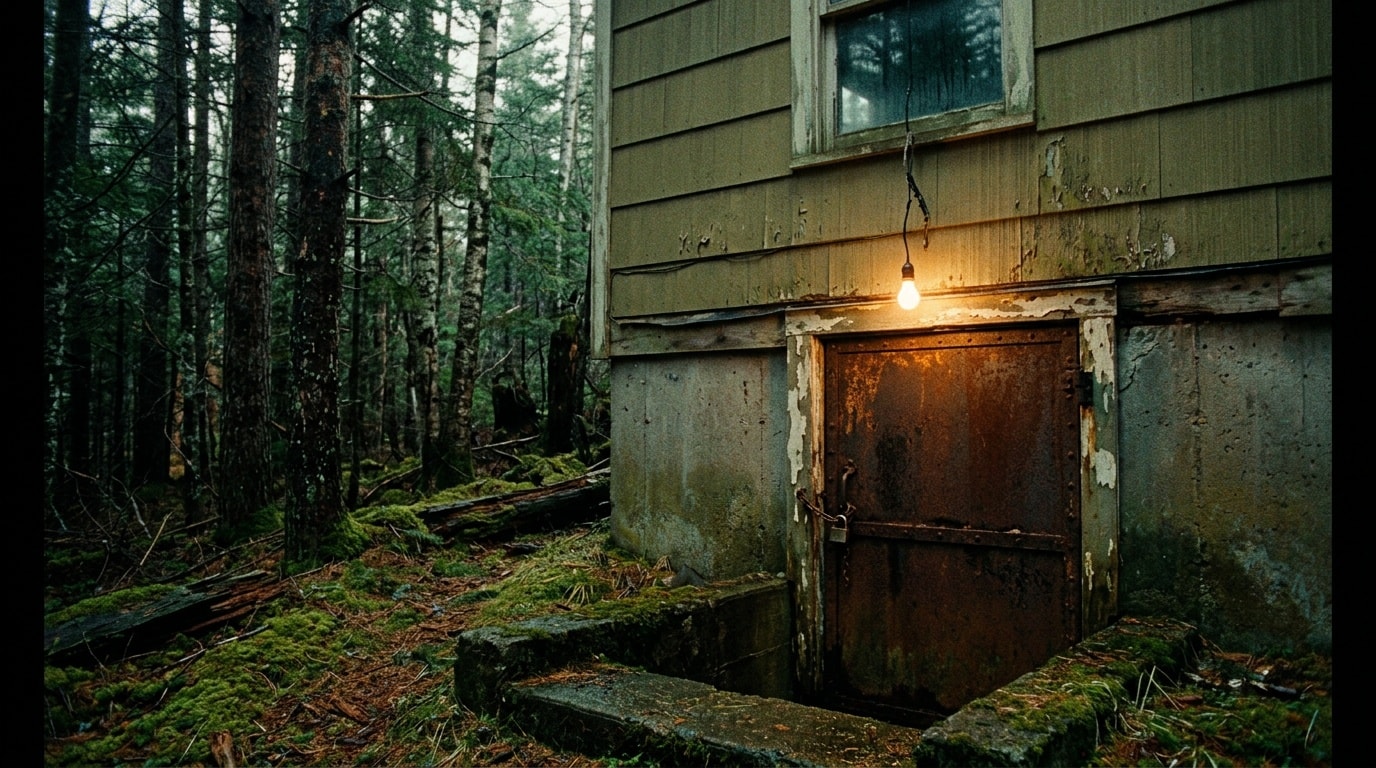
Khatri is not hiding Sara out of mercy, and he is not reassuring Tabitha out of pastoral duty.

The Town Is the Bible's Unwritten Book
Father Khatri proposes that the Bible's 73 canonical books are not its end.

Boyd Bets His Life on the Talismans
Boyd intends to venture into the forest using talismans as protection, extrapolating from the fact that they worked inside the RV to the possibility that they could shield him beyond the town's perimeter.
The Bracelet Proves the Loop: The Town Targeted Julie Before She Could Walk
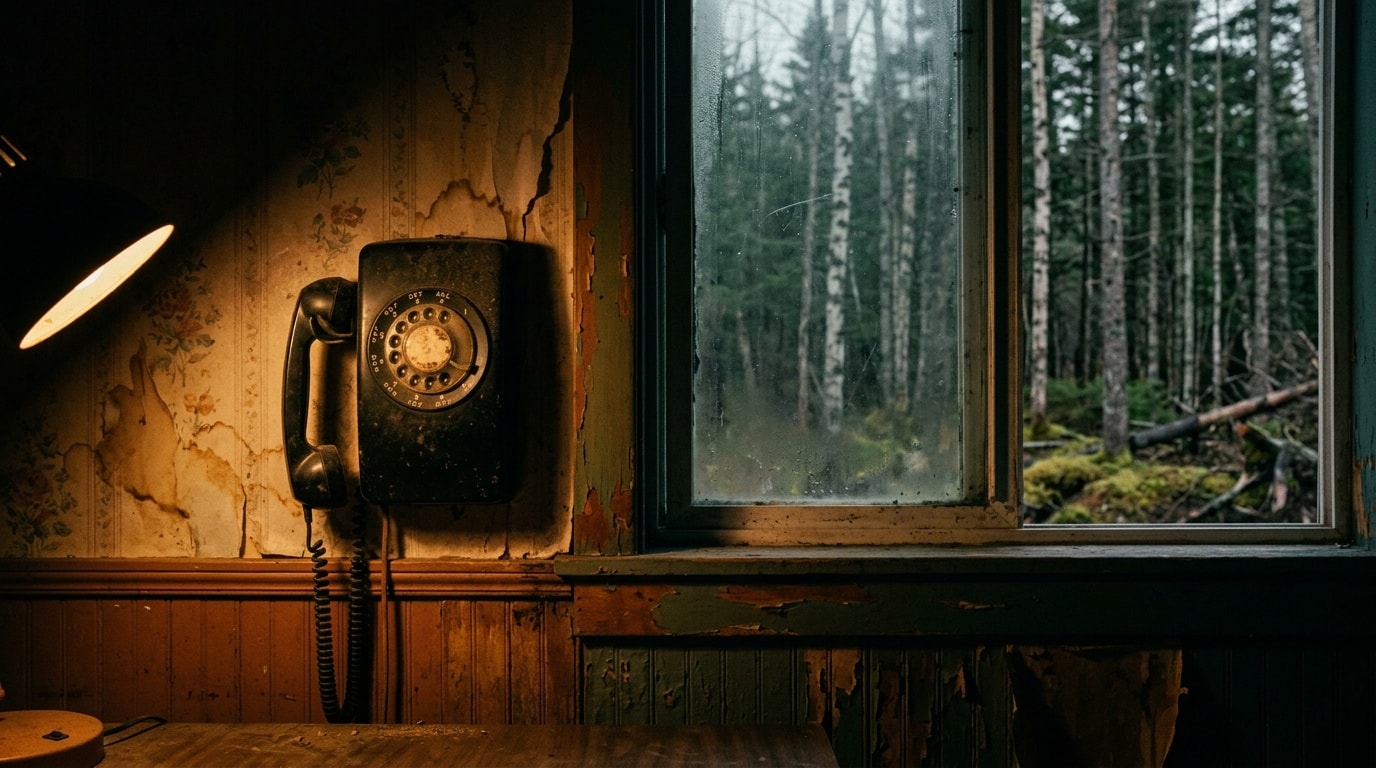
A bracelet handmade from a specific pair of bootlaces, lost the night Julie Matthews was born, turns up archived among the belongings of prior Town residents, establishing that the Town's relationship with this family predates their arrival by years and identifies Julie, not her parents, as the primary acquisition target.

The Town's Infrastructure Was Built to Be Traced to Nothing
The town's electrical system is not an incomplete construction but a completed deception: surface-level mimicry of familiar infrastructure (fake outlets, hollow lamp cords, working lights) paired with an underground convergence point that transmits power through conductorless cables.

Arranged Flowers Signal Deliberate Outside Contact
The arranged flowers on Colony House's porch represent deliberate communication from an actor with specific knowledge of the town's residents and, more pressingly, knowledge of which channels of contact the town cannot monitor or intercept.

Beautiful Stranger Asks to Come Inside
The flower-woman is not an anomaly but evidence of a coordinated predatory architecture in which seduction and force serve complementary functions, together covering every failure mode of human resistance.