Steph's Hidden ID Marks Her as a Plant
THE THEORY
Stephanie was placed inside the vault system before the war as a deliberate institutional actor rather than an ordinary dweller, a conclusion forced by the discovery of a pre-war Canadian identification document she actively concealed beneath a false bottom in her quarters. The ID establishes that she entered with an existing pre-war identity and has spent two centuries hiding that fact, meaning her authority as overseer has always served an agenda the vault population was never permitted to see. If her original placement was authorized by Vault-Tec or an affiliated organization, her oversight of Vaults 32 and 33 is not administration but active experiment management.
How This Theory Works
Stephanie's authority over Vault 32 rests on a fabricated identity, and the concealed pre-war Canadian ID is the mechanism that exposes it. A genuine vault dweller has no reason to own a pre-war identification card, and no reason to hide one beneath a false bottom in a drawer. The concealment is the tell. Whatever Stephanie is, she knew that document could not be seen.
The Canadian origin compounds the significance. The Annex Territory designation marks the ID as a product of the specific political moment when Vault-Tec was operating as a corporate arm of American expansionism. This is not generic pre-war paperwork. It places Stephanie in a context that makes her presence inside a Vault-Tec facility two centuries later either the result of a deliberate placement or a survival circumstance that the show has not yet explained. The precise mechanism the show would need to supply is this: how did Stephanie enter the vault, and under whose authorization? An ordinary dweller's intake records would answer that question. The fact that nothing on screen has pointed toward those records, and that Stephanie actively suppresses scrutiny of vault operations, suggests the answer is being managed rather than lost.
The most uncomfortable reading of this evidence is that Stephanie's oversight of Vault 32 and 33 has never been administrative. It has been supervisory in the Vault-Tec sense: managing the experiment, not the population. Betty's confrontation with her in the inter-vault space, coming after the discovery of Vault 31 emptied and Bud Askins dead, suggests the oversight structure is fracturing under pressure it was designed to withstand quietly. Stephanie's hidden ID is not a relic of a past life. It is the credential of someone whose original assignment is still active, and the two centuries of concealment are not paranoia but operational discipline. If that assignment originated with Vault-Tec or its pre-war institutional partners, then every overseer decision she has made was a data point in an experiment the residents of Vaults 32 and 33 were never supposed to detect.
Is this theory convincing?
Key Evidence
False Bottom Concealing Canadian ID
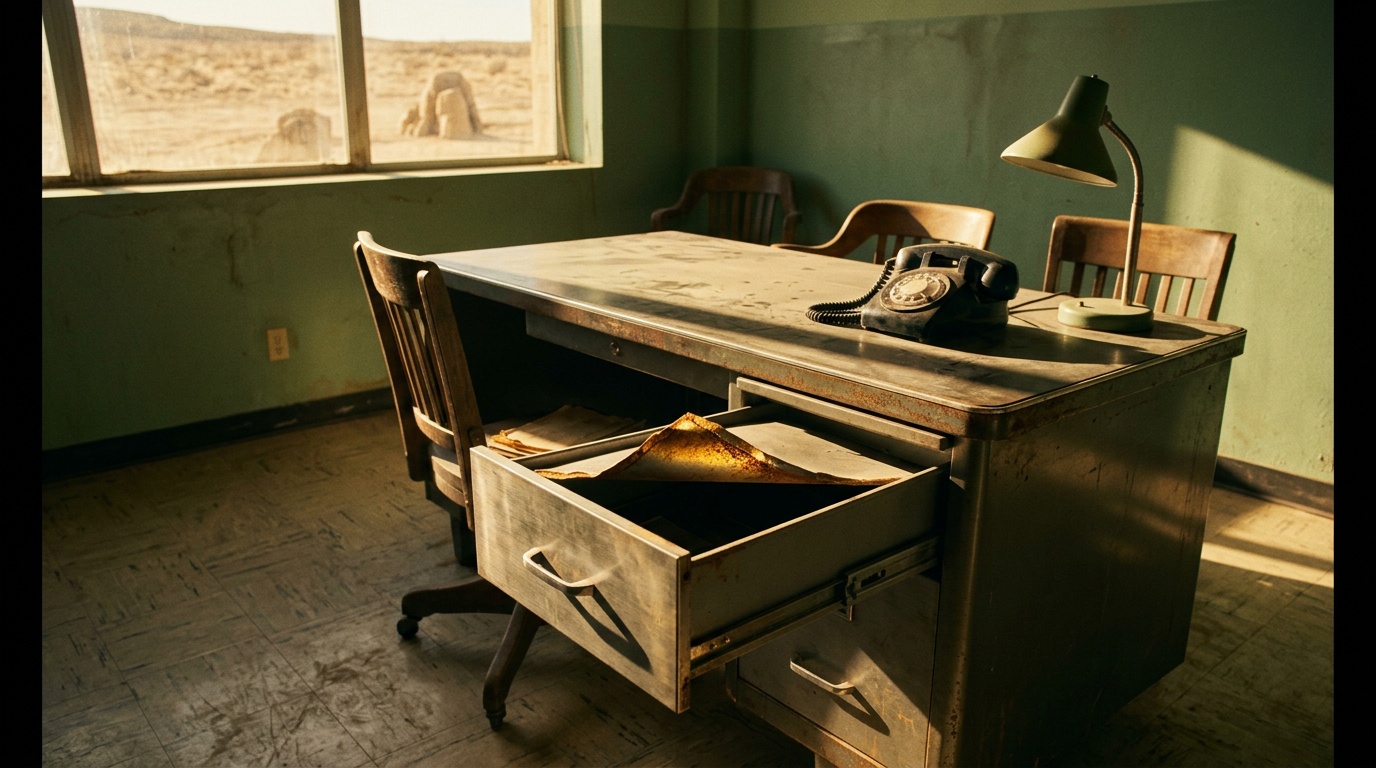
Chad discovers a false bottom in a drawer in Stephanie's quarters containing an old wallet with a pre-war identification card issued to 'Stephanie' from the United States Annex Territory of Canada.
ID Proves Pre-War Survival
The existence of a pre-war Canadian ID establishes that Stephanie was alive before the nuclear war and entered the vault as an adult with an existing identity, contradicting any assumption that she was born inside.
Deliberate Concealment of Document
The ID was hidden beneath a false floor rather than stored openly, indicating Stephanie made an active choice to prevent vault residents from knowing she possessed it.
Canadian Annex Territory Context
The ID's designation as United States Annex Territory of Canada ties Stephanie to the specific pre-war political period when Vault-Tec was operating as a corporate instrument of American expansionism.
Calculated Overseer Demeanor
Stephanie's consistent pattern of dismissing scrutiny and deflecting questions about vault operations is read as the behavior of someone managing an agenda rather than administering a community.
Other Theories for S2E04
The Deathclaw Was a Doctrine, and Cooper Howard Was Designed to Be Its Blind Spot
The U.
The Brotherhood Is Already Splitting Apart
The Brotherhood of Steel is not approaching civil war but is already past the point at which institutional authority can resolve the conflict, with the Coronado chapter conducting independent assassination negotiations and Quintus treating a diplomatic incident as a war pretext while both men use identical Brotherhood language to authorize actions that cancel each other out.
Cooper Lied to Save Charlie, Not Himself
Cooper Howard sent Charlie away with a false retreat order not to protect a friend but because he had already decided that certain knowledge belongs only to him.
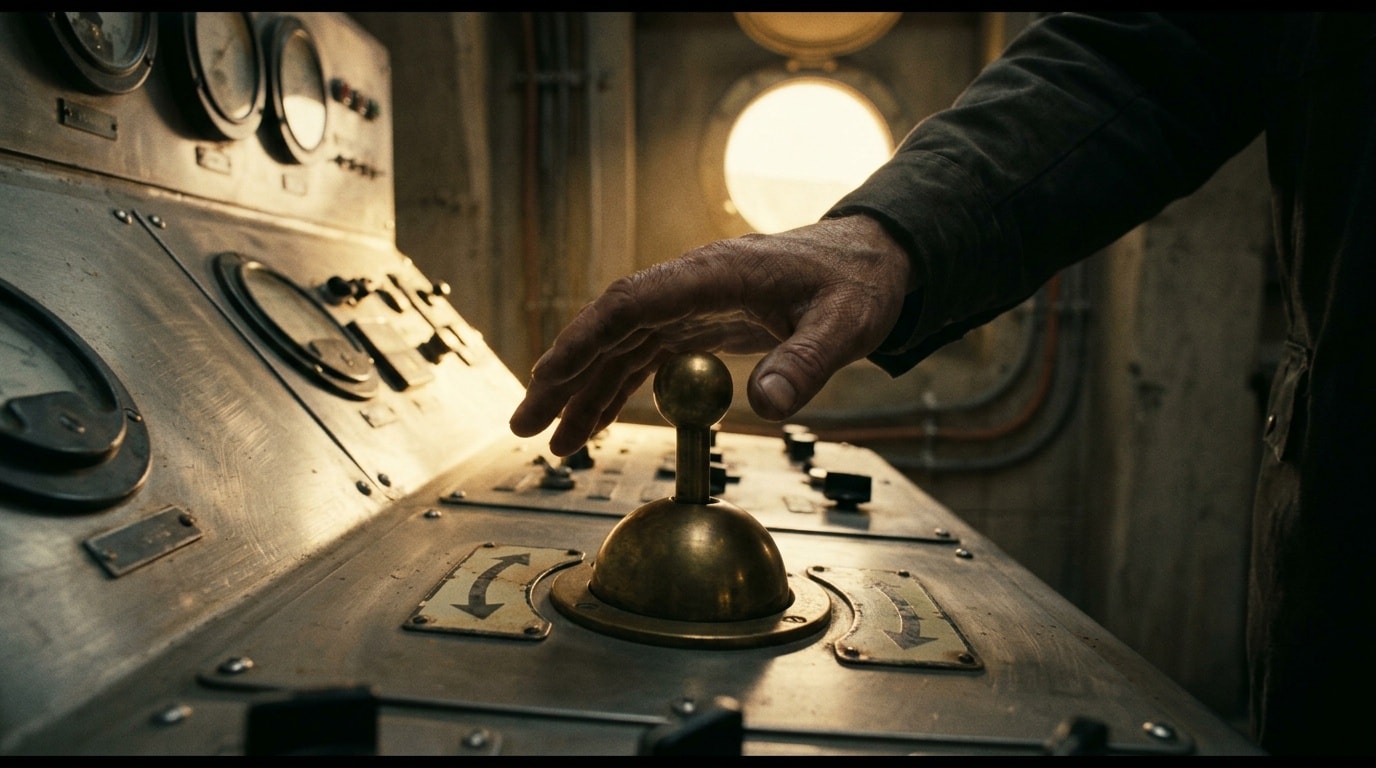
Maximus Cannot Choose, Only React
Maximus will never be the agent of change the Brotherhood's internal crisis requires, because his arc is not building toward a decision but confirming that he is constitutionally incapable of making one.
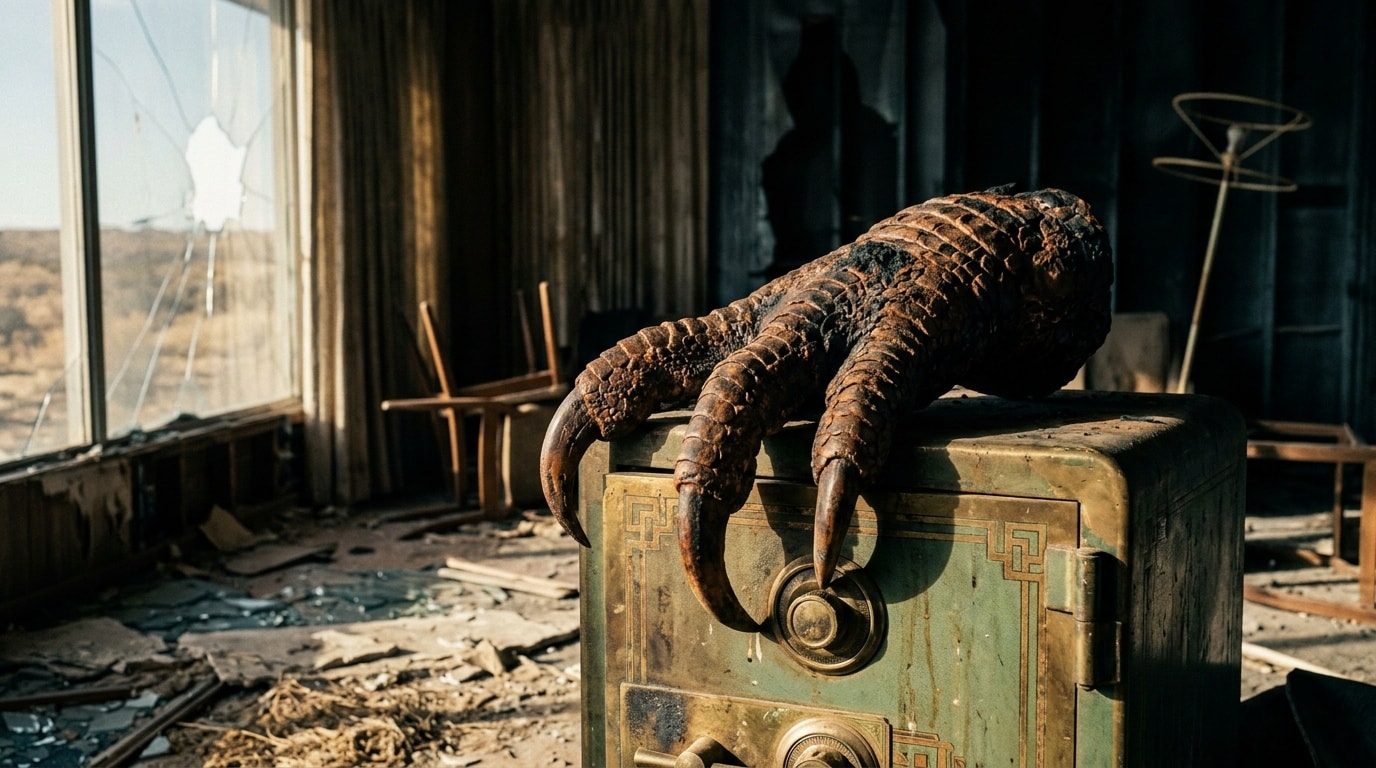
Alaska's Deathclaw Has Survived to New Vegas
The deathclaw occupying the Lucky 38 in New Vegas is the same creature that spared Cooper Howard on the Alaskan front during the Sino-American War, making it a two-century survivor that has already made one active choice about Cooper's life.
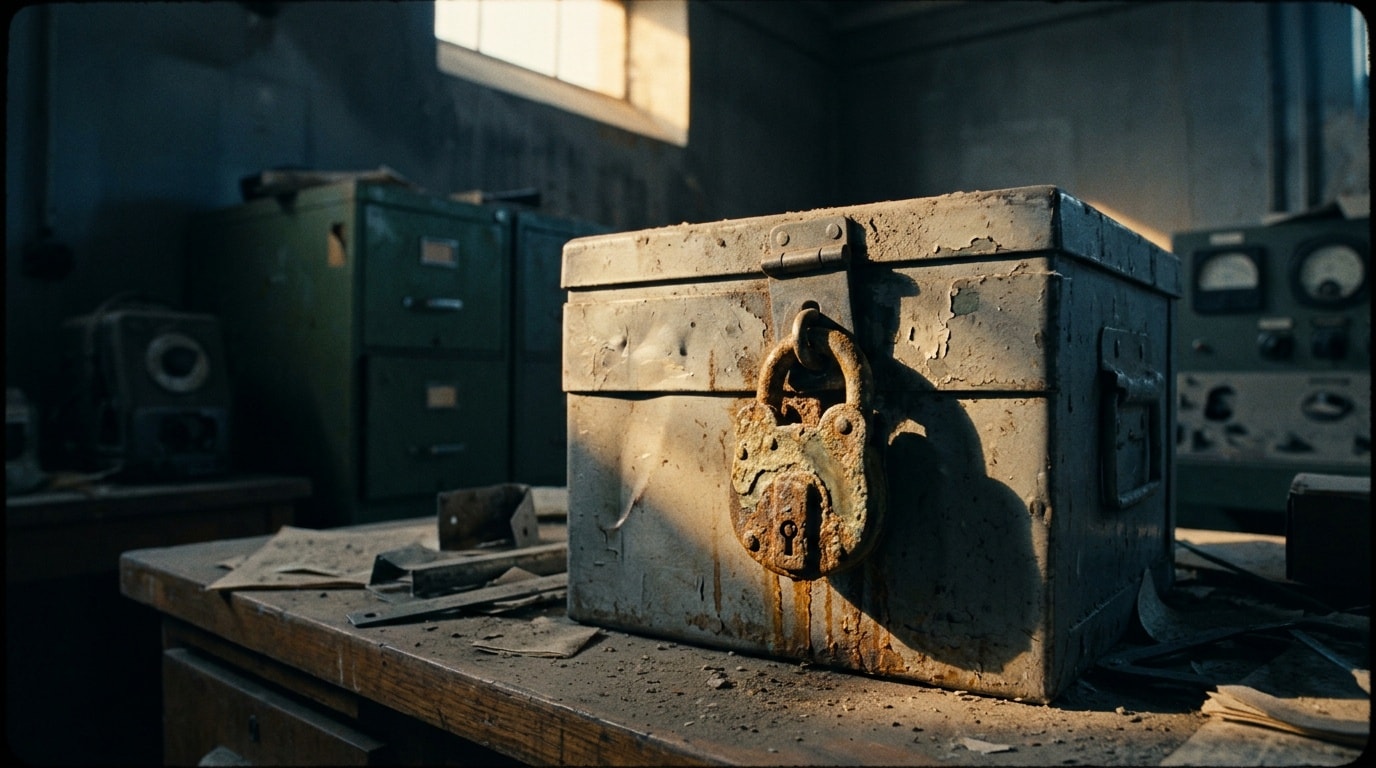
Hank's Locked Box Controls Vault Water
Betty's offer of Vault 33's water supply in exchange for Hank's locked pre-war box is not a measure of the box's value -- it is a measure of her exposure to whatever is inside it.
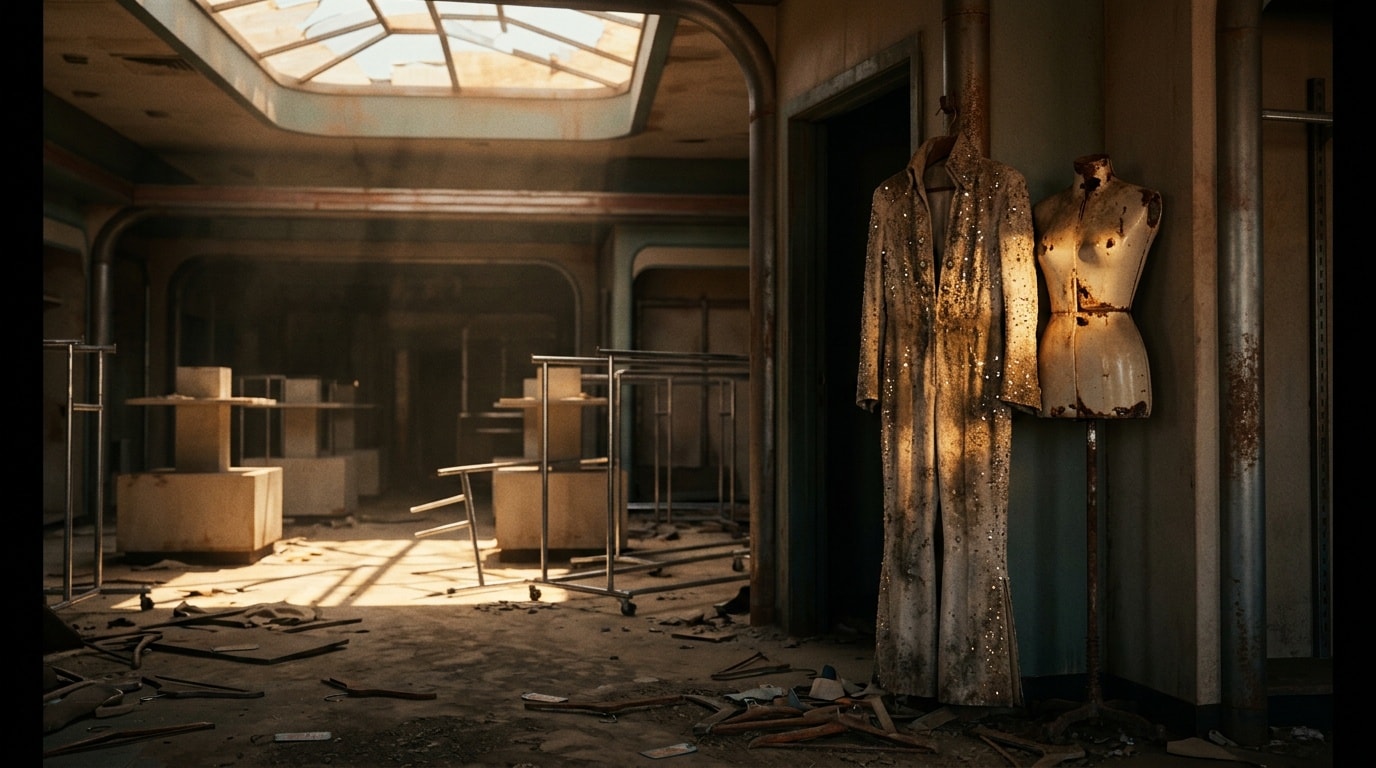
The Kings Went Feral Between Games and Show
The Elvis-costumed feral ghouls at the New Vegas gates are the remains of the Kings, a formerly human faction, and their clustered appearance in intact faction costuming indicates they held together through ghoulification before a discrete collapse rather than simply dispersing over time.
Lucy Is Accidentally Restoring Cooper Howard
Cooper Howard keeps Lucy close not as a tool but as the only remaining evidence that his pre-war self was real and worth having been.