Lucy Is Accidentally Restoring Cooper Howard
THE THEORY
Cooper Howard keeps Lucy close not as a tool but as the only remaining evidence that his pre-war self was real and worth having been. Her moral deterioration alarms rather than satisfies him because if she cannot hold her original self intact against the wasteland, his own loss is confirmed as permanent rather than circumstantial. The fading smile when she casually dehumanizes ghouls is not sentimentality but self-diagnosis: he is watching her to find out whether anything he once was ever deserved to survive.
How This Theory Works
Cooper Howard is not keeping Lucy close because she is useful. He is keeping her close because she is the only proof left that the person he was before the bombs was real and worth having been. Two centuries of survival have not erased that self so much as buried it under a persona he constructed to function in a world that would otherwise destroy him. Lucy does not soften that persona. She destabilizes it, which is precisely why he cannot let her go.
The clearest evidence arrives in a single facial expression. When Lucy offhandedly dismisses a group as only ghouls, Cooper's smile fades. He does not argue. He does not explain. The reaction passes quickly, but its specificity is hard to dismiss. He is not reacting to a threat or a tactical problem. He is reacting to hearing his own category of being devalued in the casual language of someone he has been watching become more like him. The discomfort is not about her safety. It is about what her words reveal about where she is heading.
That moment reframes the dynamic entirely. If Cooper were simply using Lucy as a tool, her moral deterioration would be irrelevant to him. The fading smile suggests he has a stake in what she becomes, and that stake is not altruistic. It is self-diagnostic. He is watching, with something close to alarm, whether she can hold onto the openness and moral seriousness he has long since lost. Because if she cannot, if the wasteland converts her as completely as it converted him, then his own transformation stops being a response to exceptional circumstances and becomes proof that nothing in him was ever durable enough to survive. Lucy is not his student. She is his test case for whether anything he once was ever deserved to last.
This is why his acts of protection, including pulling her from Caesar's Legion and arranging her recovery with no legible selfish return, cannot be explained by utility alone. He is not investing in an asset. He is keeping the test running. Her survival is the condition under which the question he cannot ask directly remains open.
Is this theory convincing?
Key Evidence
Cooper's Smile Fades at 'Only Ghouls'
When Lucy says 'They're only ghouls, right?' Cooper visibly reacts, his expression shifting from amusement to something quieter, because as a ghoul himself he registers the casual dehumanization she has absorbed from wasteland survival.
Keeping Lucy for Her Wide-Eyed Hope
The Ghoul's continued tolerance of Lucy, despite her being a liability at multiple points, is read as evidence that he wants proximity to the qualities she represents, specifically the hope and openness he himself once had as Cooper Howard.
Lucy Drawing Out the Softer Side
Cooper's behavior around Lucy repeatedly produces moments of protection and patience that contradict his stated persona, suggesting her presence activates something closer to his pre-war identity than any other relationship in the wasteland.
Ghoul Rescues Lucy from Crucifixion
The Ghoul saves Lucy from Caesar's Legion and arranges for her medical recovery, an act with no apparent selfish payoff, which sits uneasily against any reading of him as purely self-interested.
Lucy's Moral Slide Alarms Rather Than Pleases
The moment Lucy dismisses ghouls with casual contempt, Cooper's reaction is not satisfaction at a student learning wasteland pragmatism but something closer to loss, suggesting he does not actually want her to become what he is.
Other Theories for S2E04
The Deathclaw Was a Doctrine, and Cooper Howard Was Designed to Be Its Blind Spot
The U.
The Brotherhood Is Already Splitting Apart
The Brotherhood of Steel is not approaching civil war but is already past the point at which institutional authority can resolve the conflict, with the Coronado chapter conducting independent assassination negotiations and Quintus treating a diplomatic incident as a war pretext while both men use identical Brotherhood language to authorize actions that cancel each other out.
Cooper Lied to Save Charlie, Not Himself
Cooper Howard sent Charlie away with a false retreat order not to protect a friend but because he had already decided that certain knowledge belongs only to him.
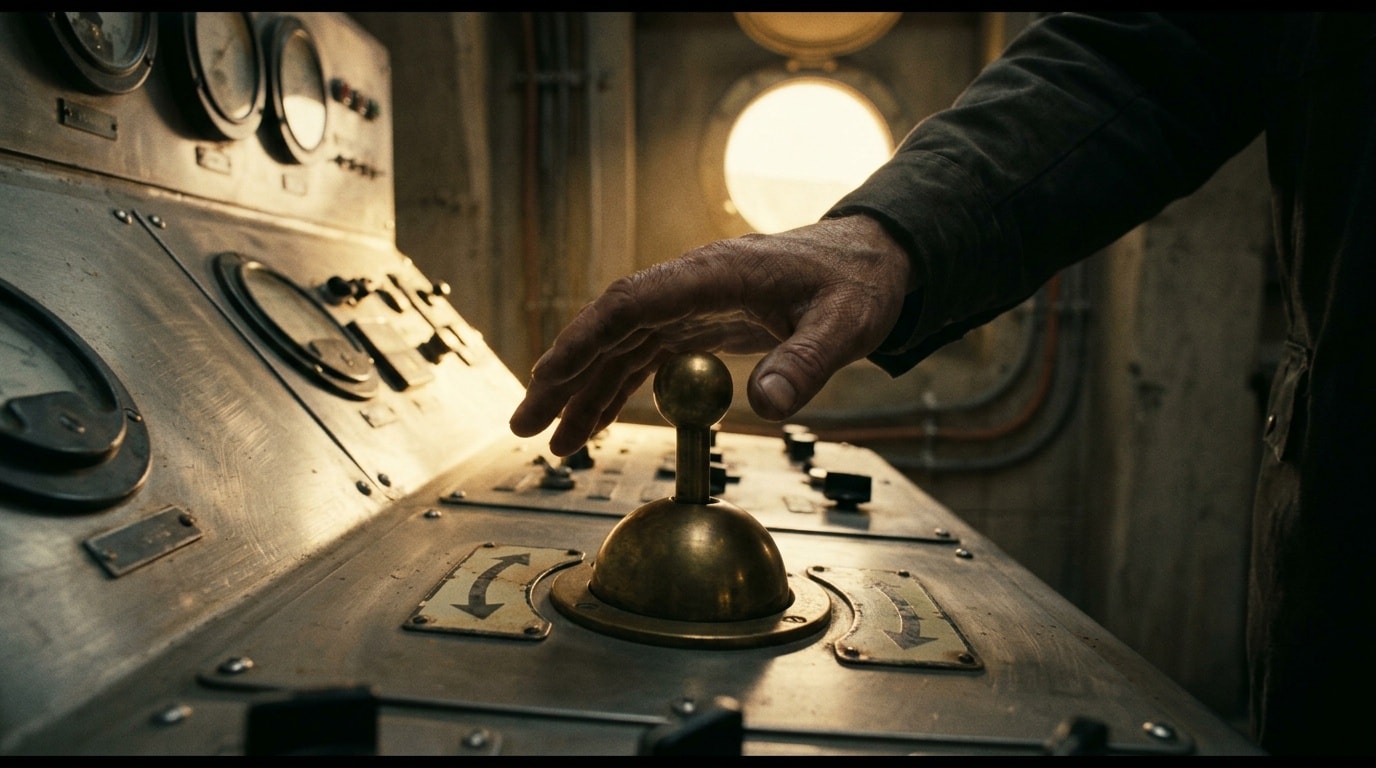
Maximus Cannot Choose, Only React
Maximus will never be the agent of change the Brotherhood's internal crisis requires, because his arc is not building toward a decision but confirming that he is constitutionally incapable of making one.
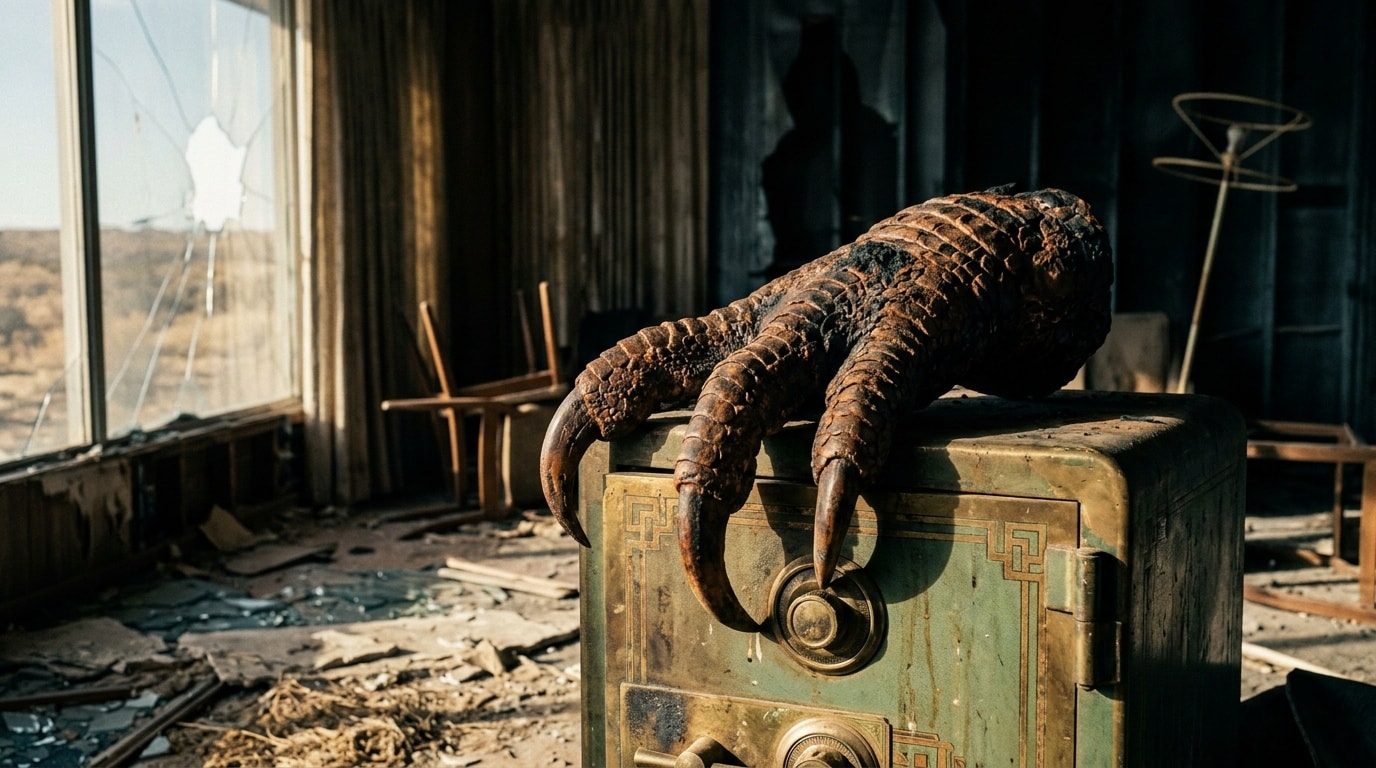
Alaska's Deathclaw Has Survived to New Vegas
The deathclaw occupying the Lucky 38 in New Vegas is the same creature that spared Cooper Howard on the Alaskan front during the Sino-American War, making it a two-century survivor that has already made one active choice about Cooper's life.
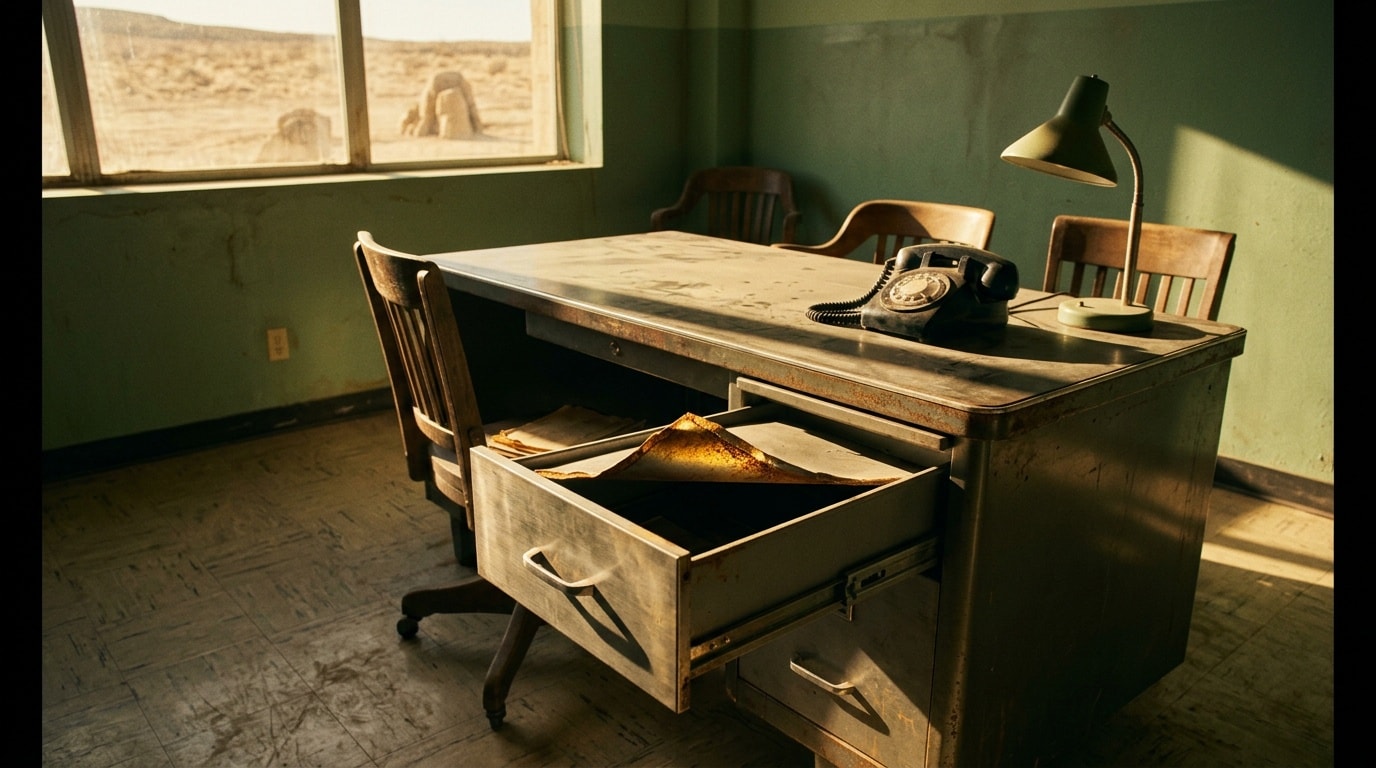
Steph's Hidden ID Marks Her as a Plant
Stephanie was placed inside the vault system before the war as a deliberate institutional actor rather than an ordinary dweller, a conclusion forced by the discovery of a pre-war Canadian identification document she actively concealed beneath a false bottom in her quarters.
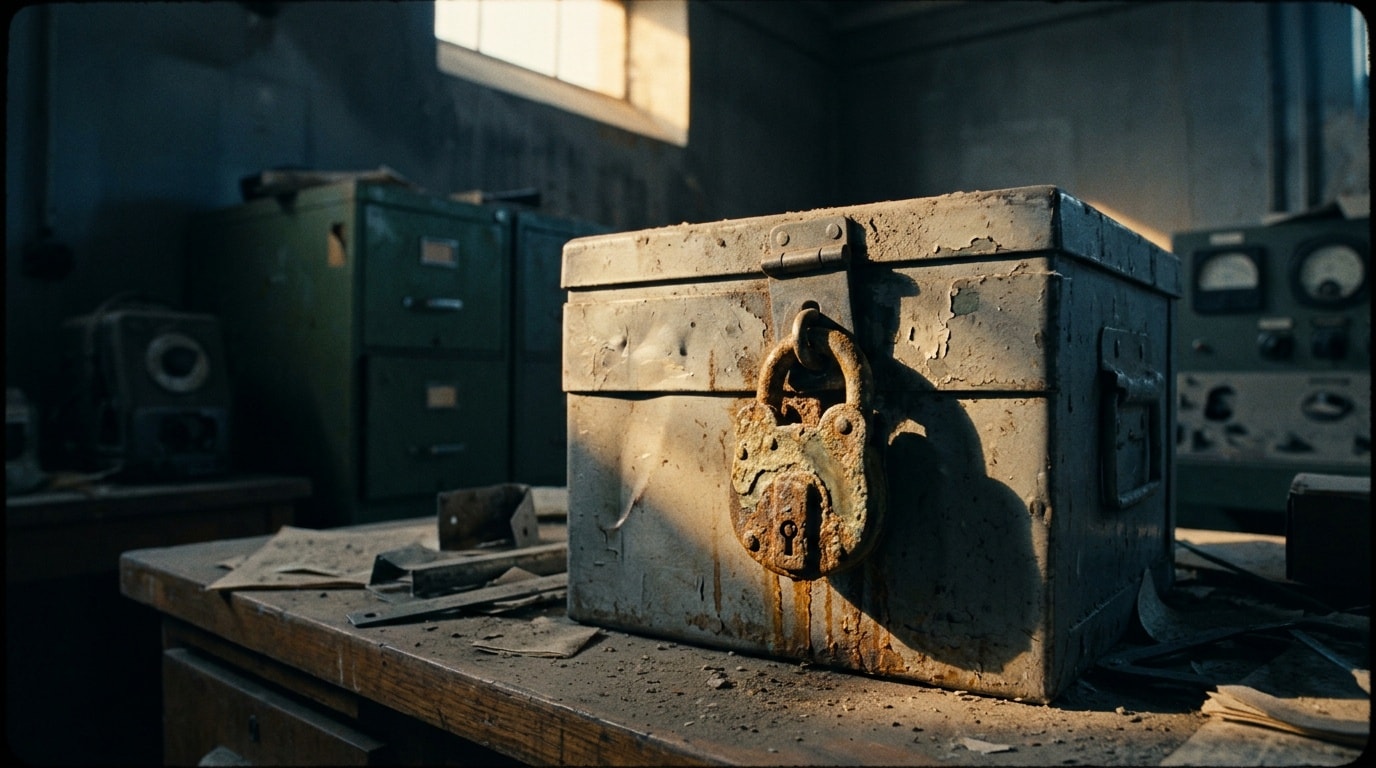
Hank's Locked Box Controls Vault Water
Betty's offer of Vault 33's water supply in exchange for Hank's locked pre-war box is not a measure of the box's value -- it is a measure of her exposure to whatever is inside it.
The Kings Went Feral Between Games and Show
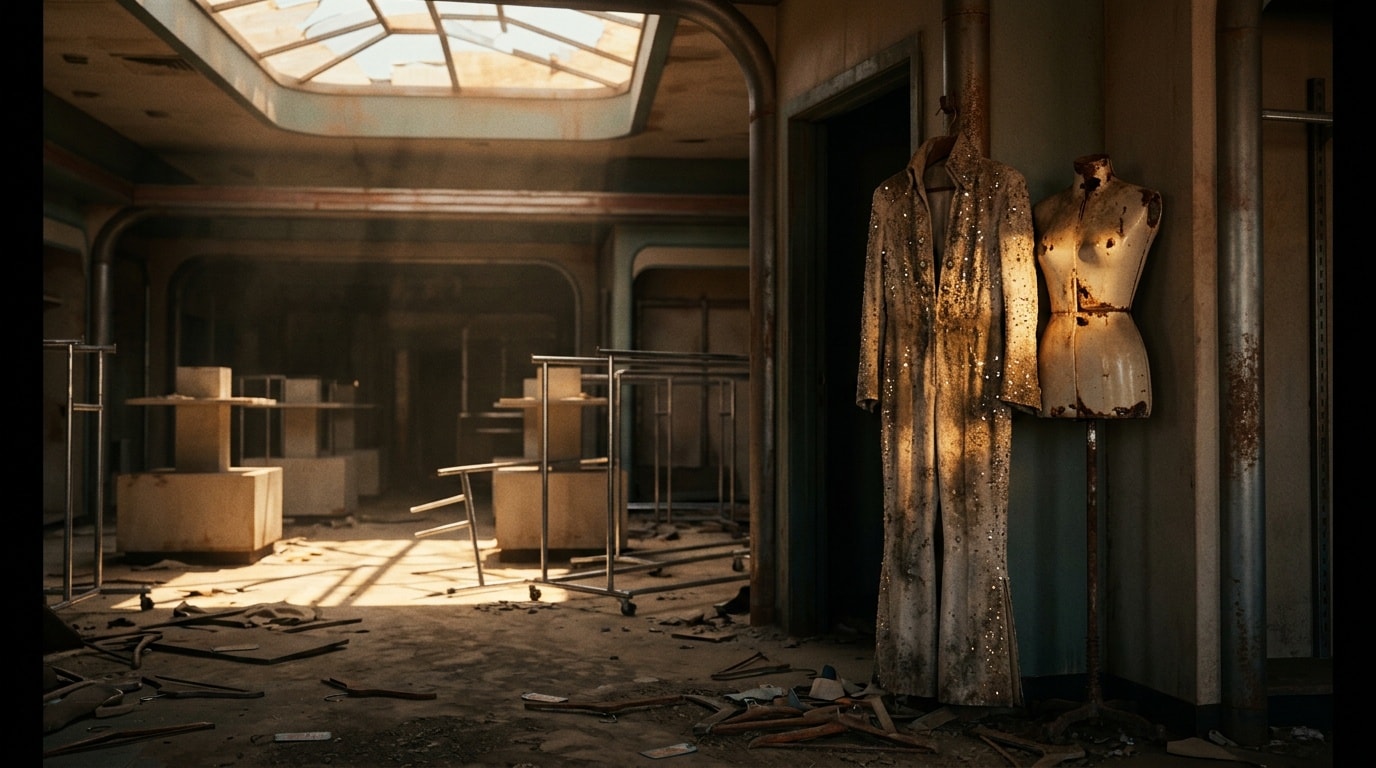
The Elvis-costumed feral ghouls at the New Vegas gates are the remains of the Kings, a formerly human faction, and their clustered appearance in intact faction costuming indicates they held together through ghoulification before a discrete collapse rather than simply dispersing over time.