Cooper Lied to Save Charlie, Not Himself
THE THEORY
Cooper Howard sent Charlie away with a false retreat order not to protect a friend but because he had already decided that certain knowledge belongs only to him. The lie is not improvisation. It is the application of a principle Cooper had internalized long before the bombs fell, and it frames everything that follows.
How This Theory Works
The directional logic of the lie is what matters. A soldier trying to avoid danger would have left with Charlie. Cooper stays. He manufactures a retreat order specifically to move Charlie away from the wreckage site, then absorbs whatever comes next alone, in damaged power armor, with no support. The lie does not protect Cooper. It clears the area of witnesses.
What happens immediately after confirms this is not a one-time reflex. When command radios congratulations, Cooper does not report what he found. He corrects them weakly, without detail, declining to give a full account. The structural pattern across both exchanges is identical: Charlie receives a useful fiction, command receives an incomplete truth. Cooper alone holds the full account. That is not the behavior of someone protecting a friend from danger. It is the behavior of someone who has decided that controlling information is his actual function.
The two available readings, protectiveness versus operational information control, are not competing interpretations. They collapse into a single portrait. Cooper may have genuinely wanted Charlie away from harm, and he may have genuinely believed that what he found at that site was not something command could be trusted with. Both things can be true. But the structure of his choices reveals which instinct governs. He does not deceive upward to shield himself from consequences. He withholds. He positions himself as the sole custodian of what actually happened. The protectiveness is real. The control is the deeper habit.
The sharpest implication is what this means for the two centuries that follow. Cooper's wasteland solitude has been read as adaptation, a man shaped by catastrophe into something cold and self-sufficient. But the Alaska sequence predates the bombs by decades. The disposition was already formed. He was already the kind of person who, when faced with knowledge too dangerous to share, cleared the room and kept it. The bombs did not make Cooper Howard that man. They just gave him more room to be him.
Is this theory convincing?
Key Evidence
Denied Abort, Then False Retreat Order
Cooper requests permission to abort the mission over radio and is explicitly denied by his superiors, then immediately tells Charlie they were ordered to head back — the opposite of what he was just told.
Cooper Stays Behind Alone
After sending Charlie ahead with the false retreat order, Cooper does not follow — he remains alone at the burning vertibird wreckage, in damaged power armor, with no support.
Withheld Truth From Command
When superiors radio congratulations for repelling the Chinese, Cooper weakly says it was not American soldiers who stopped them, declining to clearly report what actually happened at the site.
Pattern of Selective Information Control
Cooper tells Charlie a fiction, withholds the truth from command, and absorbs the real knowledge alone — a structural pattern of controlling who knows what, consistent with the catalog's established reading of Cooper as someone who withholds foreknowledge.
Other Theories for S2E04
The Deathclaw Was a Doctrine, and Cooper Howard Was Designed to Be Its Blind Spot
The U.
The Brotherhood Is Already Splitting Apart
The Brotherhood of Steel is not approaching civil war but is already past the point at which institutional authority can resolve the conflict, with the Coronado chapter conducting independent assassination negotiations and Quintus treating a diplomatic incident as a war pretext while both men use identical Brotherhood language to authorize actions that cancel each other out.
Maximus Cannot Choose, Only React
Maximus will never be the agent of change the Brotherhood's internal crisis requires, because his arc is not building toward a decision but confirming that he is constitutionally incapable of making one.
Steph's Hidden ID Marks Her as a Plant
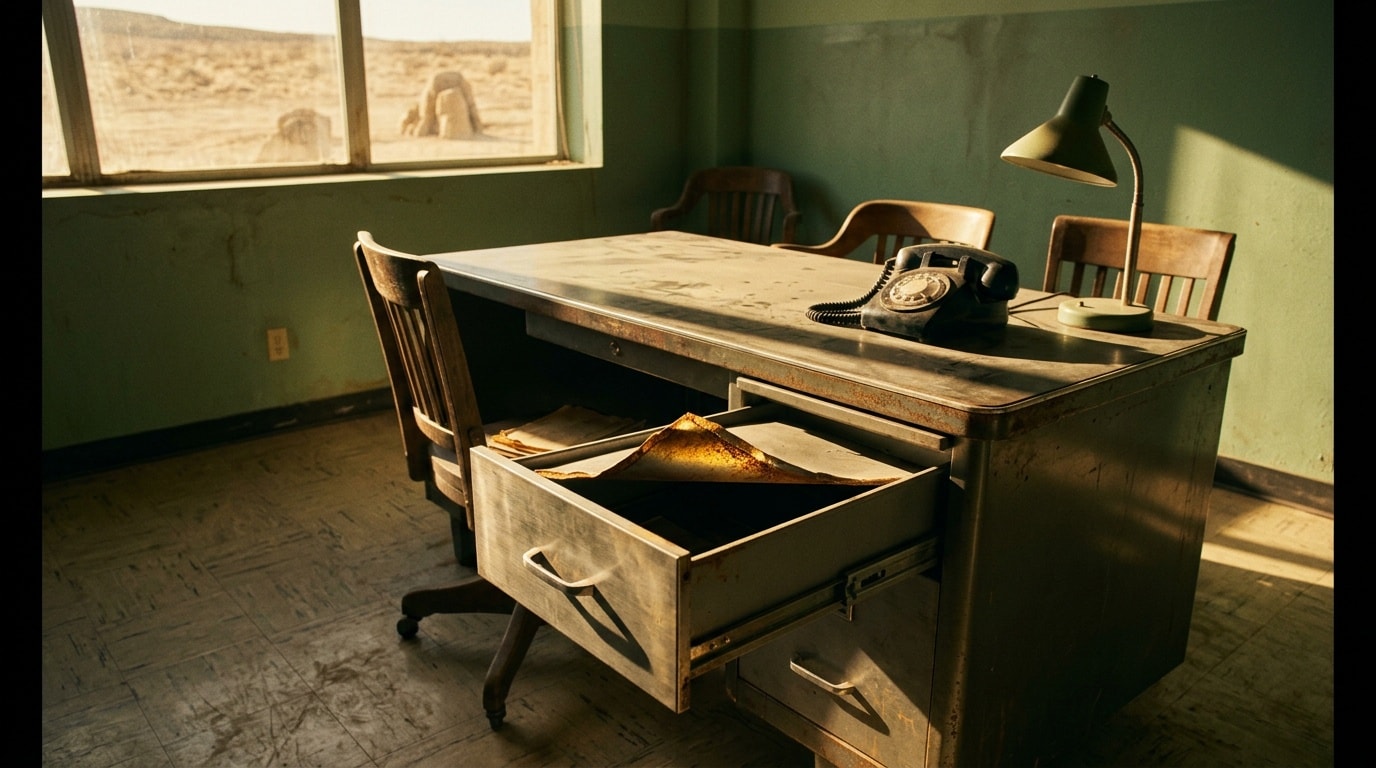
Stephanie was placed inside the vault system before the war as a deliberate institutional actor rather than an ordinary dweller, a conclusion forced by the discovery of a pre-war Canadian identification document she actively concealed beneath a false bottom in her quarters.
Alaska's Deathclaw Has Survived to New Vegas
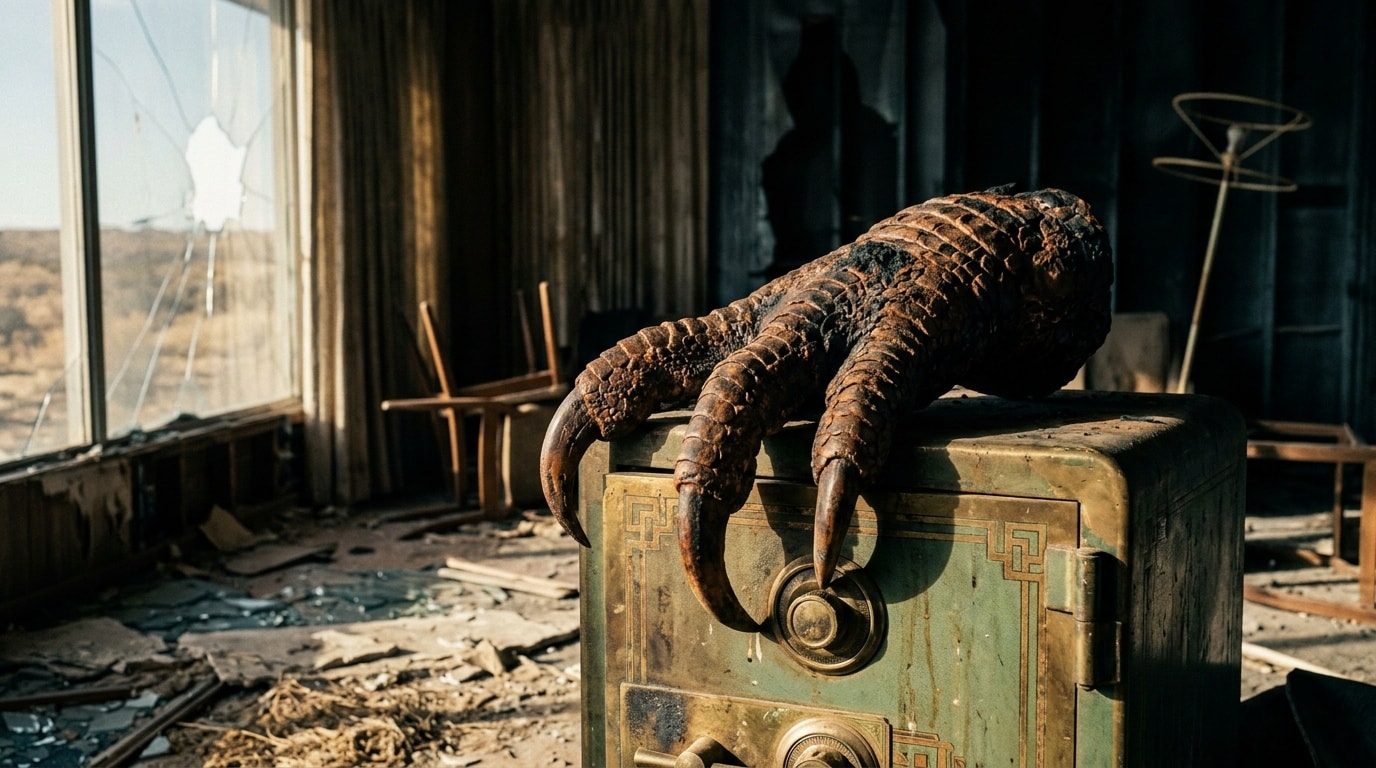
The deathclaw occupying the Lucky 38 in New Vegas is the same creature that spared Cooper Howard on the Alaskan front during the Sino-American War, making it a two-century survivor that has already made one active choice about Cooper's life.
Hank's Locked Box Controls Vault Water
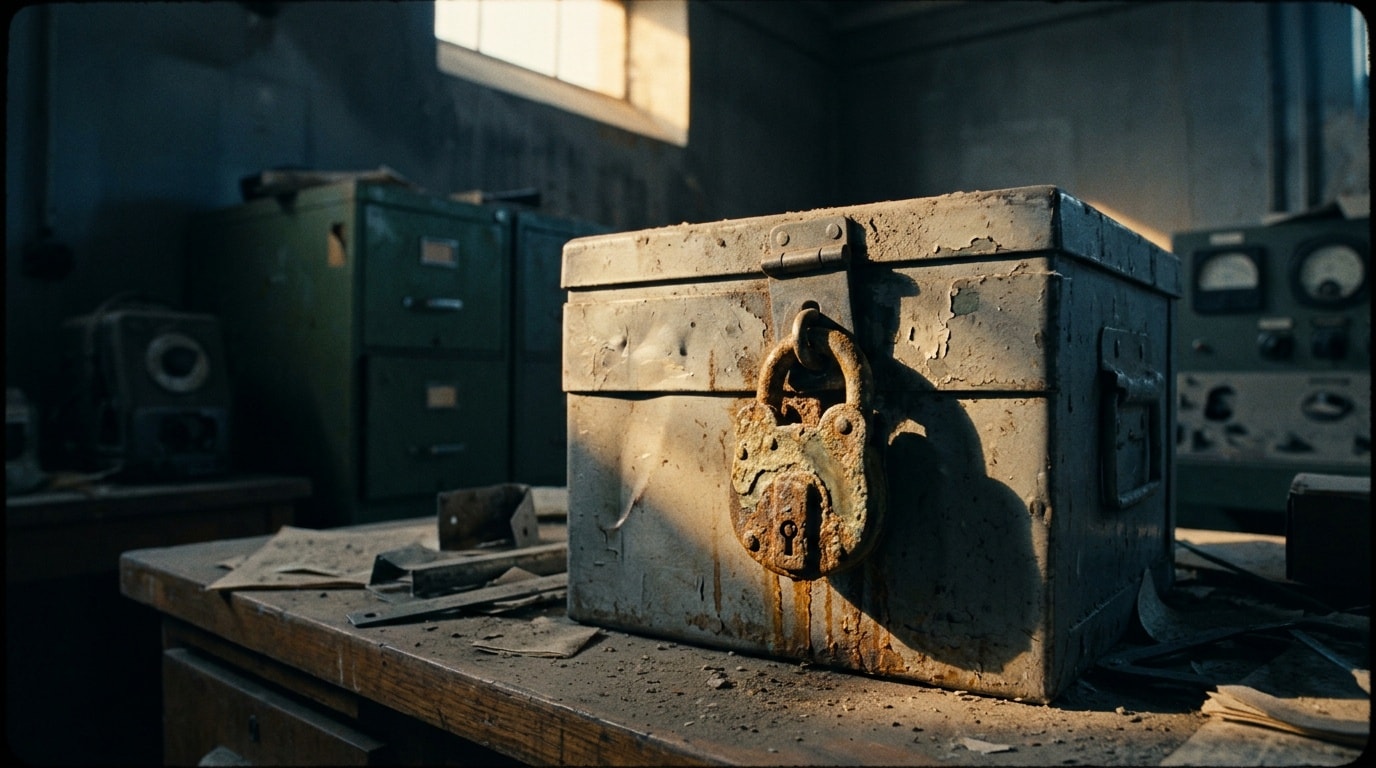
Betty's offer of Vault 33's water supply in exchange for Hank's locked pre-war box is not a measure of the box's value -- it is a measure of her exposure to whatever is inside it.
The Kings Went Feral Between Games and Show
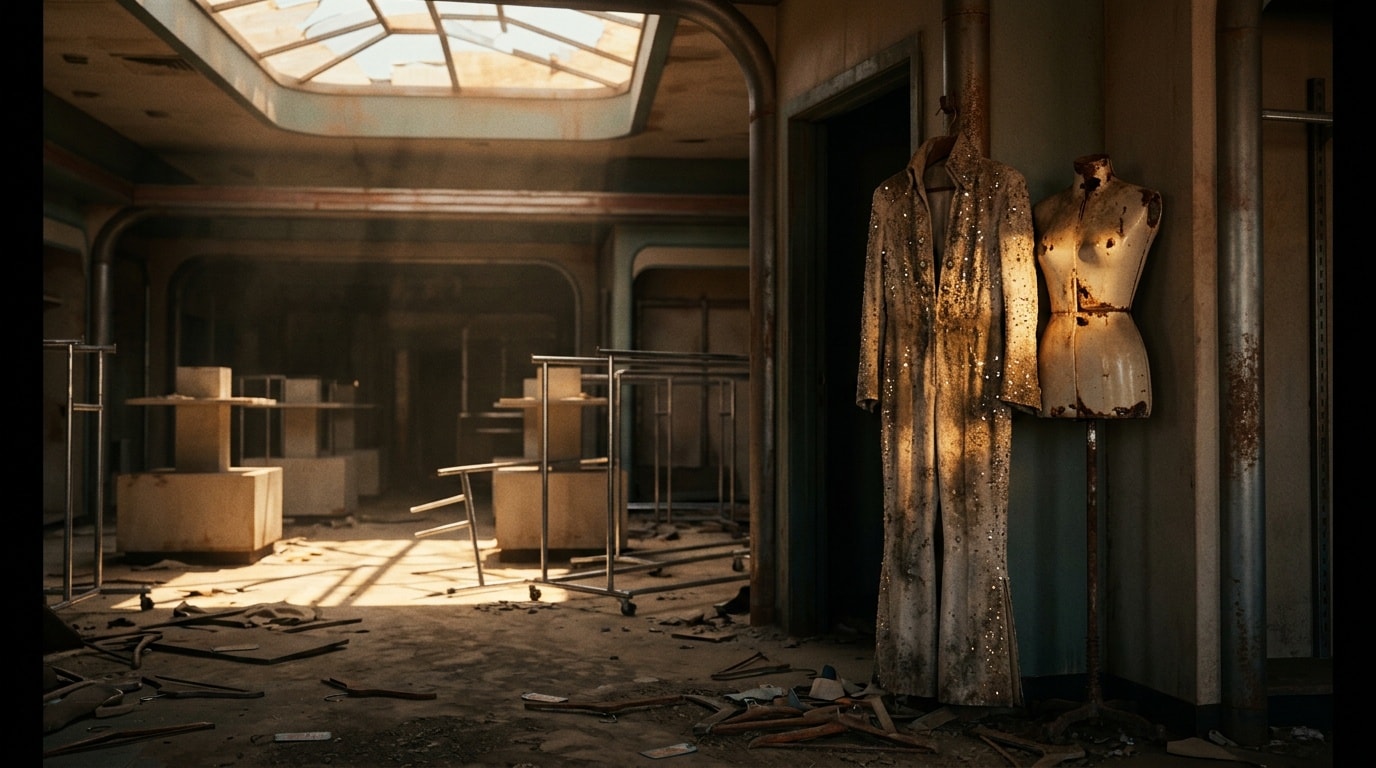
The Elvis-costumed feral ghouls at the New Vegas gates are the remains of the Kings, a formerly human faction, and their clustered appearance in intact faction costuming indicates they held together through ghoulification before a discrete collapse rather than simply dispersing over time.
Lucy Is Accidentally Restoring Cooper Howard
Cooper Howard keeps Lucy close not as a tool but as the only remaining evidence that his pre-war self was real and worth having been.