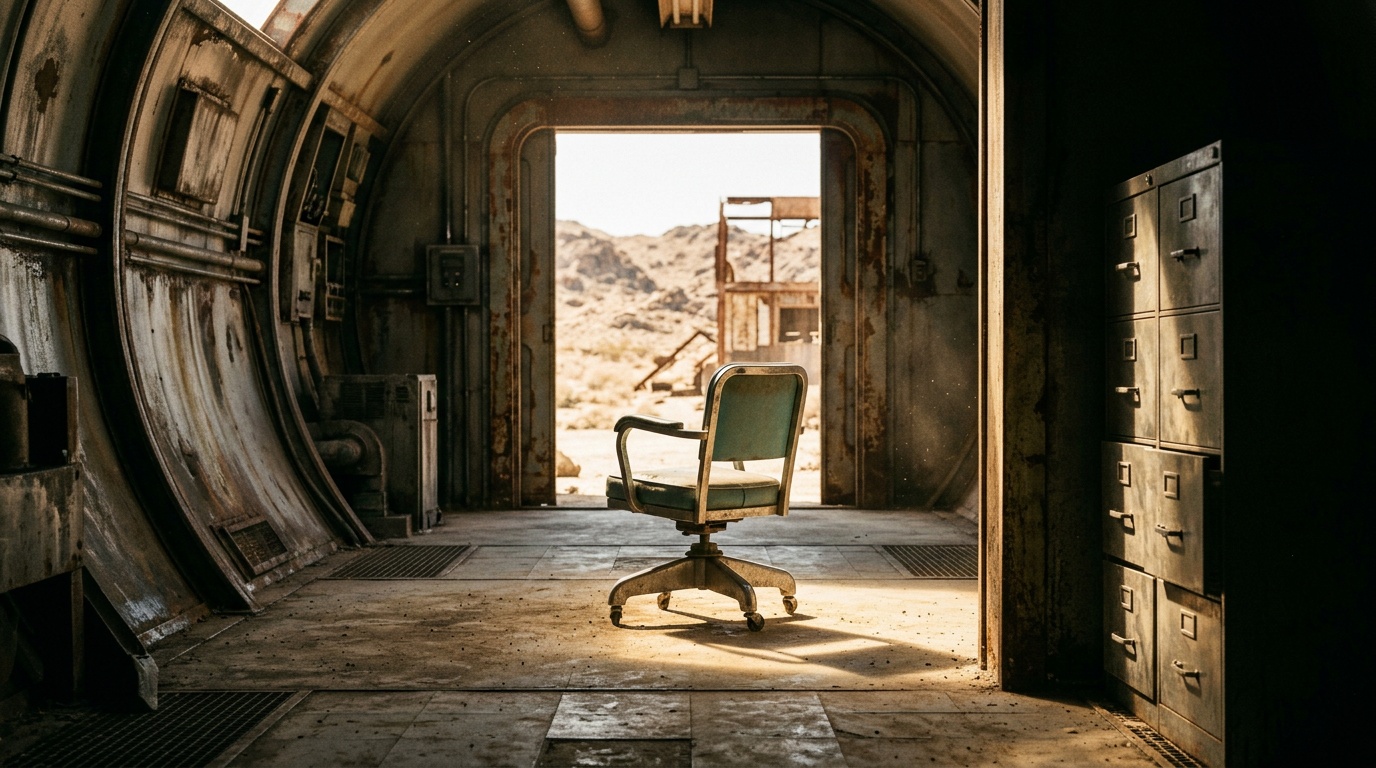
Lucy's NCR Refusal Signals Permanent Faction Rejection
THE THEORY
Lucy will not eventually find the right faction. The show is building toward a protagonist who has already concluded that institutional belonging is structurally incompatible with who she is becoming, and her quiet refusal of the NCR offer is the moment that trajectory locks in. What makes this refusal more than situational is that it arrives after the surface has already begun dissolving the person who left the Vault, which means the character rejecting the NCR is not naive Lucy hedging her bets but a version of her that has already started shedding the identity that made collective membership feel natural.
How This Theory Works
The tell is not that Lucy refuses. It is how she refuses. Rodriguez offers her a place with the NCR and she declines by saying she is looking for someone. No weighing of options, no 'maybe later,' no expressed regret. The vagueness is not diplomacy. It is the response of someone who has already closed the question. A character still open to institutional life hedges. Lucy does not hedge.
Her identical coats remark makes the structural reasoning visible. What she identifies in the NCR is not a bad faction but a familiar architecture: uniform appearance, shared mission, membership as identity. She has already run this pattern. The Vault ran it. The Brotherhood runs it with rank instead of jumpsuits. The NCR runs it with matching coats and a common cause. Lucy is not comparing factions to find a better one. She is identifying the category and rejecting it.
The weight of that recognition depends on what she is rejecting it from. If the person refusing were still Vault Lucy, the refusal could read as temporary, a feature of her disorientation that will resolve once she finds stable ground. But she is not that person anymore. The surface has been selecting against the traits that made Vault membership feel like home: the optimism, the moral legibility, the assumption that shared rules produce shared safety. What remains is someone already structurally incompatible with institutional belonging, which is why the refusal lands as settled rather than situational.
The Ghoul's warning sharpens the point rather than introducing it. He does not argue that the NCR is corrupt or dangerous. He argues that their niceness is conditional on ignorance, that institutional goodwill always has a frame, and that membership means accepting the frame as the price of belonging. Lucy is already outside the frame. She is hunting the man who destroyed the NCR's home. No coat makes that compatible, and she knows it before he says anything. His warning reads less like new information and more like confirmation of a conclusion she has already reached through a different route.
This is where the Ghoul's role becomes structurally important in a way the show has not announced explicitly. He is not warning her off the NCR out of strategic interest alone. He has already watched his own institutional identities collapse and has spent two centuries on the other side of that collapse. What he tells her about the NCR's conditional goodwill is not analysis. It is autobiography. Lucy receiving it not as revelation but as recognition suggests she is further along the same trajectory than either of them has acknowledged.
The sharpest version of this argument runs through a detail that the show treats almost as an aside. Rodriguez and Biff are packing up and leaving regardless. The offer Lucy refuses is not the NCR at full strength with safety and resources to offer. It is the NCR in dissolution, barely a faction at all. She still refuses it. If Lucy will not join an institution even as it dissolves into something small enough to barely qualify, there is no institutional version that reaches her. The trajectory does not point toward a better faction somewhere ahead. It points toward the Ghoul, permanently, and the question the show is now obligated to answer is whether it has the nerve to let that be the ending.
Is this theory convincing?
Key Evidence
Lucy's Vague Refusal of Membership
When Captain Rodriguez offers Lucy a place with the NCR, Lucy declines by saying she is looking for someone, keeping her reasons deliberately vague rather than engaging with the faction's mission.
Ghoul's Conditional Niceness Warning
After Lucy says the rangers were nice, the Ghoul immediately reminds her they would not be if they knew she was hunting the man responsible for destroying their home, framing faction goodwill as contingent on ignorance.
Lucy Choosing Smaller Partnership Over Faction
Lucy's decision to continue traveling with the Ghoul rather than join a surviving institutional force reflects a conscious preference for an unaligned, two-person arrangement over collective membership.
Identical Coats Observation
Lucy's remark that all she sees in the NCR's company are more identical coats directly echoes the conformity she rejected when leaving Vault 33, linking faction belonging to her original escape from institutional sameness.
NCR Rangers Departing Camp Anyway
Rodriguez and Biff reveal they are packing up and leaving regardless, which means Lucy's refusal is not a missed opportunity for safety but a symbolic rejection of what the faction represents even as it dissolves.
Other Theories for S2E04
The Deathclaw Was a Doctrine, and Cooper Howard Was Designed to Be Its Blind Spot
The U.
The Brotherhood Is Already Splitting Apart
The Brotherhood of Steel is not approaching civil war but is already past the point at which institutional authority can resolve the conflict, with the Coronado chapter conducting independent assassination negotiations and Quintus treating a diplomatic incident as a war pretext while both men use identical Brotherhood language to authorize actions that cancel each other out.
Cooper Lied to Save Charlie, Not Himself
Cooper Howard sent Charlie away with a false retreat order not to protect a friend but because he had already decided that certain knowledge belongs only to him.
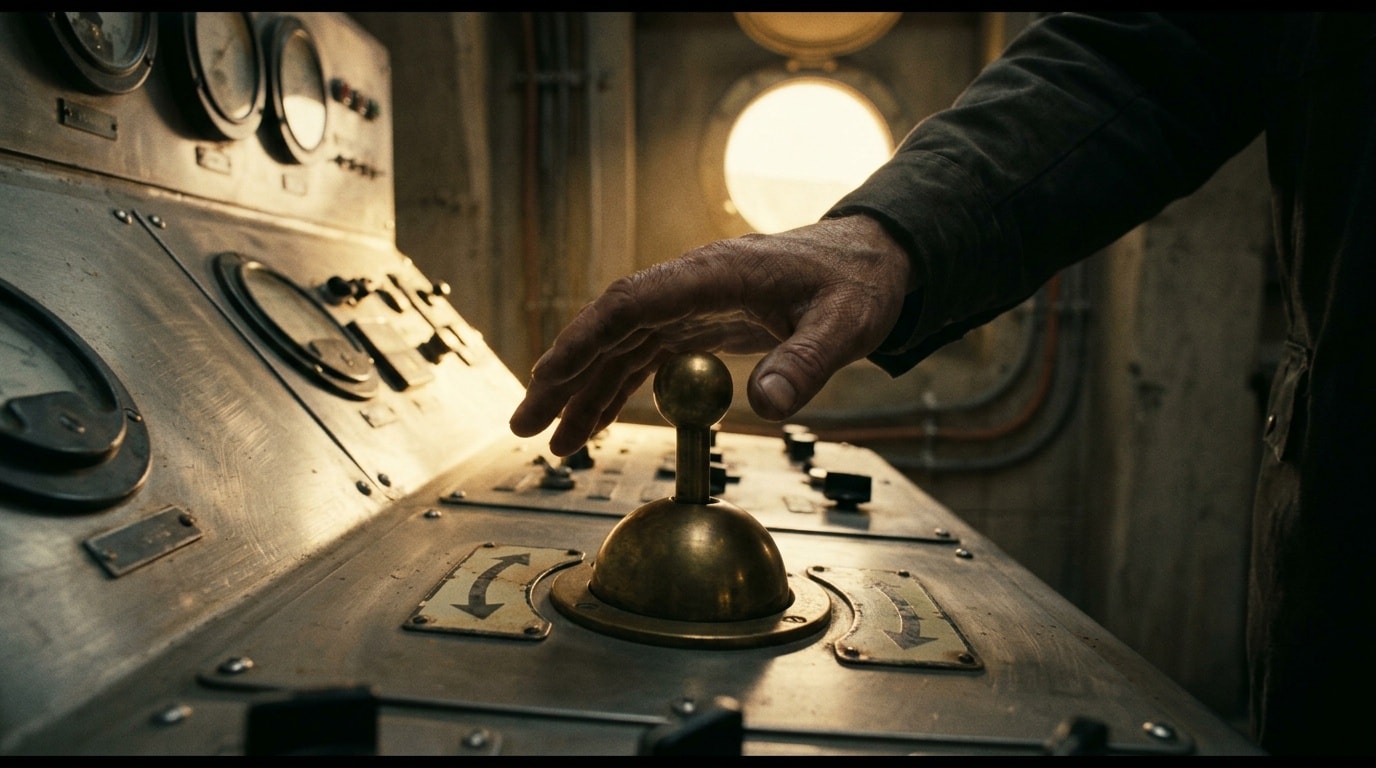
Maximus Cannot Choose, Only React
Maximus will never be the agent of change the Brotherhood's internal crisis requires, because his arc is not building toward a decision but confirming that he is constitutionally incapable of making one.
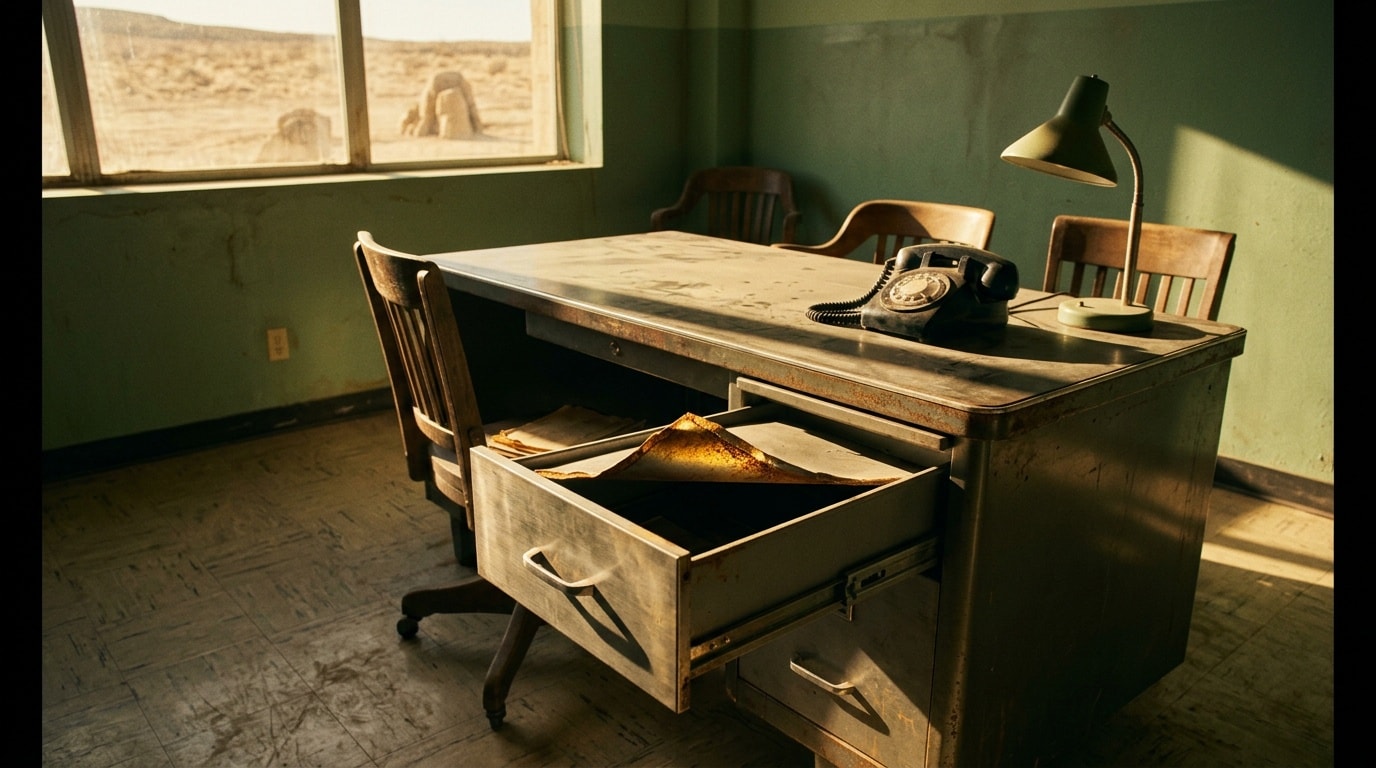
Steph's Hidden ID Marks Her as a Plant
Stephanie was placed inside the vault system before the war as a deliberate institutional actor rather than an ordinary dweller, a conclusion forced by the discovery of a pre-war Canadian identification document she actively concealed beneath a false bottom in her quarters.
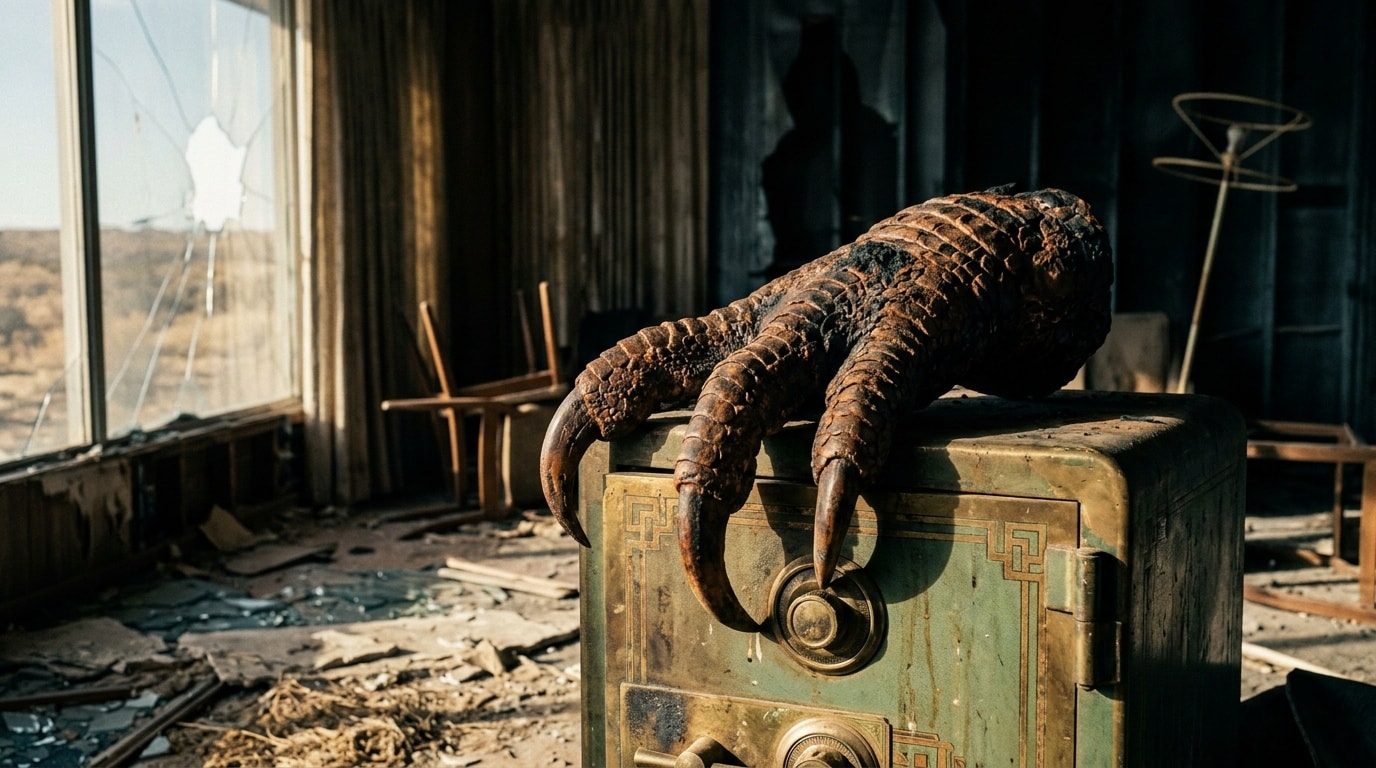
Alaska's Deathclaw Has Survived to New Vegas
The deathclaw occupying the Lucky 38 in New Vegas is the same creature that spared Cooper Howard on the Alaskan front during the Sino-American War, making it a two-century survivor that has already made one active choice about Cooper's life.
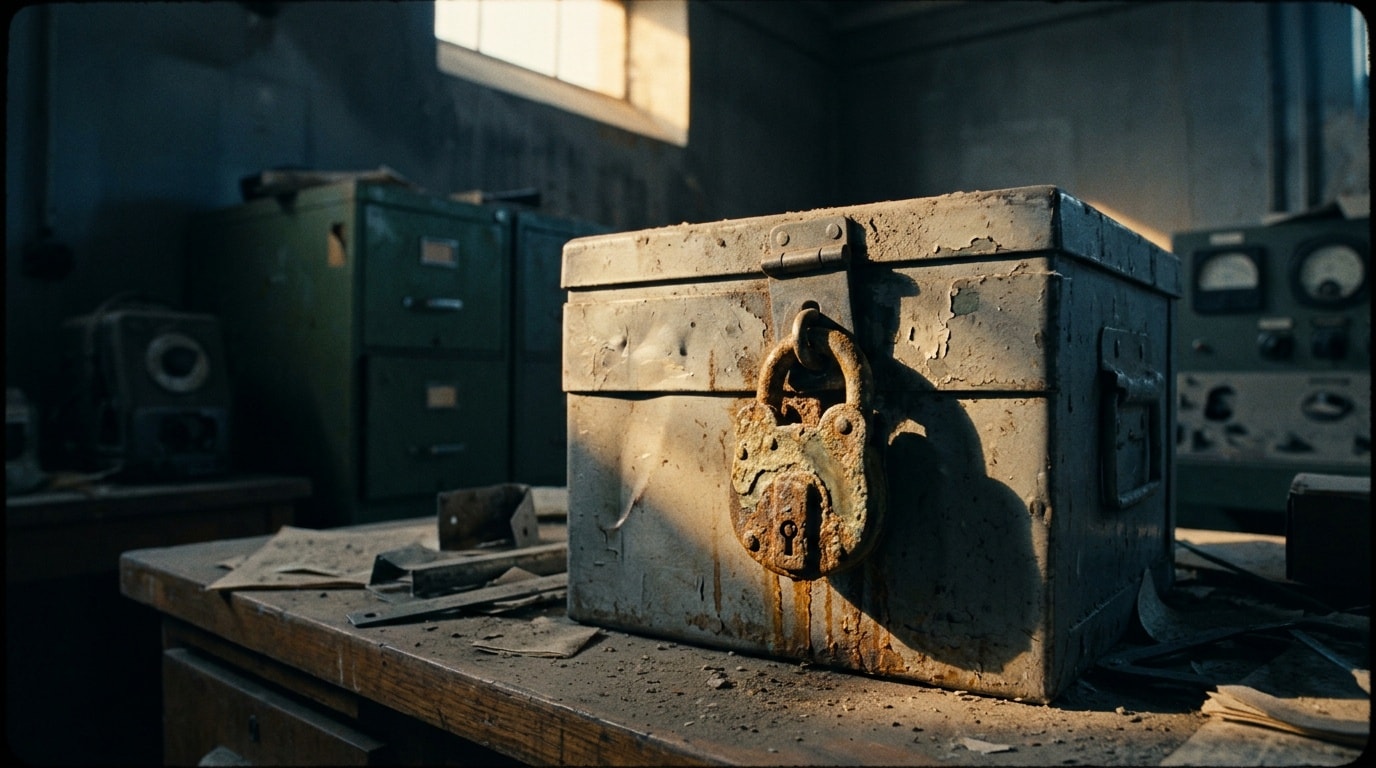
Hank's Locked Box Controls Vault Water
Betty's offer of Vault 33's water supply in exchange for Hank's locked pre-war box is not a measure of the box's value -- it is a measure of her exposure to whatever is inside it.
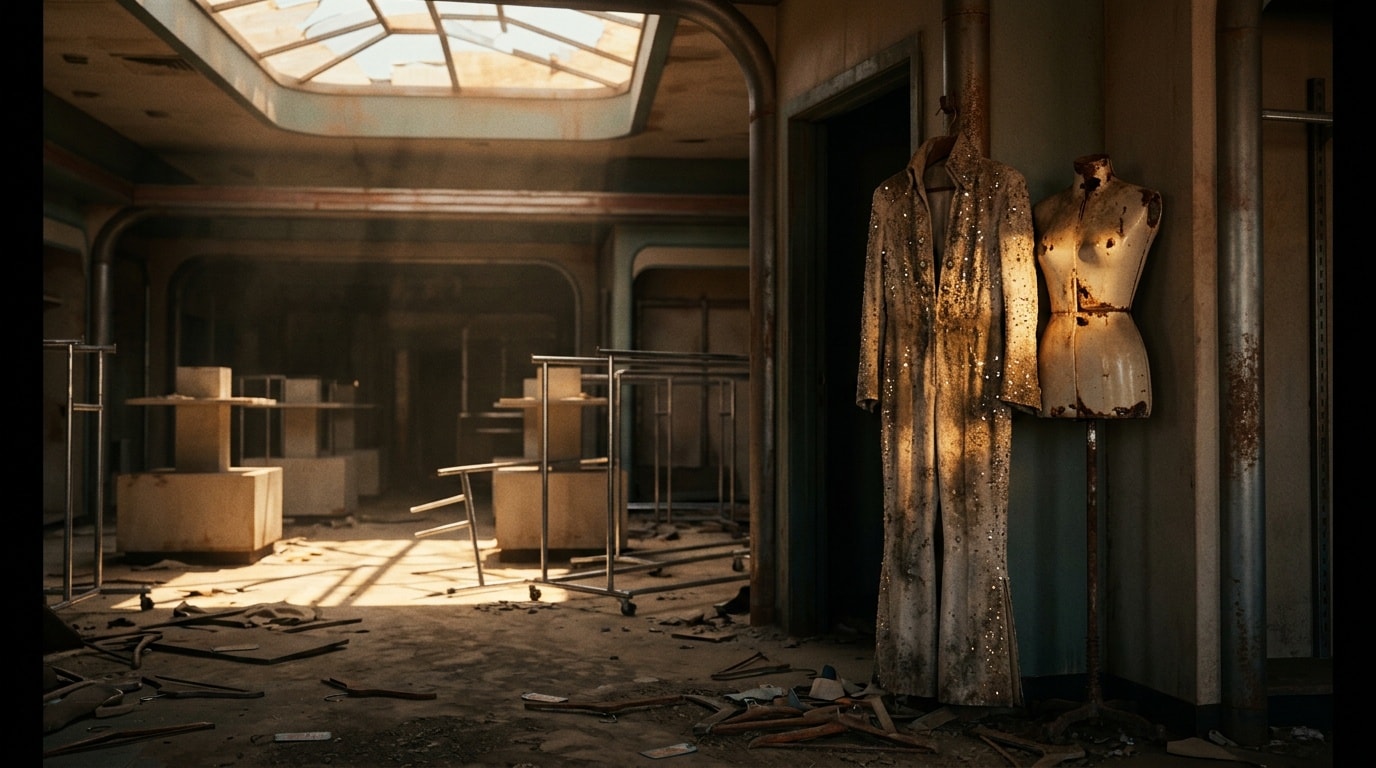
The Kings Went Feral Between Games and Show
The Elvis-costumed feral ghouls at the New Vegas gates are the remains of the Kings, a formerly human faction, and their clustered appearance in intact faction costuming indicates they held together through ghoulification before a discrete collapse rather than simply dispersing over time.