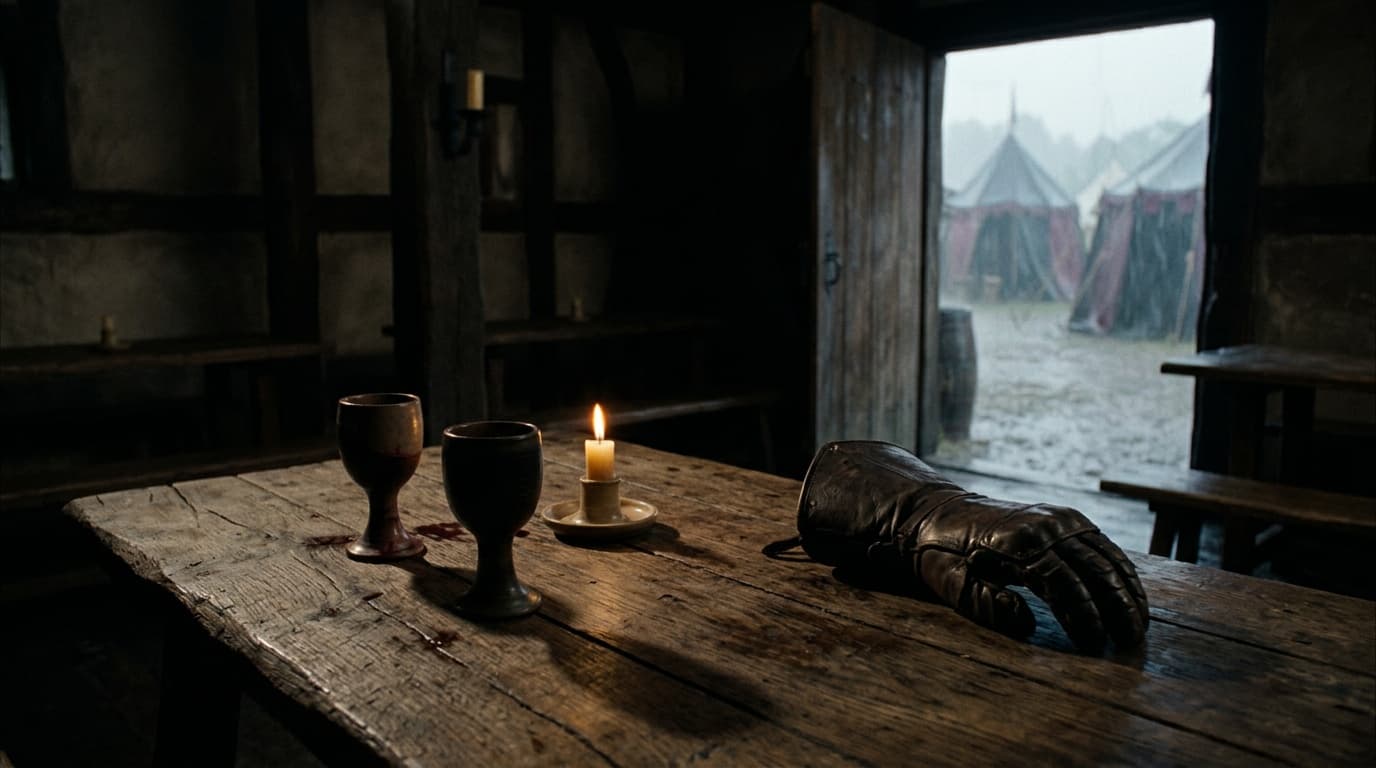
Daeron Dreams of Dunk Killing a Dragon
Plausibility Score
(?)Convinced
(?)#159
of 743 theories
Theory Ranking
(?)READER VERDICT
Is this theory convincing?
Trend builds after 10 votes.
Be among the first to weigh in.
THEORY ASSESSMENT
The episode confirms Daeron's prophetic ability, Aerion's dragon self-conception, and the trial of seven as the imminent conflict, giving the theory three interlocking structural supports — though the dream's fulfillment remains unconfirmed and the specific outcome of the trial has not yet aired.
STORY CONTEXT
This thread tracks theories about Prince Daeron's apparent recognition of Dunk and whether his drunken visions are genuine dragon dreams, connecting his cryptic words to larger questions about Targaryen prophecy.
ACTIVE SIGNALS
This theory ranks among the most-contested in the Theory Atlas catalog — a grounded competing reading meaningfully challenges the dominant interpretation.
WHY THIS MATTERS
If Daeron's dream maps onto the trial of seven with Aerion as the dead dragon, then the show has embedded a confirmed prophecy system into its structure where the audience is invited to decode outcomes before they occur. Daeron's drinking is recast not as weakness but as the psychological weight of foreknowledge he cannot share.
ALTERNATE INTERPRETATION
A minority reading in the evidence argues the dream's timeline is longer than the trial of seven and the dead dragon points not to Aerion but to the broader extinction of Targaryen power — with Dunk's survival representing a hedge knight outlasting a dynasty. This reading foregrounds the political instability hinted at throughout the tourney and treats the dream as dynastic prophecy rather than immediate plot prediction.
Adjacent Reading — Not a Competing Theory
Other Theories for S1E04
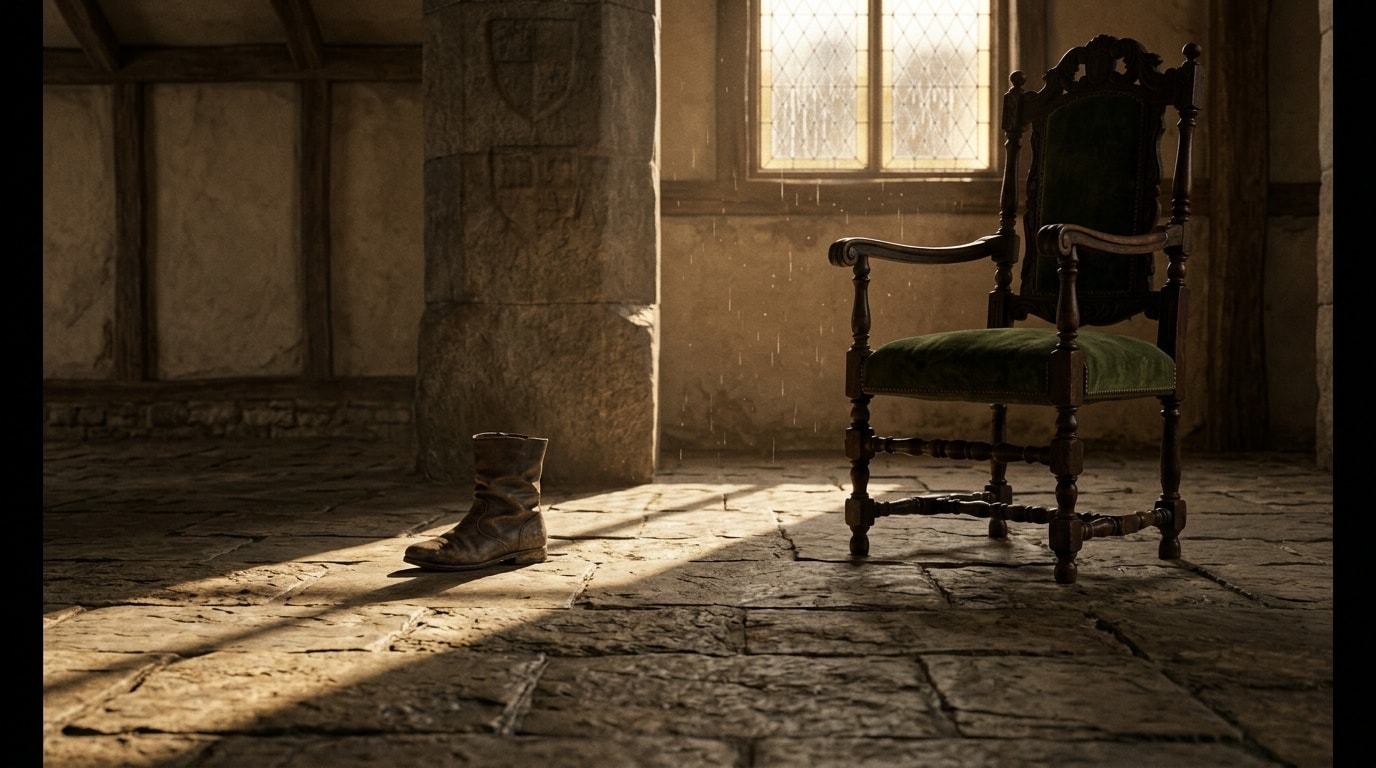
Baelor Chose Honor Over Blood
Baelor Targaryen's support for Dunk is not honor overcoming politics but a calculated displacement of his own unresolvable conflict: he has privately concluded that legitimacy derives from conduct rather than birth, but he will not say so and survive, so he engineers a legal mechanism that might say it for him.
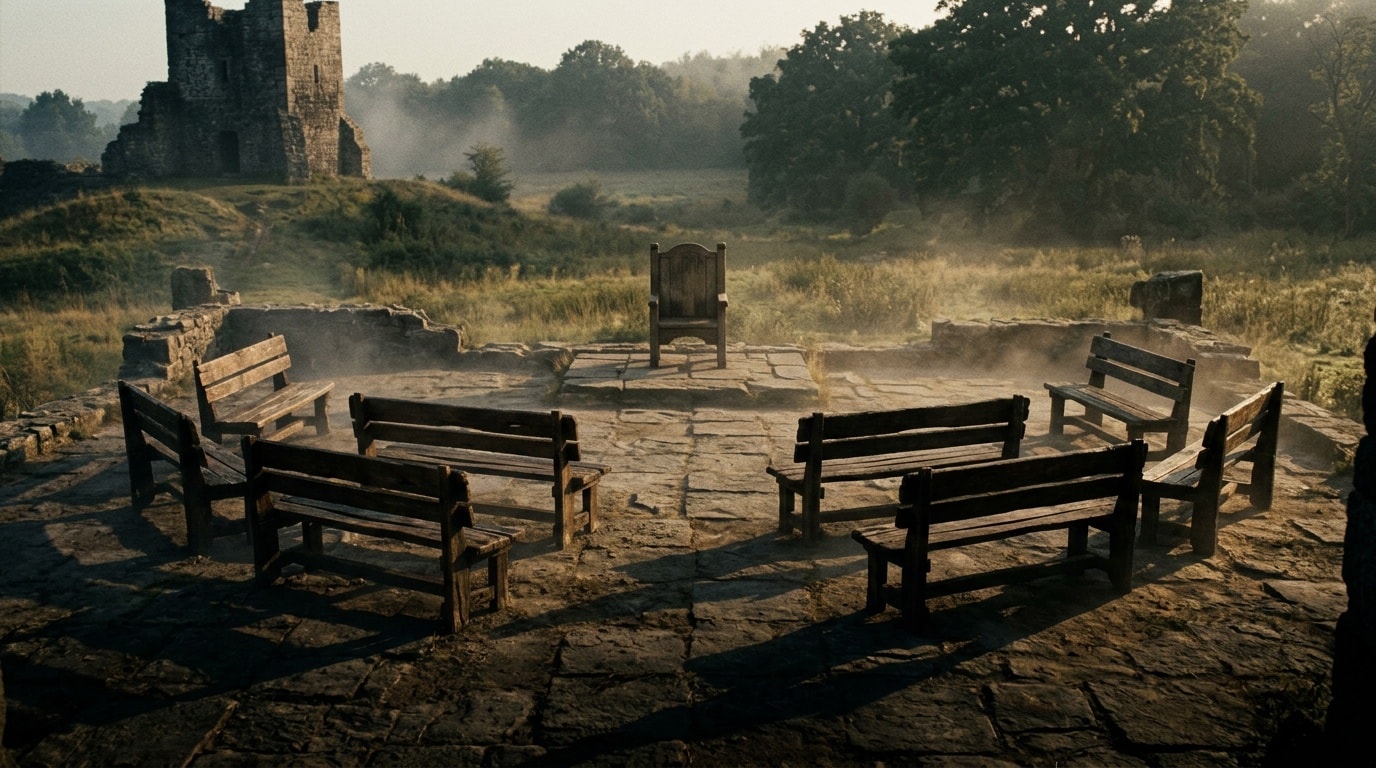
Nobody Wants to Fight a Targaryen
The trial of seven is a mechanism for converting Targaryen political dominance into a legal verdict: if no knight will risk royal displeasure to stand beside Dunk, that silence becomes proof of his guilt.

Dunk's Hesitation Discloses a Broken Chain: Two Fabricated Legitimacies, One Shared Silence
When Dunk says 'I shouldn't' before knighting Raymun, the show covertly discloses that Ser Arlan never formally knighted him, leaving a broken chain of conferral at the foundation of every legal right the episode depends on.
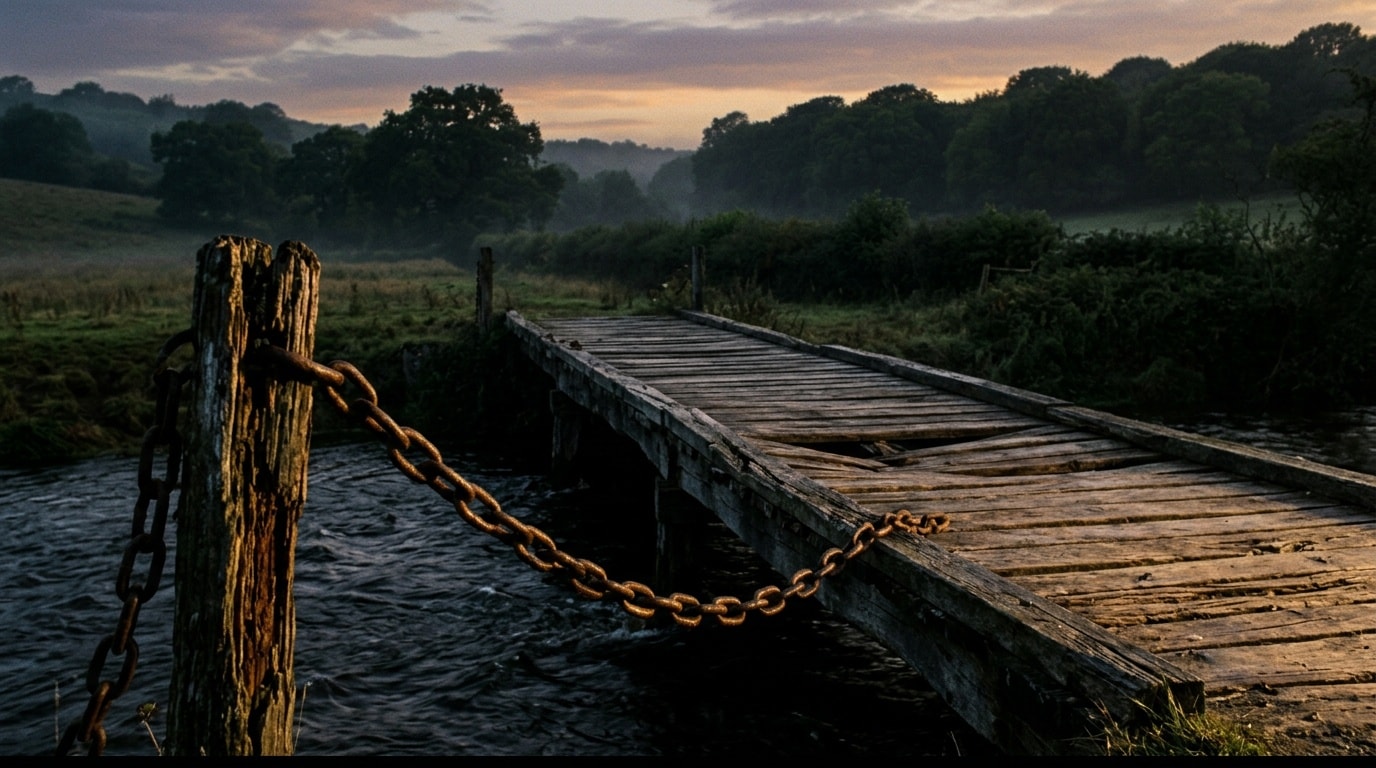
Aerion Thinks He Is Literally a Dragon
Aerion's dragon delusion is confirmed, but what the show has not yet made explicit is its structural consequence: Aerion has exited the shared framework of reality that law, family, and reason operate within, which means every institution trying to check his violence is reasoning in a language he no longer speaks.
Dunk's Moral Sincerity Is the One Thing the Westeros Architecture Was Never Built to Stop
The show is running the same argument through two registers at once: behaviorally, Dunk's unconditional goodness forces every character whose identity depends on the knightly-oath gap remaining unexamined into either honesty or a more naked form of dishonesty; symbolically, the elm on his shield names what that quality is.