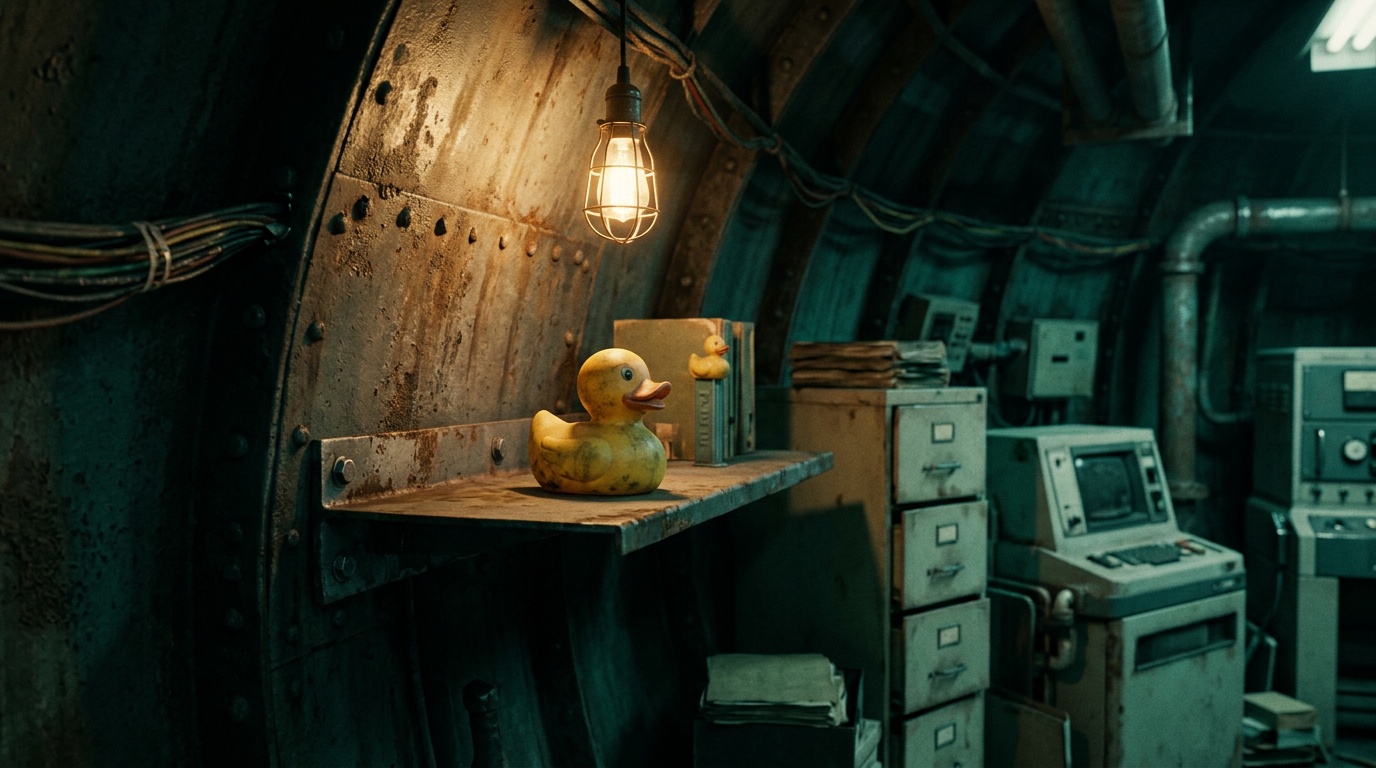
The Duck Dispenser Traces the Silo's Founders
THE THEORY
Helen carried the rubber duck Pez dispenser into Silo 18 at its founding, making her a direct link between the silo's creators and the rebellion Juliette now leads. The dispenser's survival as contraband across centuries is not incidental but traces a specific chain of concealment from the last days of the old world to the present crisis. The congressman who gave Helen the dispenser may be among the silo's architects, meaning the object passed from the trap's designers into its population and back out as the instrument of revolt.
How This Theory Works
The Pez dispenser makes an uncomfortable conclusion difficult to avoid: Helen carried a throwaway gift from the last days of the old world into Silo 18, and that object spent centuries underground before resurfacing as contraband powerful enough to get people killed. The specific mechanism the show has not resolved is how the dispenser moved from Helen's hands at the founding into George Wilkins's possession hundreds of years later -- whether it passed through family inheritance, deliberate concealment across generations, or some form of institutional handling that contradicts the rebellion's understanding of it as an organic relic. That transmission chain matters because it determines whether Helen was a passive carrier or an active participant in what the silo became.
The detail that the congressman bought the dispenser on impulse at a convenience store eliminates any possibility it was a curated artifact. It was a throwaway gift, the kind of object that survives only if the person who received it chose to keep it and carried it underground. Helen is the one who received it. The show places her in a scene where she presses the congressman on whether the government is misrepresenting Iran's responsibility for a dirty bomb attack, positioning her as someone alert to institutional deception rather than a passive civilian. That awareness makes her a credible candidate for someone who understood what the silos were before she entered one.
If the congressman is a silo architect or insider, then the dispenser passed from the people who designed the trap into its founding population and then surfaced three centuries later as a contraband object that catalyzed the current rebellion. The object does not just connect two timelines. It connects the people who built the trap to the people now trying to escape it, and it raises the possibility that Juliette's rebellion was set in motion by a human relationship the silo's architects never accounted for.
Is this theory convincing?
Key Evidence
Identical Duck Dispenser On Screen
The rubber duck Pez dispenser the congressman gives Helen in the Washington D.C. flashback is visually identical to the relic that George Wilkins gave Juliette in Silo 18, appearing in both timelines as the same object.
Impulse Purchase Origin Story
The congressman describes buying the dispenser on a whim at a convenience store near his apartment, establishing that the object had no official significance before it entered the silo, which means someone carried it in deliberately as a personal item.
Helen as Dispenser's Recipient
Helen receives the duck Pez dispenser directly from the congressman in the flashback, making her the most probable carrier of the object into whichever silo it eventually entered.
Relic's Role in Silo 18 Rebellion
The Pez dispenser was an illegal relic in Silo 18 that George Wilkins passed to Juliette, and its contraband status suggests it survived through generations of concealment rather than official preservation.
Helen Questioning Government Deception
In the D.C. scene Helen questions the congressman about whether the U.S. government is misrepresenting Iran's responsibility for a dirty bomb attack, positioning her as someone who recognizes institutional deception and might have understood what the silos truly were.
Object Surviving Centuries Underground
A plastic novelty dispenser surviving hundreds of years in a sealed underground environment implies it was preserved with some care, consistent with someone having treated it as a meaningful personal object rather than discarded it.
Other Theories for S2E10
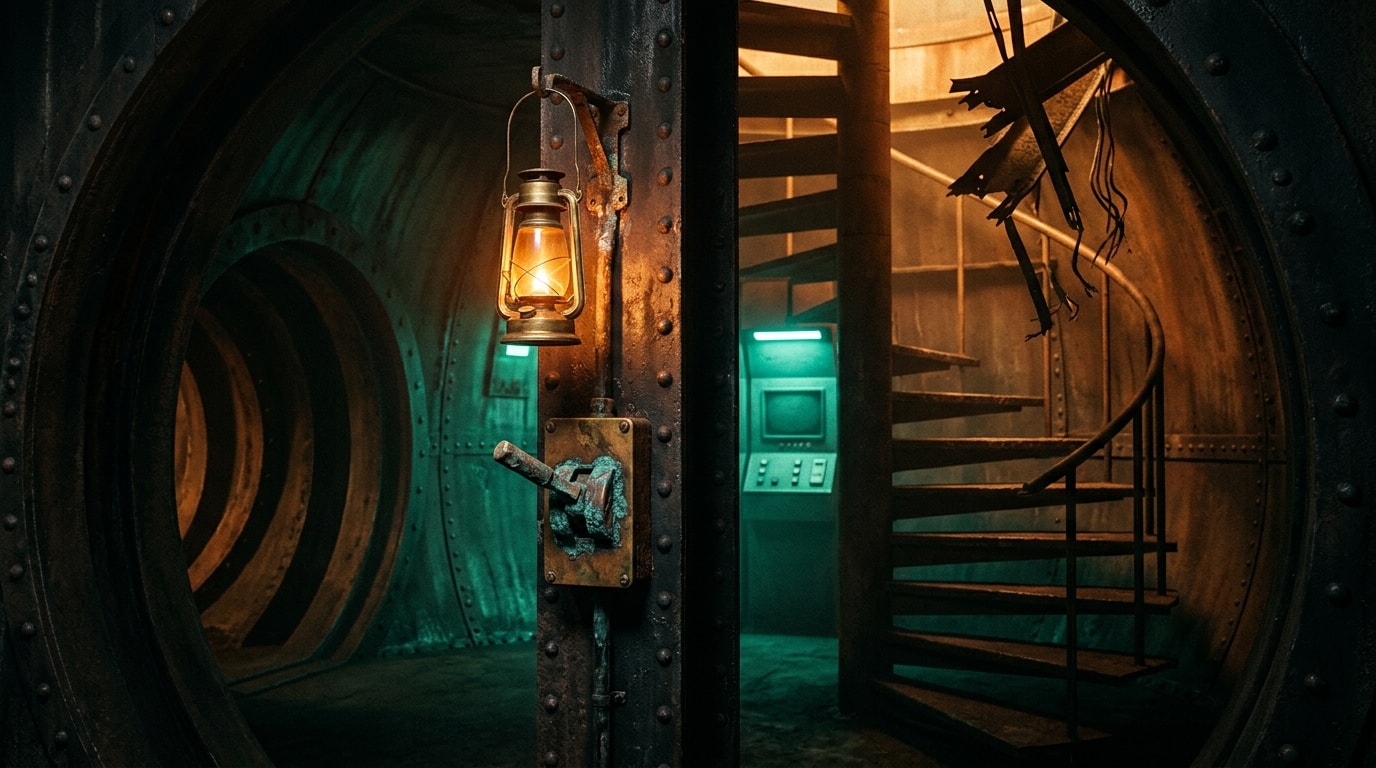
Pete's Sacrifice Permanently Splits the Silo
Pete Nichols did not destroy three levels of stairs to win a battle.
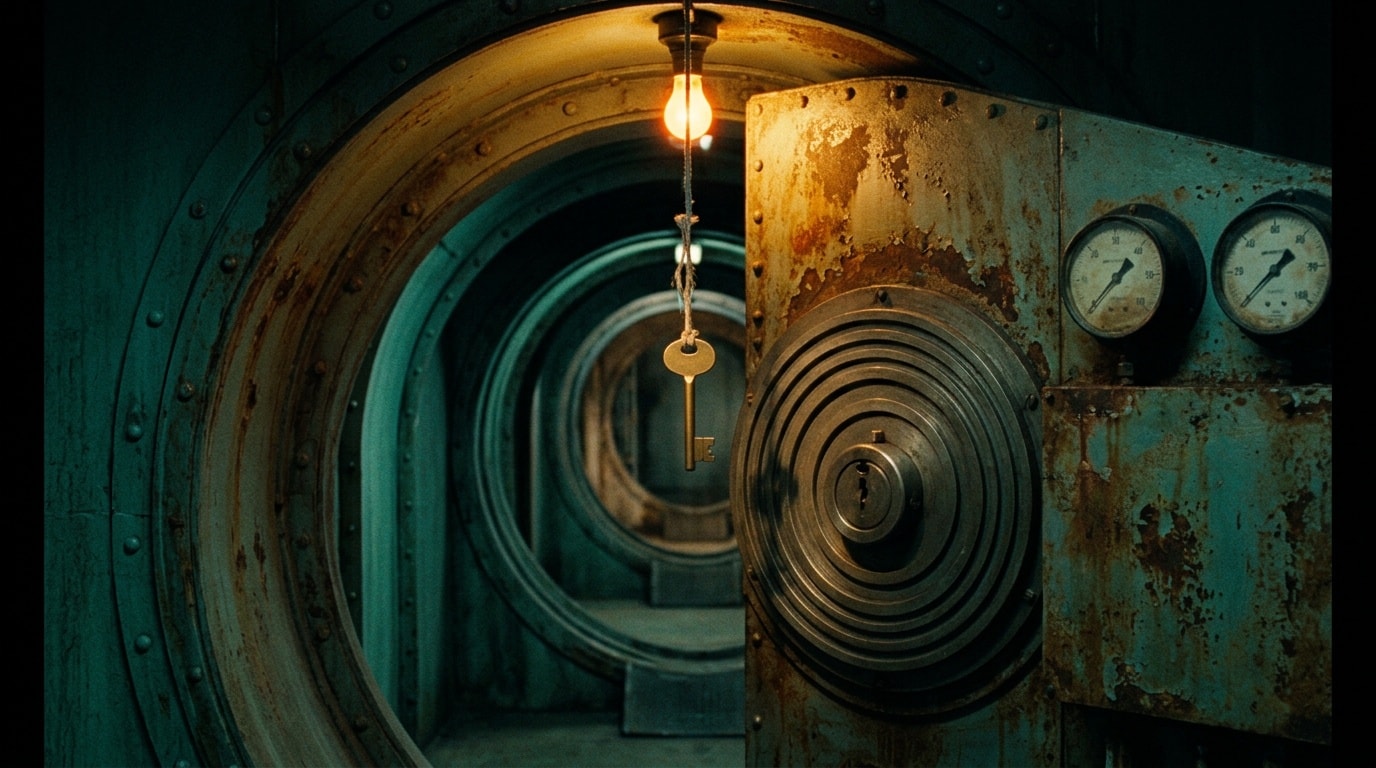
Bernard's Surrender Was Psychological Collapse, Not Calculation
Bernard's transfer of the vault key and its code to Sims is psychological collapse disguised as institutional handover: a man who built his identity around managing the silo discovering, through Lukas's disclosure, that the system he served was structured against the survival he thought he was protecting.
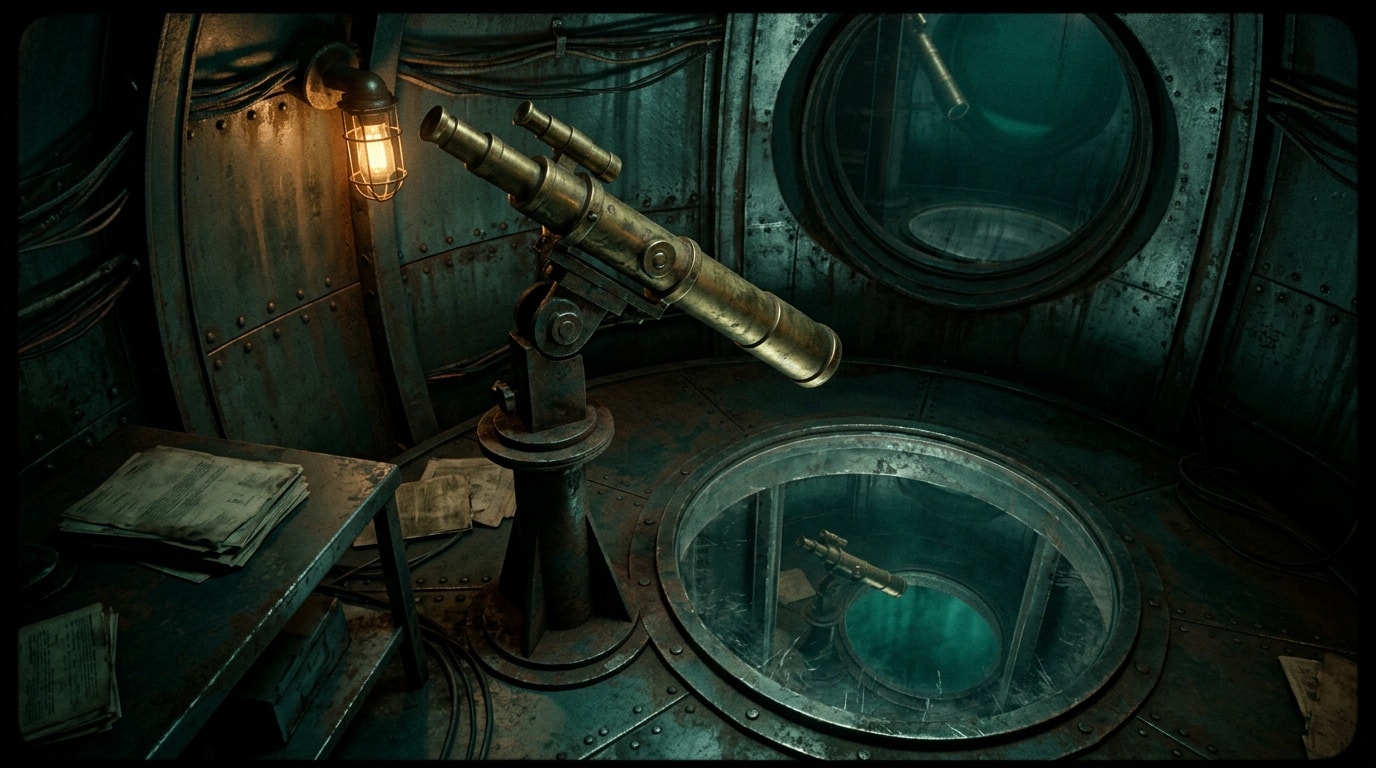
Iran's Dirty Bomb Built the Silos
The dirty bomb attributed to Iran was not the event that made the silos necessary.
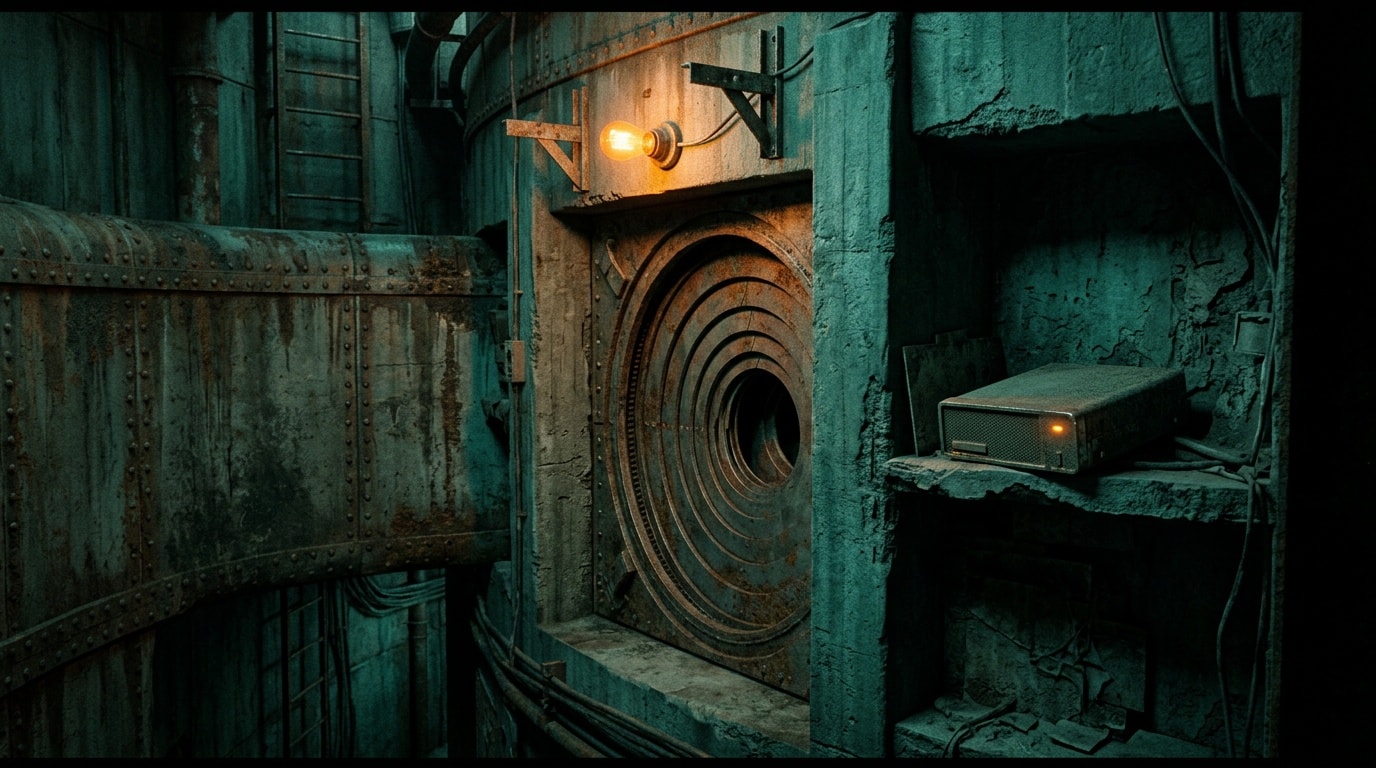
The Silos Are Secretly Connected Below
The steel door George discovered at the silo's base, documented in hard drive blueprints before anyone in Silo 18 could explain its purpose, points to designed inter-silo infrastructure that the governing structure has suppressed rather than sealed.
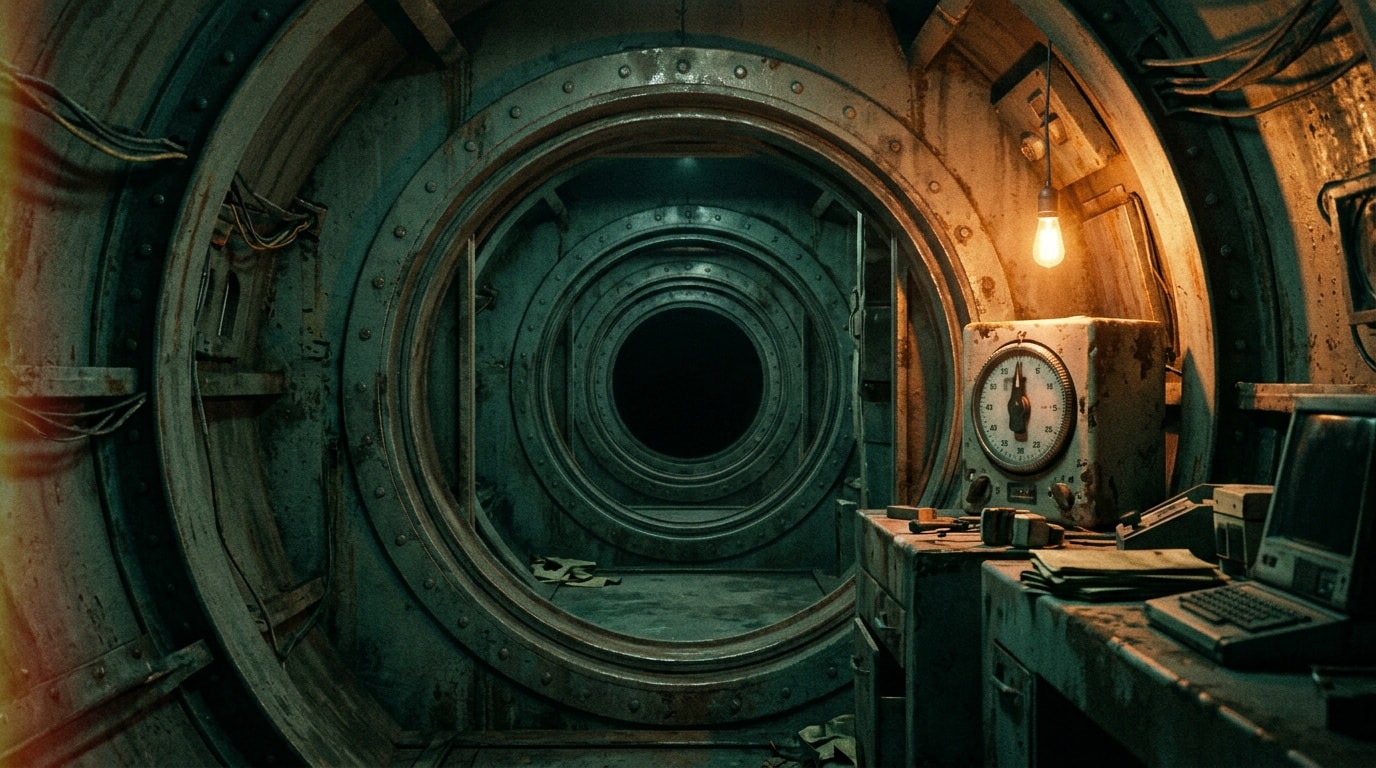
Bernard Walks Out of the Fire
Bernard survived the incinerator, and the show's deliberate refusal to confirm his death on screen is a structural commitment to his return in season 3.