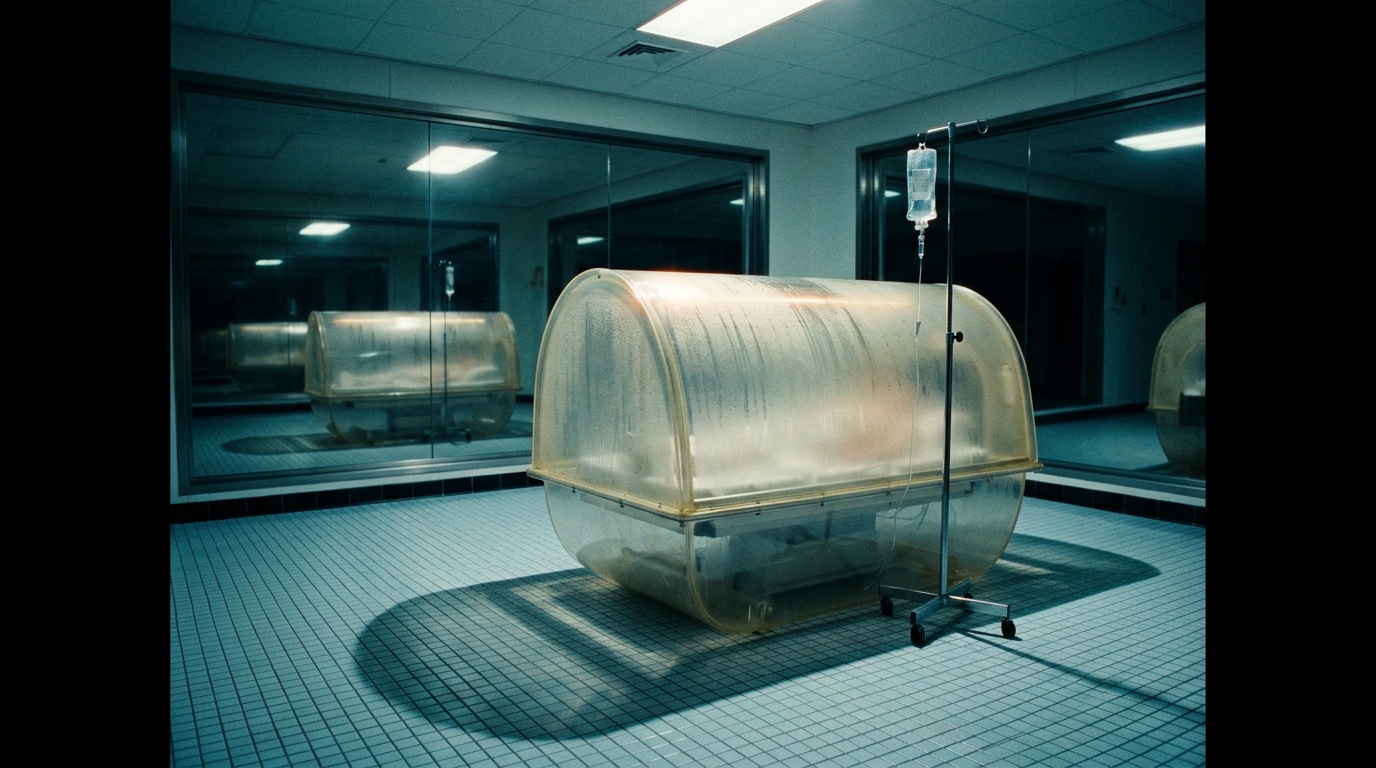
Petey's Death Was Preventable, Not Inevitable
THE THEORY
Reintegration is survivable under proper post-operative care, which means Lumon's implied death sentence around the procedure is manufactured rather than medical. Asal Reghabi's account of Petey's death repositions his fate as a compliance failure rather than a technological one, making her the sole operative who can offer Mark a viable exit. That offer, however, is less a rescue than a transfer of custody from Lumon to Asal, with obedience still the price of survival.
How This Theory Works
Asal Reghabi is not a whistleblower or a liberator. She is a surgeon who has already lost one patient to non-compliance, and she is recruiting a replacement subject. Her claim that Petey died because he ran rather than because the procedure failed is true as stated, but it is also the only version of events that allows her to approach Mark without him walking away. The correction she offers is not neutral information. It is the precondition for his consent.
This matters because it reframes the risk Lumon manufactures around reintegration. The company benefits from workers believing that escape through reversal is fatal. If Asal is right, that fear is not a medical fact. It is a policy enforced through information suppression. The procedure is survivable. What Lumon controls is not the technology but the story told about it, and Petey's death provided the perfect proof of concept for that story without Lumon needing to falsify anything.
Asal's murder of Graner in the same scene where she delivers this reassurance is the clearest signal of what she actually is. She is not offering Mark freedom. She is offering him a supervised exit under her authority, on her timeline, contingent on his compliance with her instructions. She tracked Petey after the procedure. She monitored for Mark's retention of Petey's phone as a readiness signal. She already knows where his chip sits. The pitch she makes, follow my instructions and you will not end up like Petey, is structurally identical to the control Lumon exercises, except the compliance is owed to her. Mark is not being freed from a system. He is being transferred into a smaller one, run by a person who has already demonstrated she will kill to protect her position in it.
Is this theory convincing?
Key Evidence
Asal's Direct Denial of Procedure
Asal explicitly tells Mark 'the procedure didn't kill Petey,' directly contradicting the implication that reintegration is inherently fatal.
Post-Op Instructions Petey Ignored
Asal states that if Petey had followed her post-operative instructions instead of running away, he would have survived, placing the cause of death on non-compliance rather than the procedure.
Asal as Reintegration Surgeon
Asal tells Mark she put the chip in his head and is still the only one who can deactivate it, establishing her as the operative who performed Petey's reintegration and who has direct technical authority over Mark's severance.
Graner's Keycard as Next Step
Immediately after explaining Petey's survivable death, Asal gives Mark Graner's security keycard and tells him his innie will know what to do, framing the reintegration pathway as an active plan rather than a cautionary tale.
Petey's Phone Kept as Signal
Asal's first question to Mark is why he did not throw away Petey's phone weeks ago, suggesting she was monitoring for it as a contact point and that Mark's retention of it was the sign she needed that he was reachable.
Other Theories for S1E07

Reghabi Ran This Operation From Inside Lumon
Reghabi's killing of Graner was a planned operational step, not a reactive one, and the keycard she immediately stripped from his body was the mission objective all along.
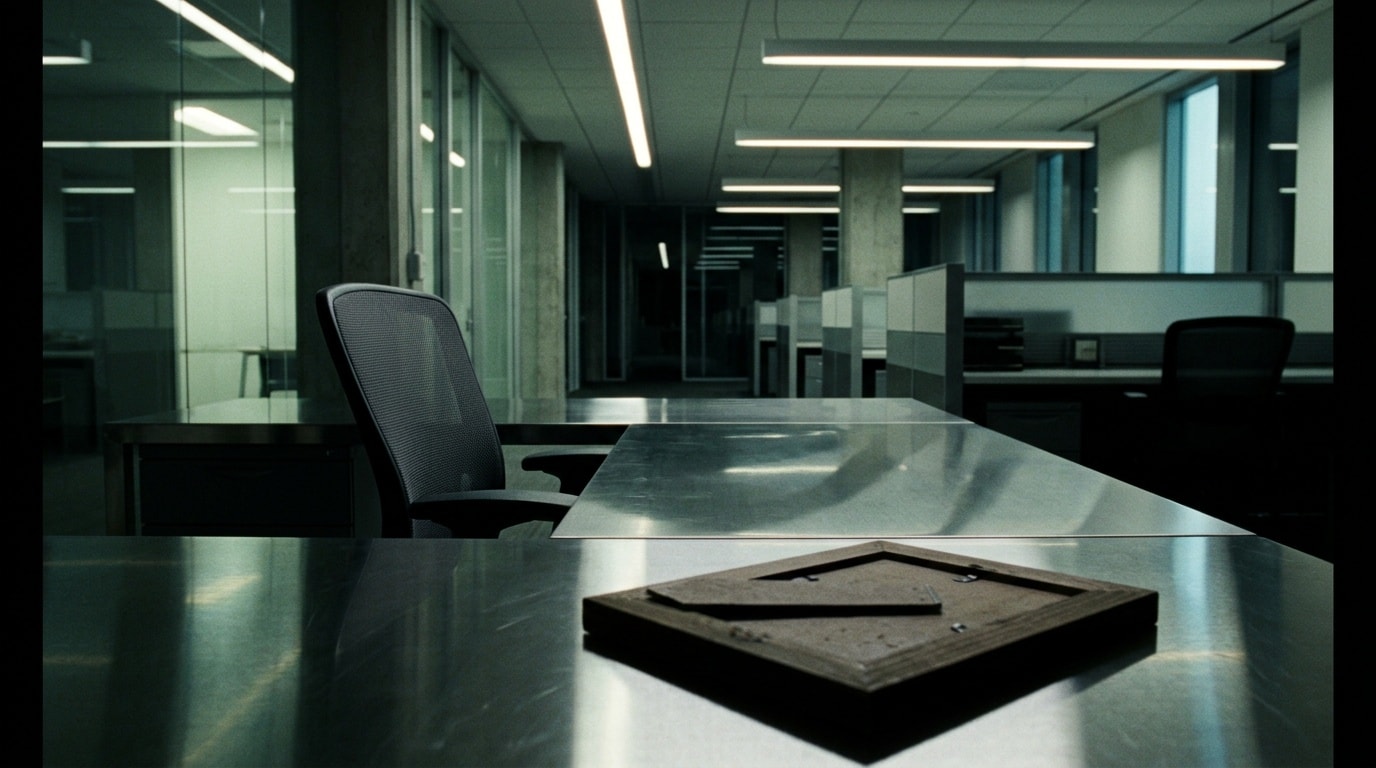
Dylan's Son Converts Him Into Lumon's Enemy
Dylan's discovery of his son has relocated his primary loyalty away from Lumon in a way the institution's reward and compliance systems cannot reverse, because those systems assume no attachment strong enough to override them exists.
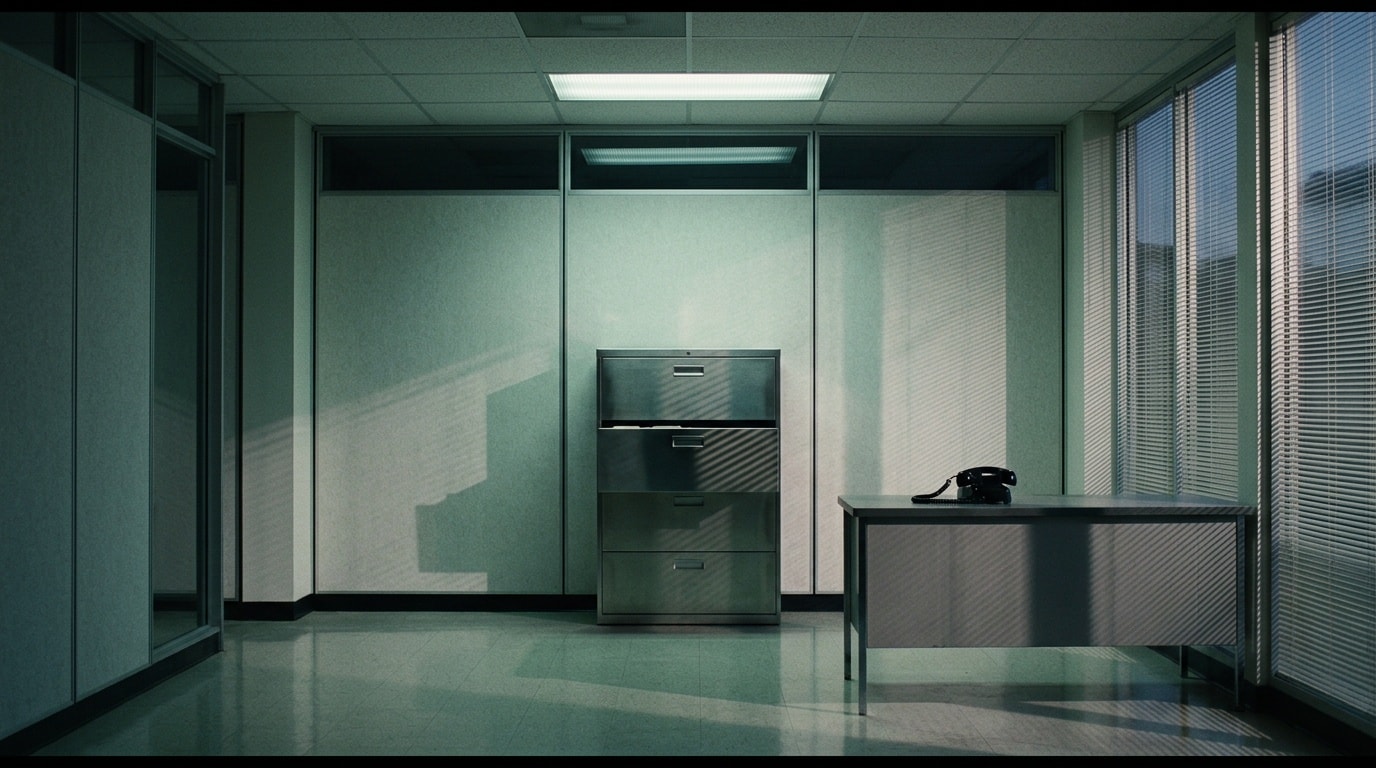
Dylan Is Commandeering Lumon's Control Architecture From Inside the Fracture It Created
Dylan's mutual blackmail standoff with Milchick is not a personal grievance but a precisely calibrated institutional exploit: Milchick's unauthorized OTC deployment created a chain-of-command corruption that cannot be formally addressed without exposing itself, and Dylan is now using that fracture to position himself as the instrument through which Lumon's own control mechanism can be seized.
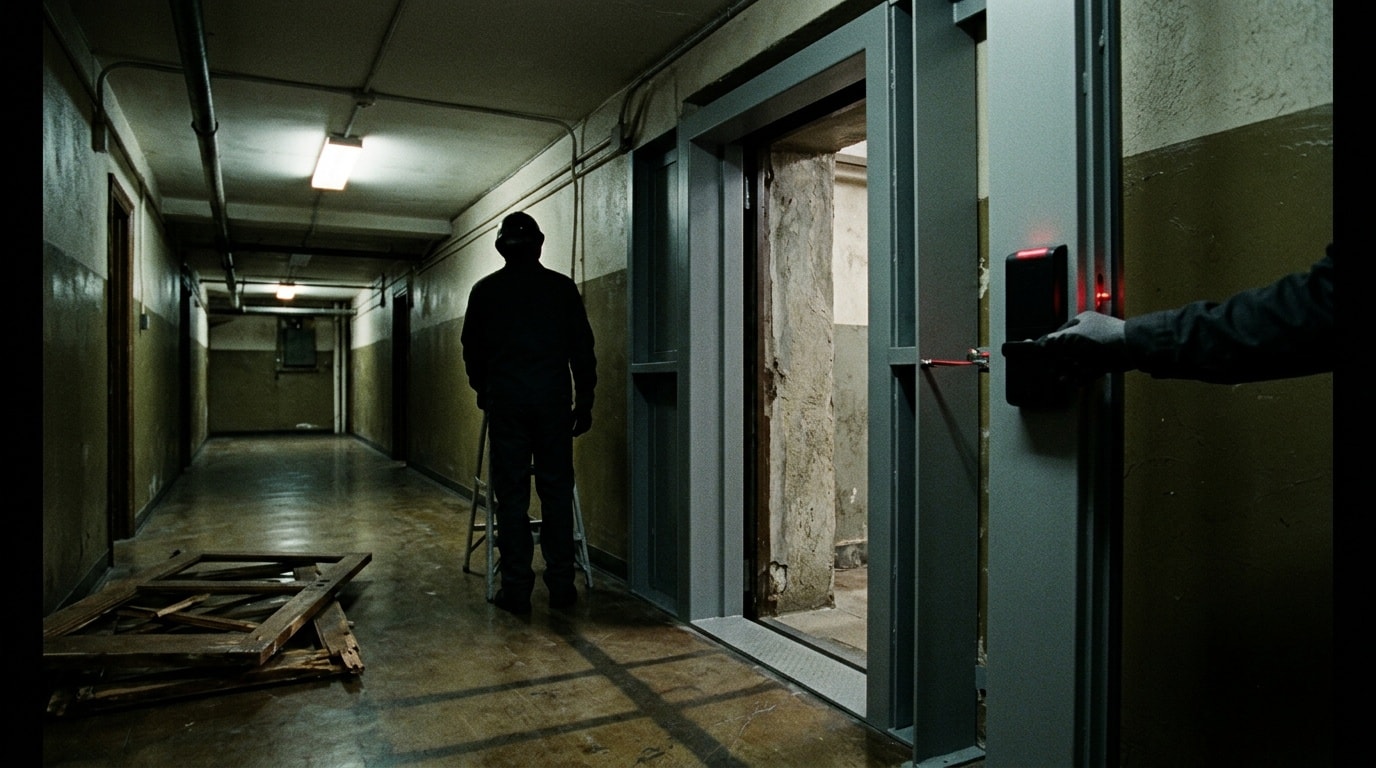
New MDR Doors Are a Physical Containment System
Lumon's installation of new MDR doors following the O&D breach reveals that the severance system was always built to require physical containment of innies, not merely psychological control, and that the original architecture assumed compliance would make enforcement unnecessary.
Cobel Knows Mark's Trash Schedule by Design
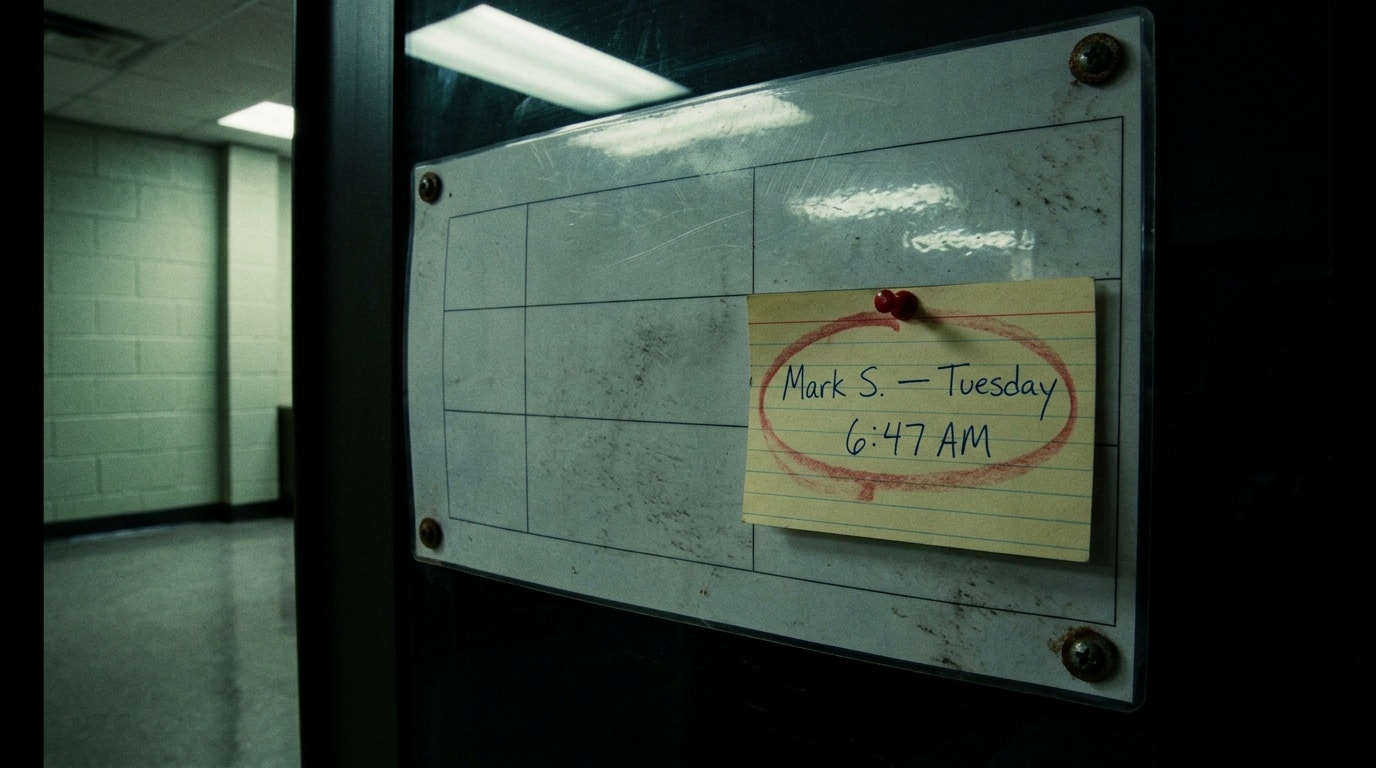
Cobel's knowledge of Mark's trash schedule reflects a behavioral baseline built through sustained, granular surveillance that exceeds any plausible institutional mandate, suggesting her investment in Mark is personal rather than merely operational.

Graner's Death Forces Cobel to the Board
Cobel will walk into her board meeting at the Egan family gallery believing she controls the narrative around Graner's death, but Graner's security keycard is already in Mark's hands without her knowledge, meaning she will present the board with a complete account of an incomplete situation.