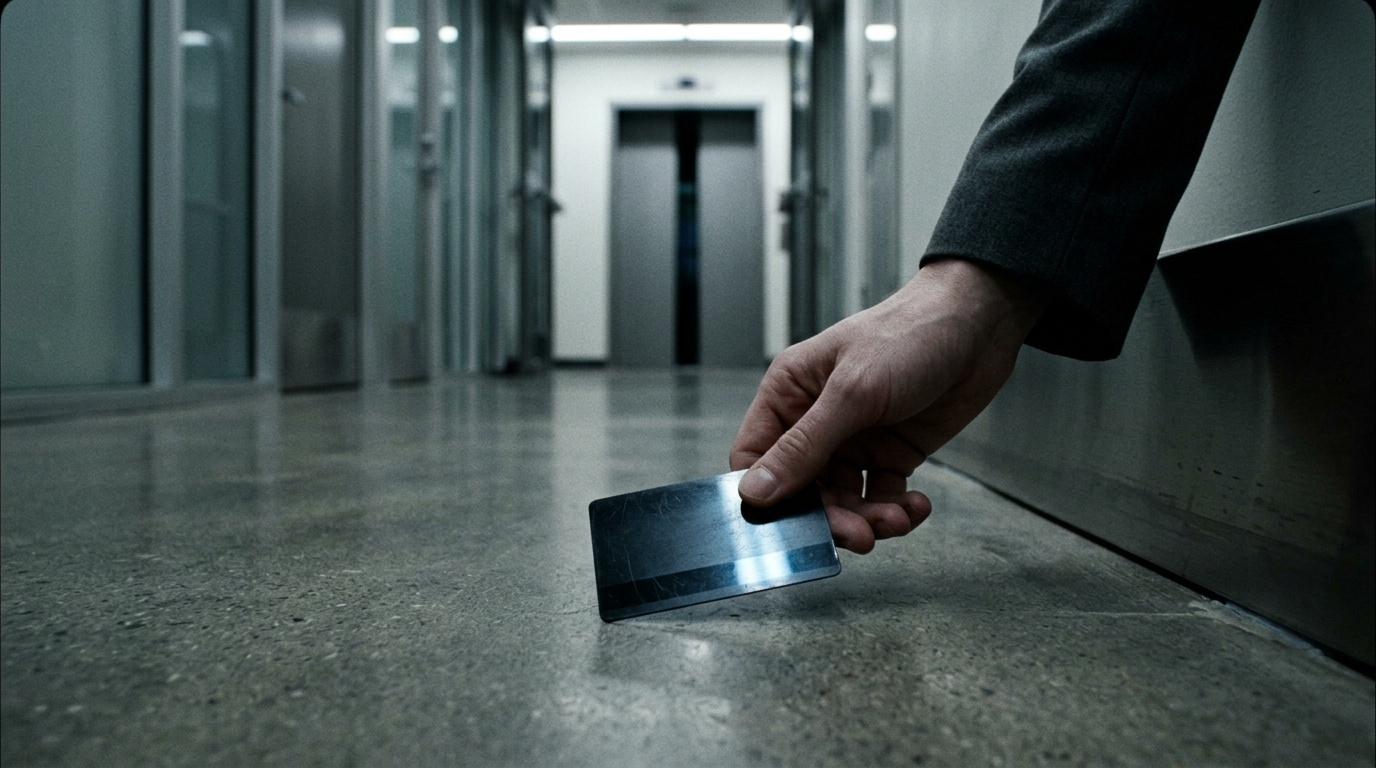
Graner's Death Forces Cobel to the Board
THE THEORY
Cobel will walk into her board meeting at the Egan family gallery believing she controls the narrative around Graner's death, but Graner's security keycard is already in Mark's hands without her knowledge, meaning she will present the board with a complete account of an incomplete situation. The gallery setting places her failure inside Lumon's theological framework rather than a purely corporate one, where incompleteness reads as a failure of faith rather than management. The theory's hard claim is that the keycard, not the murder, is what destroys her standing, and she will never see it coming.
How This Theory Works
Cobel's position inside Lumon has always rested on a single advantage: she knows more than the board does, and she decides what reaches them. Graner's murder by Reghabi does not simply remove her enforcement asset. It removes the foundation of that advantage. The board has summoned her to the Egan family gallery, which means they are already pulling information upward rather than waiting for her to deliver it. She has lost the initiative before she walks through the door.
The gallery setting is not incidental. Lumon's board chose terrain tied to the founding theology rather than corporate offices, which places Cobel's report inside a framework where failure reads as apostasy, not just incompetence. She will be accounting for Graner's death to people who share her doctrinal allegiance, which does not protect her. It exposes her to a category of judgment that a standard performance review cannot apply. Her off-hours altar and her institutional role were never in tension for Cobel. At the gallery, they become the same surface, and that surface can crack.
The keycard is the mechanism that makes the trap structural rather than merely dramatic. Graner's full-access security badge is now in Mark's possession, and Cobel does not know it. She will enter that meeting believing she can explain what happened: Graner is dead, here is what that costs, here is how she intends to contain the damage. The board will hear a complete account of a partial situation. The moment Mark uses the card, or the moment any other channel surfaces the breach, Cobel's testimony becomes evidence of her own blind spot. She will have stood in a space devoted to Kier's doctrine of total vision and unknowingly demonstrated that she does not have it.
What this theory commits to is a specific reversal: Cobel does not lose her position because the board judges her harshly on what she reports. She loses it because what she reports is missing the fact that will matter most. The gallery meeting is the moment her architecture of selective disclosure collapses inward, and she will be the last person in the room to understand why.
Is this theory convincing?
Key Evidence
Board Schedules Gallery Meeting with Cobel
Lumon's board confirmed they will meet with Harmony Cobel at the Egan family gallery to discuss reintegration findings and recent developments, including Graner's death.
Graner Murdered at Reghabi's Lab
Reghabi kills Graner with a metal baseball bat and gives his security keycard to Mark's outie, eliminating Cobel's enforcement asset and creating a board-level security crisis.
Cobel Unaware of Compromised Keycard
Graner's full-access security badge is now in Mark's possession without Cobel's knowledge, meaning her report to the board will be incomplete at the moment she presents it.
Egan Gallery as Doctrinal Space
The board's choice to meet at an Egan family gallery rather than corporate offices situates the meeting within the theological framework Cobel treats as primary, not merely a professional setting.
Other Theories for S1E07

Reghabi Ran This Operation From Inside Lumon
Reghabi's killing of Graner was a planned operational step, not a reactive one, and the keycard she immediately stripped from his body was the mission objective all along.
Dylan's Son Converts Him Into Lumon's Enemy
Dylan's discovery of his son has relocated his primary loyalty away from Lumon in a way the institution's reward and compliance systems cannot reverse, because those systems assume no attachment strong enough to override them exists.
Petey's Death Was Preventable, Not Inevitable
Reintegration is survivable under proper post-operative care, which means Lumon's implied death sentence around the procedure is manufactured rather than medical.
Dylan Is Commandeering Lumon's Control Architecture From Inside the Fracture It Created
Dylan's mutual blackmail standoff with Milchick is not a personal grievance but a precisely calibrated institutional exploit: Milchick's unauthorized OTC deployment created a chain-of-command corruption that cannot be formally addressed without exposing itself, and Dylan is now using that fracture to position himself as the instrument through which Lumon's own control mechanism can be seized.
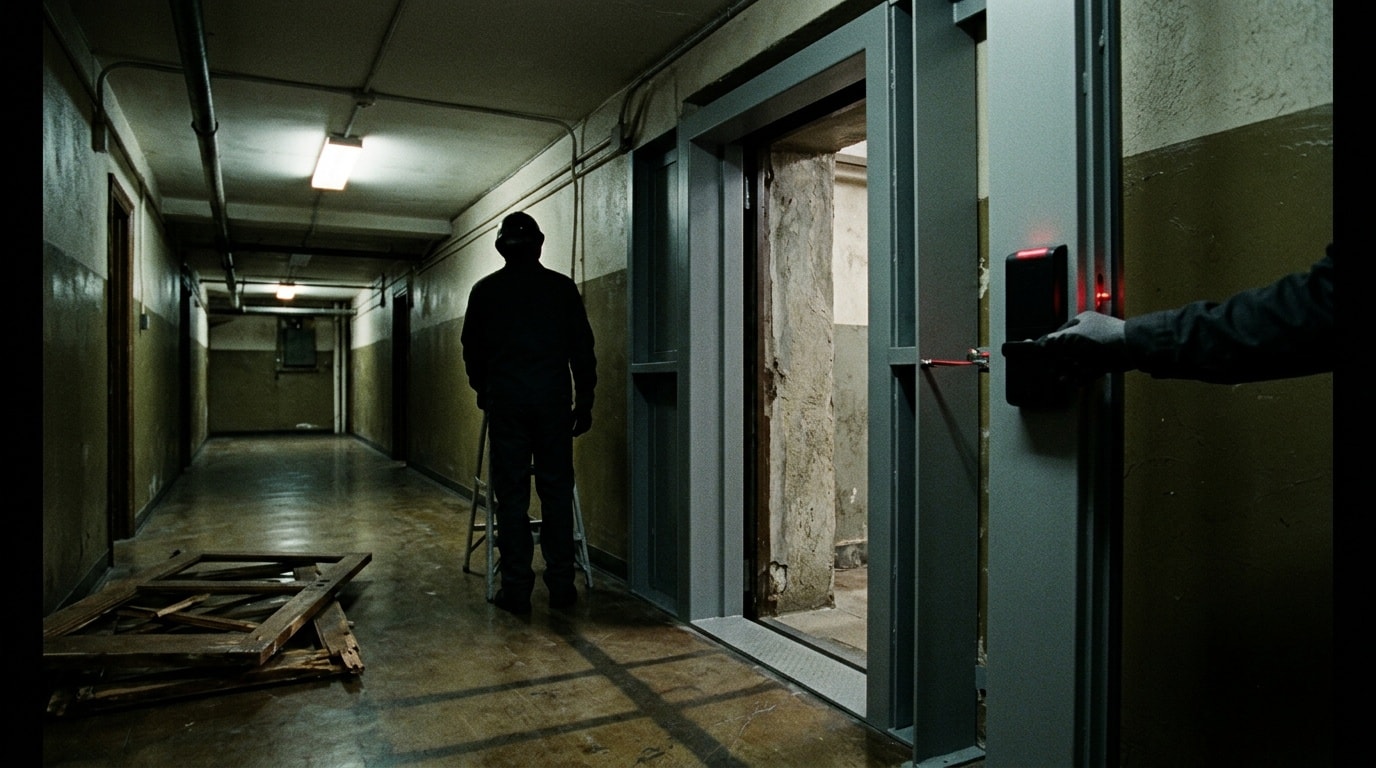
New MDR Doors Are a Physical Containment System
Lumon's installation of new MDR doors following the O&D breach reveals that the severance system was always built to require physical containment of innies, not merely psychological control, and that the original architecture assumed compliance would make enforcement unnecessary.
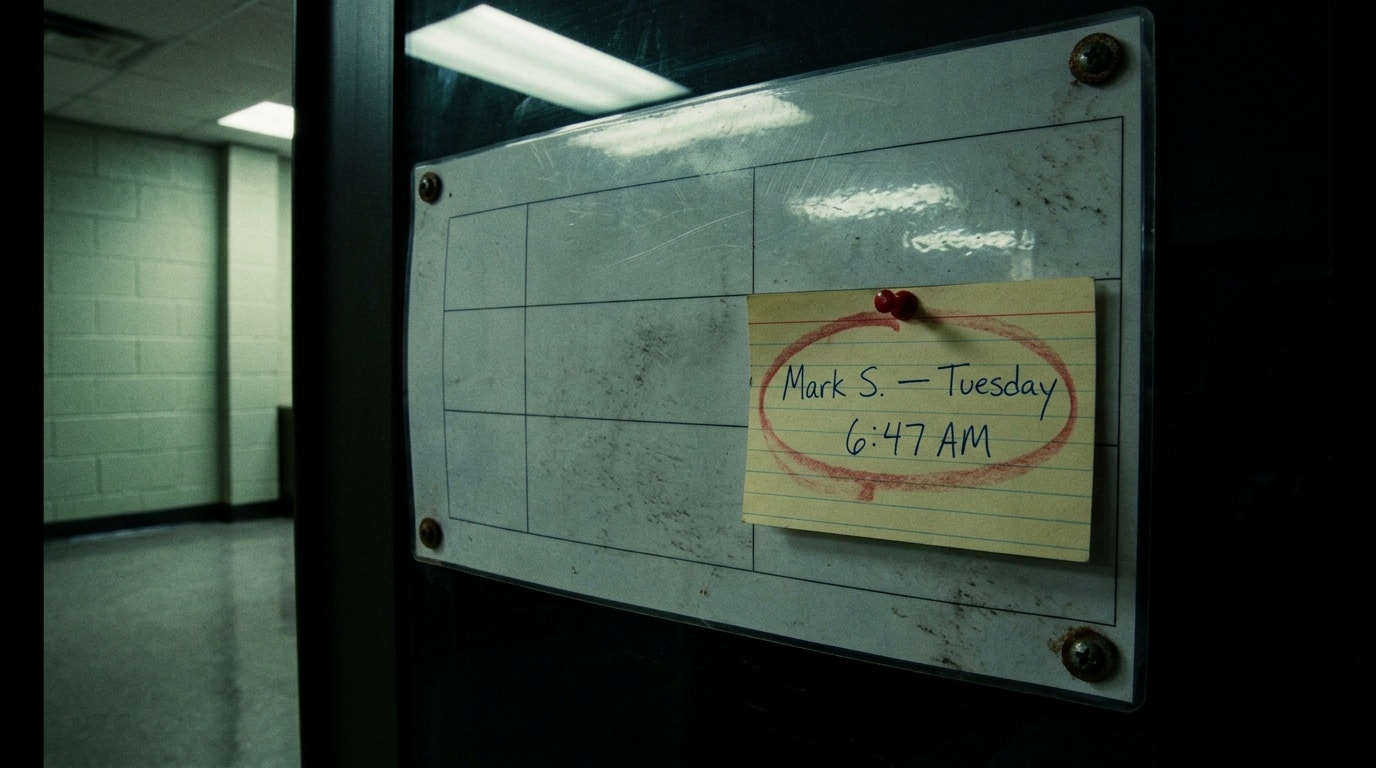
Cobel Knows Mark's Trash Schedule by Design
Cobel's knowledge of Mark's trash schedule reflects a behavioral baseline built through sustained, granular surveillance that exceeds any plausible institutional mandate, suggesting her investment in Mark is personal rather than merely operational.