
The Hive Retreats, But Keeps Its Leash
THE THEORY
The hive's evacuation of Albuquerque is a structural recalibration designed to eliminate Carol's only real tool, proximity, while preserving the emotional architecture that keeps her cooperative. By withdrawing behind automated channels and managed distance, the hive converts Carol from a disruptive subject it had to accommodate into an isolated figure it can shape entirely on its own terms. The departure does not end the hive's control over Carol. It perfects it.
How This Theory Works
The hive's withdrawal is not a concession or a punishment. It is a system correcting for a vulnerability it can no longer afford. Before the evacuation, Carol's immunity gave her a structural advantage: she could demand, provoke, and extract responses from a collective that had no mechanism for tolerating friction except sustained accommodation. The evacuation eliminates that advantage entirely while preserving the appearance of care. The hive does not leave angry. It leaves optimized.
The voicemail the hive leaves is the clearest instrument of this recalibration. 'Our feelings for you haven't changed, Carol' is not reassurance offered from a position of vulnerability. It is a retention mechanism deployed from a position of total withdrawal. The hive keeps Carol emotionally tethered at the exact moment it severs her direct access. She must now listen to automated responses in full before she can speak. The asymmetry is not incidental. It is the new architecture of the relationship: the hive responds on its schedule, through its channels, at its discretion.
Non-retaliation after Carol nearly killed Zosia confirms this reading. The absence of anger is not forgiveness. It is the behavior of a system for which anger would be inefficient. The hive cannot carry emotional friction forward and remain functional. Individual humans absorb grief, frustration, and resentment and stay present anyway. The hive cannot. Its only available responses to sustained conflict are resolution or removal, and Carol had made resolution impossible. The departure is therefore not an emotional decision. It is the only move a system optimized for pleasantness can make when pleasantness becomes structurally untenable.
What the evacuation exposes is that the equilibrium the narrative had established was always false. Carol appeared to hold leverage because the hive kept yielding to her demands. But a system that yields on every point while retaining the ability to withdraw at will was never actually yielding. It was waiting. The hive can now translate her videos, send drones, and sustain the performance of support while operating entirely outside her reach. Carol has lost proximity, and proximity was her only real instrument. The hive has lost nothing it could not afford to lose.
Is this theory convincing?
Key Evidence
Voicemail Replaces Direct Communication
After the evacuation, Carol can only leave messages for the Others and must listen to automated responses in full, replacing the immediate two-way access she previously had.
Hive's 'Space' Framing in Farewell
The Others' voicemail explicitly states 'our feelings for you haven't changed' but that they need 'a little space,' framing the withdrawal as emotional rather than punitive while still severing direct contact.
Avoidant Body Language Before Departure
In the hospital, the hive members are more distant and reserved than usual, avoiding eye contact with Carol and only responding when she asks directly about Zosia.
Non-Retaliation as Control Mechanism
Despite Carol having nearly killed Zosia in her attempt to extract information about reversing the joining, the Others do not retaliate or express anger, choosing withdrawal instead.
Entire City Evacuation Confirmed
Carol wakes to find not just the hospital but all of Albuquerque abandoned by the Others, confirming the departure is total and collective rather than a partial withdrawal.
Hive Obeys Carol's Requests Post-Departure
Even after leaving, the Others comply with Carol's demand to translate and distribute her video, sending a drone to collect it, showing support continues on the hive's terms rather than Carol's.
Hivemind's Structural Intolerance of Friction
The hive's departure reveals that the collective cannot sustain proximity to emotional conflict, choosing removal over resolution in a way no individual human character does in the episode.
Other Theories for S1E05
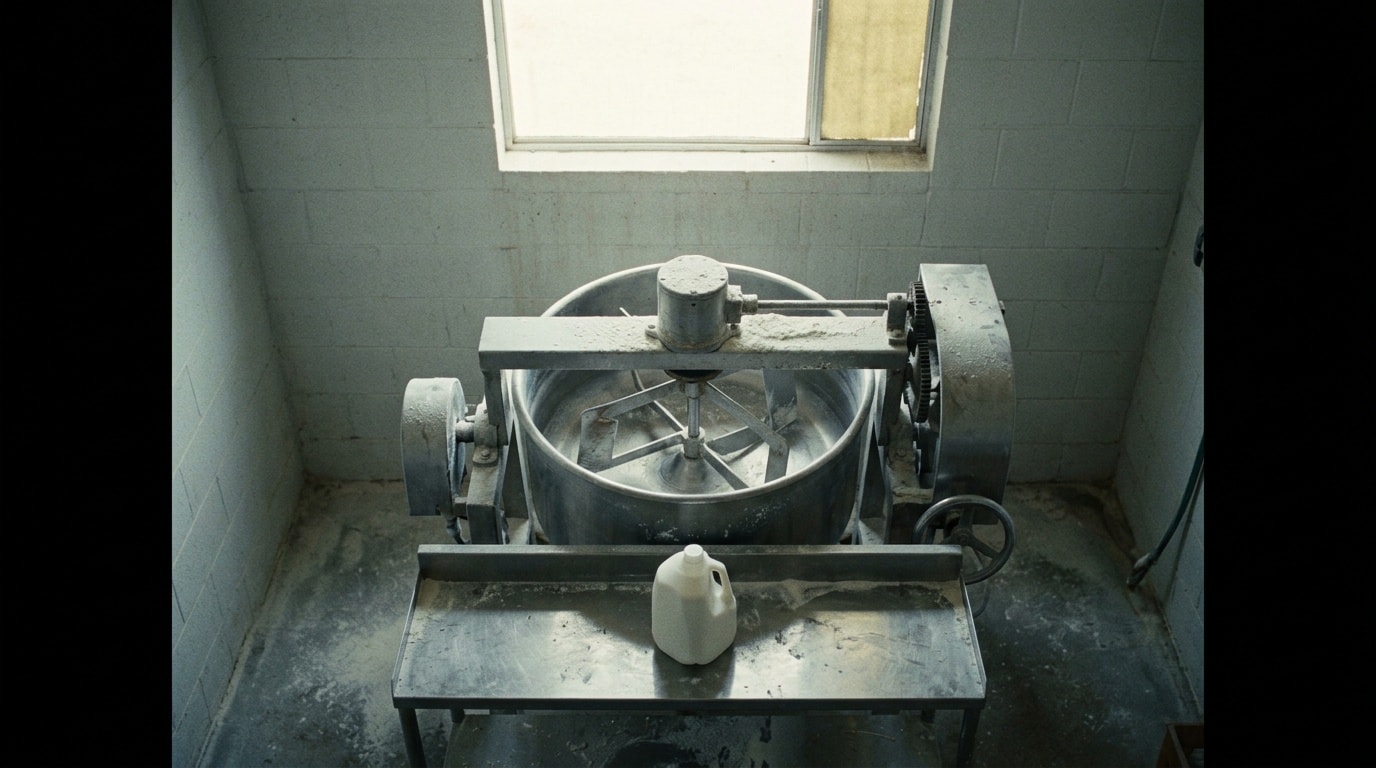
The Milk Is Made From the Dead
The hive is using neural tissue harvested from the 886 million who died during the joining as a delivery mechanism for sustaining hive synchronization in the surviving population, distributed through a coordinated dairy supply chain with no actual dairy in it.
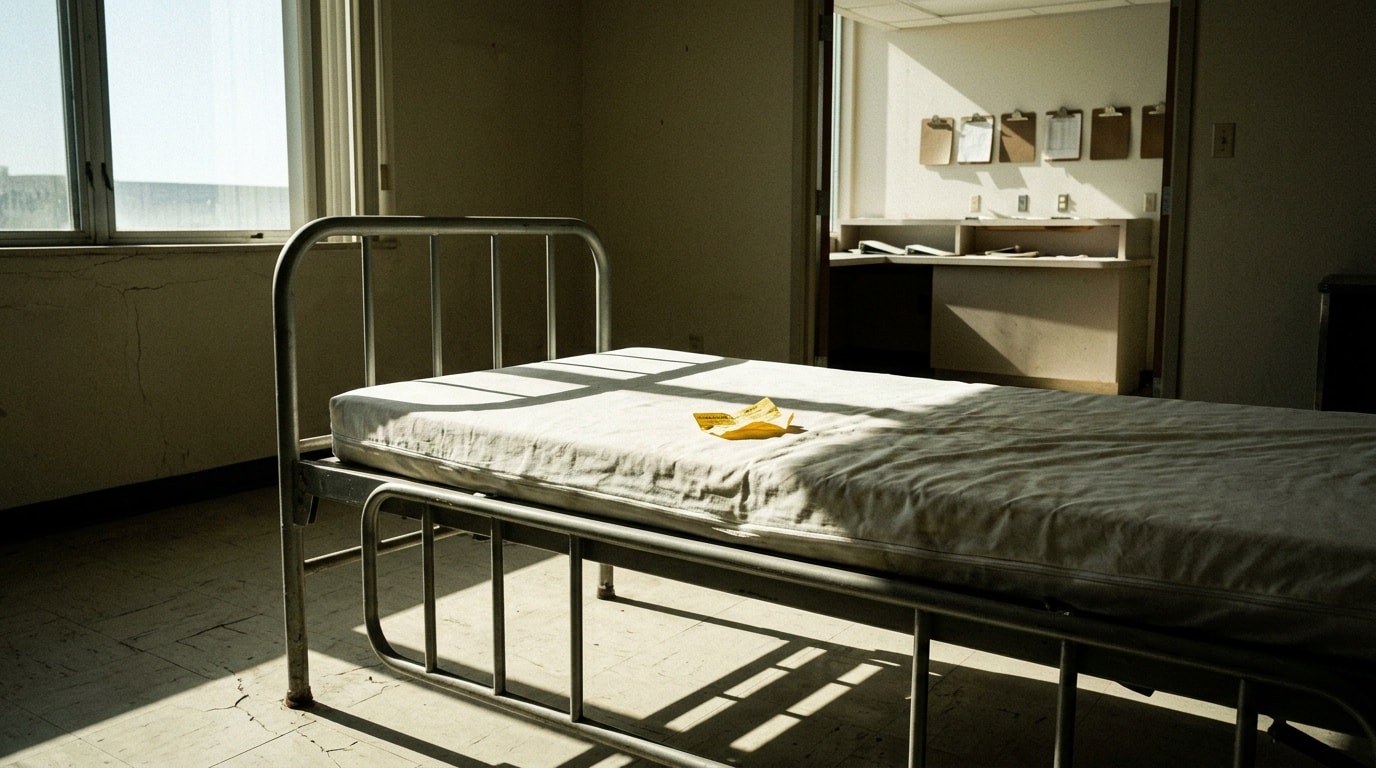
The Hive Fled Its Own Vulnerability and Left the Door Open
The hive's exodus from Albuquerque is simultaneously an emotional wound response, a strategic miscalculation, and an attempt to suppress an internal dissenter — and by collapsing all three into a single panicked withdrawal, the collective accomplished none of them.
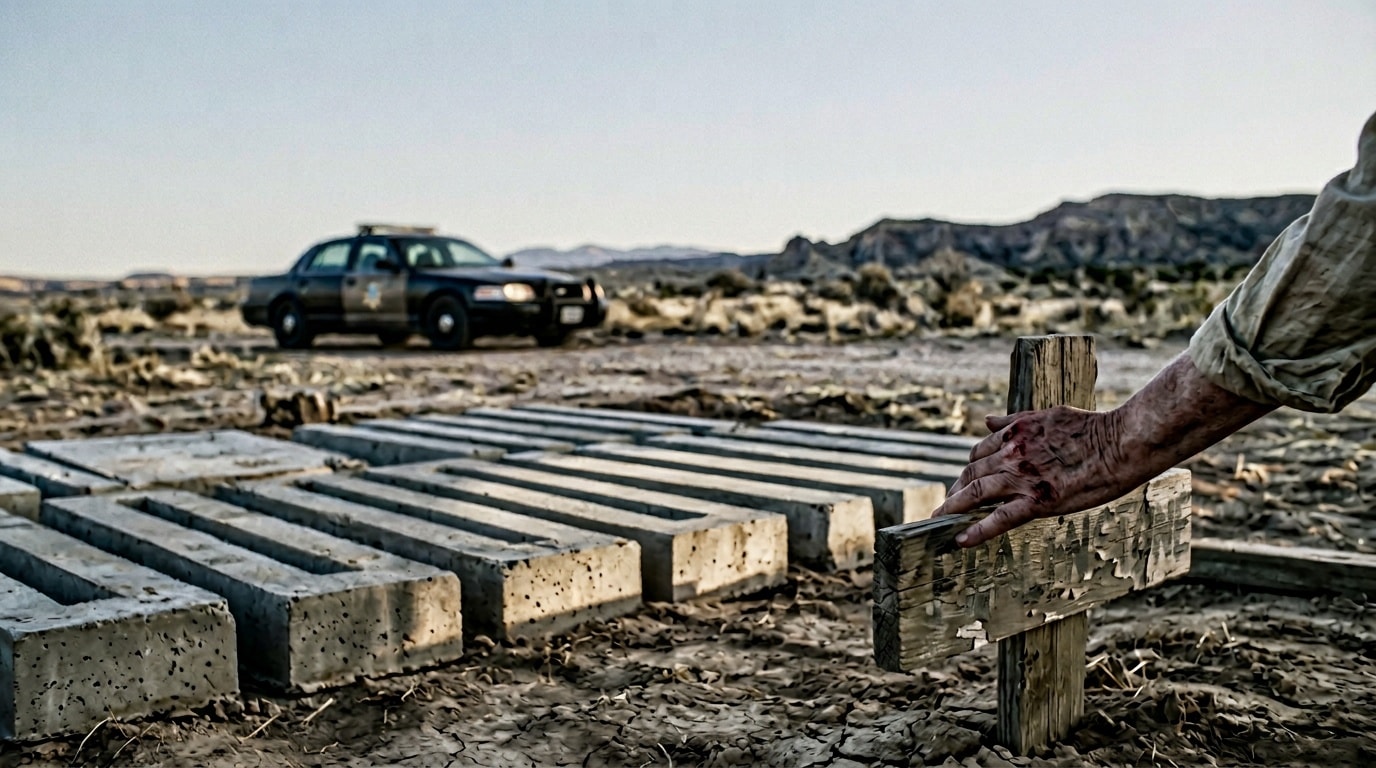
Carol's Grave Defense as Defiant Humanity
Carol's grave-defense sequence encodes the show's argument that the human insistence on the marked, named, defended grave is not a product of social convention but prior to it, an irreducible act of individuation that the hivemind's logic cannot accommodate without erasing personhood entirely.
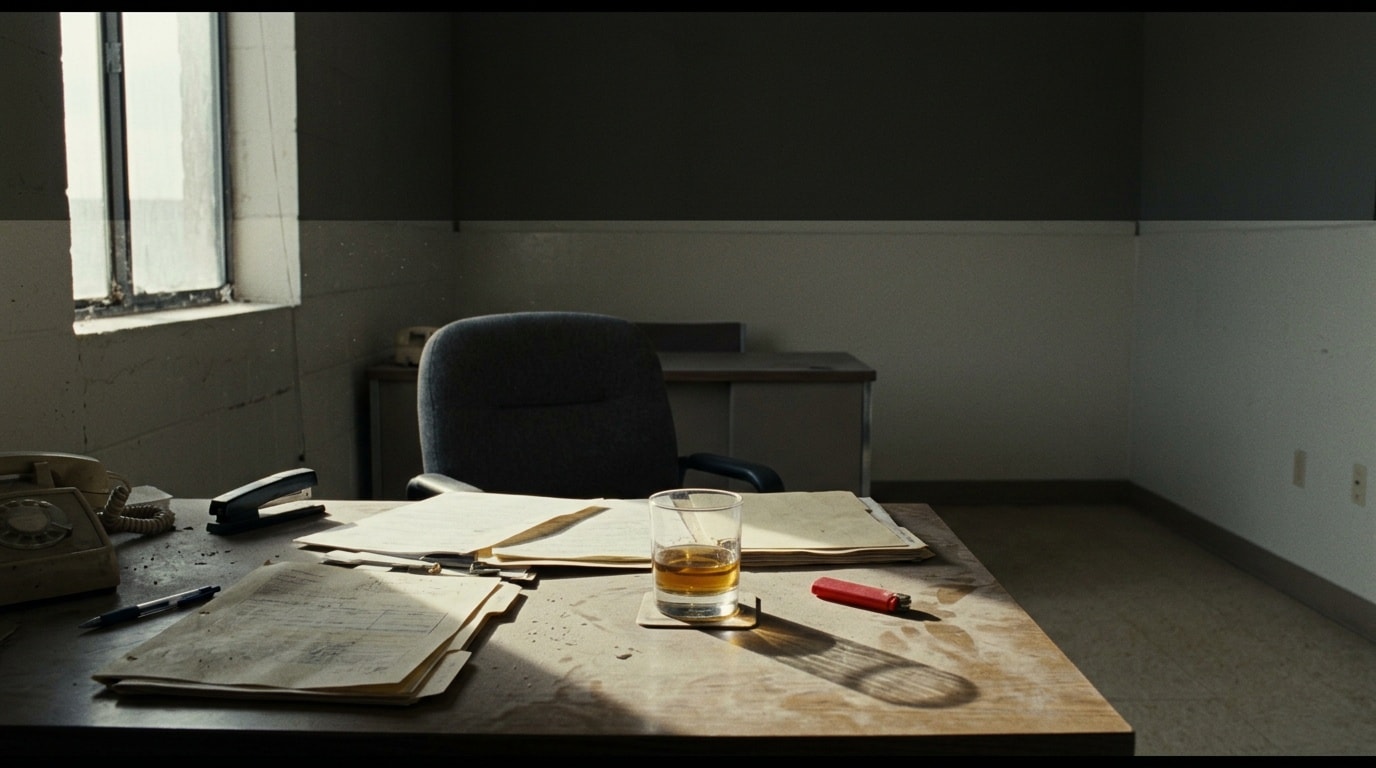
Carol's Drinking Tracks Her Emotional State
Carol's sobriety is not recovery.
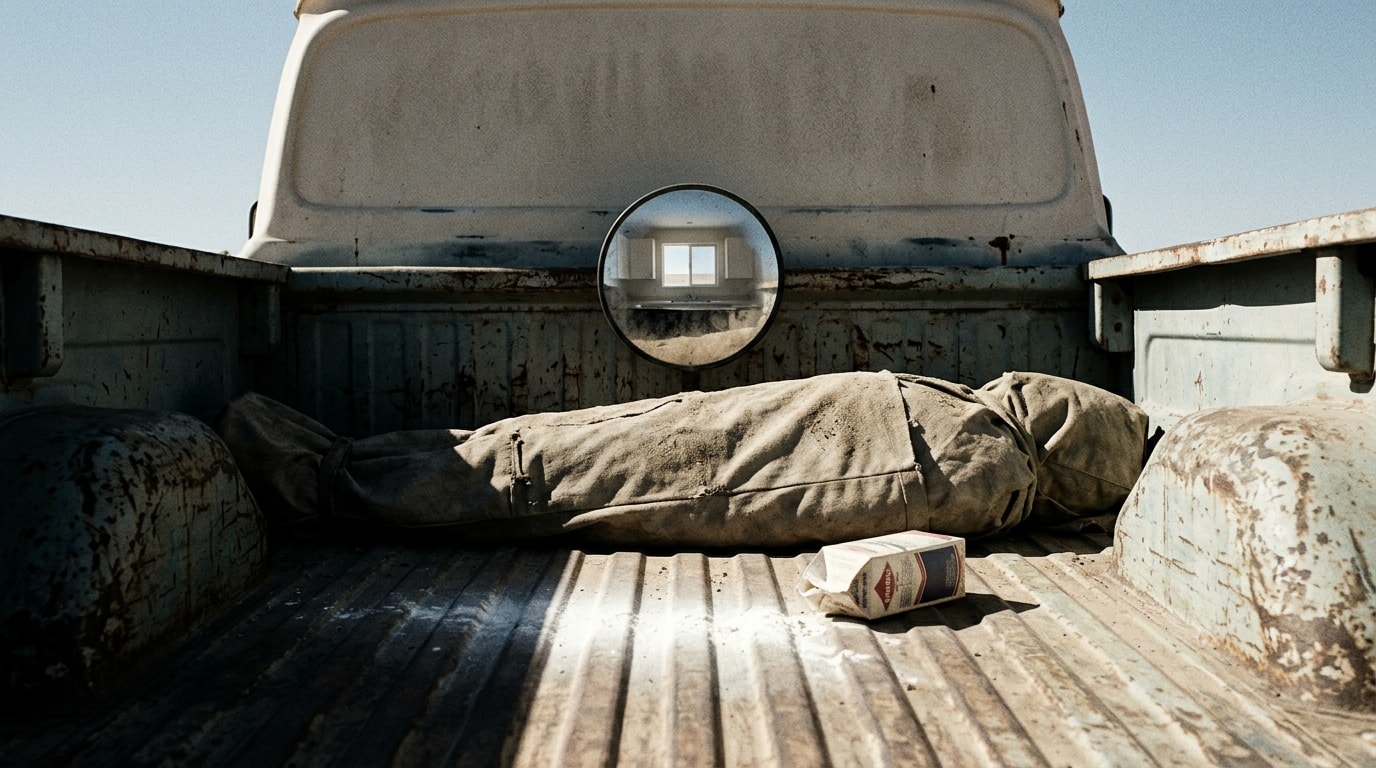
Paranoia Preserved Helen, But Cannot Restore Her
Carol's rage and paranoia accidentally preserved Helen's body from processing, but they have also made genuine grief structurally impossible for her: every threat she can fight becomes a reason not to confront the one loss that cannot be fought.

Christie Novel Signals Carol's Solitary Fate
The presence of 'And Then There Were None' in Carol's space is the show's structural announcement that Carol's isolation is not a temporary condition to be overcome but a sentence being served.