Carol's Grave Defense as Defiant Humanity
THE THEORY
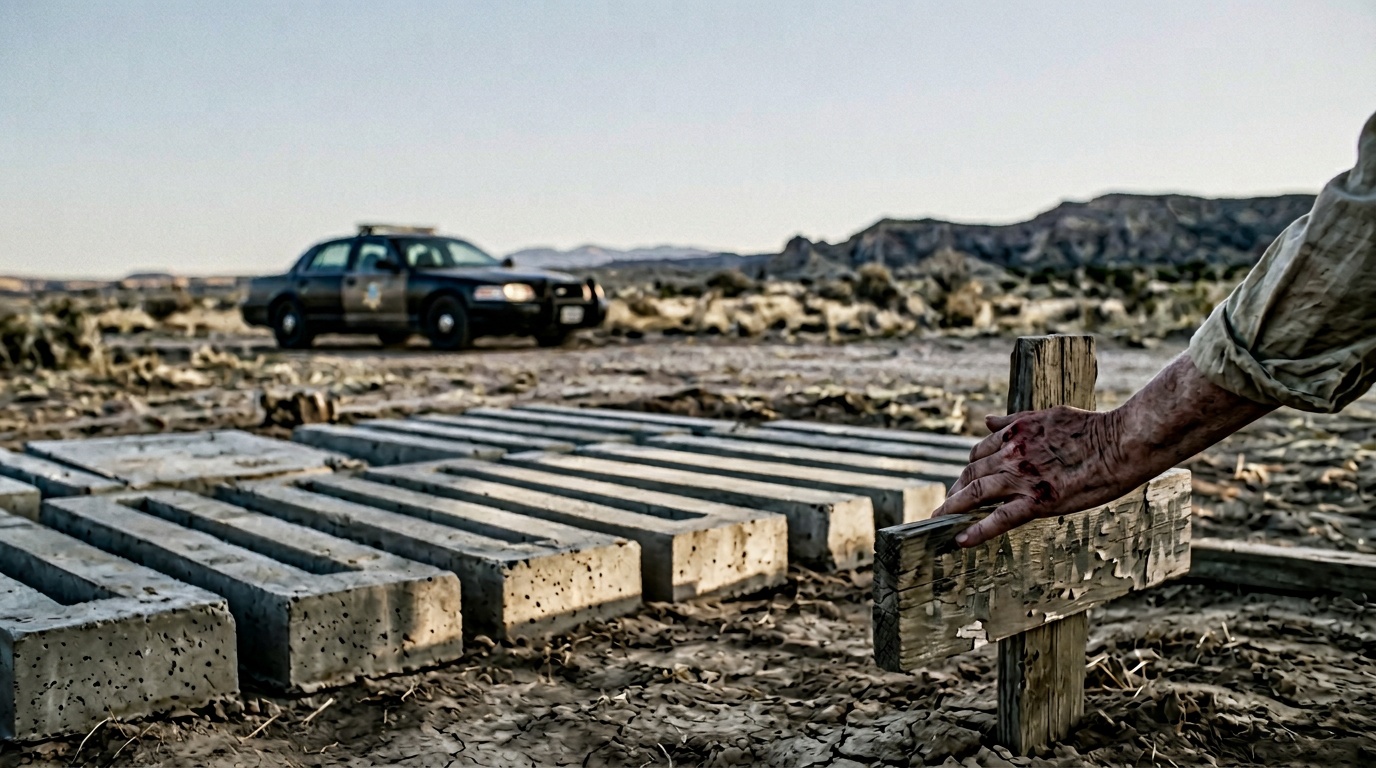
Carol's grave-defense sequence encodes the show's argument that the human insistence on the marked, named, defended grave is not a product of social convention but prior to it, an irreducible act of individuation that the hivemind's logic cannot accommodate without erasing personhood entirely. The painted headstone and stone-slab fortress are not mourning rituals completed under social pressure but a direct counter-argument, in physical labor, to collective erasure of individual death. The show uses Carol's isolation to strip this gesture to its core: the impulse operates without audience, without practical payoff, and without rationality, which is precisely what makes it the thing the hivemind cannot absorb.
How This Theory Works
The human insistence on marked, named, defended graves has never been rational. It has always been a defiance of entropy made in full knowledge that entropy wins. Carol's grave-defense sequence is the show's argument that this irrationality is not a failure of reason but the core gesture of human meaning-making, and that the hivemind's collective framework is not an evolution beyond it but an erasure of it.
Helen's original burial was improvised and unmarked, grief deferred rather than resolved. The Others' logic offers no corrective to this, because their framework has no meaningful category for individuated loss: to the hivemind, the dead persist in some form, dissolved into shared consciousness, which makes the distinct, bounded, named grave structurally incoherent. Carol's entire grave-defense sequence is therefore not a completion of normal mourning ritual but an argument conducted in paint and stone against that framework's totalizing claim.
Carol crashes a police cruiser into her backyard to drive the wolves off, then hauls heavy tile slabs to cover the burial site and paints Helen's name as a formal marker. These are not efficient actions, and their inefficiency is the point. Every material she uses was designed for collective civic order, scavenged and repurposed for a single, unwitnessed act of individuation. The painted name is the sharpest statement: the Others would never construct such a tribute because their logic renders it unnecessary. Carol constructs it anyway, which means she is not simply grieving but refusing the terms under which grief has been made to feel optional.
The Others have left the city by this point, and their absence does not make Carol's actions easier. It makes them stranger and more costly. She performs this labor with no audience, no practical payoff, no validation from any collective structure. That isolation is not incidental. The show is stripping the grave-marking gesture down to its irreducible form to ask what remains when all social reinforcement is removed. What remains is Carol hauling stone. The episode's answer is that the impulse does not require an audience to operate, which means it was never really about communication or social contract. It is prior to those things.
Is this theory convincing?
Key Evidence
Wolves Digging at Helen's Grave
A pack of wolves returns to Carol's property at night and begins digging at the spot where Helen is buried, forcing Carol into a desperate physical confrontation to protect the body.
Police Cruiser as Grave Protector
Carol crashes a police cruiser into her backyard specifically to use its lights and presence to scare the wolves away from Helen's grave, an extreme measure that signals how much the protection matters to her.
Heavy Stone Slabs Over the Burial Site
The morning after the wolf attack, Carol manually carries heavy tile slabs and lays them over Helen's grave to prevent further disturbance, turning a burial plot into a fortified structure.
Carol Paints Helen's Name as Headstone
Carol paints Helen's name on one of the tiles, creating a formal grave marker that the hivemind's logic would render unnecessary, since the Others have no framework for individuated memorialization of the dead.
Improperly Mourned Initial Burial
Helen's original burial was improvised and unmarked, meaning the episode's grave-defense sequence also functions as Carol belatedly completing a mourning ritual that circumstances had previously denied her.
Hivemind's Absence as Structural Contrast
The Others have departed the city by this point in the episode, leaving Carol entirely alone to perform her grief work, which throws the individualist and collective approaches into sharp relief against each other.
Other Theories for S1E05
The Milk Is Made From the Dead
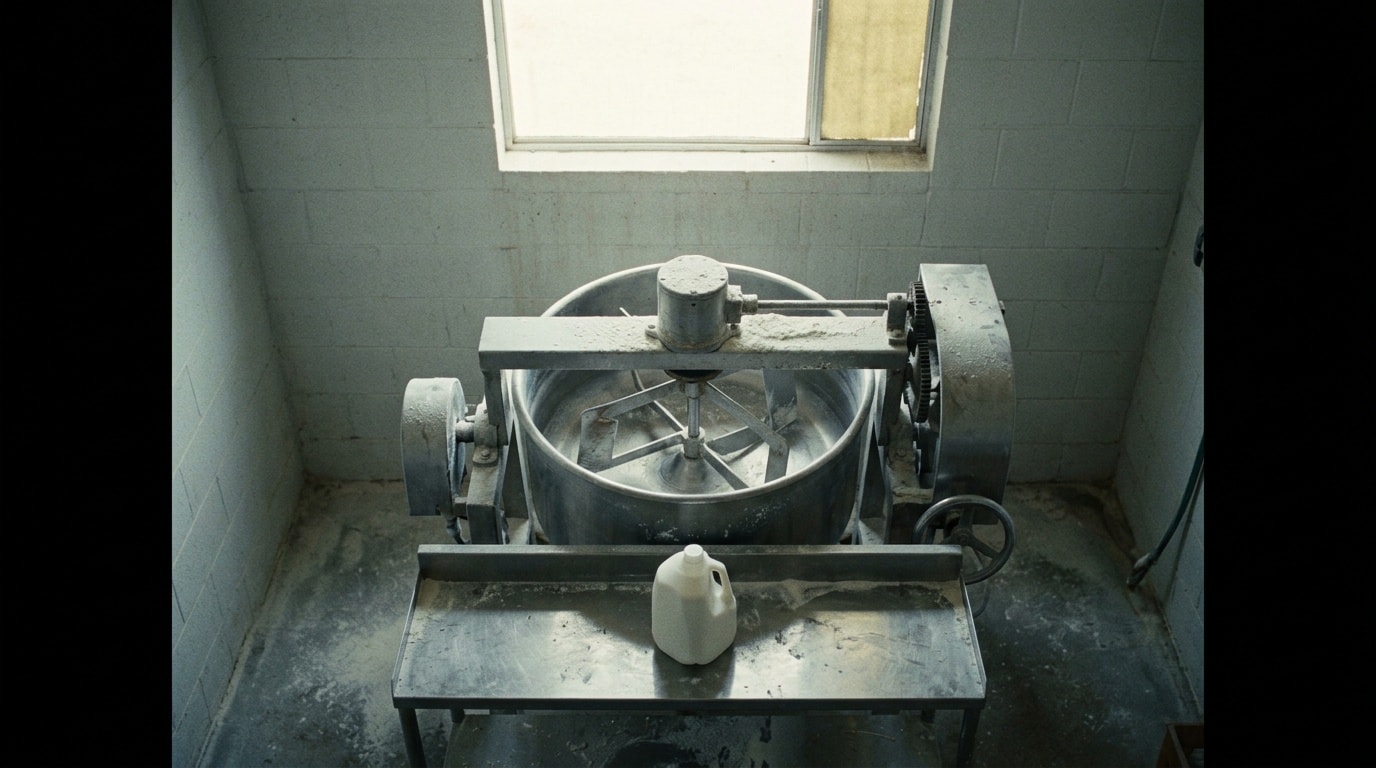
The hive is using neural tissue harvested from the 886 million who died during the joining as a delivery mechanism for sustaining hive synchronization in the surviving population, distributed through a coordinated dairy supply chain with no actual dairy in it.
The Hive Fled Its Own Vulnerability and Left the Door Open
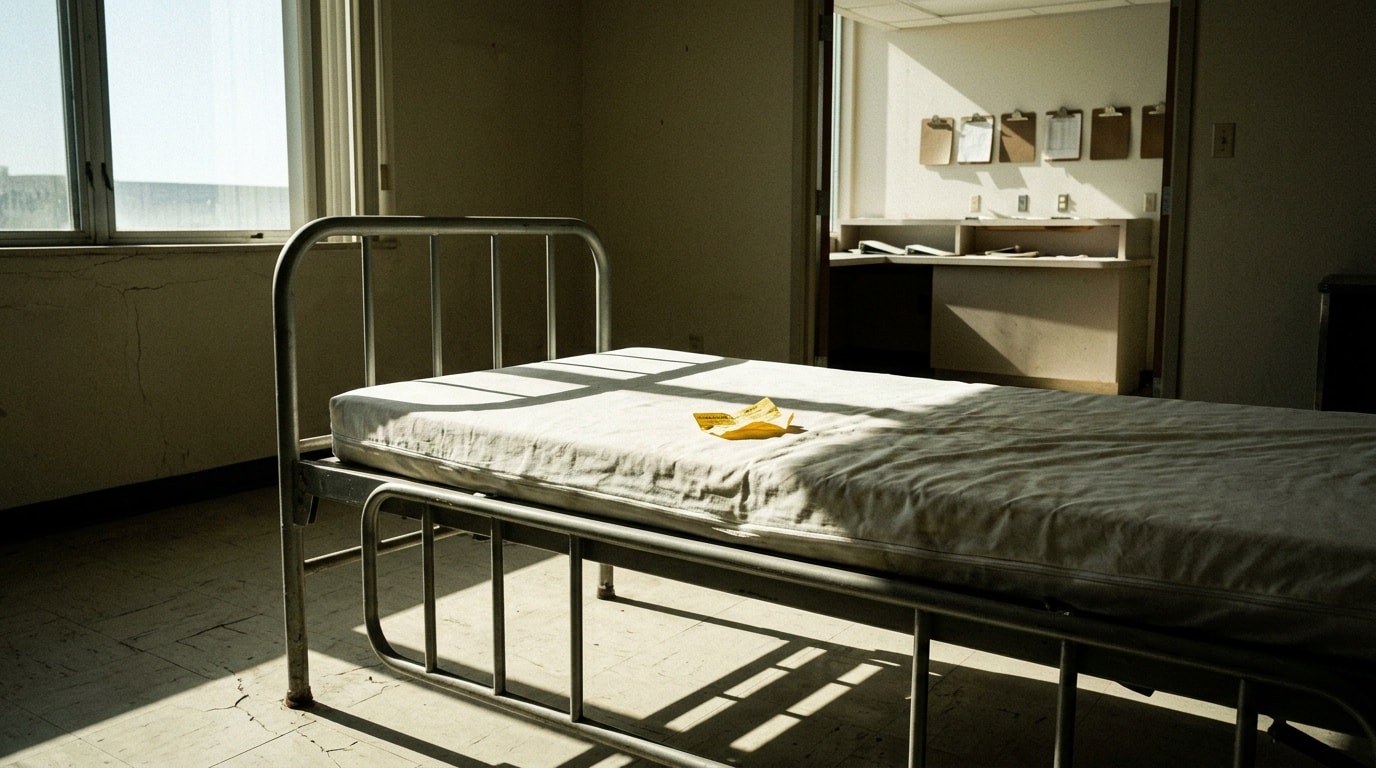
The hive's exodus from Albuquerque is simultaneously an emotional wound response, a strategic miscalculation, and an attempt to suppress an internal dissenter — and by collapsing all three into a single panicked withdrawal, the collective accomplished none of them.

The Hive Retreats, But Keeps Its Leash
The hive's evacuation of Albuquerque is a structural recalibration designed to eliminate Carol's only real tool, proximity, while preserving the emotional architecture that keeps her cooperative.
Carol's Drinking Tracks Her Emotional State
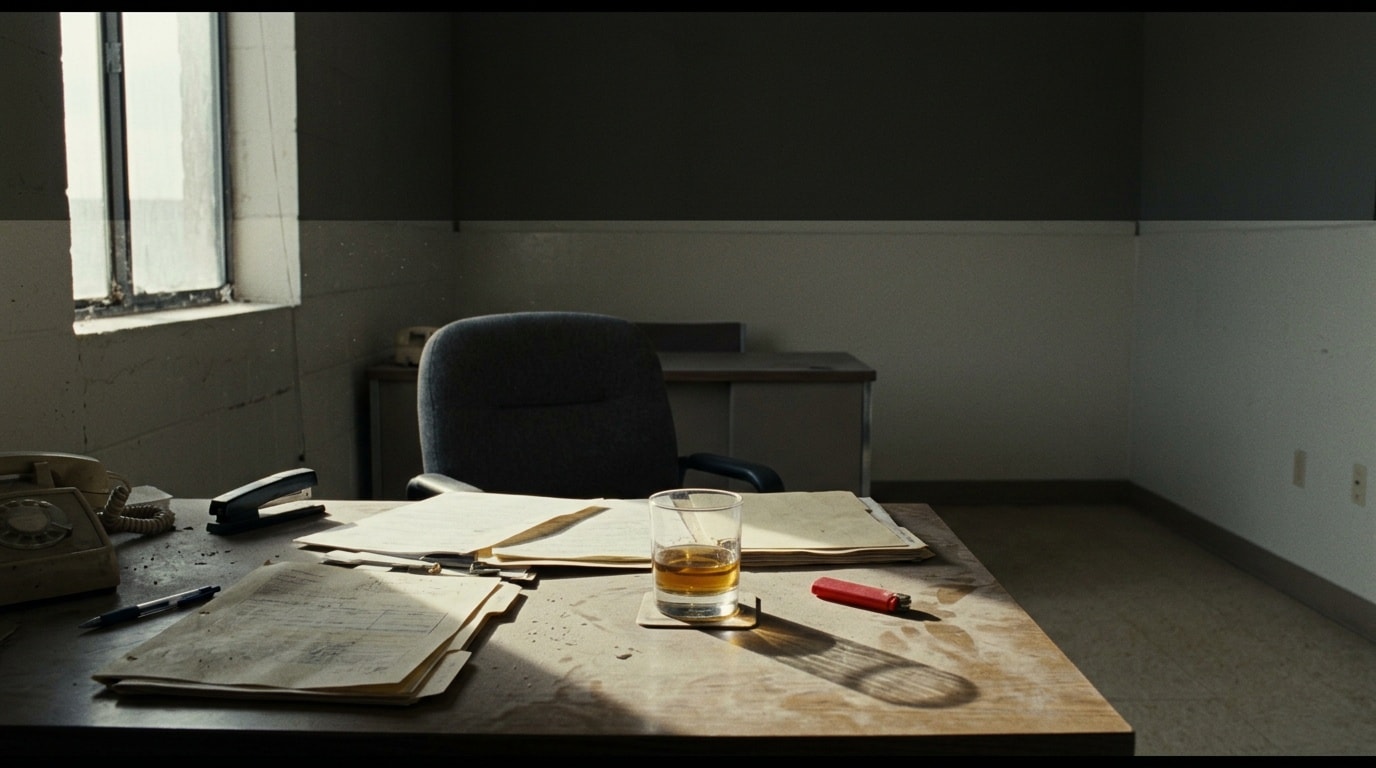
Carol's sobriety is not recovery.
Paranoia Preserved Helen, But Cannot Restore Her
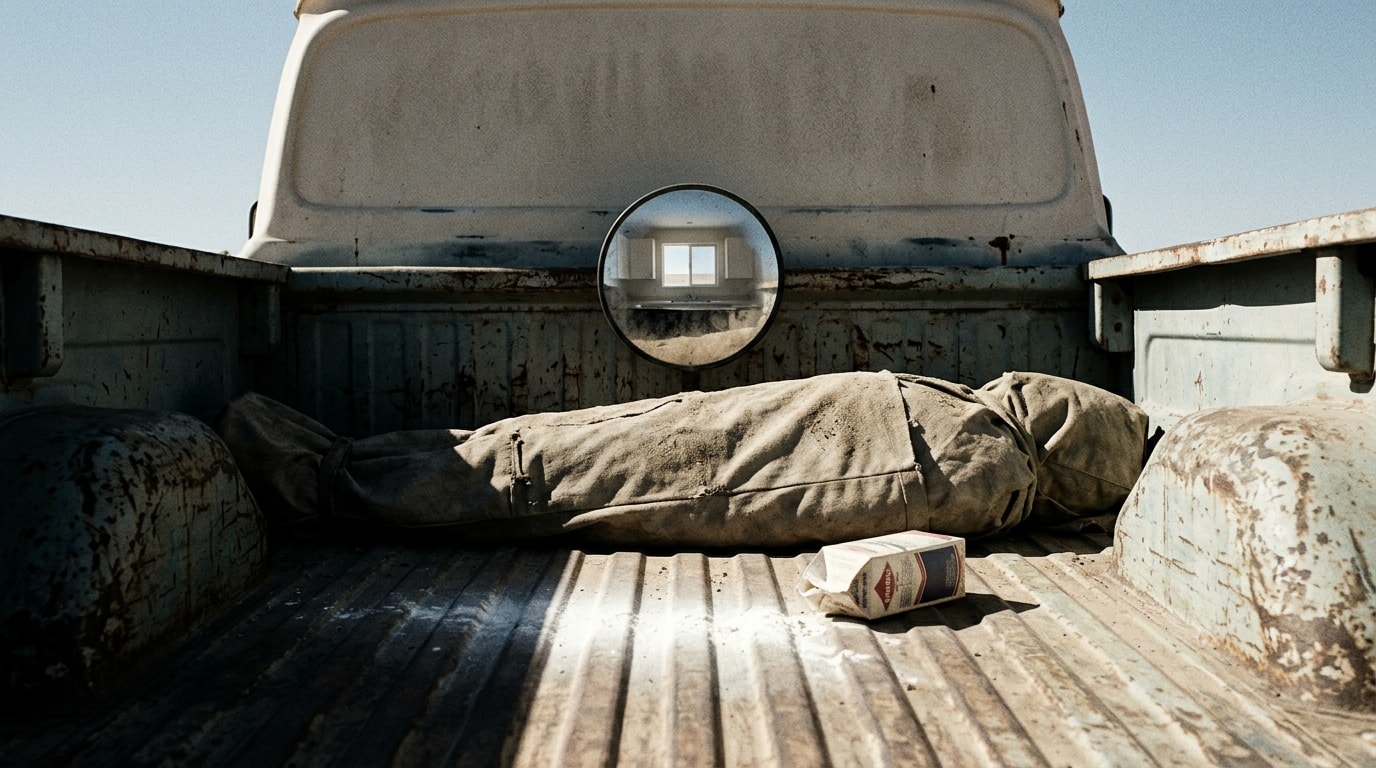
Carol's rage and paranoia accidentally preserved Helen's body from processing, but they have also made genuine grief structurally impossible for her: every threat she can fight becomes a reason not to confront the one loss that cannot be fought.
Christie Novel Signals Carol's Solitary Fate
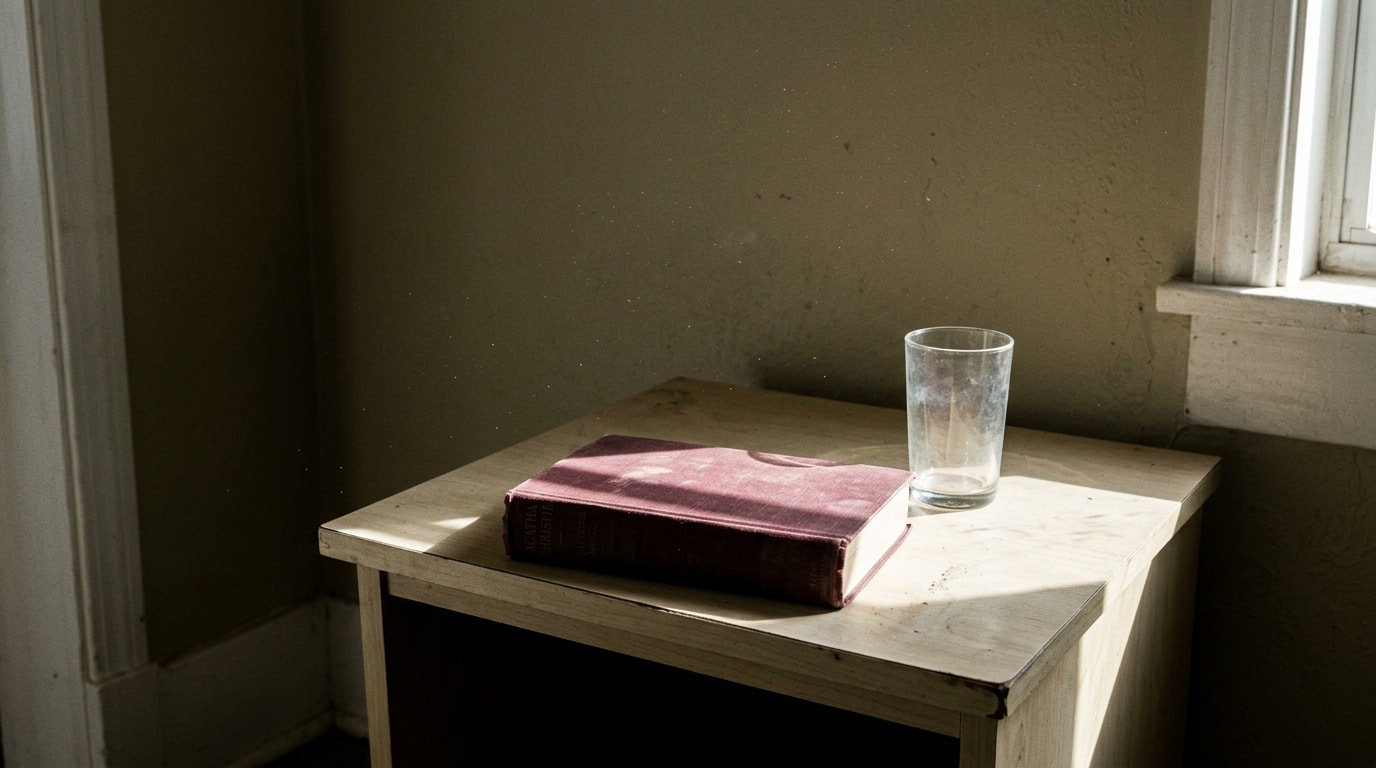
The presence of 'And Then There Were None' in Carol's space is the show's structural announcement that Carol's isolation is not a temporary condition to be overcome but a sentence being served.