
Zosia's Glance Betrays Hidden Individual Will
THE THEORY
The Collective's decision to select Zosia for her resemblance to Raban preserved or reactivated the exact interior life that Carol's appeal then reached, making the mission's instrument into its own liability. Zosia's verbal insistence that she cannot choose is directly contradicted by her hesitation and backward glance at the moment of departure. The glance is not ambiguous texture but evidence that Zosia recognized Carol's appeal had landed, and that leaving was a choice she was capable of making.
How This Theory Works
The Collective's instrument has already begun to fail before Zosia boards the plane, and the backward glance is not the cause of that failure but its acknowledgment. Zosia's hesitation and the look she directs at Carol across the runway expose a contradiction the Collective built into this mission by design: to deploy someone capable of passing as Raban, the hive mind had to select, preserve, or reactivate exactly the interior architecture that Carol's appeal could reach. The Collective did not accidentally create a vulnerability. It manufactured one deliberately, then sent it up the steps.
The verbal claim Zosia makes is absolute. She cannot choose because her only purpose is to satisfy the unjoined. The physical behavior contradicts that claim at the threshold. That gap is where the theory lives, and the episode leaves it unresolved.
If Zosia carries enough of a self to execute the Raban resemblance convincingly across an emotionally pressurized encounter, then the glance back at Carol is not noise in an otherwise clean operation. It is the seam where the Collective's instrument and whatever Zosia privately is come apart under load. A tool does not hesitate. The hesitation points to something the Collective either did not anticipate or cannot suppress entirely, and neither option is comfortable for a system whose premise is frictionless collective will.
The sharpest reading is not that Zosia retains some diffuse suppressed individuality. It is that Zosia recognized, in the moment of departure, that Carol's appeal had reached something real, and that walking away from it was a choice, which means she was capable of making one. The Collective's recruitment logic for this specific mission is what made that possible. The glance is Zosia registering what she is about to forfeit, which is not the behavior of an agent with no remainder.
Is this theory convincing?
Key Evidence
Zosia's Pause on the Steps
Before entering Air Force One, Zosia stops on the steps and looks back at Carol across the runway, a moment viewers read as carrying emotional weight beyond simple compliance.
Hesitation Before Boarding
In the moment of departure, Zosia appears to briefly hesitate rather than moving immediately, suggesting an internal conflict that her stated inability to choose does not account for.
Zosia Claims She Cannot Choose
When Carol urges Zosia to decide for herself, Zosia explicitly says she cannot choose because her only goal is to make the unjoined happy, making her subsequent hesitation and backward glance narratively significant.
Loaded Look Across the Runway
The glance Zosia directs at Carol from the steps is described by multiple viewers as suggesting something beyond mere compliance, reading more like doubt or an unspoken appeal.
Gap Between Words and Body Language
The contrast between Zosia's verbal insistence that she has no individual will and her physical hesitation before leaving creates a structural tension the episode does not resolve.
Other Theories for S1E02
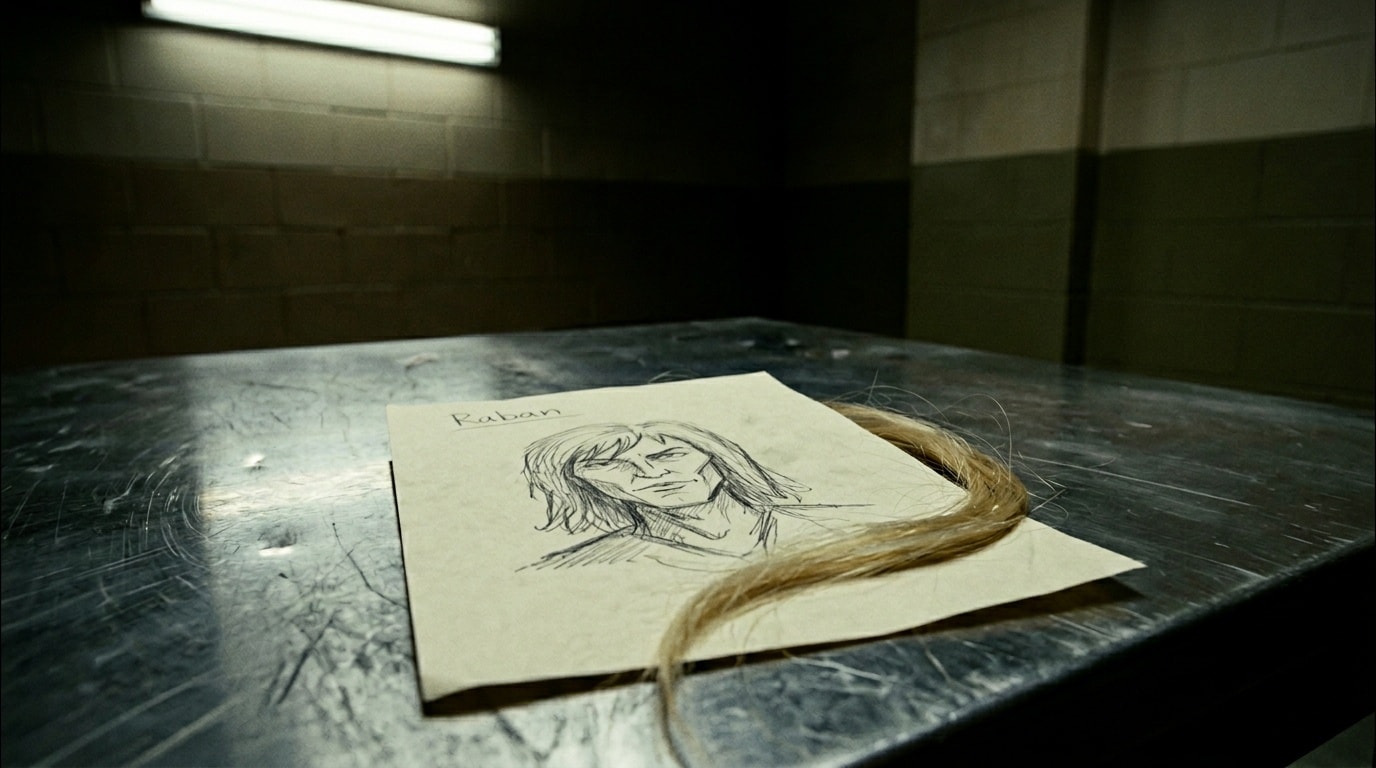
The Collective Weaponized Carol's Creative Imagination
The Collective engineered Zosia's appearance to mirror a character from Carol's private, unpublished creative work, using memories extracted from Helen after she joined, in order to collapse the psychological distance between recruitment and grief.

Koumba Treats the Collective as His Playground
Koumba Diabaté completed a private ethical reckoning before arriving at Bilbao and concluded that the Joined's incapacity for refusal is an acceptable operating condition rather than a problem requiring his response.

The Collective's Self-Erasure Loop: How Epistemic Blindness and Ideological Revision Lock Each Other In Place
The Collective sustains itself through two interlocking mechanisms that together form a closed system: joining destroys the cognitive and emotional architecture required to recognize what joining costs, while the institution's absolute pacifism undergoes continuous revision to retroactively exclude its own founding coercion from the definition of violence.
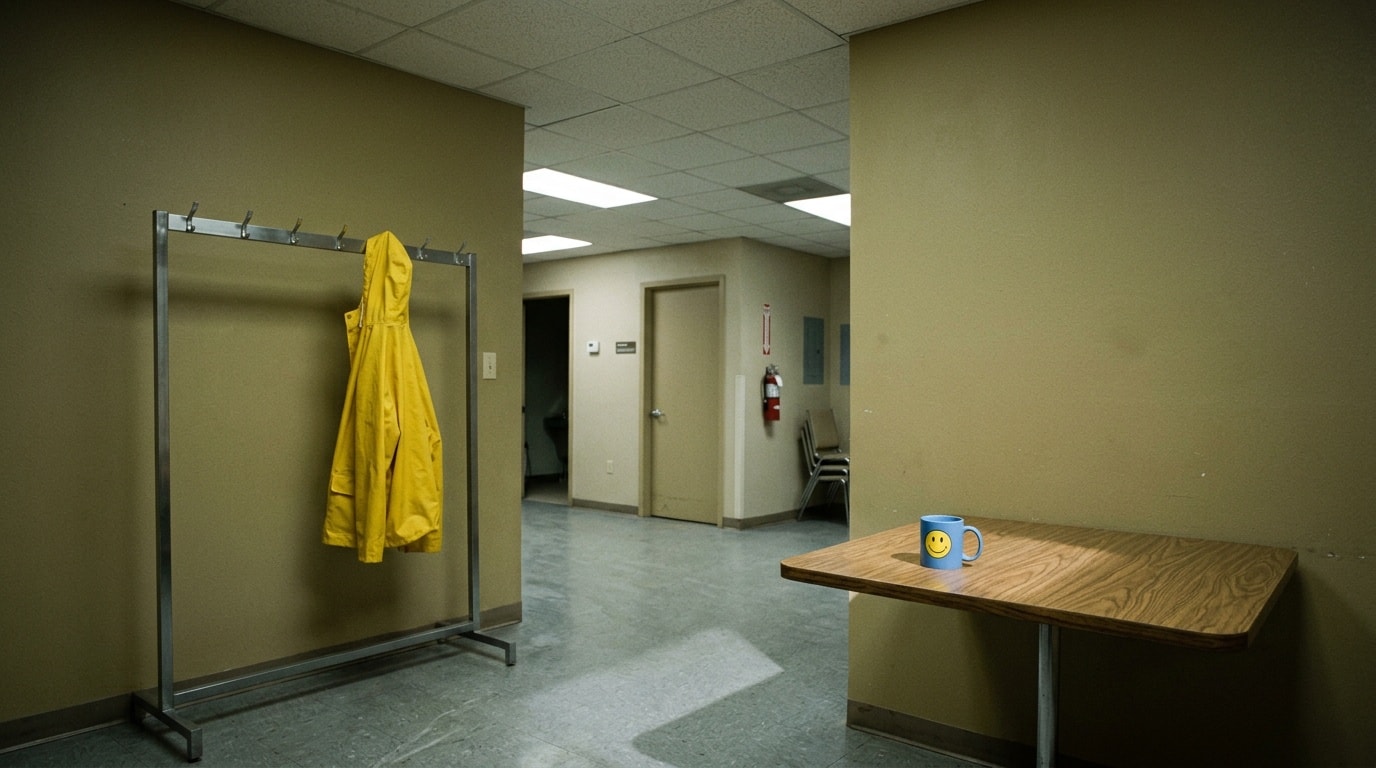
Carol Wears the Collective's Color: Yellow as Ironic Captivity
Carol's yellow jacket shares its precise color with the Happy Face logo the Collective uses to brand mass dissolution as happiness, positioning her not as the opposite of the hive mind's symbol but as its ironic mirror.

Carol the Reluctant Judas of the Joined
Carol occupies the Judas position among the 13 worldwide resisters not because she betrays a person but because her conscience may constitute a betrayal of a functional utopia, a world without violence or suffering that the Collective has actually delivered.
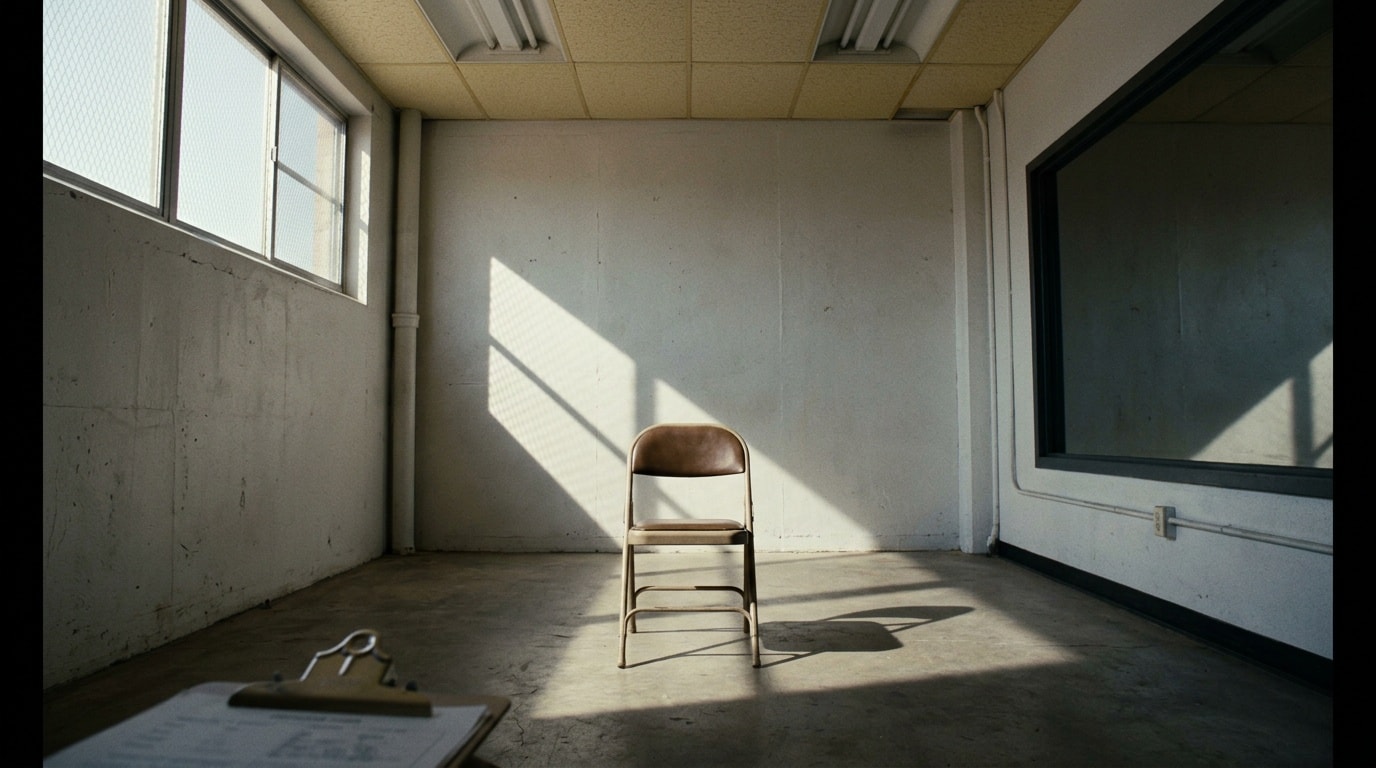
Carol Alone: Why Her Immunity Differs
Carol's immunity is not separable from her grief because they share the same structural origin: the Collective eliminated the only person through whom it could have reached her, leaving itself with no emotional leverage and no manufactured substitute capable of replacing what it destroyed.