
Carol the Reluctant Judas of the Joined
THE THEORY
Carol occupies the Judas position among the 13 worldwide resisters not because she betrays a person but because her conscience may constitute a betrayal of a functional utopia, a world without violence or suffering that the Collective has actually delivered. The show constructs a deliberate inversion of the biblical frame and then refuses to resolve it: Carol's resistance is simultaneously the last act of moral agency on earth and the final human malfunction the Collective has not yet corrected. Her sprint to stop Koumba's plane is not heroism but the acceptance of a burden that only exists because she alone can still recognize when someone else has lost the capacity to choose.
How This Theory Works
Carol is the one unjoined person positioned to betray a utopia, and the show is asking whether that betrayal is a crime or the last remaining act of moral agency on earth. The numerical confirmation of 13 resisters is not incidental world-building. It is the show installing a theological scaffold under its premise and then forcing the audience to ask which apostle Carol is.
The biblical parallel the show is constructing runs inverted. In the source text, Judas betrays a liberating figure to a corrupt power structure. Here the Collective is the liberating figure: crime eliminated, violence unthinkable, animals freed. Carol's refusal to accept it is, from the Collective's vantage, the betrayal. That inversion is the show's actual argument. It is asking whether conscience itself can become a form of treachery when the thing being betrayed is a world without suffering. The apostle framing does not decorate this question. It is the question.
The Zosia dressing scene is where the theory moves from symbol to mechanism. Carol stops the plane because she sees a person wearing a costume chosen by someone else and recognizes that this is what the absence of agency looks like when it is finally visible. Zosia's statement that she cannot choose because her purpose is only to make the unjoined happy does not describe helplessness. It describes a completed transformation, a person whose interiority has been replaced by function. Carol reverses course not out of sentiment but out of the recognition that if she does not choose for Zosia, no one will, because Zosia no longer experiences the deficit. The weight she accepts in that sprint is not protectiveness. It is the specific burden of being the last person in a relationship who still knows what the relationship is supposed to be.
This is where the Judas frame becomes uncomfortable rather than decorative. Carol is not positioned as a hero resisting evil. She is positioned as the dissenter who may undo a world that works, on behalf of people who did not ask to be saved and would not recognize salvation if it arrived. The show has not resolved whether her resistance is conscience or sabotage, and it is not withholding that resolution as a narrative courtesy. It is withholding it because the show's actual claim is that the two readings are identical. Carol's moral custodianship cannot be distinguished from pathology, which means the last remaining human who chooses on behalf of others is also the last human who imposes on them.
Is this theory convincing?
Key Evidence
Thirteen Resisters Worldwide Confirmed
Zosia tells Carol there are exactly 13 people worldwide who have resisted the hive mind, a number that directly maps onto Jesus plus his twelve apostles and invites speculation about which role Carol occupies.
Carol as the Dissenting Thirteenth
Among the 13, Carol is the most vocally resistant and the most likely to actively work against the Collective, positioning her as the Judas figure whose resistance constitutes betrayal of the new world order rather than of a person.
Zosia Dressed as Koumba's Doll
Carol sees Zosia boarding Air Force One in a new dress selected by Koumba, a visual that registers the absence of Zosia's agency and triggers Carol's decision to reverse course and stop the plane.
Carol Sprints to Stop the Plane
Moments before takeoff, Carol abandons her own plane and rushes back to prevent Koumba's departure, the episode's clearest demonstration that she has accepted responsibility for those who cannot choose for themselves.
Zosia Insists She Cannot Choose
When Carol tells Zosia to decide for herself whether to go with Koumba, Zosia responds that she cannot choose because her purpose is only to make the unjoined happy, framing the scene as a crisis of agency that falls entirely on Carol to resolve.
Other Theories for S1E02
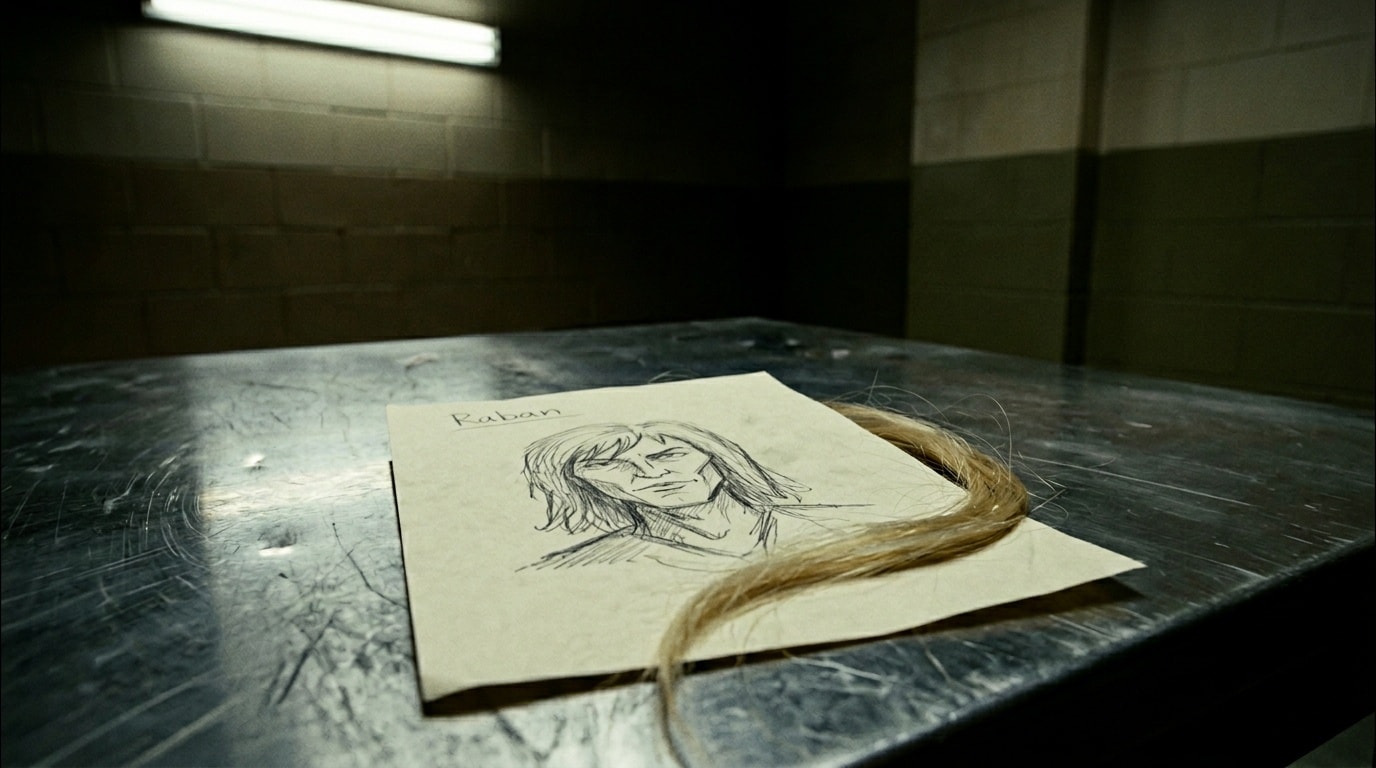
The Collective Weaponized Carol's Creative Imagination
The Collective engineered Zosia's appearance to mirror a character from Carol's private, unpublished creative work, using memories extracted from Helen after she joined, in order to collapse the psychological distance between recruitment and grief.

Koumba Treats the Collective as His Playground
Koumba Diabaté completed a private ethical reckoning before arriving at Bilbao and concluded that the Joined's incapacity for refusal is an acceptable operating condition rather than a problem requiring his response.
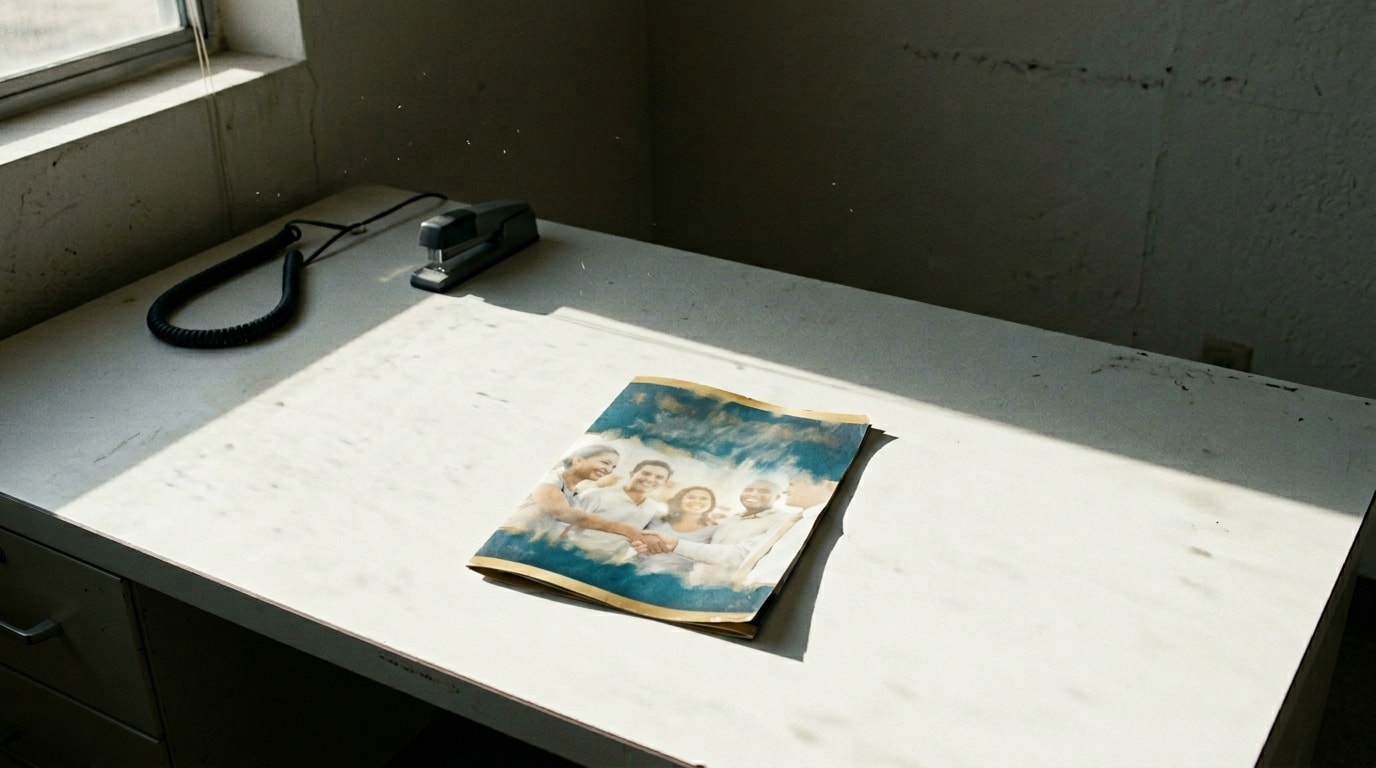
The Collective's Self-Erasure Loop: How Epistemic Blindness and Ideological Revision Lock Each Other In Place
The Collective sustains itself through two interlocking mechanisms that together form a closed system: joining destroys the cognitive and emotional architecture required to recognize what joining costs, while the institution's absolute pacifism undergoes continuous revision to retroactively exclude its own founding coercion from the definition of violence.
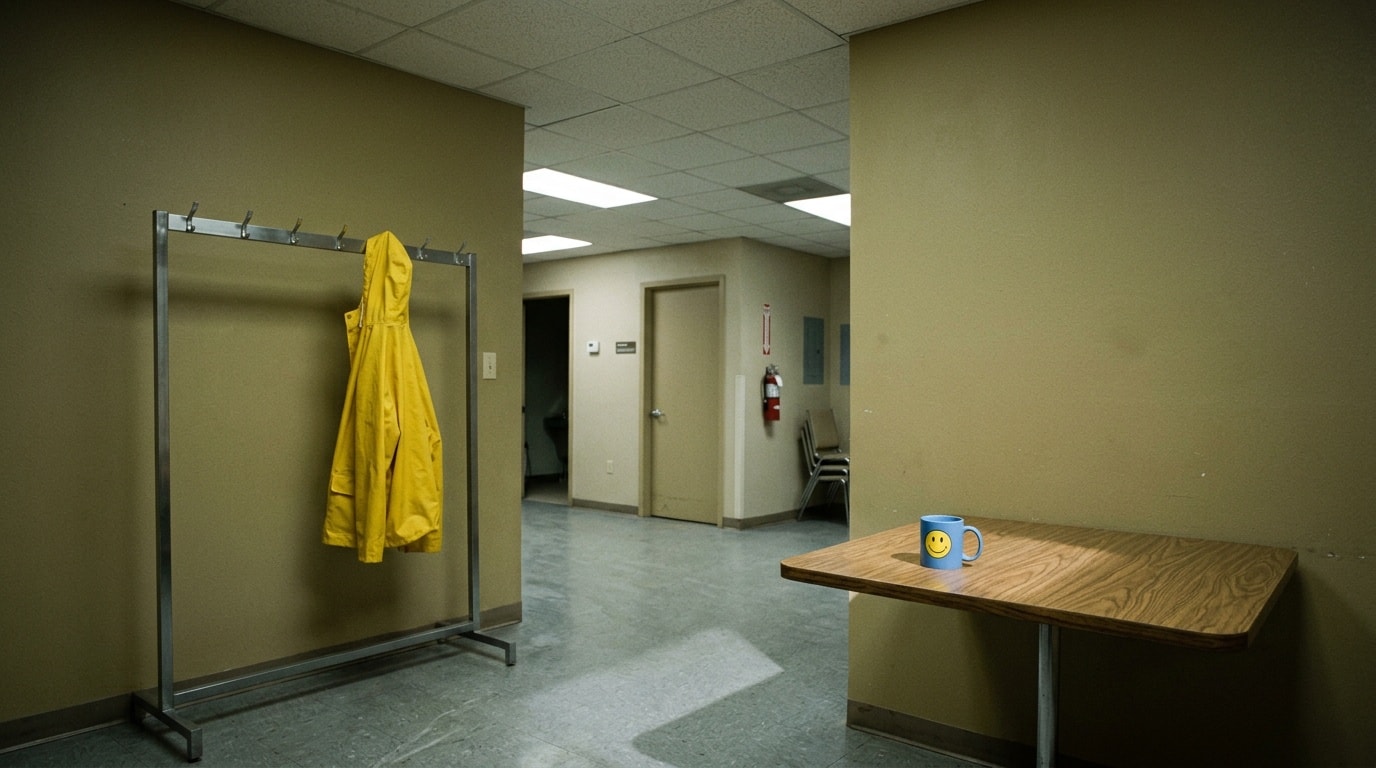
Carol Wears the Collective's Color: Yellow as Ironic Captivity
Carol's yellow jacket shares its precise color with the Happy Face logo the Collective uses to brand mass dissolution as happiness, positioning her not as the opposite of the hive mind's symbol but as its ironic mirror.

Zosia's Glance Betrays Hidden Individual Will
The Collective's decision to select Zosia for her resemblance to Raban preserved or reactivated the exact interior life that Carol's appeal then reached, making the mission's instrument into its own liability.

Carol Alone: Why Her Immunity Differs
Carol's immunity is not separable from her grief because they share the same structural origin: the Collective eliminated the only person through whom it could have reached her, leaving itself with no emotional leverage and no manufactured substitute capable of replacing what it destroyed.