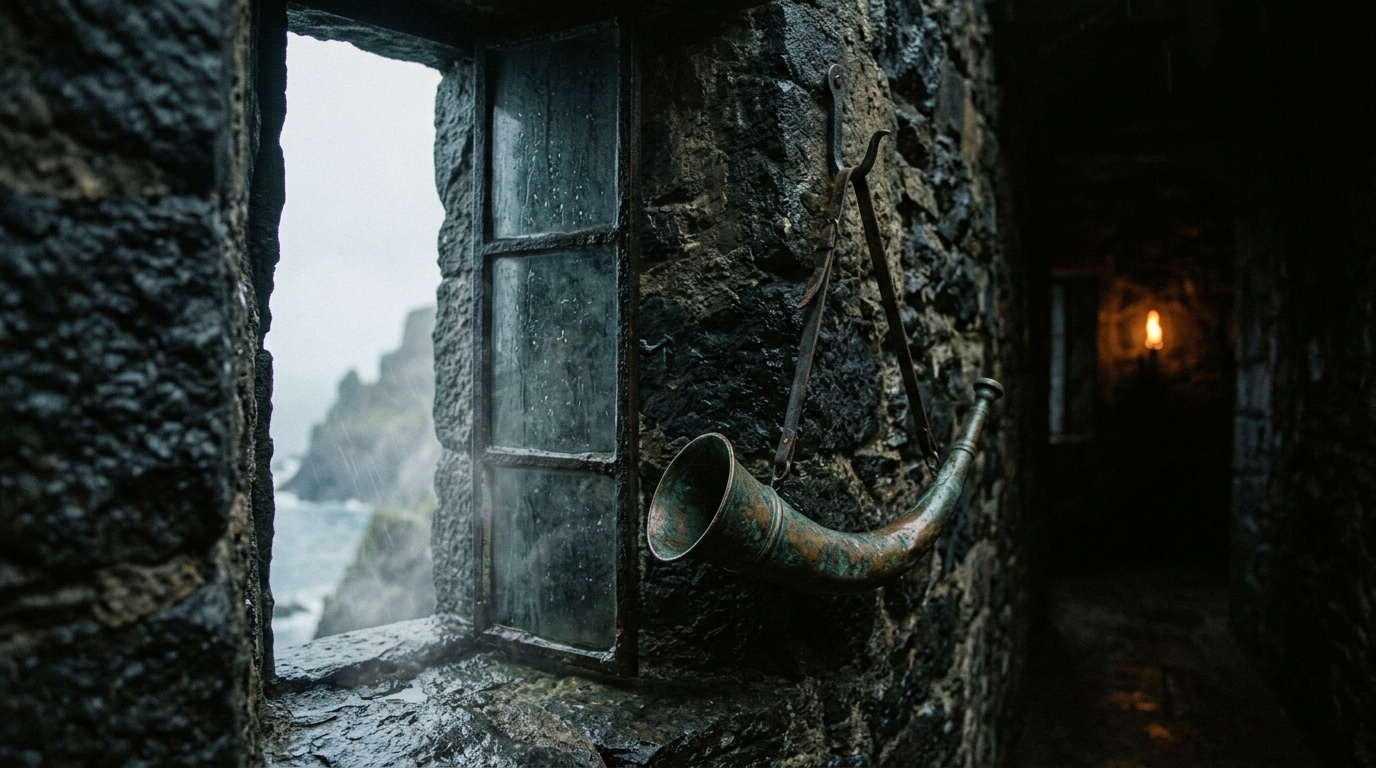
The Hart Chose Rhaenyra, Not Aegon
THE THEORY
The white hart's appearance to Rhaenyra, after eluding every hunter sent out in Aegon's name, is the show's structural inversion of Otto Hightower's staged political omen, and the inversion is most damaging not because Rhaenyra receives the sign but because she refuses to deploy it. Otto names the hart as a divine portent for the infant prince before the hunt begins; the creature then presents itself freely to the princess he is working to displace, and she releases it back into the forest without telling anyone. The succession debate in the pavilion continues unsettled while the show has already rendered its symbolic verdict in the Kingswood, through a witness who declines to speak.
How This Theory Works
The white hart's appearance to Rhaenyra is not a loose symbolic coincidence. It is the show's counter-argument to the Hightower faction's political theater, delivered through the one medium Otto cannot stage-manage: the behavior of a wild creature. Otto names the hart as a divine sign for Aegon before a single tracker has located it, converting an unfound animal into a legitimacy instrument. The royal huntsmen then spend the entire episode failing to find it in Aegon's name. What the show does next is structurally punishing: the creature presents itself freely to the person the Hightower faction is working to displace, at dawn, without compulsion, after having refused everyone sent to claim it as someone else's omen. The show is not suggesting Rhaenyra is divinely favored in a straightforward sense. It is arguing that legitimacy, when it arrives, ignores the political machinery constructed to direct it.
The evidence depends on two parallel scenes the episode sets against each other without commentary. Viserys hacks at a bound ordinary stag with a borrowed spear, fails to kill it cleanly, and earns only effort and embarrassment from a kill carrying no omenic weight. Rhaenyra does nothing except witness a creature of mythological significance walk into the frame and present itself to her, and then she releases it. The contrast the show builds is not between two kinds of hunters. It is between two relationships to power: one that must be forced and still fails, and one that arrives unbidden and is not kept. Rhaenyra's stated sense of powerlessness frames the encounter precisely. She tells Criston she wields no real authority despite her status as named heir. The hart's appearance is then the single moment in the episode where something in Westeros defers to her outside of political calculation, which is also why it cannot be converted into political capital.
The most uncomfortable reading the evidence supports is not that the show endorses Rhaenyra's claim. It is that the show constructs a symbolic verdict on the succession question and then has its own protagonist bury the verdict. Rhaenyra spares the hart and tells no one. She returns to the pavilion carrying boar's blood instead of proof. Otto's omen goes unfulfilled by the creature itself. Rhaenyra's counter-omen goes unannounced by her own hand. The succession argument the nobles are conducting in the open is resolved, symbolically, in the forest, by the one witness least positioned to use it and most inclined not to try.
Is this theory convincing?
Key Evidence
Hart Appears at Dawn to Rhaenyra
The white hart presents itself freely to Rhaenyra at sunrise, illuminated by morning light, after spending the entire episode eluding every royal hunter sent to find it for Aegon's nameday.
Otto Names Hart as Aegon's Omen
Otto Hightower explicitly invokes the white hart as a divine sign blessing Prince Aegon's nameday before the hunt begins, establishing the creature as an intended political symbol for the Hightower succession argument.
Viserys Botches the Brown Stag
Viserys stabs a bound ordinary stag multiple times with Jason Lannister's gifted spear and fails to kill it cleanly, a scene structurally placed to contrast with Rhaenyra's effortless, unbidden encounter with the white hart.
Rhaenyra Spares the Hart
After the white hart presents itself to her, Rhaenyra chooses not to kill it and lets it return to the forest, declining to convert the omen into a public legitimacy claim she could have brought back to the pavilion.
Rhaenyra's Stated Sense of Powerlessness
Rhaenyra tells Criston she wields no real power or authority and is little more than a figurehead despite her status as named heir, which frames her encounter with the hart as the one moment in the episode where something in Westeros defers to her without political calculation.
Hart Eludes Hunters Sent for Aegon
The royal huntsmen spend the full day tracking the white hart in Aegon's name and return empty-handed, so the creature's later appearance to Rhaenyra carries the specific weight of having refused the party that sought it as an omen for another person.
Omen Inverted by Its Own Witness
The structural contrast between Otto staging an omen for Aegon and the hart appearing instead to Rhaenyra suggests the show is using the creature to argue a counter-position to the Hightower faction's symbolic politics.
Other Theories for S1E03
Daemon Would Rather Die Than Be Rescued
Daemon's solo charge into the Crabfeeder's position is not a military decision but a psychological one: he would rather die than let Viserys become the author of his survival.
The Concession Already Made: How Viserys and Rhaenyra Surrendered the Succession in Opposite Directions
Viserys and Rhaenyra share a private understanding that the succession he proclaimed cannot hold, but they have arrived at this knowledge through opposite emotional trajectories, and they have never spoken it aloud to each other.
Criston Cole Is Rhaenyra's Real Choice
Rhaenyra had already chosen Criston Cole before the marriage negotiations began, and the Kingswood scenes are not the origin of that attachment but its confirmation.
The Hightower Two-Layer Operation: How Hobert Manufactures Consensus Otto Then Exploits
Otto and Hobert Hightower are running a sequenced, two-layer operation to install Aegon as heir apparent without ever openly contesting Rhaenyra's position.