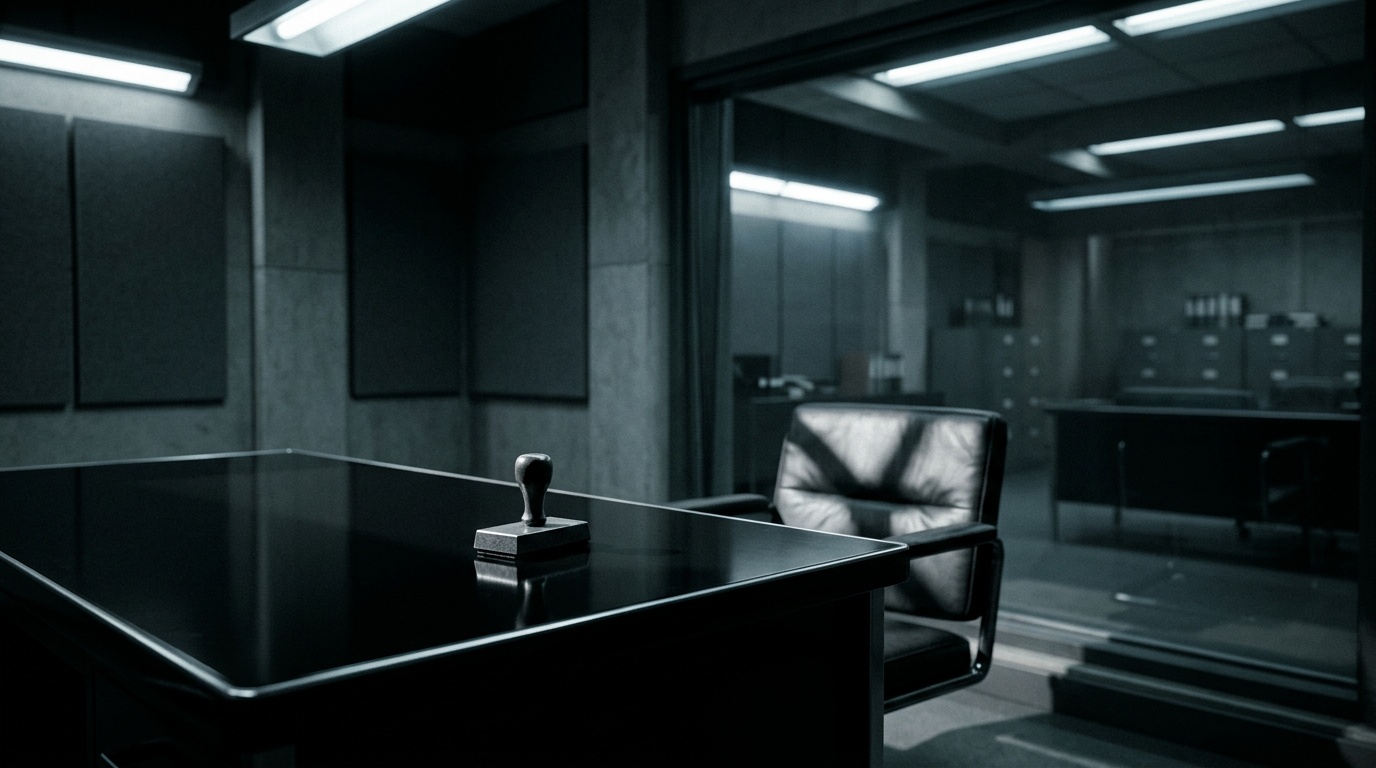
Outie Dylan's Letter Traps His Innie
THE THEORY
Outie Dylan rejected his innie's resignation not out of institutional obligation but to preserve access to a version of himself he envies, making the innie a psychological resource the outie has chosen to keep captive. The letter's offer of apparent autonomy is the mechanism of that captivity: it reframes coercion as care so that the innie's only coherent response is to stay. The outie is not keeping his innie at Lumon despite caring about him, but because of it, which is the more disturbing possibility.
How This Theory Works
Outie Dylan does not want his innie to leave because he needs his innie to exist. The rejection is not institutional loyalty and not indifference. It is emotional parasitism: the outie has identified in his innie a confidence and coherence he cannot access in himself, and he has decided that proximity to that quality, even mediated through severance, is worth trapping another version of himself inside Lumon indefinitely. The show has not confirmed this. It has, however, given the outie's own words as evidence. He admits jealousy of his innie's confidence. He says he likes knowing the innie exists. These are not the words of someone fulfilling an obligation. They are the words of someone extracting psychological sustenance from a person who cannot consent to providing it.
The letter performs the rejection as generosity. The outie tells his innie that if he wants to leave he can, while the resignation has already been denied. That structure is not an offer of autonomy. It is coercion dressed as care, designed to make staying feel like the innie's own choice rather than the outie's imposition. The framing works precisely because it cannot be refused on its own terms: to reject the framing is to reject what looks like the outie's vulnerability and honesty, which the letter has already positioned as a gift.
Milchick's staging confirms the decision carries weight that required management. He intercepts Dylan at the elevator, delivers the letter in private, and leaves the room before Dylan reads it. That choreography is not protocol. It is a controlled environment designed to minimize witnesses to Dylan's reaction and foreclose any immediate escalation. The privacy Milchick grants is real in form and coercive in function. It ensures Dylan absorbs the rejection alone, without anyone present to validate his anger or his right to refuse the outie's framing.
Is this theory convincing?
Key Evidence
Outie Rejects Resignation Request
Dylan is shocked to learn his outie has rejected his resignation request, confirming the outie made an active choice to keep the innie at Lumon rather than allowing him to leave.
Milchick Intercepts Dylan at Elevator
Milchick meets Dylan at the elevator immediately after turning on the hallway lights, staging the delivery of the outie's response as a controlled, private event rather than a routine notification.
Milchick Grants Dylan Private Reading
Milchick places the outie's letter down and leaves the room so Dylan can read it alone, framing the rejection as a gesture of respect and obscuring the coercive nature of the outie's decision.
Outie Admits Jealousy of Innie
The outie's letter explicitly states he is jealous of innie Dylan's confidence, revealing that the rejection is rooted in the outie's own emotional needs rather than institutional obligation.
Outie Frames Staying as Innie's Choice
The letter tells innie Dylan that if he wants to leave he can, but suggests he should stay, performing the refusal as an offer of autonomy while the resignation has already been denied.
Other Theories for S2E10
Outie Dylan's Letter Leaves the Door Open
Outie Dylan's letter to his innie is not a rejection of resignation so much as a confession of inadequacy, one that grants innie Dylan autonomous decision-making authority the severance system does not permit and puts that grant in writing inside a Lumon facility.
Completing Cold Harbor Ends Innie Mark
Innie Mark has chosen to initiate a rescue that structurally requires his own dissolution into a reintegrated consciousness weighted toward outie Mark, and the show has not confirmed he survives it.
Reintegration Means Losing Helly Forever
Innie Mark's resistance to reintegration is not a fear of erasure but a refusal to accept the permanent loss of Helly, the only version of her who will ever exist outside Helena Eagan's control.
Jame Sees Kier in Helly, Not Helena
Jame Eagan's preference for Helly over Helena is not paternal ambivalence but active substitution: he has identified his daughter's innie as the vessel carrying Kier's qualities that Helena lost in adulthood, and his visit to the severed floor the night before Cold Harbor's completion suggests he is preserving access to that vessel rather than managing a family liability.
Lumon Planned to Discard Everyone After Cold Harbor
Lumon designed the severance program as a closed experimental arc with a fixed endpoint, intending to dispose of Mark, Gemma, and every MDR employee the moment Cold Harbor was filed.
Cobel Operates at Two Registers Simultaneously: The Warning Scene Is the Strategic Architecture in Miniature
Cobel is not defecting from Lumon out of conscience but maneuvering to reclaim ownership of the severance program and settle a private score with the Eagans, using Mark as her instrument.
The Equator Is Where Innies and Outies Meet
The equator in Severance's season finale is not a romantic gesture.