Outie Helly Chose to Keep Her Innie Trapped
THE THEORY
Outie Helly's decision to return her innie to Lumon after a near-fatal suicide attempt is a deliberate, informed choice that suggests she either holds a pre-existing agenda requiring her presence on the severed floor or enrolled in the program with knowledge that made her innie's distress an acceptable and foreseeable cost. The outie is not a passive figure being managed by Lumon. She may be one of its willing instruments, which would mean innie Helly's suffering is not a tragedy the outie is being shielded from but one she has twice chosen to continue.
How This Theory Works
Outie Helly is not being coerced into keeping her innie at Lumon. She is choosing it, and that choice is more damning than coercion would be, because it means she cannot be rescued from the situation. She is the situation.
The outie has been given evidence that should end the arrangement. Her innie attempted to die rather than continue. Cobel confirms the outie has no intention of letting Helly go. Resignation requires active outie consent under the show's established structure, meaning the outie reviewed what happened and made a deliberate decision to return her innie to the floor. That decision requires explanation the show has withheld.
The prior episode established that outie Helly explicitly told her innie she was not a person. That framing is not incidental cruelty. It is a load-bearing psychological move. A person who has pre-decided her innie lacks moral standing can absorb evidence of the innie's suffering without being obligated to act on it. The suicide attempt becomes, under that framework, not a crisis but a data point about the innie's emotional volatility. The outie has already constructed the interpretive system that lets her ignore what she is seeing. But that still does not explain the active return. Denial is passive. Sending someone back is not.
The theory that the outie is operating under Lumon coercion is the charitable reading, and the show has allowed audiences to settle there. The harder claim is that the outie enrolled in severance with knowledge of what the program actually involves at Lumon, and that her innie's suicide attempt did not change her calculus because it was already priced in. Someone who understood the program's architecture, agreed to it with full information, and then received evidence of her own near-death before sending herself back is not acting from ignorance or manipulation. She is acting from commitment to something that has not been named on screen. That commitment makes her not a victim of Lumon but a participant in it, which means every scene of innie Helly's suffering is, at some structural level, something outie Helly authorized in advance and re-authorized afterward.
Is this theory convincing?
Key Evidence
Cobel Confirms Outie's Refusal
When Mark asks if Lumon is letting Helly go after her suicide attempt, Cobel explicitly states that Helly's outie has no intention of letting her go and that Helly will be back at her desk in a few days.
Outie Denied Innie's Personhood
In a prior episode, outie Helly sent her innie a video message explicitly telling her she was not a person, establishing a psychological framework in which the outie could discount the innie's suffering as morally irrelevant.
Mark's Protest Goes Unanswered
Mark tells Cobel that Helly nearly died because she does not want to be there, and Cobel's only response is to redirect blame onto Mark and tell him to have a productive day, with no justification offered for the outie's decision.
Outie Received Evidence Before Deciding
The show's structure confirms the outie would have been informed of or shown evidence of the suicide attempt before making the decision not to resign, meaning the return to Lumon is a response to that evidence rather than ignorance of it.
Helly Returns to Desk Regardless
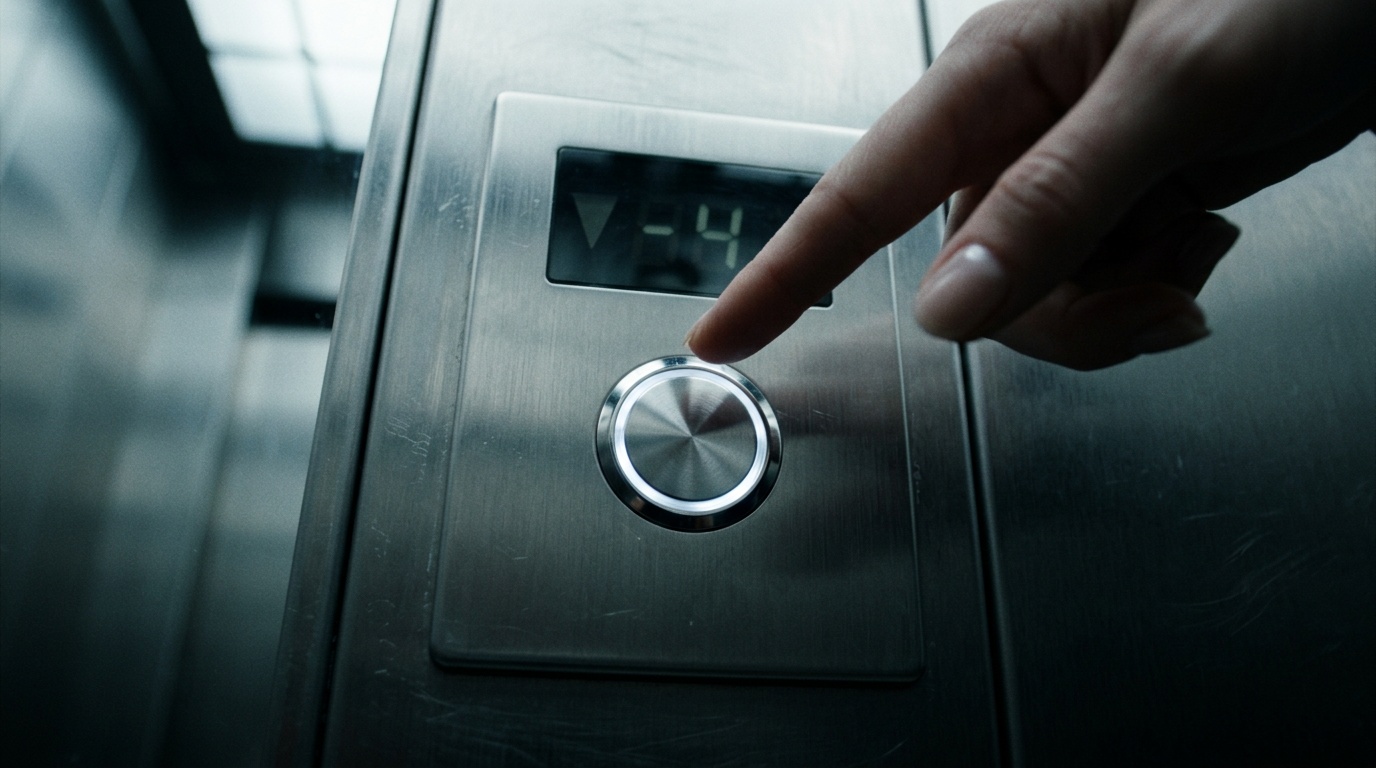
Milchick and Mark wait at the elevator to receive Helly when she returns, and Milchick instructs Mark on how to make his eyes look kind, treating Helly's return as a managed administrative event rather than a tragedy to be addressed.
Innie-Outie Conflict as Structural Pattern
Helly's repeated escape attempts, resignation requests, and suicide attempt across five episodes establish a sustained conflict between innie preferences and outie authority that cannot be attributed to miscommunication.
Other Theories for S1E05
Cobel Is Growing a Parallel Institution
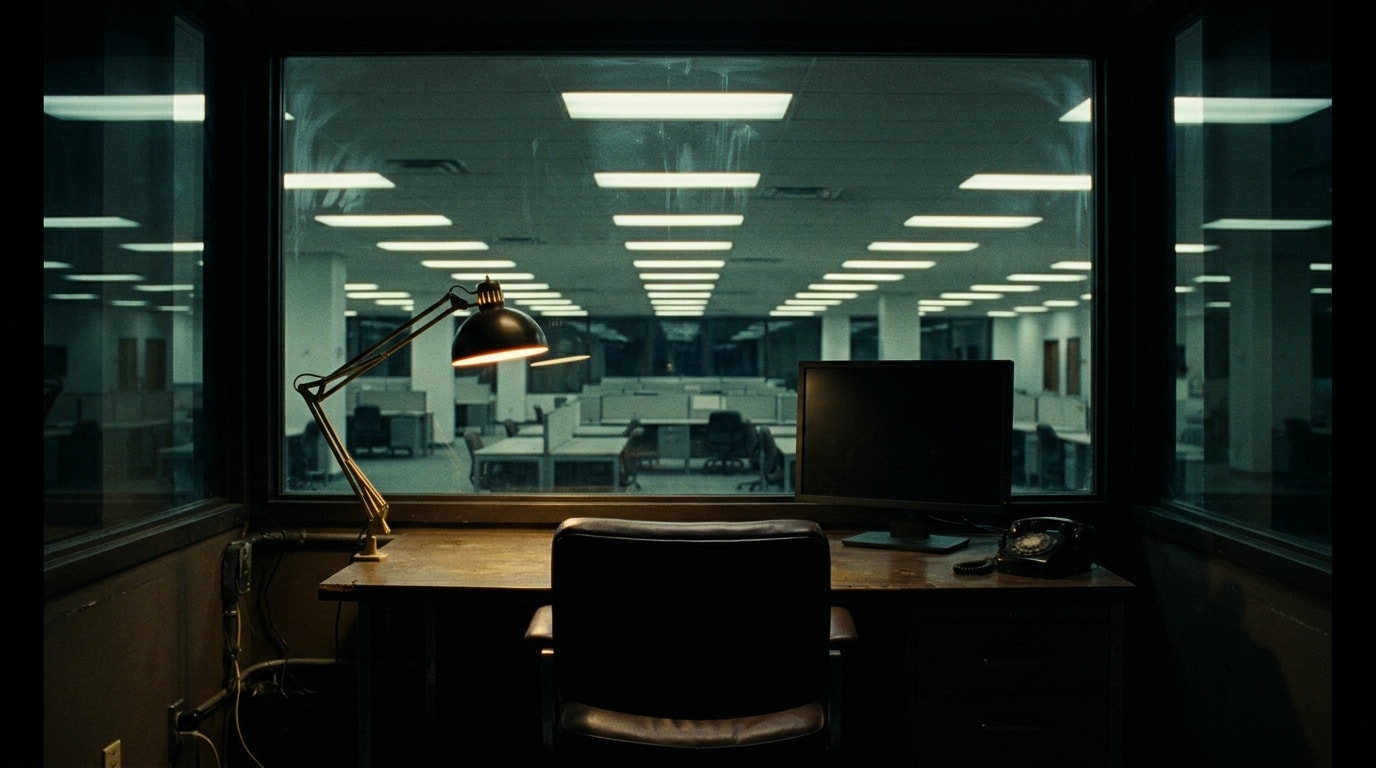
Cobel is not a loyal Lumon officer managing crises; she is running a dual-axis control operation that uses Lumon's infrastructure while keeping its Board deliberately uninformed.
Lumon Stole Ricken's Book Before Mark Could Read It
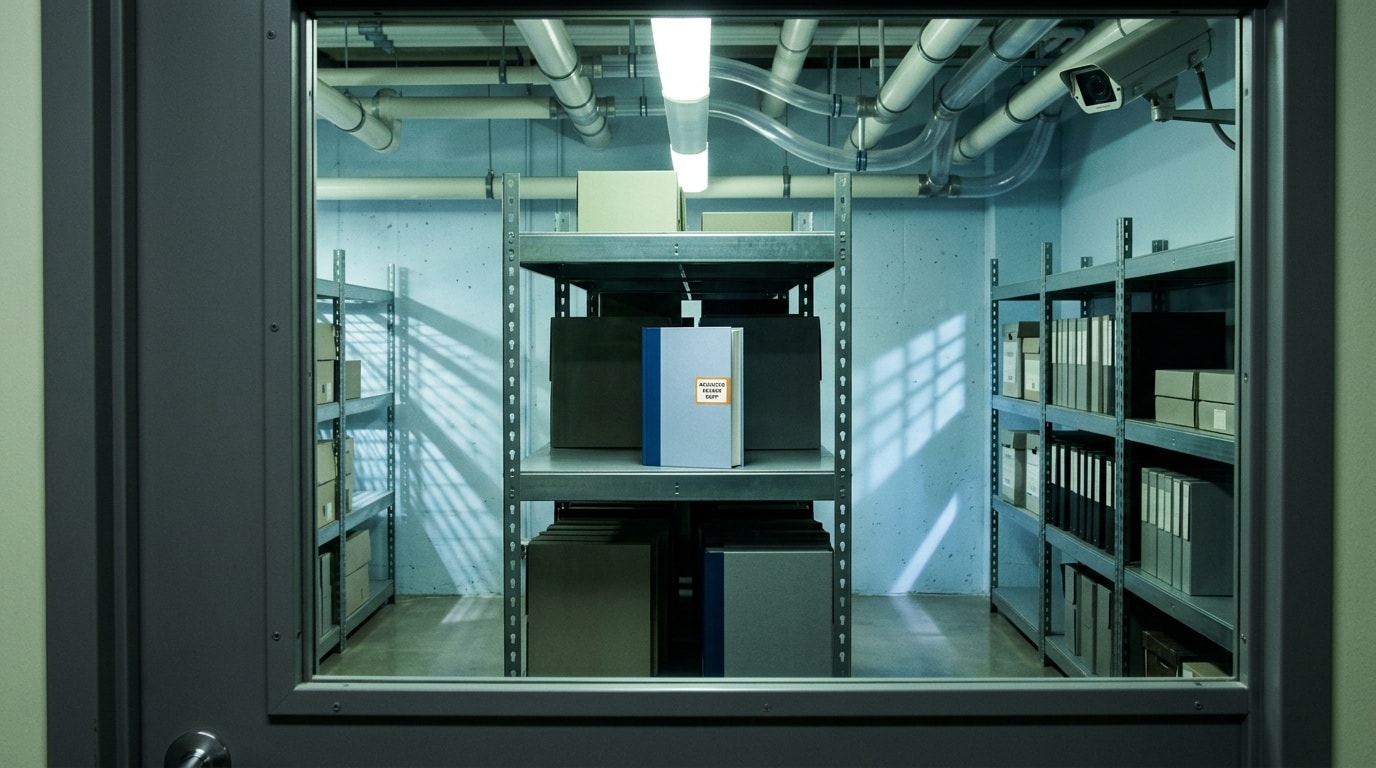
Lumon intercepted Ricken's advanced copy of 'The You You Are' from Mark's doorstep before his outie could read it, then placed it inside the severed floor, controlling which version of Mark encountered the book first and under what conditions.
Ricken's Philosophy Is Mark's Resistance Manual
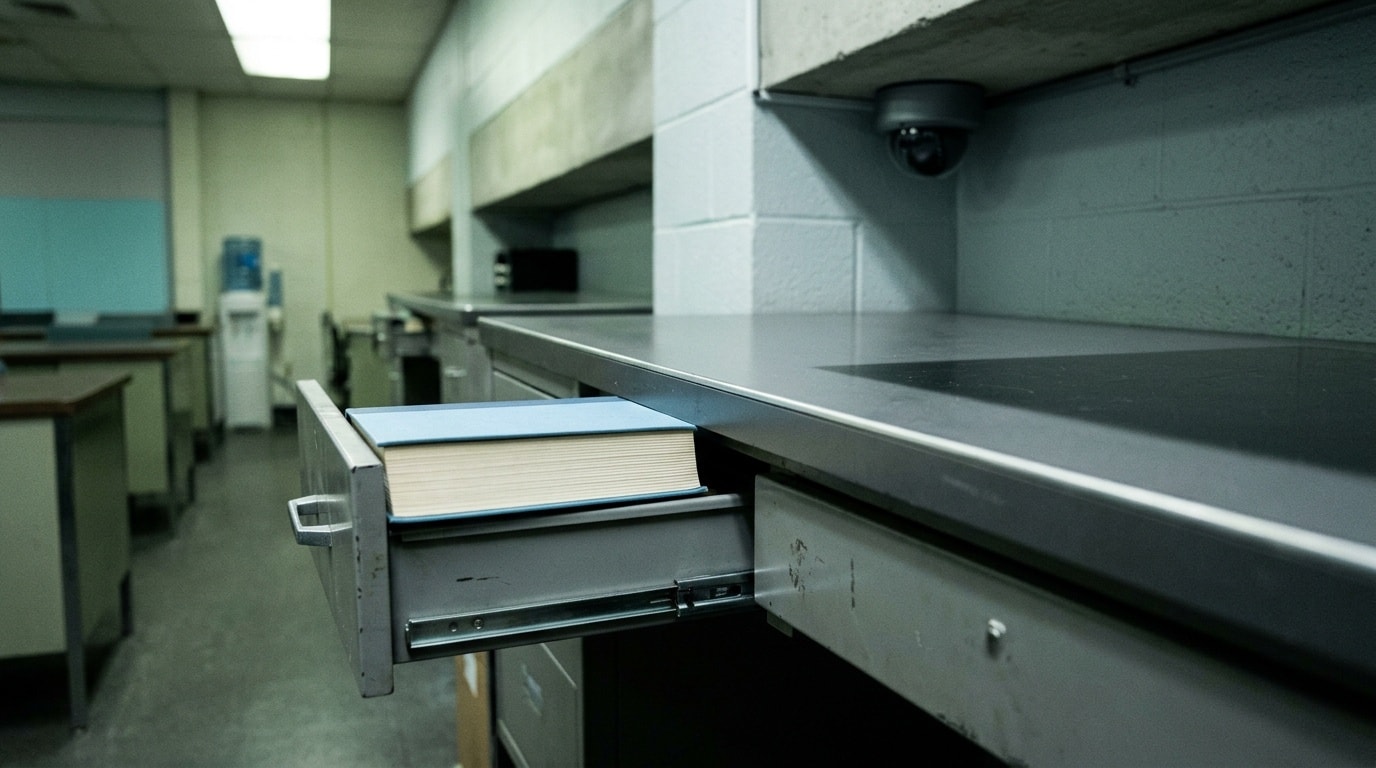
Mark's innie is constructing a counter-ideology against Lumon using Ricken's book as a resistance manual, and the concealment behavior is the evidence: covert, sustained, initiated at the precise moment institutional failure became undeniable.
Mark's Coffee Spill Was Deliberate Sabotage
Mark's coffee spill was a calculated removal of Cobel's surveillance proxy from Helly's desk, not an accident.
Mark's Slip Exposes Petey as His Source
Mark's outie has been sitting on Petey's conclusions about Lumon for some time, neither acting on them nor discarding them, and the labor cabin broke his containment before he could stop it.
The Goats Are Being Prepared for Something
The goats on Lumon's severed floor are being held to a predetermined schedule for an undisclosed purpose, and the most uncomfortable reading of the available evidence is that the MDR team's numbers work is directly tracking or managing something biological about them.