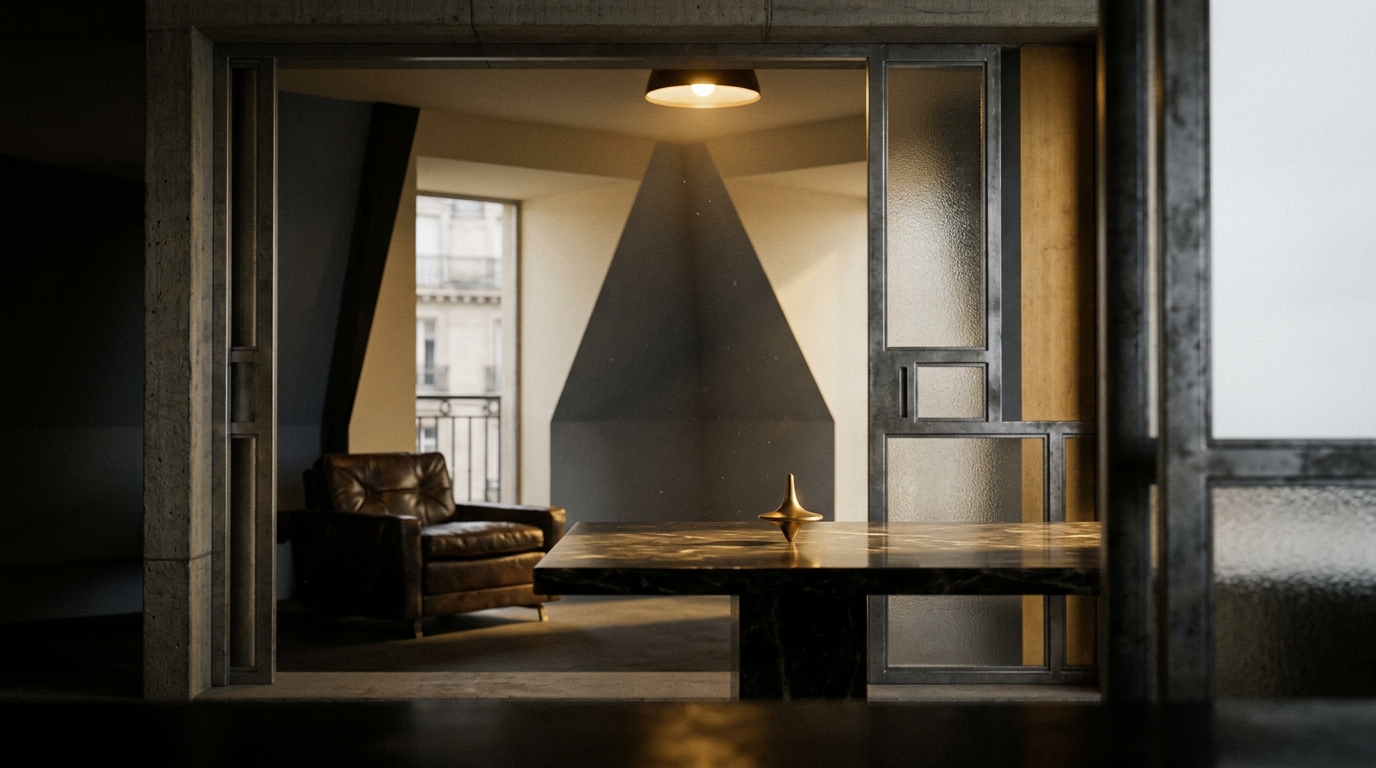
Cobb's Totem Was Never His: The Inherited Anchor and the Dream He Chose to Keep
THE THEORY
Cobb's spinning top cannot function as a reality anchor because it was Mal's totem, calibrated to her subconscious rather than his — meaning the same guilty mind that projects Mal aggressively enough to murder Fischer is the only instrument available to confirm whether the top is spinning correctly. When Cobb finally turns away from it mid-spin in the closing scene, the children he runs toward wear the same clothes and hold the same position as every projection he spent the film refusing to face. The reunion the audience is invited to celebrate is structurally indistinguishable from the dream he built to escape his guilt, and his decision to stop checking is either the film's only genuine act of peace or its most complete inception.
How This Theory Works
The detail that destabilizes Inception's entire ending is not the wobble in the top's spin. It is the ownership. The spinning top was Mal's totem — a device that functions precisely because only its owner knows its exact weight and behavior in physical reality, making it impossible for a dreaming subconscious to replicate convincingly. Cobb never owned that calibration. He inherited the tool after Mal's death, which means every time he has spun it throughout the film, the test has been administered by the wrong person. Its behavior inside a dream could be perfectly mimicked by his own subconscious, and he would have no independent mechanism to detect the forgery. The totem was always an anchor attached to someone else's shore.
The film does not hide this structural flaw — it demonstrates its consequences in explicit operational terms. Cobb cannot serve as his own dream architect because his guilt manifests Mal as an active saboteur, not a passive memory. She destroys the architectural spaces he builds. On the third level of the Fischer job, she kills the target outright, forcing the team to improvise a descent into Limbo. This is the same subconscious that is being asked, every time Cobb spins the top, to confirm whether reality feels correct. The entity generating the threat and the entity performing the verification are identical. The idea that the top provides independent evidence was already compromised before the mission began, and the film's decision to make Ariadne the architect — explicitly because Cobb's mind cannot be trusted to build stable space — confirms that the production logic of the story knows this too.
The emotional architecture underneath the faulty totem is guilt structured as flight. Cobb does not simply want to return home. He wants to earn access to a version of himself that can look at his children without flinching — and those are different destinations. The film establishes this distinction through a small repeated gesture: throughout the dream sequences, when projections of his children appear, Cobb averts his gaze before they can turn to face him. He cannot tolerate being seen by even a simulation of them, because being seen means being judged for what he did to their mother. The reunion he is pursuing is not geographical. It is the moment he can hold their gaze without the weight of that judgment, and nothing about clearing his legal record guarantees he will reach it. His confession in Limbo makes this parallel explicit: he incepted Mal with the belief that their shared dream world was not real, she woke up convinced, she was wrong, and she died acting on a planted certainty. Cobb is now running toward his own version of that convinced certainty, armed with a totem he did not build and a subconscious he cannot govern.
The children in the final shot are the film's most carefully constructed trap. They wear the same clothes as every prior vision Cobb has averted his eyes from. They hold the same position. They are framed with the same sun-drenched, compositionally flattened quality that characterizes Cobb's memory-icons throughout — images that read less like private grief than like symbols of what he destroyed, abstractions his guilt has substituted for actual recollection. When Cobb finally turns to see their faces clearly, the film treats this as resolution, and in emotional rhythm it functions as one. But the closing shot offers the children in precisely the form they have appeared every time they were unreachable: frozen, posed, identical. The one thing that changes is that Cobb no longer looks away. Whether that change belongs to reality or to a dream that has finally become comfortable enough to inhabit is the question the totem, even if it had been his, could not have answered.
What Cobb does in the final scene is not check the top and feel satisfied. He spins it and walks away before it can tell him anything. The film frames his attention shifting to the children as the emotional payoff the entire story has been building toward, and it is — but it is also the moment the film's most damning evidence accumulates into a single image. Cobb's confession about Mal established that inception works by planting a belief that feels like peace, that the subject wakes up convinced without being correct. Something — the mission, the descent into Limbo, the emotional labor of confronting his guilt — has now planted in Cobb the belief that reality is wherever his children are. He is convinced. The top is still spinning. He does not turn back.
Is this theory convincing?
Key Evidence
Cobb Walks Away Mid-Spin
In the final scene, Cobb sets the top spinning and then immediately moves toward his children without waiting to observe the result, a deliberate break from every prior use of the totem in the film.
Top Wobbles But Screen Cuts
The camera holds on the spinning top as it shows a slight wobble, the only visual hint that it may be losing momentum, but the film cuts to black before any definitive result is visible.
Cobb's Confession About Mal in Limbo
Cobb reveals that while in Limbo with Mal, he incepted her with the belief that their shared dream world was not real, and that after waking she retained that planted belief and eventually died trying to act on it.
Totem Belongs to Mal, Not Cobb
The spinning top was originally Mal's totem, not Cobb's, which means its behavior may not reliably serve as a reality anchor for him and raises questions about what it actually confirms when he uses it.
Mal Sabotages the Fischer Mission
Mal's projection appears in the third dream level and kills Robert Fischer before the inception can be performed, demonstrating that Cobb's unresolved guilt is not a passive presence but an active threat requiring direct confrontation.
Cobb Cannot Design His Own Dreams
Ariadne must serve as architect because Cobb's guilt causes his projection of Mal to sabotage any dream architecture he constructs, establishing that his psychological state directly contaminates the shared dream environment.
Children's Faces Replace the Totem
When Cobb turns to see his children's faces clearly for the first time in the film, he abandons the totem mid-spin, and the narrative treats the children's presence as the only confirmation of reality that matters to him.
Other Theories

Mal Is Cobb's Guilt Made Flesh
Cobb's projection of Mal is not a haunting from outside but a manifestation of his own unresolved guilt over her death.
Inception Succeeds Through Emotional Truth, Not Deception
The inception of Robert Fischer works not because the team outmaneuvered him intellectually, but because they crafted an idea rooted in his emotional relationship with his father.
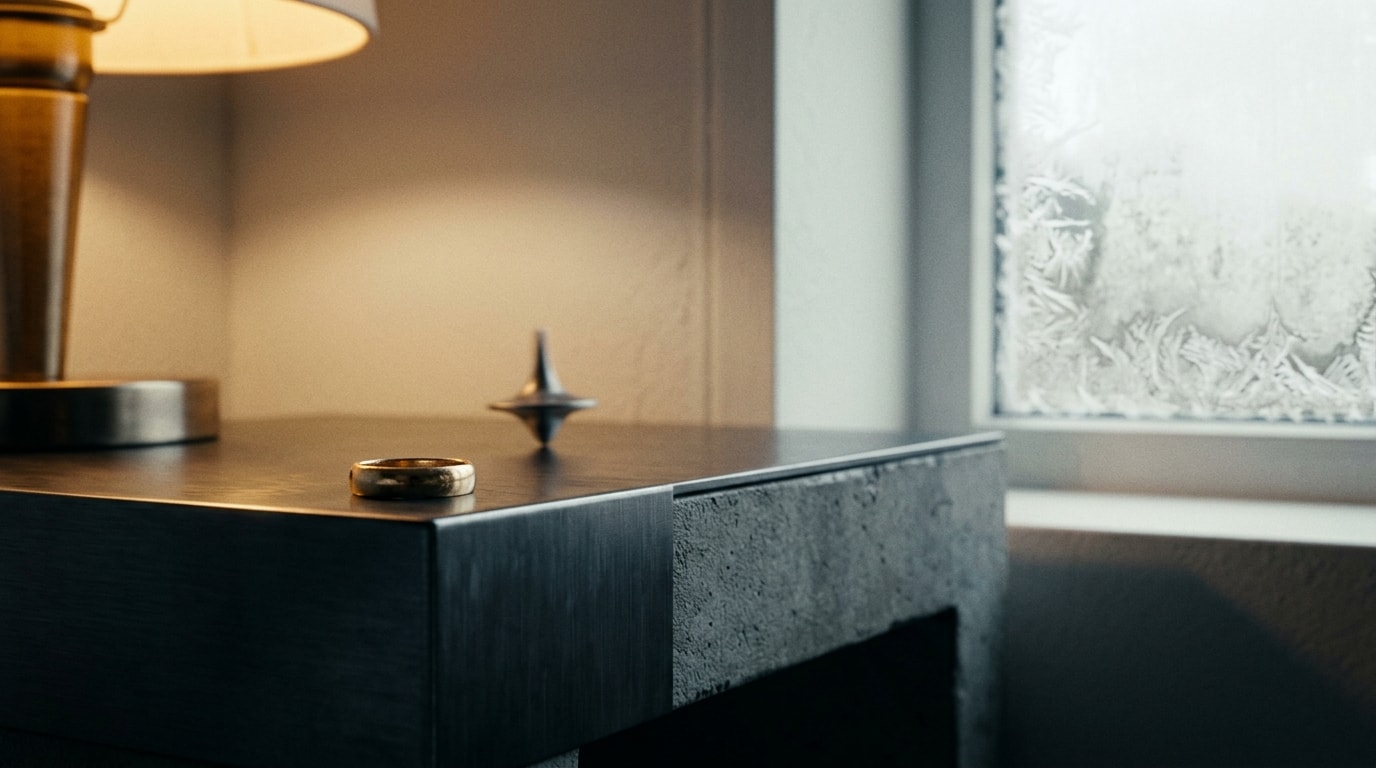
The Ring Cobb Never Wears in Reality
Cobb's wedding ring, present in every dream and absent in every reality scene, functions as the film's actual totem, one that operates below his conscious control and therefore bypasses the failures that disqualify the spinning top.

Cobb Runs Toward Children, Away From Guilt
Cobb's pursuit of the inception job is not simply about reuniting with his children.
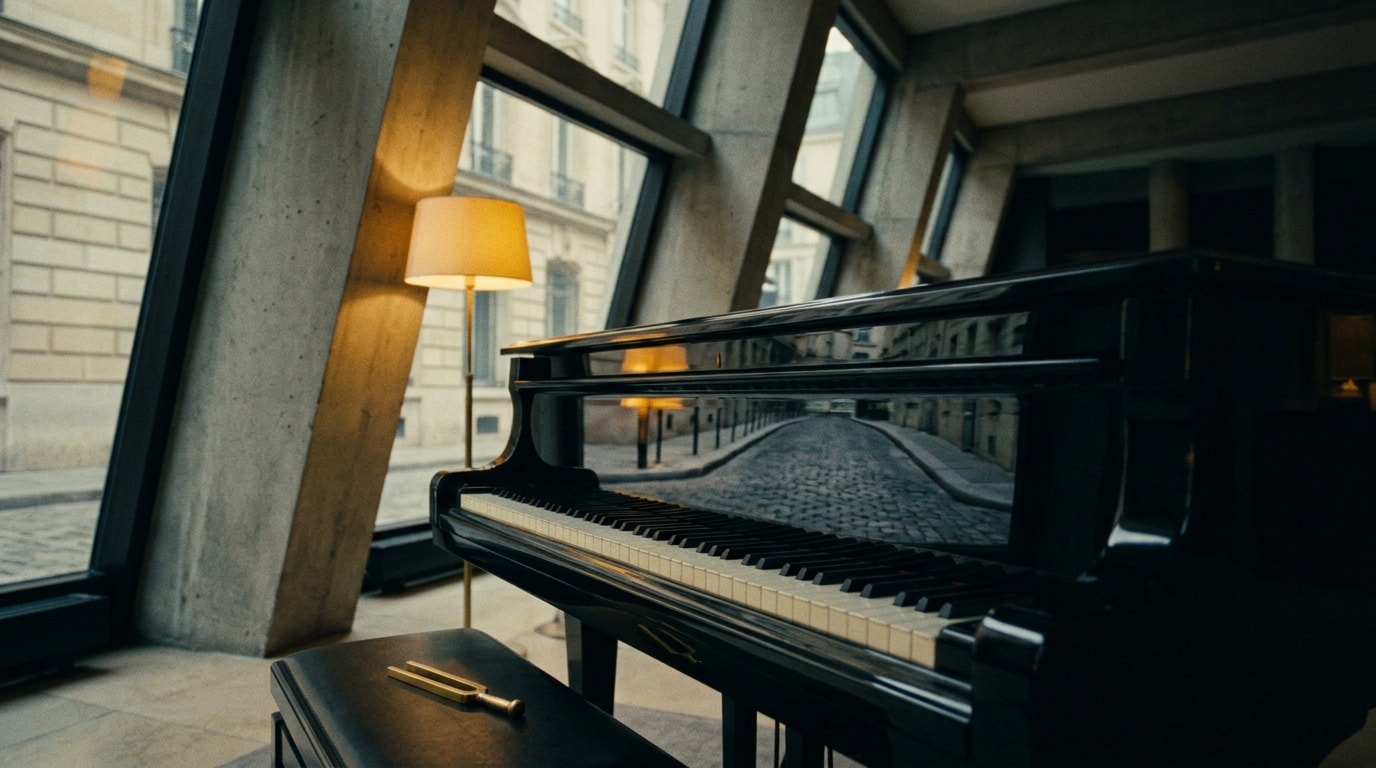
Piaf's Song Is Cobb's Wake-Up Call
The theory holds that 'Non, je ne regrette rien' operates on two levels simultaneously: as the literal timing mechanism for the synchronized kicks that wake the dreamers, and as a subliminal message aimed at Cobb himself to release his guilt over Mal.
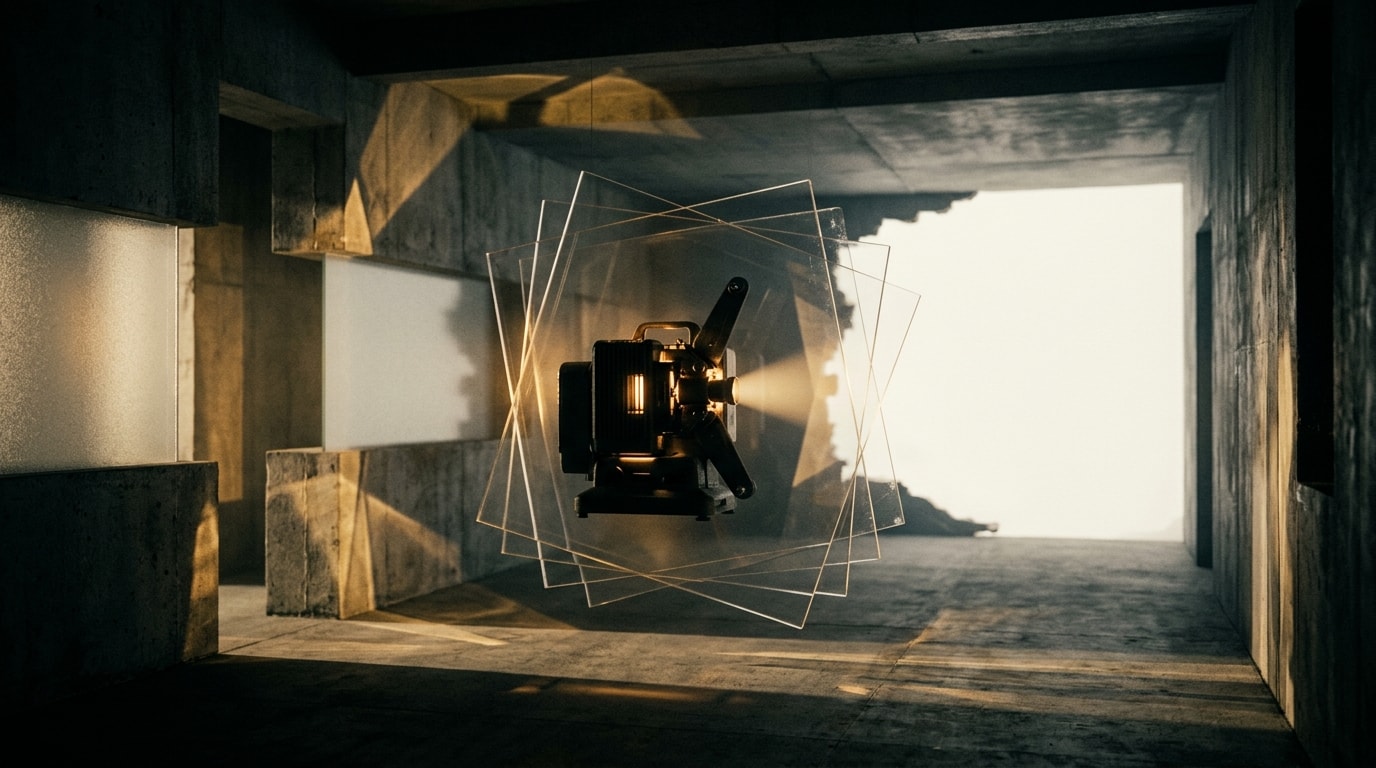
Cobb's Heist Crew as Filmmaking Allegory
This theory argues that the heist structure of Inception is a metaphor for the filmmaking process itself, with Cobb functioning as a director who assembles and coordinates a specialized creative crew to implant an experience in an audience's mind.