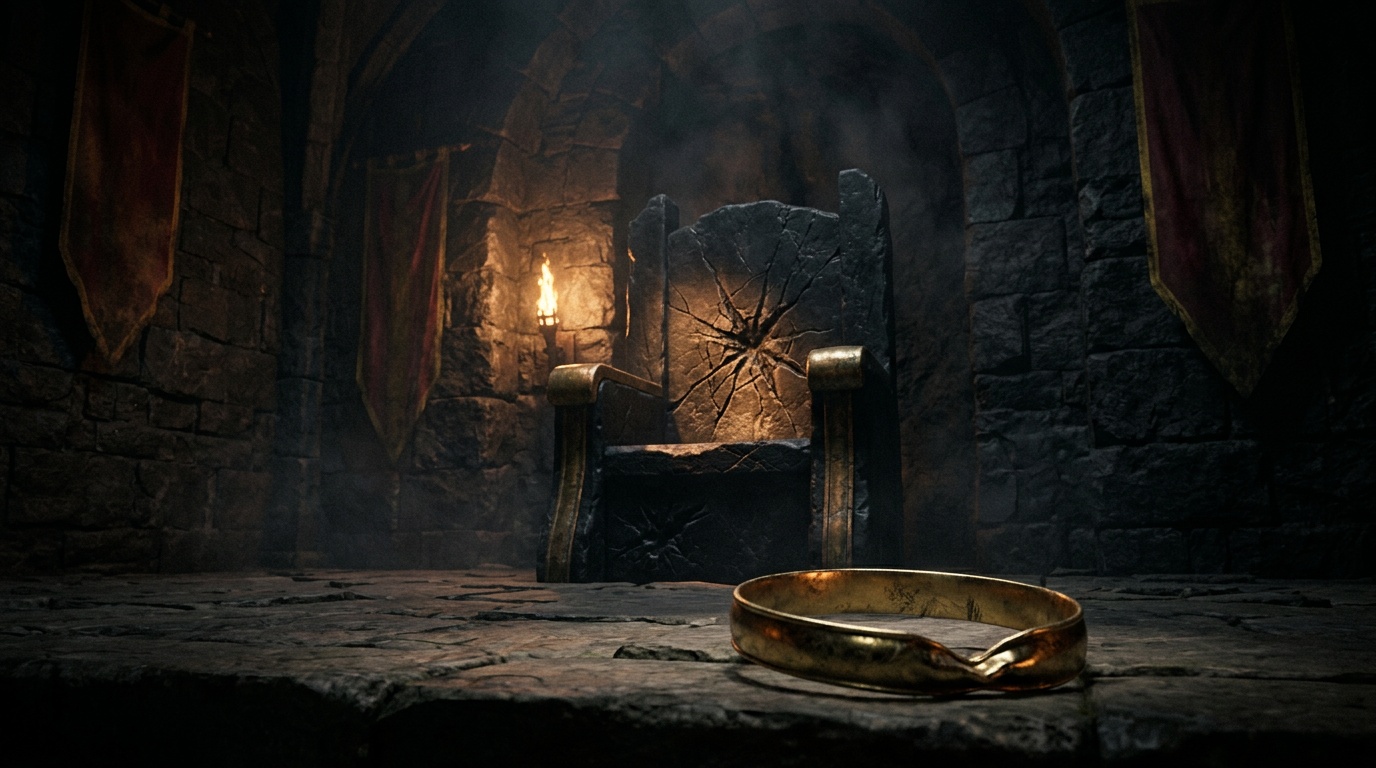
The Dragonseed Program Dismantles Jacaerys on Three Levels Simultaneously
THE THEORY
Rhaenyra's decision to recruit dragonseed riders does not merely weaken Jacaerys's succession claim. It retroactively destroys the only structural argument that had kept the question of his parentage closed, while operating simultaneously as a psychological suppression of her own exposure, an ideological concession that dynastic legitimacy is managed performance rather than blood fact, and a structural self-contradiction her own succession logic cannot refute. What the show has not confirmed is whether Rhaenyra understands that the dragonseed program has already done its worst damage: not to her enemies, but to her heir. Jacaerys's beach confrontation is the moment a son measures that depth out loud.
How This Theory Works
Rhaenyra does not trust Addam of Hull. She has substituted strategic necessity for judgment and is performing a confidence she has not earned. Her own admission to Mysaria, that without Addam she faces Aemond and Vhagar with only Syrax, is not a moment of pragmatic clarity but a confession that evaluating Addam honestly would require her to confront how fully exposed she already is. The evidence is in the beach scene: Seasmoke roars a warning when Rhaenyra approaches with her own dragon, and she stops. The dragon Addam controls has asserted an independence her authority cannot override, and her reframing of that moment as acceptable caution is itself a concession. His power over Seasmoke is real in a way her claim to it is not. Addam's father is, by his own account, no one of consequence; his family keeps no records; and Mysaria's framing of his loyalty as fortunate rather than certain is not reassurance. It is a warning Rhaenyra has chosen not to hear because hearing it would leave her with nothing workable at all. When Mysaria observes that a common shipwright vows loyalty while royal half-brothers seek her destruction, Rhaenyra's hesitation dissolves with a speed that reveals she was not genuinely weighing costs. She was waiting for a justification. 'Well, then. Let us raise an army of bastards.' The declaration sounds like resolve, but its velocity is the tell. She has not made peace with uncertainty. She has suppressed it.
The psychological suppression is what makes the ideological concession possible, and what makes the ideological concession so damaging. A queen who grants recognition to riders she cannot legally legitimate, in a war fought over the definition of legitimate succession, has conceded that dynastic logic is contingent recognition enforced by force, not blood fact. Rhaenyra does not say this. She almost certainly has not let herself think it directly. But the same logic she is now extending to commoners underwrites her own throne. Twenty years of noble contempt for her children is the catalyst she names aloud, which means the dragonseed program is simultaneously a military calculation and a settling of accounts with a class she has decided to burn. What she does not say is what she has just admitted about her own position: she has not borrowed from a lower class to shore up a noble war. She has confirmed, without saying so, that the architecture was always provisional. The exclusivity she is fighting to restore was always managed scarcity rather than blood's actual property, and she has now demonstrated that truth, in her own name, using her own authority.
Jacaerys names the structural consequence she cannot answer, and he names it not as an ideologue but as a man who has just been told the only argument keeping him alive has been handed away. He says it directly: he may argue his legitimacy to succeed her because he has a dragon, and recruiting dragonseeds strips that argument from him. This is not a strategic objection. It is a confession, spoken plainly, that his hold on the succession was always borrowed, and the terms of the loan have just changed. Addam of Hull claiming Seasmoke without any confirmed Targaryen lineage is the structural event that makes the confession necessary. Before Addam, dragon acceptance was the cork in the bottle: the counterargument to every rumor about Harwin Strong that could be stopped before it needed answering. Addam pulls the cork. Once a man from nowhere bonds a dragon on a beach, blood plus dragon no longer equals Targaryen. It equals bastard. Jace understands this with terrible precision. When he refers to the dragonseeds as mongrels, the word applies to himself, and the show does not let the irony pass quietly. When he asks Rhaenyra, in tears, whether she did not consider, when she slept with Harwin Strong, that he might be like the dragonseeds, that is not grief about the past. That is a man telling his mother she has just made him one of them. His original plan had sought Targaryen bloodlines among noble houses specifically because a more inclusive reading of the program would collapse the exclusivity his own claim depended on. Rhaenyra chose the more inclusive reading. She chose the riders.
The three levels are mutually reinforcing in a way that forecloses easy correction. Rhaenyra's psychological suppression, her refusal to honestly reckon with what she cannot verify about Addam, enables her to make the ideological concession without fully registering its cost. The ideological concession, made quickly and publicly, produces the structural wound: a class of low-born claimants whose claims her own succession logic cannot refute. And the structural wound, once open, loops back to deepen the psychological suppression, because acknowledging what Jacaerys has identified would require her to admit that the program she has staked her war on has already eroded the exclusivity her rule depends on. When Jacaerys asks what will happen if one of the dragonseed riders decides to claim the Iron Throne, Rhaenyra redirects to the war and tells him he remains her heir. That is not a rebuttal. It is a deferral dressed as one. Lord Celtigar's word for Addam, "thief," is actually the sharpest diagnosis available: Addam did not receive Seasmoke through grant or royal favor. He bonded with it, and the dragon consented. That consent cannot be revoked by decree. Every rider Rhaenyra recruits becomes, the moment they bond, someone whose power base exists entirely outside the feudal hierarchy she is fighting to restore. She has not found soldiers. She has manufactured peers, and the precedent she has established is fully citable by the first of them who decides to press a claim.
What the show has constructed is not a story about a queen who makes a desperate gamble and may pay for it later. The damage is already done, in three currencies at once, and Jacaerys's beach confrontation is the clearest proof: not because he is right about the military decision, but because the heir to the throne has already done the arithmetic his mother refuses to complete. The structural wound is not a future risk contingent on how the war goes. It was opened the moment Rhaenyra chose the more inclusive reading of her son's program and handed a carpenter from Hull the one thing that had kept a prince's parentage beyond question. She deflects Jace's question not because she lacks intelligence but because she has no answer that does not implicate her. Mysaria's framing remains the theory's sharpest edge: Addam is loyal because Rhaenyra alone gives him legitimacy and purpose. That loyalty is entirely contingent on her ability to deliver what she has promised: a throne still held by her enemies, a crown not yet won. If the war turns badly, the army of bastards does not dissolve. It looks for someone who can pay. And the person who taught them how to make the argument will be Rhaenyra herself.
Is this theory convincing?
Key Evidence
Jacaerys's unanswered succession question
Jacaerys asks Rhaenyra directly what will happen if one of the dragonseed riders decides to claim the Iron Throne, and Rhaenyra cannot provide an answer beyond redirecting to the war effort.
Celtigar calls Addam a thief
Lord Bartimos Celtigar objects to a low-born seizing a dragon and asks whether the 'Thief' is under surveillance, framing the dragon-bond as an unauthorized appropriation rather than a legitimate grant.
Mysaria's loyalty comparison
Mysaria argues that the dragonseeds may serve Rhaenyra as readily as lords or ladies, and perhaps more, while noting that Rhaenyra's own royal half-brothers want to destroy her, inverting the expected loyalty hierarchy.
Rhaenyra's blood-as-resource logic
After Addam bonds with Seasmoke, Rhaenyra concludes he must have some Targaryen blood and immediately pivots to seeking dragonseed riders for Vermithor and Silverwing, treating Targaryen ancestry as a fungible military resource.
Declaration to raise bastard army
Rhaenyra closes her conversation with Mysaria by declaring 'Let us raise an army of bastards,' framing the dragonseed program not as a reluctant wartime measure but as an ideological commitment.
Tradition of noble dragonriding broken
Addam's bonding with Seasmoke breaks the centuries-old tradition restricting dragons to noble Targaryen-adjacent houses, a rupture Celtigar's objection makes explicit and that the council cannot reverse.
Dragonseeds potentially present on Dragonstone
Mysaria hints that there are dragonseed candidates perhaps even on Dragonstone itself, suggesting the program will draw from Rhaenyra's own household and that the recruitment is already closer than anticipated.
Other Theories for S2E07

Corlys Velaryon's Hidden Bloodline Is the Foundation of Rhaenyra's Dragonseed Program
Corlys Velaryon carries latent Valyrian dragon-bonding capacity through an undocumented maternal lineage, making Addam's bonding with Seasmoke a hereditary expression of Velaryon blood rather than a Targaryen derivation.
Rhaenyra's Dragonseed Program Is Falsifying Its Own Doctrine in Real Time
Rhaenyra's strategy of recruiting common-born dragonriders rests on three stacked inferences the show has not confirmed: that Seasmoke's acceptance of Addam proves Targaryen ancestry, that her pacification of Vermithor constitutes transferable authority over where that dragon's loyalty flows next, and that dragon bonding tracks the presence of legitimate will rather than its absence.
Alicent's Exit Leaves No One to Stop Aemond
Alicent's retreat to the Kingswood is the completion of a structural collapse she set in motion herself: the logic she installed in Aemond to make him a weapon has displaced her as its director and left the Green faction with no internal moderating force.
Rhaena's Detour Is a Dragon Claim
Rhaena's secret return toward Sheepstealer's territory is a deliberate dragon claim, not a detour.
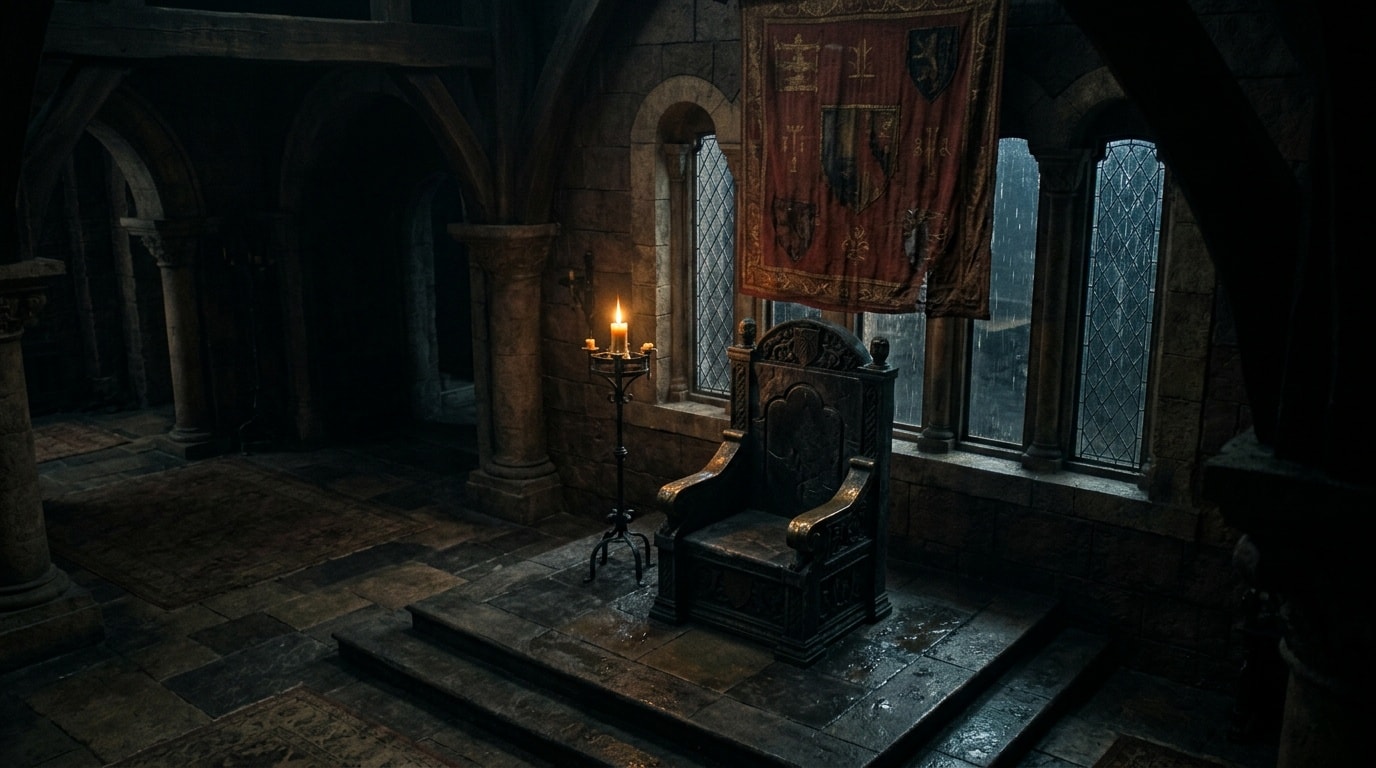
Vhagar's Unbeatable Streak Has Ended
Vhagar was never unconditionally dominant.
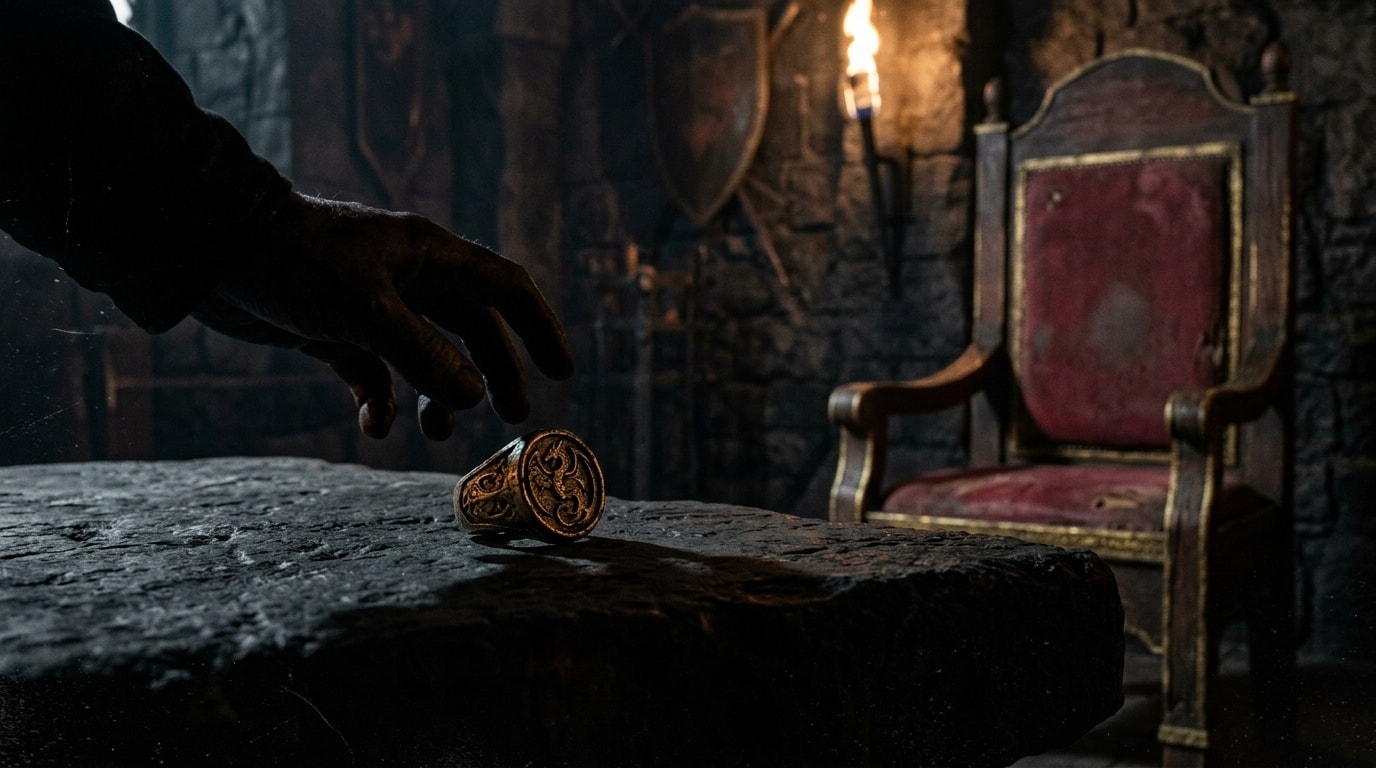
Daemon Trades a Loyalist for a Coalition
Daemon's execution of Willem Blackwood is not an act of authority but an act of submission, revealing that his power at Harrenhal is Oscar Tully's to grant rather than his own to wield.
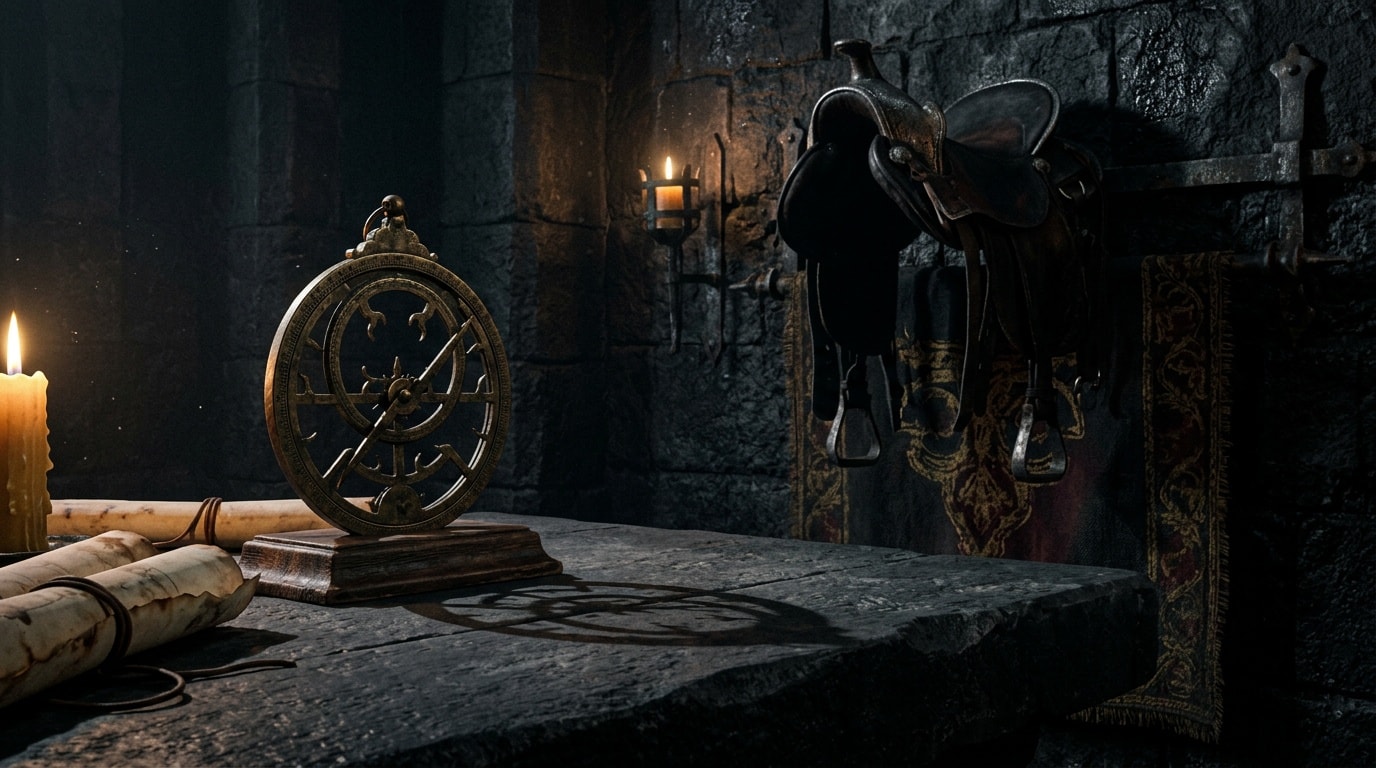
Alyn of Hull Refuses Dragonrider Destiny
Alyn of Hull is not indifferent to power.
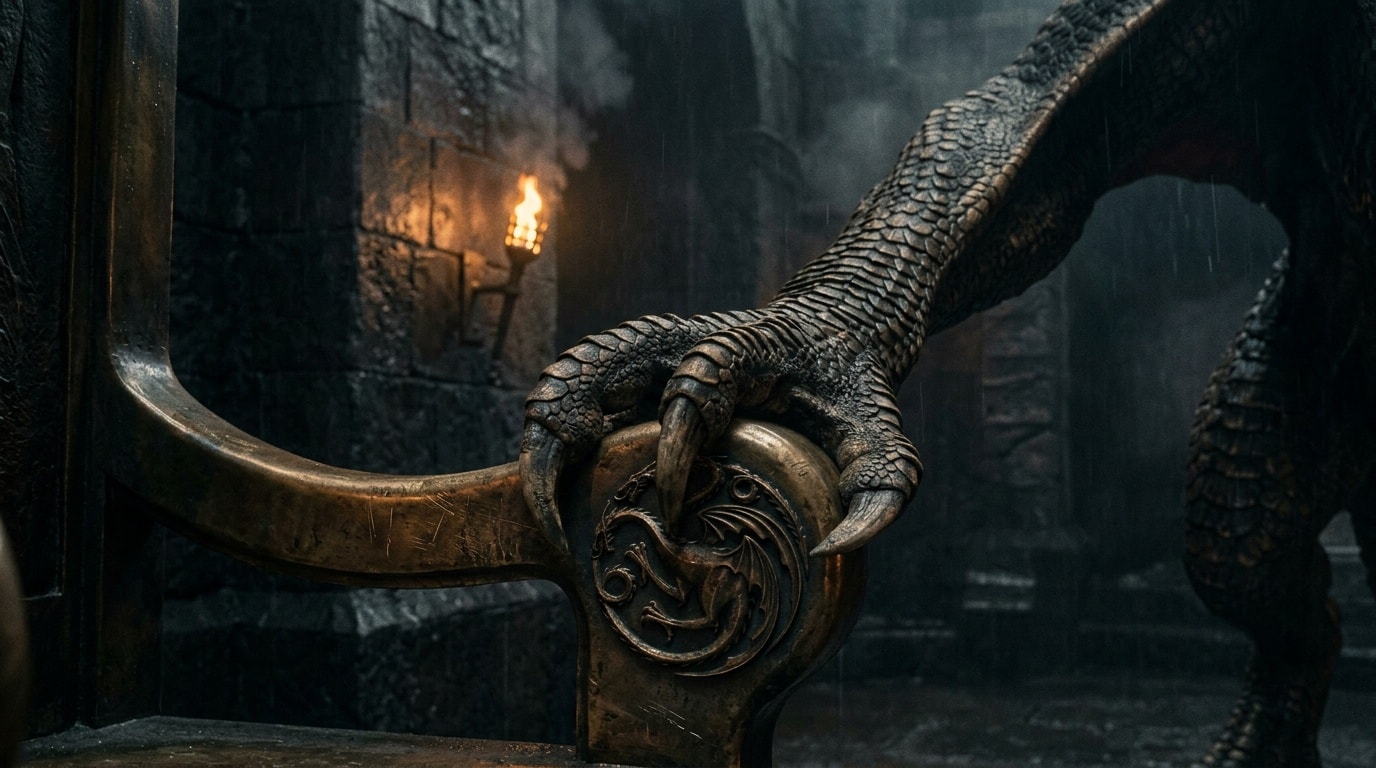
Hugh Hammer Entered the Dance Already Knowing His Claim
Hugh Hammer is the grandson of Jaehaerys I through Saera Targaryen, and he has known it his entire life.