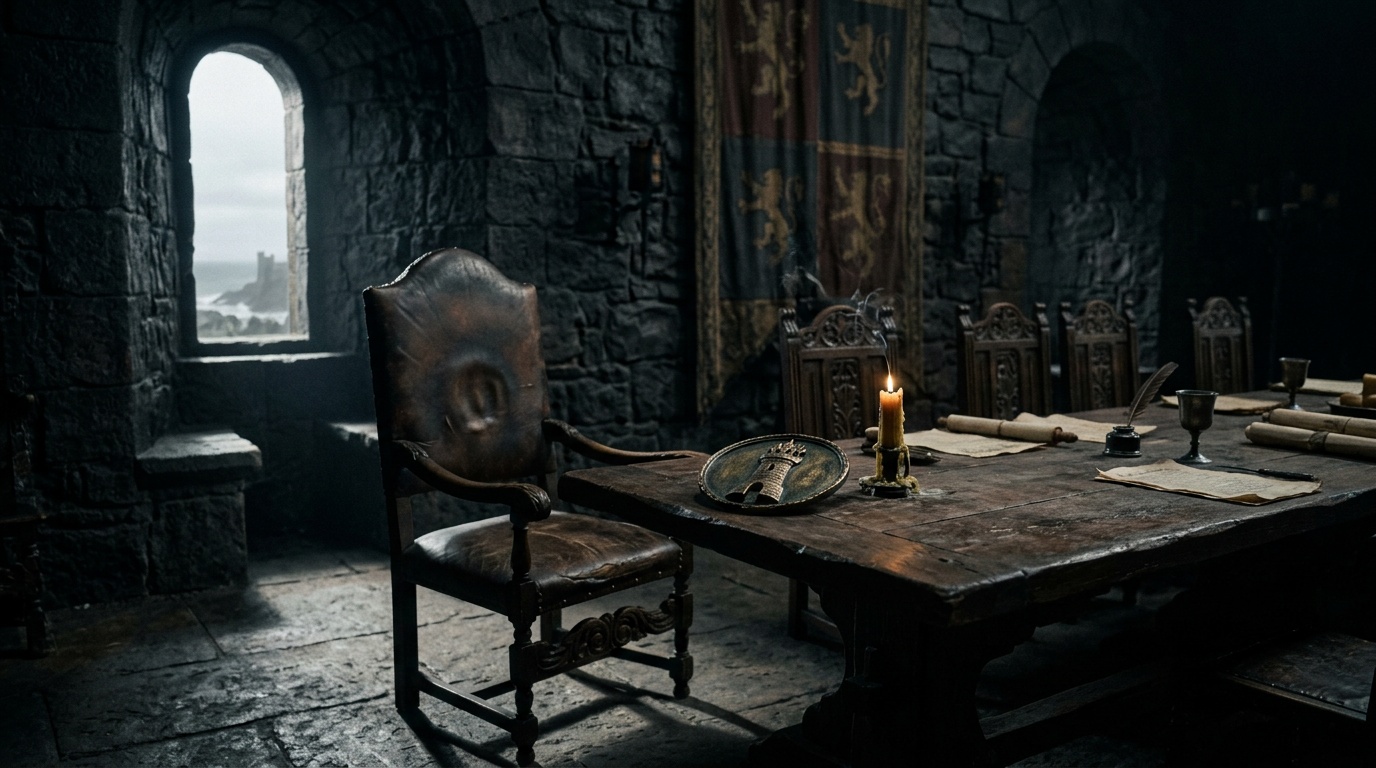
Rhaenyra's Marriage Price: Otto's Head
THE THEORY
Rhaenyra conditioned her consent to the Laenor Velaryon marriage on Viserys removing Otto Hightower from the Small Council, converting the Daemon scandal from a catastrophe into her first exercise of real political leverage. The timing of Otto's dismissal is not incidental to the marriage negotiation but is the hidden price of it. This reframes Rhaenyra not as a passive object of succession politics but as someone who had already begun treating her father's desperation as a currency.
How This Theory Works
Rhaenyra did not use the night with Daemon as a romantic indiscretion. She used it as a negotiating instrument, and what she extracted tells us something the show has not confirmed but cannot avoid implying: Rhaenyra understood, at a level she has never been shown to articulate, that her father's love for her functions as a liability she can spend. This is not the psychology of a daughter who trusts her father to protect her. It is the psychology of someone who has already stopped trusting him and begun pricing him.
The evidence lies in sequence and proportion. Rhaenyra had every reason to view Otto as her primary structural enemy at court. He was the architect of Aegon's rival claim, the man who sent his own daughter to the king's bed, and the figure most likely to use the Daemon scandal as fuel for replacing her. Removing him was not petty revenge. It was the single move that weakened the Hightower position most directly. That Viserys dismissed Otto in the same narrative movement that resolved Rhaenyra's marriage settlement is not a coincidence the show leaves unremarked. The timing is the argument. She did not simply nominate Laenor Velaryon as a preferred match. She nominated him as the visible term of an agreement whose invisible term was Otto's head.
If Rhaenyra named Otto's removal as a condition, then her acceptance of Laenor Velaryon carries a second meaning beneath the surface compliance. She was not relenting. She was extracting. The Daemon scandal becomes the moment Rhaenyra learned that her father's anxiety about succession is a resource she can spend. Otto's dismissal is not the resolution of the crisis. It is her first invoice. And if she was billing her father this early, then every subsequent appeal she makes to his love and his sense of justice has to be read as a transaction she already knows how to run.
Is this theory convincing?
Key Evidence
Otto Dismissed After Scandal Breaks
Otto Hightower is removed from the Small Council in the same narrative movement that resolves the Daemon-Rhaenyra scandal, suggesting his dismissal was a condition of her cooperation rather than an independent royal decision.
Rhaenyra Names Laenor as Her Choice
Rhaenyra does not simply accept a match proposed by Viserys but nominates Laenor Velaryon specifically, indicating she was negotiating the terms of the arrangement rather than receiving them.
Viserys's Desperation as Leverage
Rhaenyra understood that Viserys needed her public compliance with a marriage to contain the scandal, giving her a narrow but real window of negotiating power over a king who rarely granted her any.
Otto as Rhaenyra's Structural Enemy
Otto had consistently worked to undermine Rhaenyra's succession claim and was the figure most capable of weaponizing the Daemon scandal against her, making his removal the highest-value concession she could extract.
Other Theories for S1E04
Otto's Brothel Report Was Calculated Succession Move
Otto Hightower's brothel report was not intelligence offered to a king but a controlled detonation designed to make Viserys destroy his own daughter's succession while believing the choice was his.
Rhaenyra's Sacred Lie Will Break Everything
Rhaenyra's oath to Alicent is not a defensive lie but an act of exploitation: she identified the exact ground where Alicent was most vulnerable, her restored friendship and her trust, and used it as the foundation for a false statement that exceeds anything political survival required.
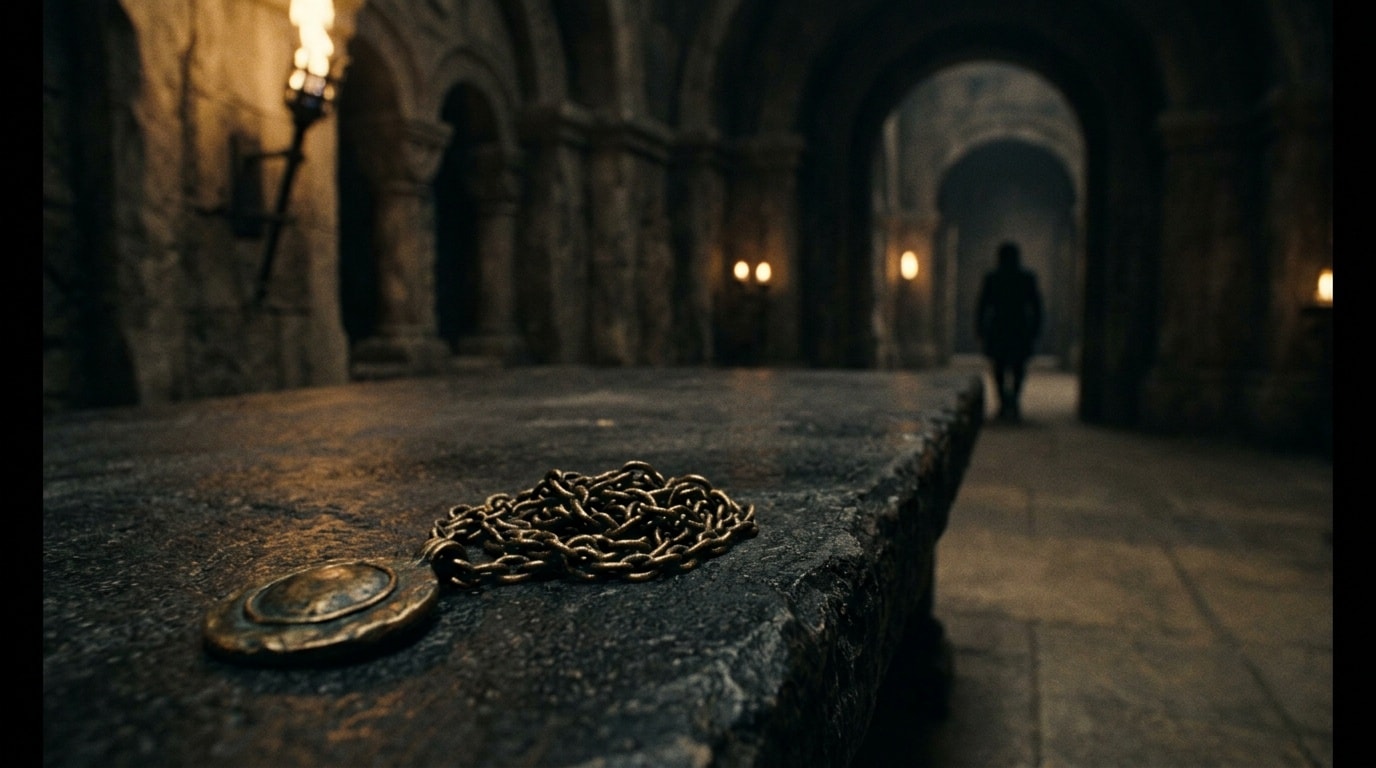
Daemon's Seduction of Rhaenyra Was a Scheme With a Beginning, Middle, and End
The necklace Daemon gave Rhaenyra in Episode 1 was not affection but the opening move of a calculated scheme to reach the throne through her, and his return in Episode 4 was triggered by visual confirmation: the necklace still on her throat had confirmed that the move had held.

Daemon Staged the Pleasure House as Fraternal Sabotage, Then Confessed to What He Did Not Do
Daemon orchestrated the pleasure house visit as a deliberate act of fraternal sabotage, removing Rhaenyra's disguise to guarantee her exposure, and then confessed to Viserys in a formulation that implied guilt without confirming any specific act.
Daemon Engineered Rhaenyra's Desire to Destroy Her Marriageability, and Cole Inherited the Damage
Daemon's Flea Bottom excursion was a premeditated political operation, not a seduction: it was designed to render Rhaenyra unmarriageable and position himself as the only viable match.

Daemon's Intelligence Operation: The Godswood Encounter Required Two Problems Solved Before It Began
The godswood reunion is framed as a convergence of accidents, but the logistics it required: advance knowledge of Rhaenyra's unplanned early return and prior intelligence on a hidden passage inside her own private chambers, cannot both have been improvised.
Mysaria's Double Transaction: How She Sold Rhaenyra to Otto and Bought Leverage Over Him
Mysaria did not passively leak the intelligence that nearly destroyed Rhaenyra's succession; she sold it to Otto Hightower through a chain she controlled and collected payment for it.
Viserys's Tea Implies Pregnancy Fear
Viserys sends Rhaenyra the tea not as a precaution but as a response to a pregnancy risk he believes is already real, and he does so without determining which encounter that night produced it.