Otto Is Already Selling His Daughter
THE THEORY
Alicent Hightower did not become her father's instrument on the night of Queen Aemma's death. She was already one. The dress instruction reveals not a new plan but the activation of a long-running arrangement, and what the show has not confirmed is whether Alicent understands this and goes to the king's chambers anyway, which would make her not a victim but a knowing participant in her own political conversion.
How This Theory Works
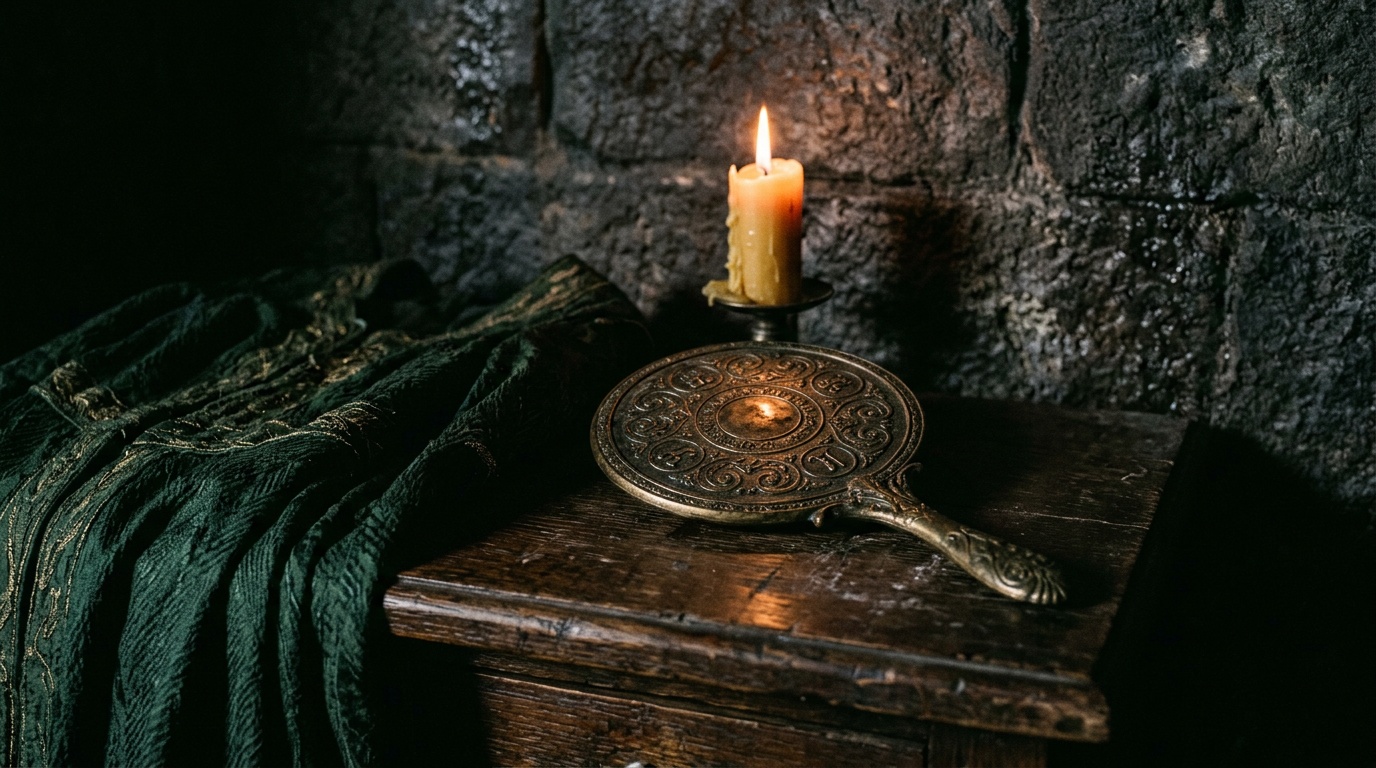
The dress is the tell. Otto does not suggest Alicent comfort the king. He tells her what to wear. One of her mother's dresses, chosen for softness and grief-adjacent femininity, deployed on the same night Queen Aemma's body is still warm. There is no charitable reading available. That is a costume selection, and it means Otto has already decided what Alicent is for.
The timing eliminates the possibility of impulse. Otto acts without waiting for a mourning period, a diplomatic interval, or any gesture toward propriety. He had already mapped the succession gap: Daemon as heir is politically untenable, Rhaenyra as heir neutralizes Daemon in the short term but leaves Viserys without a queen and without a male heir, and Alicent resolves both problems at once. The same-night deployment means the answer was prepared before the question was formally asked. Otto was not scrambling. He was executing.
What the finger-picking reveals is the part Otto does not have to say aloud. Alicent is not nervous about a new assignment. She is showing the cost of one she has been living inside for years. The book of histories she brings, the warmth she has cultivated with Viserys, the genuine friendship she has maintained with Rhaenyra: none of it was unsupervised. Otto was not building access from scratch on the night of Aemma's death. He was converting access Alicent had already built, through what she may have believed were her own relationships, into an instrument he always intended to use. The show forces the audience to retroactively read every prior scene of her court life as preparation rather than girlhood.
The sharpest implication is not about Otto. It is about what Alicent already knows. The arrangement only functions if she has been conditioned to comply without being told why, which means either she does not fully understand what she is being deployed as, or she does understand and has no language to refuse, or she understands and chooses compliance because refusal was never a real option and she has made her peace with that. The third possibility is the one the show has not yet been willing to confirm. If it is true, then Alicent is not walking into the king's chambers as her father's pawn. She is walking in as someone who has already accepted the terms, which is a far more damaging place to find her, and the one the evidence points toward most directly.
Is this theory convincing?
Key Evidence
The Mother's Dress Instruction
Otto explicitly tells Alicent to wear one of her mother's old dresses before sending her to visit the grieving king, a detail that reframes the visit as calculated presentation rather than spontaneous comfort.
Same-Night Timing of the Visit
Otto sends Alicent to Viserys's chambers on the same night Queen Aemma and the baby die, indicating urgency that is inconsistent with a genuine gesture of condolence and consistent with seizing a political window.
Alicent's Stress and Finger-Picking
Alicent is shown picking at her fingers throughout the episode, a visible sign of anxiety that suggests she is operating under pressure rather than acting freely in her relationship with the king.
Otto's Anti-Daemon Positioning
Otto actively works to diminish Daemon's standing in the Small Council and supports Rhaenyra as heir, a move that isolates Daemon but leaves the king without a clear male succession path, which Alicent could resolve.
Alicent Brings a Book of Histories
Alicent arrives at the king's chambers with a book of fables, framing her visit as intellectually appropriate comfort while the subtext of the dress and the timing points toward a different purpose.
Otto Characterized as Quietly Dangerous
The episode frames Otto as every bit as dangerous as Daemon but less obvious about it, establishing that his courtly moves carry the same strategic weight as Daemon's overt power plays.
Other Theories for S1E01
Daemon's Toast Was a Calculated Power Move
The 'heir for a day' toast was not recklessness.
Viserys Converts Prophecy Into Permission: The Structural Habit That Kills His Heir Before She Can Be Named
Viserys's prophetic certainty about a male child is not vision but motivated reasoning, and it is not an isolated error but the sharpest expression of a catastrophe-generating institutional habit.